

How Long Should You Wear Gym Shoes Before Replacing Them?
How Long Should You Wear Gym Shoes
Choosing the right gym shoes can change your workout experience. But knowing how long to wear gym shoes is just as important as picking the right pair. Many people keep using their gym shoes long after they should have replaced them. This can lead to injuries, discomfort, and poor performance. Whether you run, lift weights, or do group fitness classes, your shoes are your foundation. Wearing them too long can create problems, but replacing them too soon can waste money. Let’s explore the science, practical advice, and real-world examples to help you know when it’s time for new gym shoes.
Why Gym Shoes Matter
Gym shoes are more than just footwear. They are designed for specific activities—running, training, crossfit, or sports. They protect your feet, cushion impact, and improve grip. Wearing the right shoes helps prevent injuries like sprains, blisters, or joint pain. If your gym shoes are worn out, they lose their support and safety, making your workout less effective.
Shock absorption is one of the most important features. Each time you jump, run, or lift, your shoes absorb some of the stress. Over time, this ability fades, leading to more force on your ankles, knees, and hips. Good gym shoes also stabilize your foot, helping you keep balance and avoid slips.
How Long Do Gym Shoes Typically Last?
There is no one-size-fits-all answer. The lifespan of gym shoes depends on several factors:
- Type of activity
- Frequency of use
- Shoe quality
- Your weight and body mechanics
- Surface you train on
Most experts suggest gym shoes last between 6 months to 1 year for regular users. But this is a general guideline. Some people may need to replace shoes sooner, others can go longer.
Average Shoe Lifespan By Activity
Different activities wear out shoes at different rates. Here’s a quick comparison:
| Activity | Typical Lifespan |
|---|---|
| Running | 300–500 miles |
| Weightlifting | 8–12 months |
| CrossFit | 6–8 months |
| Walking | 400–600 miles |
| Group Fitness | 8–10 months |
This data shows that high-impact activities (like running or crossfit) wear shoes faster than low-impact ones (like walking or weightlifting).
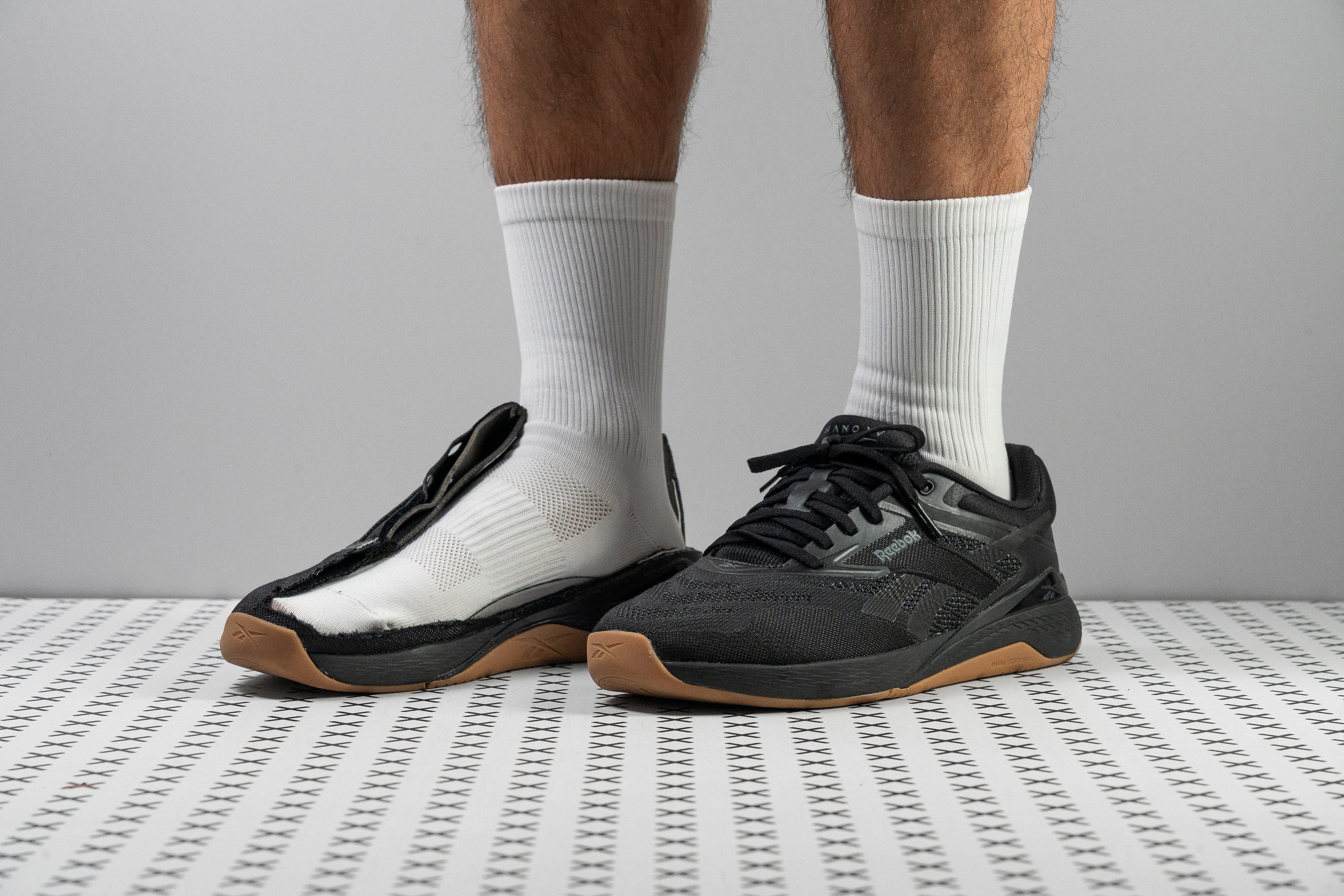
Credit: runrepeat.com
How To Tell If Your Gym Shoes Need Replacing
You don’t need to count miles or months to know if your gym shoes are done. There are clear signs you can look for:
- Worn-out soles: If the bottom of your shoes is smooth or uneven, they won’t grip properly. This can cause slips or falls.
- Loss of cushioning: If your shoes feel flat or don’t absorb shock, your feet may ache after workouts.
- Visible damage: Holes, tears, or loose stitching are signs the shoes can’t protect you anymore.
- Change in fit: Shoes may become loose or tight over time. If they don’t fit as before, it’s time for a change.
- Pain or discomfort: If you notice new aches, blisters, or soreness after exercise, your shoes might be the reason.
- Odor or moisture: Shoes that stay damp or smell bad may have lost their ability to breathe, increasing risk of fungus.
Even if your shoes look fine, pay attention to how they feel. A shoe can lose support before it shows visible damage. Many beginners miss this—they focus only on appearance and ignore comfort or performance.
Factors That Affect Shoe Lifespan
Activity Type
High-impact workouts like running or HIIT cause more wear and tear. Shoes used for these should be replaced sooner. Low-impact workouts, like yoga or weightlifting, put less stress on shoes.
Frequency Of Use
Wearing gym shoes every day will wear them faster than using them once a week. If you do multiple workouts weekly, expect to replace shoes more often.
Shoe Quality
Expensive shoes usually last longer because they use better materials and construction. Cheap shoes may look similar, but their support and cushioning break down quickly.
Body Weight
Heavier people put more force on shoes, leading to faster breakdown. This doesn’t mean you need the most expensive shoe—just be aware you may need replacements sooner.
Surface Type
Training on rough surfaces (like asphalt or concrete) wears shoes faster than smooth gym floors. Running outside is harder on shoes than treadmill running.
How Often Should You Replace Gym Shoes?
Most people should replace gym shoes every 6 to 12 months. For runners, the typical advice is to change shoes every 300–500 miles. For other gym activities, use the signs above to decide.
Some trainers recommend having two pairs and alternating them. This allows each pair to dry and recover between workouts, extending their life.
Common Mistakes When Replacing Gym Shoes
Many people make errors when it comes to shoe replacement:
- Waiting too long: Holding onto shoes after they are worn out increases injury risk.
- Replacing too soon: Buying new shoes before the old ones are worn wastes money.
- Ignoring fit: Sometimes shoes wear out inside, even if they look good outside.
- Using old shoes for other activities: Wearing worn-out gym shoes for walking or errands can still cause discomfort.
To avoid these mistakes, check your shoes regularly. Don’t rely only on time or mileage—use feel and performance as your main guide.
How To Extend The Life Of Your Gym Shoes
You can make gym shoes last longer with some simple habits:
- Keep shoes clean: Wipe them after workouts and remove mud or sweat.
- Dry properly: Don’t leave shoes wet or in a bag. Let them air out after each use.
- Alternate pairs: Use two pairs for heavy training to allow each to recover.
- Wear only for workouts: Don’t use gym shoes for daily errands or chores.
- Store correctly: Keep shoes in a cool, dry place. Avoid heat or direct sunlight.
- Use shoe inserts: If the inside wears out, new inserts can give extra life.
These tips help shoes keep their shape and support. Beginners often overlook cleaning and drying, which can make shoes smell and break down faster.

Credit: www.adidas.com
How Wearing Old Shoes Impacts Performance And Health
Using worn-out gym shoes can have serious effects:
- Increased injury risk: Shoes without support or grip can cause ankle twists, knee pain, or shin splints.
- Poor performance: You may feel tired faster or have trouble keeping balance.
- Foot problems: Blisters, calluses, and even fungal infections are more common with old shoes.
- Joint pain: The loss of cushioning means more force on your knees and hips, leading to long-term issues.
Some studies show that runners using worn shoes have higher rates of injuries. The same applies to gym-goers who lift, jump, or do cardio. If you feel new aches or notice bad form, check your shoes first.
Choosing The Right Gym Shoes For Your Needs
Selecting the right gym shoes is crucial for both performance and safety. Here’s what to consider:
- Activity type: Running shoes are different from weightlifting shoes. Choose shoes designed for your main activity.
- Fit and comfort: Try shoes in the evening when your feet are slightly swollen. This ensures a good fit.
- Support and stability: Look for shoes that support your arch and heel.
- Breathability: Good gym shoes have mesh or breathable materials to prevent moisture buildup.
- Durability: Check reviews or ask staff about how long shoes last.
You don’t need the most expensive pair, but avoid very cheap options. Investing in quality shoes can save you money and pain in the long run.
/assets/images/provider/photos/2822228.png)
Credit: www.restorefoot.com
Tracking Gym Shoe Usage: Practical Methods
Keeping track of shoe usage helps you know when to replace them. Here are some easy ways:
- Mileage tracking apps: Runners can use apps like Strava or Nike Run Club to log miles.
- Workout logs: Write down when you started using a pair and note any changes in comfort.
- Physical reminders: Mark your shoes with the start date using a permanent marker.
- Check in monthly: Set a reminder to inspect your shoes for wear every month.
Beginners often forget to track usage and end up using shoes much longer than recommended. If you don’t want to use apps, a simple notebook works well.
Gym Shoes Vs. Regular Shoes: Why It Matters
Some people use regular sneakers or old shoes for workouts. This is not a good idea. Gym shoes are made for specific movements and support. Wearing regular shoes can lead to injuries or poor performance.
Here’s a quick comparison:
| Feature | Gym Shoes | Regular Shoes |
|---|---|---|
| Support | High | Low |
| Cushioning | Designed for impact | General |
| Grip | Designed for gym surfaces | Not specialized |
| Breathability | High | Varies |
| Durability | Optimized for workouts | Not optimized |
Using the right shoes makes workouts safer and more effective. Even if regular shoes look similar, they don’t perform the same.
Shoe Replacement For Different Types Of Training
Let’s dive into specifics. Not all gym shoes are equal. Depending on your workout type, replacement timing changes.
Running
Running shoes take the most impact. Replace them every 300–500 miles. For regular runners, this is every 6–8 months.
Weightlifting
Weightlifting shoes are built for stability. They last longer, around 8–12 months. Replace them if the sole becomes uneven or the heel support fades.
Crossfit
CrossFit shoes are used for varied movements. Replace them every 6–8 months or sooner if you notice wear.
Walking
Walking shoes last 400–600 miles. If you walk daily, this may mean changing shoes every year.
Group Fitness
Shoes for aerobics or group classes should be changed every 8–10 months, depending on intensity.
Beginners often miss that each activity stresses shoes differently. Always match replacement to your workout type.
Signs You Might Need To Replace Gym Shoes Sooner
Sometimes, shoes need replacing before the expected time. Watch for these signs:
- Sudden foot pain: If you develop pain after workouts, check your shoes.
- Unusual wear patterns: One side of the sole is more worn? This can affect balance.
- Decreased performance: If you feel slower or less stable, shoes may be the cause.
- Persistent odor: If cleaning doesn’t help, bacteria may be deep inside.
Don’t ignore these signs. They often mean your shoes have lost their protective features.
Expert Opinions On Gym Shoe Replacement
Many trainers and podiatrists give advice on shoe replacement. Most agree on these points:
- Replace shoes every 6–12 months for regular use.
- Use activity-specific shoes for best results.
- Don’t wait for visible damage—focus on support and comfort.
Some experts say that people often underestimate shoe wear. They recommend listening to your body and checking shoes monthly.
Comparing Popular Gym Shoe Brands: Durability And Lifespan
Different brands offer varied durability. Here’s a look at three popular brands:
| Brand | Average Lifespan | Notable Features |
|---|---|---|
| Nike | 6–10 months | Good cushioning, wide variety |
| Adidas | 8–12 months | Durable materials, stylish design |
| Reebok | 8–10 months | Excellent for cross-training |
Brand choice affects lifespan, but so does use and care. Don’t just rely on brand reputation—inspect shoes regularly.
Non-obvious Insights: What Beginners Miss
- Inner wear is invisible: Shoes can lose support inside before showing outer signs. If your workouts feel tougher, check shoe cushioning.
- Moisture speeds breakdown: Shoes used in humid or sweaty conditions break down faster. Drying shoes properly extends life.
- Rotating pairs saves money: Alternating shoes prevents quick breakdown and lets each pair recover. This is a smart way to get more value.
Most beginners focus only on how shoes look. But performance and comfort are much more important.
Environmental Impact: What Happens To Old Gym Shoes?
Throwing away gym shoes can be wasteful. Most shoes end up in landfills, and the materials take a long time to break down. Some brands offer recycling programs or donate used shoes to charities.
If you care about the environment:
- Check for local shoe recycling programs.
- Donate gently used shoes to charities.
- Avoid buying more than you need.
For more information, see the official EPA recycling guide.
Practical Tips For Buying New Gym Shoes
When it’s time for new gym shoes, follow these tips:
- Shop late in the day when feet are slightly bigger.
- Try shoes with the socks you’ll use for workouts.
- Walk around the store to test comfort and fit.
- Ask staff about shoe lifespan and care.
- Read online reviews for durability.
- Check return policies in case shoes don’t fit after a few workouts.
Avoid buying shoes just because they’re popular. Choose what fits your needs and feels comfortable.
Frequently Asked Questions
How Do I Know When My Gym Shoes Are Worn Out?
Check for signs like flat cushioning, worn soles, loose fit, and new pain after workouts. If any of these appear, replace your shoes.
Can I Use My Gym Shoes For Running?
You can, but it’s better to use running-specific shoes for running. Gym shoes may lack the support and cushioning needed for long runs.
How Should I Clean My Gym Shoes?
Wipe them with a damp cloth after each workout. Use mild soap for deeper cleaning. Let shoes air dry—do not use heat.
Are Expensive Gym Shoes Always Better?
Not always. Quality matters more than price. Check reviews and try shoes before buying. Some affordable brands offer excellent durability.
Is It Okay To Use Gym Shoes For Daily Wear?
It’s best to use gym shoes only for workouts. Wearing them daily can cause them to break down faster and lose support.
Final Thoughts
Gym shoes are your workout foundation. Knowing how long you should wear gym shoes is key for safety, comfort, and performance. Don’t rely just on months or mileage—listen to your body and check your shoes regularly. Match your shoes to your activities and care for them well. Replace them when needed, not just when they look bad. Making smart choices saves you money, prevents injuries, and helps you enjoy every workout. If you’re unsure, ask a trainer or expert for advice. Your feet—and your workouts—will thank you.
