

How Long Do Gym Clothes Take to Dry? Quick Tips for Faster Results
How Long Do Gym Clothes Take To Dry
Staying active means sweating—and gym clothes are designed to handle it. But after every workout, there’s one question many people ask: “How long do gym clothes take to dry?” This isn’t just about convenience. Wet workout gear can smell, harbor bacteria, and even ruin your next session if not ready in time. Understanding drying times helps you plan your schedule, care for your gear, and avoid common mistakes that can shorten the life of your favorite apparel.
Drying time depends on many factors. Fabric type, washing technique, drying method, room conditions, and even how you hang your clothes all play a role. If you live in a humid place or often hand-wash your clothes, you may notice it takes longer.
On the other hand, the right techniques can speed things up and keep your gear fresh. Whether you have a busy lifestyle or simply want to care for your gym wear, knowing these details can save you time and frustration.
This guide covers everything you need to know about drying gym clothes—from the science of moisture to real-world tips for every situation. You’ll find practical advice, data, and answers to questions you may not even know to ask. Let’s explore what really affects drying times and how you can make the most of your workout wardrobe.
What Affects Gym Clothes Drying Time?
Drying isn’t just about waiting. Many factors work together to decide whether your clothes are ready in an hour or still damp after a whole day. Here’s what really matters:
1. Fabric Material
The fabric of your gym clothes is the biggest factor. Most workout gear uses one or more of these materials:
- Polyester: Dries quickly, often in 1-2 hours indoors. It’s hydrophobic, meaning it doesn’t hold water.
- Nylon: Similar to polyester, dries fast, and is often used in stretchy gym leggings and shorts.
- Spandex/Elastane: Often blended with other fabrics for stretch. On its own, it holds moisture a bit longer.
- Cotton: Absorbs water well, but dries slowly—sometimes taking 4-8 hours indoors.
- Bamboo/Rayon: Softer but can hold more water, making drying times longer.
Non-obvious insight: Many gym clothes are blends. For example, a cotton-polyester mix dries faster than pure cotton but slower than pure polyester. Always check the tag for the blend percentage. Some brands use “moisture-wicking” treatments on fabric, helping water move to the surface and evaporate faster. However, over time, these treatments can wear off if you use harsh detergents or fabric softeners, causing drying times to increase.
2. Washing Method
How you wash your gym clothes affects how much water they hold after washing. Machine spin cycles remove more water than hand washing.
- High-spin washing machine: Clothes come out almost dry. Drying time can drop by 30-50%.
- Low-spin or hand wash: More water remains in the fabric, leading to longer drying times.
A quick test: Pick up your gym shirt after a wash. If water drips, drying will take much longer. For hand-washing, gently squeeze but don’t twist, as twisting can damage fabric fibers, especially for high-stretch or delicate items.
3. Drying Method
The way you dry your clothes makes a huge difference.
- Tumble dryer: Fastest method, usually 20–40 minutes.
- Indoor air drying: Takes 2–8 hours, depending on conditions.
- Outdoor air drying: With sun and wind, drying can be as fast as 1–2 hours.
- Heated drying racks: Faster than unheated, but slower than a tumble dryer.
Non-obvious insight: Overloading a dryer or hanging clothes too close together makes drying much slower. Air needs to move freely around the fabric. Some people think “more clothes = more efficient,” but crowding just traps moisture. In fact, if you use dryer balls in the tumble dryer, they can help separate clothes and allow air to circulate better, reducing drying time.
4. Room Conditions
Environmental factors play a hidden role.
- Humidity: High humidity slows drying. Clothes can stay damp for 12 hours or more.
- Temperature: Warm air speeds up evaporation.
- Airflow: Open windows, fans, or breeze all help. Still air means longer wait times.
Even in a warm room, if the air is humid and there’s no airflow, clothes will dry much slower. Using a simple room dehumidifier or placing clothes near a window that gets a cross-breeze can make a big difference, even in small apartments.
5. Clothing Thickness And Layers
Thicker fabrics, padded sports bras, or double-layer shorts dry much slower. Thin, single-layer fabrics are always faster. Gym hoodies, jackets, or items with mesh linings take much longer, especially if they have zippers or pockets where moisture can hide.
6. Wringing And Pre-drying
Twisting or pressing water out before drying makes a big difference. Using a towel to blot out moisture cuts drying time by up to half. For best results, use a thick, absorbent towel and apply steady, firm pressure. This is especially helpful for small items like socks or wristbands that can hold a lot of water in their fibers.
Typical Drying Times For Gym Clothes
Let’s look at how long you might expect your gear to dry in common situations. This isn’t just guesswork—these numbers are based on real tests and user experiences.
| Fabric Type | Tumble Dryer | Indoor Air Dry (No Sun) | Outdoor Air Dry (Sunny) |
|---|---|---|---|
| Polyester | 20-30 min | 1.5-3 hrs | 1-2 hrs |
| Nylon | 20-35 min | 2-4 hrs | 1-2 hrs |
| Cotton | 30-50 min | 4-8 hrs | 2-3 hrs |
| Bamboo/Rayon | 30-60 min | 5-8 hrs | 2-4 hrs |
| Blends (Mixed) | 25-45 min | 3-5 hrs | 1-2.5 hrs |
Note: These are averages. A humid room can add hours, while a breezy, sunny day can cut drying time in half. For example, if you hang a polyester shirt outside on a dry, windy day, it might be ready in just 45 minutes. But if you leave cotton leggings in a still, humid room, you could be waiting all day.
Comparing Drying Methods
The method you choose affects not just speed but also energy use, fabric longevity, and even odor prevention. Here’s a closer look at the pros and cons.
| Method | Speed | Energy Use | Fabric Care | Odor Control |
|---|---|---|---|---|
| Tumble Dryer | Very Fast | High | May wear out elastic, fade colors | Good |
| Outdoor Air Dry | Fast (with sun/wind) | None | Gentle | Excellent (sun kills bacteria) |
| Indoor Air Dry | Slow-Medium | None | Gentle | Medium (risk of musty smell) |
| Heated Drying Rack | Medium | Low-Medium | Gentle | Good |
Experience-based tip: If you must use a tumble dryer, use the lowest heat setting and remove clothes while slightly damp to finish air drying. This keeps gym clothes stretchy and bright. Also, check for lint buildup on the dryer filter after drying synthetics, as polyester and nylon can shed tiny fibers that block airflow.
How To Speed Up Gym Clothes Drying
You may not always have hours to wait, especially if you need your favorite shirt for the next session. Here’s how to speed things up without damaging your gear:
1. Use A High-spin Cycle
If your washing machine has a high-spin setting, always use it. This removes more water than hand wringing ever could. For gym clothes, a spin speed of 1200–1400 rpm is usually safe and effective.
2. Towel Roll Trick
Lay your wet gym clothes flat on a clean towel. Roll them up tightly, pressing as you go. The towel absorbs excess water. Unroll, shake out, and hang—drying time drops by up to 50%. For even better results, stand on the rolled towel for a few seconds to press out extra water.
3. Hang Clothes For Maximum Airflow
Hang items on a drying rack or line with space between pieces. Avoid layering. More air means faster drying. Try to hang shirts from the shoulders and pants from the waistband to expose the most surface area.
4. Place Near A Fan Or Heater
A simple fan can cut drying time in half. In winter, placing clothes near a safe heat source (not touching) helps too. Never put synthetic fabrics directly on heaters—they may melt or shrink. Even a ceiling fan on low can make a noticeable difference.
5. Use Sunlight When Possible
Sun is nature’s dryer and disinfectant. Hang clothes in direct sunlight, but turn dark fabrics inside out to avoid fading. If your space is limited, a sunny windowsill or balcony works well.
6. Try A Spin Dryer
A spin dryer is a compact machine that squeezes out water without heat. It’s gentler on elastic fabrics and speeds up drying. These are great for small apartments or travel, and can remove much more water than hand-squeezing.
7. Avoid Overloading
Don’t bunch too many clothes together. Each piece needs space for air to circulate. If you have a lot to dry, do it in batches for faster results.
8. Flip Clothes Halfway
If air drying, turn clothes inside out or flip them after a couple of hours. This exposes damp spots and speeds things up. For items with pockets or hoods, make sure to open them up as much as possible.
Mistakes That Slow Down Drying
Many people make drying mistakes without knowing it. Here’s what to avoid:
- Leaving clothes in the washer: Clothes left in a closed washer stay wet longer and can develop odors.
- Hanging clothes in a closed, humid room: Without airflow, clothes may stay damp or even get musty.
- Using thick hangers or bunching clothes: This blocks air and slows drying.
- Skipping the spin cycle: More water means longer wait times.
- Direct heat on synthetics: Can damage elastic fibers and ruin gym gear.
Practical tip: If you’re in a rush, don’t try to dry a pile of gym clothes all at once. Drying a few pieces at a time is always faster. Also, avoid using fabric softener—it can coat synthetic fibers and slow down both moisture-wicking and drying.
Special Cases: Thick, Layered, And Padded Gym Wear
Some gym clothes are trickier to dry. Hoodies, padded sports bras, or double-layer leggings need special care.
- Padded sports bras: Remove pads if possible. Pads can take up to twice as long to dry as the fabric. If you can’t remove them, squeeze pads gently with a towel before hanging.
- Compression leggings: Thicker and tighter weave means slower drying. Turn inside out for faster results. Lay flat if you want to avoid stretching at the waistband.
- Gym hoodies: These are often cotton blends and can take 8–12 hours indoors. Use a towel to blot out as much water as possible before hanging. Hang by the shoulders, not the hood, to maintain shape.
If you own gym jackets or tops with mesh panels, hang them so that the mesh is exposed to airflow—this helps both layers dry together rather than trapping moisture inside.
Credit: peterloon.org
Caring For Gym Clothes While Drying
Drying is also about protecting your investment. Gym clothes can lose shape, stretch, or fade if dried incorrectly.
Key Care Tips
- Avoid high heat: It breaks down elastic and can fade colors. Even “quick dry” fabrics can get stiff if overheated.
- Turn clothes inside out: Prevents pilling and protects prints/logos. This is especially important for gear with screen-printed graphics or reflective stripes.
- Hang flat or on wide hangers: Prevents stretching, especially for heavy items. For sweaters or tops, laying flat on a mesh rack keeps them from losing shape.
- Separate colors: Bright gym clothes can bleed if wet for too long together. If you wash red shorts with a white shirt, separate them while drying too.
If you use scented laundry boosters or sprays, apply them only after clothes are fully dry to avoid trapping extra moisture.
How Does Drying Impact Odor?
One hidden danger of slow drying is lingering odor. Gym clothes, especially synthetic ones, can trap bacteria if not dried quickly.
- Faster drying = less odor. Bacteria love damp, slow-drying fabrics.
- Sunlight helps disinfect. UV rays naturally kill odor-causing germs.
- Avoid drying in bathrooms: Bathrooms are humid and can make smells worse.
If you notice your clothes smell even after washing, try drying outdoors or with more airflow. Sometimes, adding a vinegar rinse to your wash can help break up bacteria that cause odors. Another trick: wash gym clothes as soon as possible after use. The longer sweat sits in fabric, the harder it is to remove odors.

Credit: downy.com
Drying Gym Clothes In Different Climates
Where you live affects drying time more than you might expect.
Humid Climates
In very humid places, gym clothes can take all day or longer to dry indoors. Use a fan, air conditioner, or dehumidifier to help. If possible, dry outside during the warmest, sunniest part of the day. In tropical areas, look for synthetic gym wear labeled “quick-dry”—these are designed for fast evaporation even in sticky weather.
Cold Weather
In winter, air is dry but cold. Clothes will dry slowly unless you add heat or airflow. Hanging near a radiator (but not touching) or using a heated drying rack speeds things up. If you can, hang clothes in a well-ventilated room rather than a closed-off basement or bathroom.
Dry, Hot Climates
Here, gym clothes can dry in under an hour outdoors. Be careful with bright colors—sun can fade them quickly. If you leave clothes outside, check for dust or pollen in windy areas, as these can stick to damp fabrics.
Travel And On-the-go Drying
Active travelers often need to wash gym clothes in hotel sinks or after a quick run. Here’s how to get them dry fast:
- Use the towel roll method after washing in the sink.
- Hang clothes in the bathroom with the fan on or near a window.
- Consider packing quick-dry gym gear made of polyester or nylon.
- Bring a travel clothesline or a few clothespins for easy hanging anywhere.
If you’re short on time, use a hairdryer on a cool setting to speed up drying for small items like socks or headbands. Another smart move: pack a plastic zip bag for wet clothes so your gym bag doesn’t get damp if your gear isn’t fully dry before moving on.
Comparing Gym Clothes To Everyday Clothes
Gym clothes often dry faster than casual clothing because of their specialized fabrics. Here’s a quick comparison:
| Clothing Type | Typical Drying Time (Indoor Air Dry) | Key Factors |
|---|---|---|
| Gym Shirt (Polyester) | 1.5-3 hrs | Thin, moisture-wicking |
| Casual T-shirt (Cotton) | 4-8 hrs | Absorbs water, thicker |
| Gym Shorts (Nylon) | 1-2 hrs | Light, fast-drying |
| Jeans | 8-24 hrs | Heavy, holds moisture |
| Gym Leggings (Blends) | 2-4 hrs | Medium thickness, synthetic |
Insight: Gym clothes are built for sweat and quick drying. Everyday clothes, especially cotton and denim, aren’t designed for rapid moisture removal. This is why packing a few pieces of gym wear for trips—even if you don’t plan to work out—can be useful. They’re easy to wash and dry overnight, unlike regular clothes.
How To Tell If Gym Clothes Are Fully Dry
It’s easy to assume your clothes are dry just because they feel cool or not wet to the touch. But this can lead to surprises—damp spots can hide in seams or waistbands.
- Press with your palm: If the fabric feels cool and clammy, it’s likely still damp.
- Check thicker areas: Waistbands, cuffs, and underarm seams take longest to dry.
- Hang for an extra hour: When in doubt, let clothes air out a bit longer.
For extra certainty, hold the item up to a light. Damp spots usually look darker. If you plan to pack or store clothes, make sure they’re fully dry to avoid hidden mildew or odor.

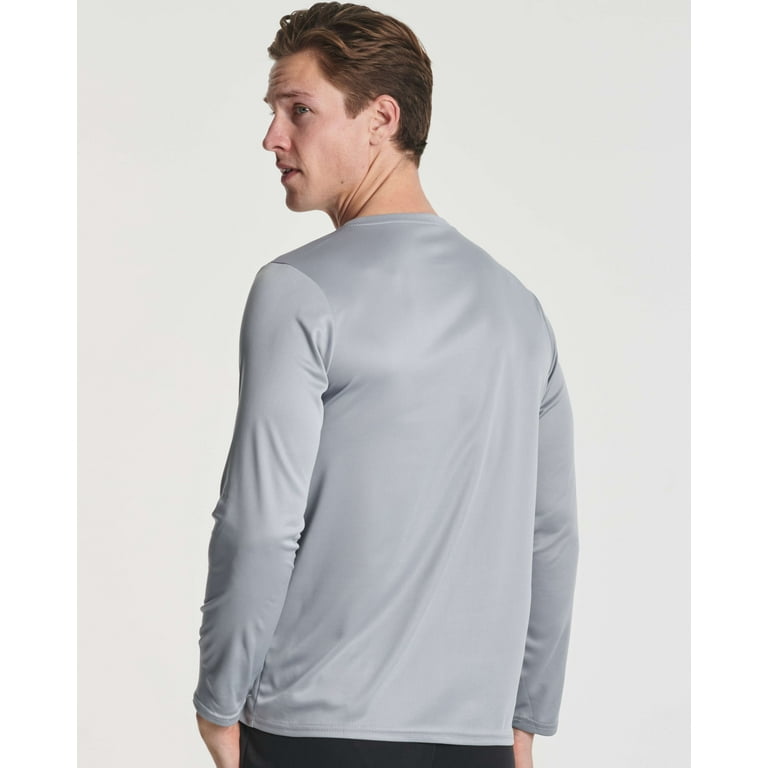
Credit: www.amazon.com
Frequently Asked Questions
Why Do My Gym Clothes Smell Even After Drying?
If your gym clothes still smell, bacteria may have survived washing or drying was too slow. Quick drying, sunlight, and occasionally using a vinegar rinse can help break up odor-causing buildup. Make sure you’re not overusing detergent, which can leave residue that traps odors.
Can I Dry My Gym Clothes In The Bathroom?
You can, but bathrooms are often humid, which slows drying and can cause musty smells. If possible, use a fan or open window to improve airflow. Hanging clothes on the shower rod with space between them works better than crowding onto a towel rack.
Is It Safe To Use A Tumble Dryer For All Gym Clothes?
Most synthetic gym fabrics can handle a tumble dryer on low heat, but frequent high heat can damage elastic, logos, or reflective prints. Always check care labels and consider air drying for longevity. For items with glued seams or bonded details, air drying is much safer.
How Do I Dry Gym Clothes Fast When Traveling?
Use the towel roll trick to blot out excess water, then hang clothes in a spot with good airflow—like near a window or air conditioner. Packing quick-dry fabrics also helps. In a pinch, a portable mini-fan can help speed up drying in hotel rooms.
Does Drying In Sunlight Fade Gym Clothes?
Direct sun can fade bright colors over time. To protect your gear, turn clothes inside out or hang in partial shade. Sunlight, however, is excellent for odor and bacteria control. If you have technical gear with special coatings, check if the brand recommends limited sun exposure.
Drying gym clothes doesn’t have to be a guessing game. With the right techniques and knowledge, you can keep your favorite workout gear fresh, ready, and long-lasting. Next time you wonder how long your gym clothes will take to dry, remember: fabric, method, and environment make all the difference. For more on fabric care, see this Consumer Reports guide on washing and drying activewear. Stay active, stay dry, and let your gym gear work as hard as you do.
