

How Long Do Gym Clothes Last? Tips to Maximize Their Lifespan
How Long Do Gym Clothes Last
Everyone wants to get the most from their gym clothes. After all, good athletic wear is not cheap. You invest in leggings, tops, and sports bras hoping they’ll last for many workouts. But how long do gym clothes actually last?
The answer depends on the type of clothing, how often you exercise, how you wash them, and even how you store them.
Understanding the life span of gym clothes helps you save money and avoid uncomfortable or smelly gear. In this guide, you’ll learn what impacts gym clothing durability, signs you need to replace your workout gear, and tips to make your favorites last longer.
Whether you’re a beginner at the gym or have been training for years, these insights will help you get the best value from every piece of clothing.
What Determines The Lifespan Of Gym Clothes?
Several factors decide how long gym clothes last. No single answer fits everyone because usage and care differ. Here are the main things that affect durability:
Frequency Of Use
If you go to the gym every day, your clothes will wear out faster than if you train twice a week. Constant use means more washing, stretching, and exposure to sweat.
Fabric Quality
High-quality materials such as polyester blends, nylon, and spandex usually last longer than low-cost cotton. Technical fabrics are made to handle moisture and movement. Cheaper fabrics may pill, fade, or lose shape quickly.
Type Of Workout
Intense activities like HIIT, running, and CrossFit put more stress on your clothes than yoga or light stretching. Activities with lots of friction or floor contact wear out knees and elbows faster.
Washing And Drying Habits
Hot water, strong detergents, and machine drying can damage elastic fibers. Gentle washing and air-drying protect the fabric. Overwashing (washing after every short wear) also shortens their lifespan.
Storage
Stuffing sweaty clothes in a gym bag or keeping them crumpled can cause bacteria, mildew, and odor that are hard to remove. Proper storage prevents permanent damage.
Body Chemistry
Everyone’s sweat is different. Some people’s sweat is more acidic and can break down fabric faster, especially in areas like underarms and waistband.
Average Lifespan Of Different Types Of Gym Clothes
Not all gym clothes last the same amount of time. Here’s a breakdown by type:
| Item | Average Lifespan | Typical Signs of Wear |
|---|---|---|
| Sports Bras | 6–12 months | Loss of support, stretched straps, faded fabric |
| Leggings/Tights | 1–2 years | Thinning fabric, sagging, transparency |
| Workout Tops | 1–2 years | Odor retention, pilling, faded color |
| Shorts | 1–2 years | Loose waistband, loss of stretch |
| Socks | 6–12 months | Holes, thinning, loss of elasticity |
| Compression Wear | 6–18 months | Loss of compression, stretched-out areas |
| Jackets/Hoodies | 2–4 years | Broken zippers, pilling, color fading |
You might notice some pieces last longer or shorter than these averages. That’s normal because of differences in use, washing, and quality.
How To Tell When To Replace Gym Clothes
It’s not always easy to say goodbye to your favorite leggings or that lucky workout shirt. However, worn-out gym clothes can cause discomfort, skin irritation, or even reduce performance. Here’s how to know it’s time for an upgrade:
- Loss of support: Sports bras that used to feel firm now feel loose, or the elastic band curls or flips.
- Odor that won’t go away: Even after washing, the smell of sweat lingers.
- Visible holes or tears: Small holes can quickly become bigger during workouts.
- Loss of stretch: Leggings or shirts that feel baggy or saggy instead of snug.
- Transparency: Material becomes see-through, especially when stretched.
- Pilling or rough texture: Small fabric balls or rough spots that cause chafing.
- Stretched seams or hems: Threads coming loose, stitches breaking, or hems rolling up.
- Color fading: Bright colors become dull, which can mean the fabric is weakening.
Don’t wait too long to replace gym clothes. Old clothes can lose their technical features, like moisture-wicking, which affects comfort and hygiene.
Material Matters: Which Fabrics Last Longest?
Fabric choice is key to how long your gym clothes last. Let’s look at common materials and their properties:
Polyester
Polyester is strong, light, and dries quickly. It resists shrinking and holds color well. Most performance gym wear uses polyester or blends.
Nylon
Nylon is durable and stretchy. It feels smooth and wicks moisture, but it can pill over time if not washed gently.
Spandex/lycra
Spandex (also called Lycra) adds stretch. It helps clothes snap back to shape. However, too much heat (from washing or drying) can damage it.
Cotton
Cotton is soft and breathable but not always ideal for tough workouts. It absorbs sweat, which can lead to odor and bacteria. It wears out faster than synthetic fabrics if used for high-intensity exercise.
Bamboo
Bamboo fabrics are soft and naturally antibacterial, but they may pill faster and lose shape if not handled gently.
Wool
Wool (like merino) is used in some socks and base layers. It controls odor and manages temperature well, but can lose shape if not washed carefully.
Blends
Many gym clothes use blends. For example, polyester-spandex blends offer stretch and durability. These usually last longer than single-fiber fabrics.
How Washing And Care Affect Gym Clothes’ Lifespan
The way you wash and dry your gym clothes is just as important as how often you wear them. Mistakes in care can cut their life short. Here are the best practices and common mistakes to avoid:
Best Practices
- Turn clothes inside out before washing. This protects the outer fabric and colors.
- Use cold water and a gentle cycle. Hot water can weaken fibers and cause shrinking.
- Use mild detergent. Avoid strong chemicals and fabric softeners (they can coat technical fabrics and reduce their performance).
- Air-dry when possible. High heat from dryers breaks down elastic and synthetic fibers.
- Wash soon after use. Don’t let sweaty clothes sit in a bag for hours or days.
Common Mistakes
- Using bleach: It damages the fibers and fades colors.
- Overloading the washer: Clothes don’t get clean and rub against each other, causing pilling.
- Skipping wash cycles: Re-wearing unwashed gear increases bacteria and odor.
- Drying with towels: Heavy towels can stretch and misshape lightweight gym wear.
- Not closing zippers or hooks: These can snag and tear other clothes.
How Long Should You Expect Clothes To Last With Good Care?
With proper washing and drying, you can often double the lifespan of gym clothes. For example, leggings might last two years instead of one, and sports bras may feel supportive for over a year.
Real-life Examples: When Do People Replace Their Gym Clothes?
To get a clearer picture, let’s look at the habits of real gym-goers:
- Daily gym users: Some people who work out every day replace their main leggings and bras every six to eight months. Shirts and shorts last about a year.
- Weekend warriors: Those training twice a week can keep the same set for up to two years, with socks wearing out faster.
- Runners: High-mileage runners often replace socks every few months due to blisters and holes. Shirts and shorts may last a year.
- Yoga and Pilates fans: Gentle movements mean less wear. Leggings and tops can last two or more years if washed carefully.
Gym Clothes Vs. Regular Clothes: Key Differences In Durability
You might wonder why your gym leggings wear out faster than regular jeans or T-shirts. Here’s a quick comparison:
| Feature | Gym Clothes | Regular Clothes |
|---|---|---|
| Fabric Type | Synthetics, blends | Cotton, denim, wool |
| Washing Frequency | After every wear | After several wears |
| Exposure to Sweat | High | Low/Moderate |
| Stretching & Movement | Frequent, intense | Minimal |
| Expected Lifespan | 6 months–2 years | 2–5 years |
Gym clothes face more stress and need more washing, so they naturally wear out faster—even with great care.
Tips To Make Your Gym Clothes Last Longer
Getting more life out of your gym wardrobe is possible with a few smart habits:
Rotate Your Clothes
Have at least two or three of each item (bras, leggings, tops). Rotating them gives fabric time to recover, especially the elastic parts.
Wash Promptly, But Not Excessively
Wash sweaty gear soon to prevent bacteria, but don’t overwash lightly used items. For example, a hoodie worn for stretching might not need every-wear washing.
Use A Laundry Bag
Washing small items like bras and socks in a mesh bag protects them from snags and stretching.
Skip Fabric Softener
It leaves a residue that blocks moisture-wicking. Your clothes won’t breathe or dry as well.
Hang Dry
If you must use a dryer, use the lowest heat setting. Otherwise, air-drying is safest for all fabrics.
Store Properly
Don’t leave gym wear balled up in a bag. Hang or fold them in a dry, clean space.
Treat Stains Fast
Pre-treat stains before washing. Sweat and deodorant stains can break down fibers if ignored.
Follow Care Labels
Manufacturers test their clothes for best results. Always check the tags for special instructions.
Choose Dark Colors When Possible
Dark colors show less staining and fading over time than bright or pastel shades.
Are Expensive Gym Clothes Worth It?
This is a common question. Price often reflects material quality, construction, and brand reputation. But expensive doesn’t always mean longer-lasting. Here’s what to consider:
- Stitching and seams: Well-made clothes have reinforced seams that don’t unravel easily.
- Fabric technology: High-end brands use advanced materials for durability and performance.
- Fit and comfort: You’re more likely to care for clothes you love wearing.
On the other hand, some budget brands offer surprising quality. Always check reviews and fabric details, not just price tags.
How To Choose Gym Clothes That Last
If you want workout wear that goes the distance, keep these features in mind:
- Check fabric content: Look for a blend of polyester or nylon with a small amount of spandex for stretch.
- Inspect stitching: Flatlock seams reduce irritation and last longer.
- Stretch test: Gently pull the fabric—if it snaps back easily, it will keep its shape.
- Odor resistance: Some clothes have antibacterial treatments to prevent long-term smell.
- Brand reputation: Trusted brands often use better materials and quality checks.
- Try before you buy: Move around in the fitting room to check comfort and fit.
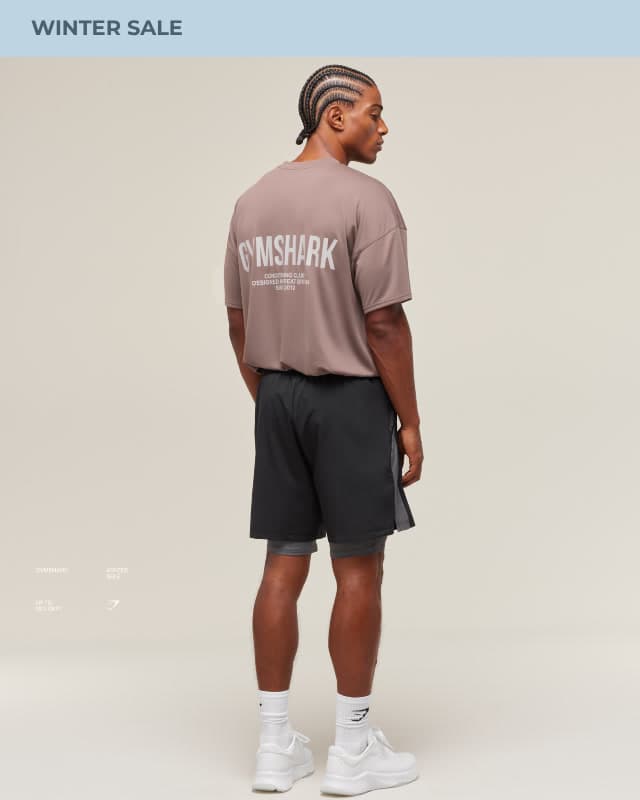
Credit: eu.gymshark.com
The Hidden Cost Of Holding On Too Long
Many people try to squeeze every last workout out of their old gym clothes. But this can backfire:
- Increased odor and bacteria: Old clothes may hold onto bacteria even after washing.
- Reduced performance: Worn-out leggings sag, sports bras lose support, and shirts stop wicking sweat.
- Injury risk: Loose-fitting clothes can cause trips, while bad support can strain muscles.
It’s better to replace items when they show signs of wear. Investing in new gear often boosts confidence and motivation.
Sustainable Choices: What To Do With Old Gym Clothes
Throwing away old gym wear isn’t the only option. Here’s how you can be more eco-friendly:
- Recycle: Some brands and stores collect used clothes for recycling.
- Donate: If still wearable, give to local charities or shelters.
- Upcycle: Cut old shirts into cleaning rags or use leggings as base layers for cold weather.
- Check fabric recycling programs: Look for textile recycling bins in your community.
This approach reduces waste and helps the environment.

Credit: squatwolf.com
The Two Insights Most People Miss
- Elastic fibers wear out, not just the fabric: People often watch for holes or fading but forget that the stretch in gym clothes is what fails first. If your leggings or bra feel loose, the elastic is likely worn—even if the material looks fine.
- Odor means fibers are breaking down: Persistent smells are a sign that bacteria have penetrated deep into the fabric. At this point, even strong detergents can’t fix the problem, and it’s time to replace the item.
Gym Clothes Lifespan: Quick Reference
For a simple overview, here’s a quick reference of how long you can expect each item to last with regular use and good care:
| Item | Expected Lifespan |
|---|---|
| Sports Bra | 6–12 months |
| Leggings | 1–2 years |
| Workout Top | 1–2 years |
| Shorts | 1–2 years |
| Socks | 6–12 months |
| Compression Wear | 6–18 months |
| Jacket/Hoodie | 2–4 years |
This gives you an idea of when to start checking for replacement signs.
Credit: www.alibaba.com
Frequently Asked Questions
How Do I Know If My Gym Clothes Are Too Old?
If your gym clothes lose their stretch, smell bad even after washing, or have holes, it’s time to replace them. Clothes that feel loose or don’t support you as before are also too old.
Can I Make My Gym Clothes Last Longer?
Yes! Wash with cold water, avoid fabric softeners, air-dry, and rotate your clothes. Always follow the care label and store them properly.
Is It Bad To Wear Old Gym Clothes?
Wearing old gym clothes can lead to odor, skin irritation, and even injury if support is lost. It’s best to replace them once they show wear.
Should I Buy Expensive Gym Clothes For Longer Life?
Not always. Expensive clothes may use better materials, but some affordable brands also last long. Look for quality fabrics and strong seams, not just price.
What Should I Do With Old Gym Clothes?
Recycle, donate, or upcycle them. Many brands and charities accept old gym wear, and some communities have textile recycling programs. For more recycling tips, check Good On You.
Keeping your gym wardrobe fresh and functional is part of staying healthy and motivated. With the right care and smart choices, your gym clothes can work as hard as you do—without wearing out too soon.
