

How Long Do Gym Clothes Last? Expert Tips to Extend Lifespan
How Long Do Gym Clothes Last
If you enjoy working out, your gym clothes are probably some of the hardest-working items in your closet. You put them through sweat, stretching, washing, and sometimes even outdoor elements. But how long can you expect your gym clothes to actually last? And what can you do to make them go the distance? The answer is not as simple as reading a tag. Many factors affect the lifespan of activewear, from fabric choices to how you care for them after each workout.
This guide explains everything you need to know about the lifespan of gym clothes. You’ll learn what shortens their life, signs you need to replace them, how different fabrics perform, and tips to get the most value from your gear. If you want your gym clothes to last longer and perform better, keep reading.
What Affects The Lifespan Of Gym Clothes?
Your gym clothes won’t last forever, but the time before they need replacing depends on several things. Understanding these factors helps you make smarter choices and avoid common mistakes.
Fabric Quality
The main factor is the type of material. High-quality fabrics like polyester blends, nylon, and technical fibers are made to handle sweat and frequent washing. Cotton, on the other hand, is comfortable but wears out faster when exposed to heavy use and moisture. Cheaper materials often lose shape and stretch sooner.
Frequency Of Use
How often you wear and wash your gym clothes matters. If you hit the gym five times a week and only own two pairs of leggings, those leggings will wear out much faster than if you rotate through several pairs.
Overuse means more friction, more stretching, and more exposure to sweat and detergent.
Type Of Activity
Not all workouts are the same. High-impact sports like running or CrossFit put more stress on seams and fabric than yoga or walking. Activities that involve floor contact (like Pilates or HIIT) may also cause faster wear in certain areas.
Washing And Drying Methods
Many people ruin their activewear by washing it incorrectly. Hot water, harsh detergents, and especially machine drying can all break down the elastic fibers that make gym clothes comfortable. Air drying and gentle cycles keep clothes in good shape longer.
Body Chemistry
Your sweat is unique. Some people have more acidic sweat, which can break down fabric fibers faster and leave stubborn smells. If your clothes start to hold onto odors, it’s often a sign of this chemical reaction.
Fit And Sizing
Wearing gym clothes that are too tight puts extra stress on seams and elastic. Over time, this leads to stretching and sagging. Clothes that are too loose can also rub in the wrong places, causing pilling or thinning fabric.
Key insight: Many people replace gym clothes too late. If you pay attention to these factors, you can spot early signs of wear and take action before your gear actually fails during a workout.
Average Lifespan For Different Types Of Gym Clothes
Each piece of activewear has its own expected lifespan. Here’s a closer look at how long you can expect your favorites to last with regular use and care.
| Item | Average Lifespan | What Affects It Most |
|---|---|---|
| Sports Bras | 6-12 months | Elastic quality, washing method |
| Leggings/Tights | 1-2 years | Fabric, workout type |
| Workout Shirts | 1-2 years | Sweat, frequency of use |
| Shorts | 1-2 years | Friction, material type |
| Socks | 6-12 months | Compression, sweat |
| Jackets/Hoodies | 2-3 years | Washing, abrasion |
These numbers are for people who exercise regularly—around three to five times per week—and care for their clothes properly. If you train less, your clothes will last longer, and if you train more, expect a shorter lifespan.
Non-obvious tip: If you notice your clothes stretching or losing support after just a few months, it’s often a sign of poor-quality materials or wrong washing habits, not just natural wear.
Signs It's Time To Replace Your Gym Clothes
You don’t need to wait for a hole to appear before replacing your gym clothes. Here are some clear signs that it’s time for a new set:
- Loss of Elasticity: Leggings or bras that feel loose or saggy are no longer supporting you as they should.
- Persistent Odor: If clothes smell even after washing, bacteria and sweat have built up in the fibers.
- Visible Wear and Tear: Holes, pilling, faded patches, or thinning fabric are all red flags.
- Faded Color or Logos: If the color is washed out or logos have peeled away, the fabric is breaking down.
- Decreased Performance: Clothes that used to wick sweat but now leave you feeling damp are losing their technical function.
- Uncomfortable Fit: Seams that rub, tops that ride up, or waistbands that dig in are signs that the clothes have lost their shape.
Helpful insight: Many people keep gym clothes past their prime because they "still look okay." Performance often declines before visual wear shows up. Trust how your clothes feel, not just how they look.
How Fabric Types Impact Longevity
Not all materials are created equal. Here’s what you need to know about the most common gym clothing fabrics and how they affect durability.
Polyester
Polyester is the most popular material for activewear. It’s lightweight, dries quickly, and resists shrinking. It usually holds up well for more than a year if cared for properly.
Nylon
Nylon feels soft and smooth, making it great for leggings and fitted tops. It’s tough and resists abrasion, so it handles friction well. However, it can lose stretch if over-dried.
Spandex (lycra/elastane)
Spandex gives gym clothes their stretch. Most leggings and sports bras have a percentage of spandex blended in. While it adds comfort and shape retention, it’s sensitive to heat and strong detergents.
Cotton
Cotton is breathable and soft but not ideal for heavy sweat. It absorbs moisture and takes longer to dry. Cotton gym clothes usually lose shape and develop odors faster.
Blends And Technical Fabrics
Many brands use blended fabrics or create special technical materials. These often combine the strengths of polyester, nylon, and spandex, plus extra features like odor resistance or UV protection. Technical blends usually last longer if washed carefully.
| Fabric | Strengths | Weaknesses | Estimated Lifespan |
|---|---|---|---|
| Polyester | Durable, quick-drying | Can hold odors | 1-2 years |
| Nylon | Soft, abrasion-resistant | Heat sensitive | 1-2 years |
| Spandex | Stretch, shape retention | Breaks down with heat | 6-12 months |
| Cotton | Comfort, breathability | Holds sweat, shrinks | 6-12 months |
| Technical Blend | All-round performance | Higher cost | 1.5-3 years |
Non-obvious tip: Even with the best fabric, improper care (especially heat drying) is the fastest way to shorten the lifespan of your gym clothes.
How To Make Your Gym Clothes Last Longer
If you spend money on quality gear, you want it to last. With a few smart habits, you can extend the life of your gym clothes and keep them performing at their best.
Wash Less, Wash Right
Don’t wash your gym clothes with every other load. Wash them inside out to protect the outer fibers. Use cold water and skip fabric softeners, which coat the fabric and reduce sweat-wicking ability. Wash only when truly dirty—sometimes airing them out is enough between light workouts.
Air Dry Is Best
High heat from dryers breaks down elastic fibers. Hang your clothes to dry, or lay them flat. If you must use a dryer, choose the lowest heat setting possible.
Use Gentle Detergent
Harsh detergents can strip away the technical coatings on activewear. Choose a mild, sports-specific detergent. Avoid bleach or strong chemicals.
Separate From Rough Fabrics
Don’t wash gym clothes with towels, jeans, or other rough fabrics. The friction causes pilling and weakens the material. Wash with similar items only.
Store Properly
Keep gym clothes in a cool, dry place. Avoid leaving them in a sweaty gym bag for hours, as this encourages bacteria and odor.
Rotate Your Wardrobe
Owning a few extra pairs and rotating them keeps any single item from wearing out too fast. This is a small investment that adds months to the lifespan of each piece.
Practical tip: If you notice one piece always wears out before the rest (like socks or sports bras), buy extras of that item. Rotating more often really does make a difference.
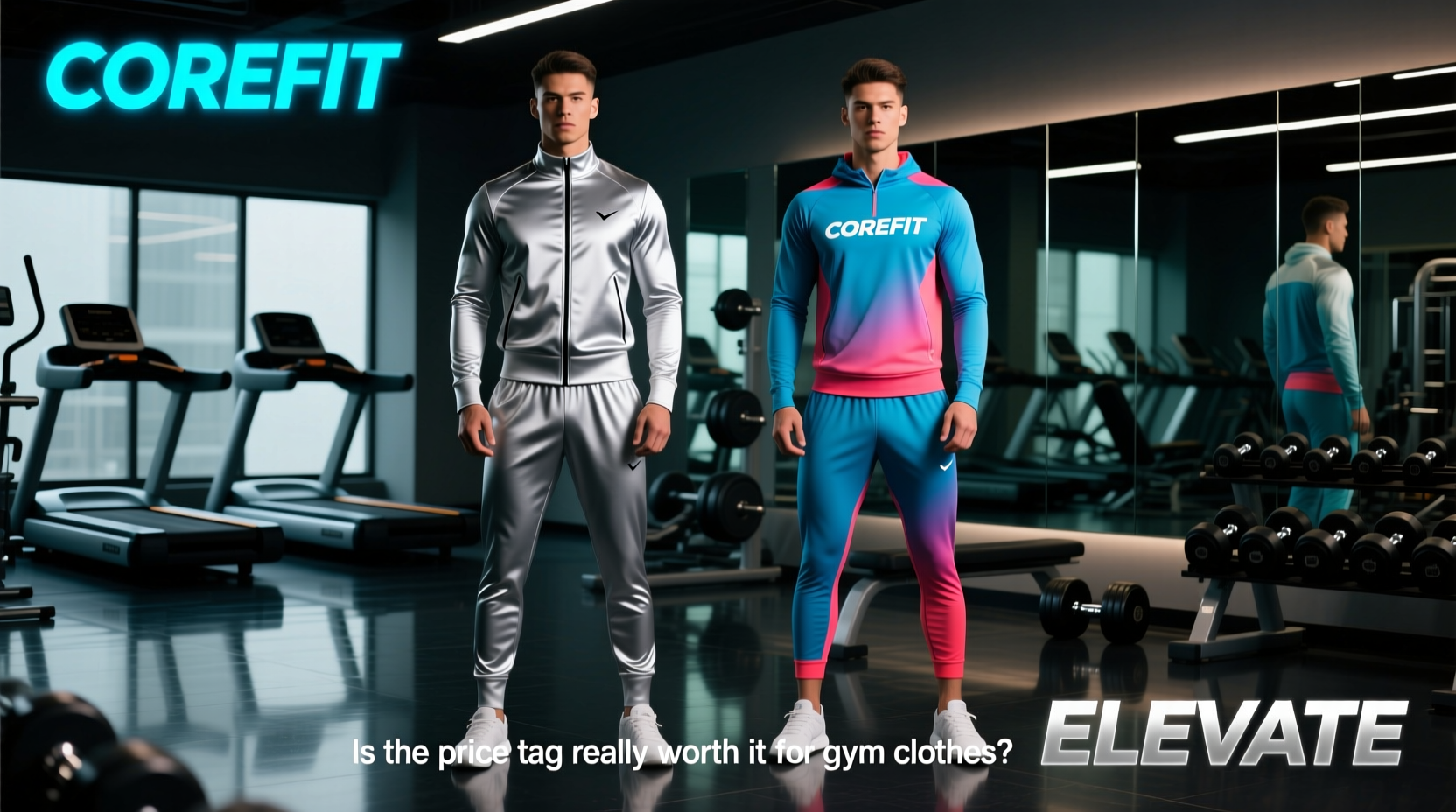
How Much Should You Spend For Longer-lasting Gym Clothes?
Price often reflects quality, but not always. Here’s what to consider before you buy:
- Budget brands: These may look stylish but often use lower-quality materials and weaker stitching. Expect to replace them more often.
- Mid-range brands: Usually offer a good balance of price and durability. Technical blends and reinforced seams are common.
- Premium brands: Use high-end fabrics, advanced features, and strong warranties. They last longer if cared for but come at a higher cost.
| Price Range | Typical Quality | Expected Lifespan |
|---|---|---|
| Budget | Basic, less durable | 6-12 months |
| Mid-range | Good materials, solid construction | 1-2 years |
| Premium | Technical, reinforced | 2-3 years |
Insider advice: Sometimes mid-range brands offer almost the same durability as premium ones if you focus on fabric blends and construction instead of logos.
Common Mistakes That Shorten Lifespan
Even the best gym clothes won’t survive these common errors:
- Over-drying: High heat melts elastic fibers. Air drying adds months to your clothes’ life.
- Washing with rough fabrics: Mixing gym clothes with towels or denim wears them out fast.
- Using too much detergent: Excess soap leaves residue, making clothes smell and reducing stretch.
- Leaving clothes wet in bags: Trapped moisture causes mildew and fabric breakdown.
- Skipping rotation: Wearing the same set every workout means double or triple the wear.
- Ignoring care labels: Each brand may have special instructions. Skipping these can ruin features like water resistance or odor control.
- Using bleach or softener: These chemicals are too harsh for most activewear.
Pro tip: If you want your gym clothes to last, treat them as gently as you would your favorite casual wear, not as “disposable” basics.
When Performance Matters More Than Appearance
It’s tempting to keep wearing gym clothes if they still look okay. But for items like sports bras or compression leggings, performance is more important than appearance.
For example, a sports bra that’s lost its stretch won’t support you, and that can lead to discomfort or injury. Similarly, compression socks or sleeves that no longer compress can’t help with recovery. Even a small loss of elasticity makes a big difference.
If you notice less support, it’s time to replace—even if the fabric looks fine.
Expert advice: For high-support items, set a reminder to check fit and support every few months. Don’t wait for visible damage.
Credit: www.alibaba.com
Sustainable Choices And Recycling Old Gym Clothes
Throwing out old gym clothes is not your only option. Here are some ways to reduce waste:
- Repair minor damage: Small holes or loose seams can often be fixed at home.
- Donate: Some organizations accept gently used activewear for people in need.
- Recycle: Brands and stores sometimes offer recycling programs for worn-out textiles.
- Repurpose: Old t-shirts or leggings can become cleaning rags, hair ties, or even plant ties.
Sustainability tip: Choose durable, high-quality clothes over fast fashion. You’ll reduce waste and save money over time.
If you want more ideas, check out programs like the ones mentioned on Good On You for eco-friendly disposal.
Real-world Examples
To make this more practical, consider these two scenarios:
Case 1: The Marathon Runner
Sarah runs five days a week and wears the same two pairs of leggings. She washes them in hot water and dries on high heat. After six months, both pairs are stretched out and thin. If Sarah rotated four pairs and air-dried them, she would likely double their lifespan.
Case 2: The Occasional Gym-Goer
Mike goes to the gym twice a week and owns three shirts and two pairs of shorts. He washes them with his regular laundry using cold water and air dries everything. His clothes last two years or more before showing signs of wear.
Key takeaway: Frequency and care are just as important as the quality of the clothes themselves.
Frequently Asked Questions
How Often Should I Replace My Sports Bra?
Most people should replace their sports bras every six to twelve months. If you notice less support, stretched-out bands, or fraying fabric, it’s time for a new one. Active people who train daily may need to replace them more often.

Credit: squatwolf.com
What Is The Best Way To Wash Gym Clothes?
Turn your clothes inside out, use cold water, and choose a gentle detergent. Avoid fabric softener and bleach. Air drying is best to protect the elastic fibers and technical coatings.
Why Do My Gym Clothes Smell Even After Washing?
Sweat and bacteria can get trapped in synthetic fibers, leading to persistent odors. Wash clothes promptly, avoid leaving them damp, and use a sports-specific detergent for stubborn smells.
Can I Use The Dryer For Gym Clothes?
It’s best to air dry gym clothes. If you must use a dryer, set it to the lowest heat. High heat damages elastic and technical fabrics, causing them to wear out faster.
Are Expensive Gym Clothes Always More Durable?
Not always. Expensive gym clothes may use better materials or construction, but some mid-range options last just as long if you care for them properly. Focus on fabric blends, stitching, and care instructions, not just the price tag.
Your gym clothes are an important part of your workout routine. By choosing the right materials, caring for them properly, and knowing when to replace them, you’ll always feel comfortable and supported. With these tips, you can make your gym clothes last as long as possible and get the most value out of every purchase.
Credit: eu.gymshark.com
