

How Do Rash Vests Work: Ultimate Guide to Protection & Comfort
Have you ever wondered how rash vests protect your skin while you enjoy water activities? Whether you’re surfing, swimming, or just soaking up the sun, a rash vest can make a big difference in your comfort and safety.
But how exactly do these special shirts work to shield you from sunburn, irritation, and even jellyfish stings? Keep reading to discover the simple yet powerful ways rash vests keep your skin safe and why you might want to add one to your gear today.
Rash Vest Basics
Rash vests protect the skin during water sports and outdoor activities. They guard against rashes caused by friction, sunburn, and jellyfish stings. Wearing one helps keep your skin safe and comfortable. Knowing the basics helps you pick the right rash vest for your needs.
Material Types
Rash vests use materials that dry quickly and stretch easily. Common fabrics include nylon, polyester, and spandex blends. Nylon feels soft and resists water well. Polyester is strong and dries fast. Spandex adds stretch for a tight, snug fit. These materials work together to protect and move with your body.
Design Features
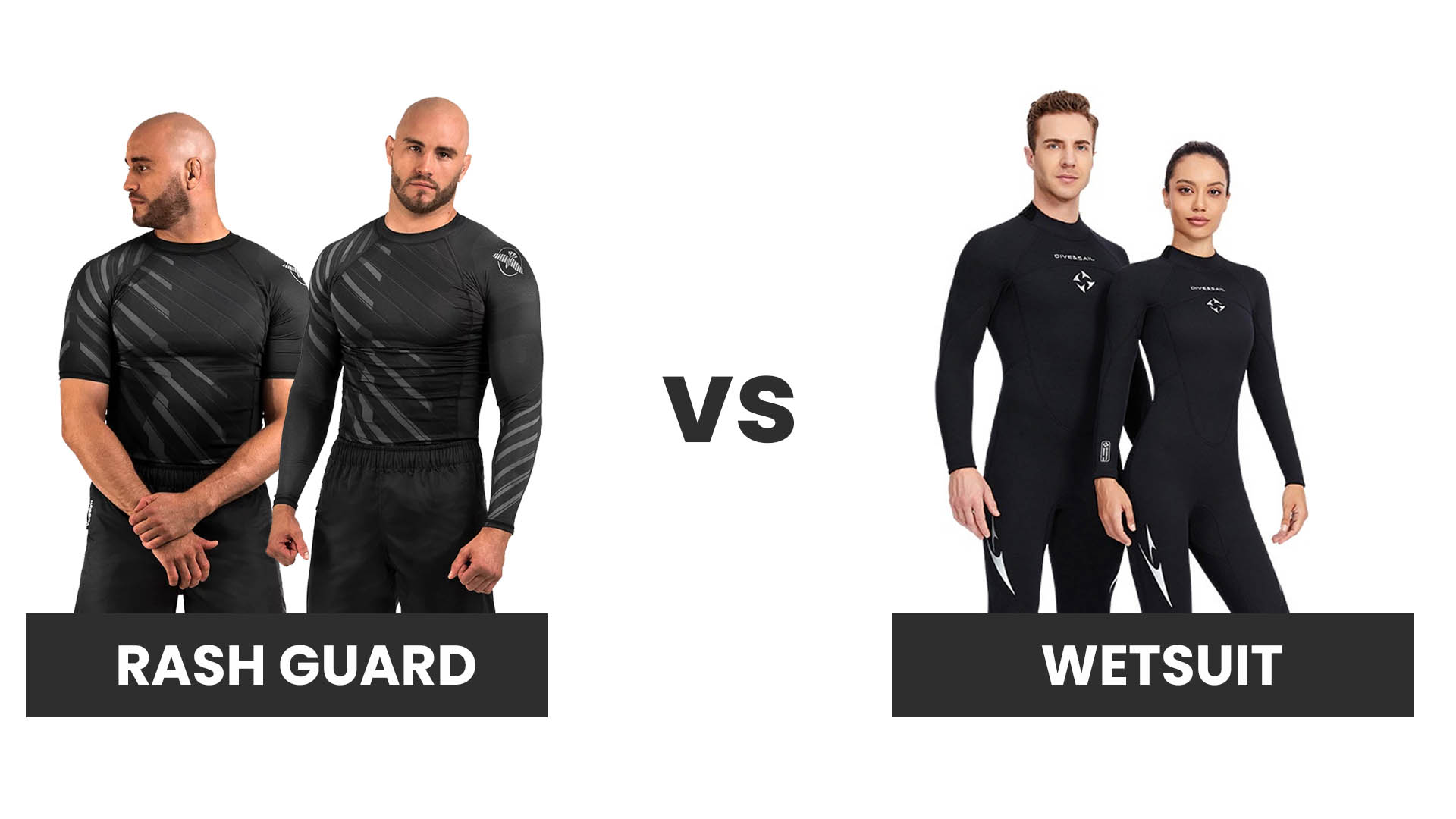
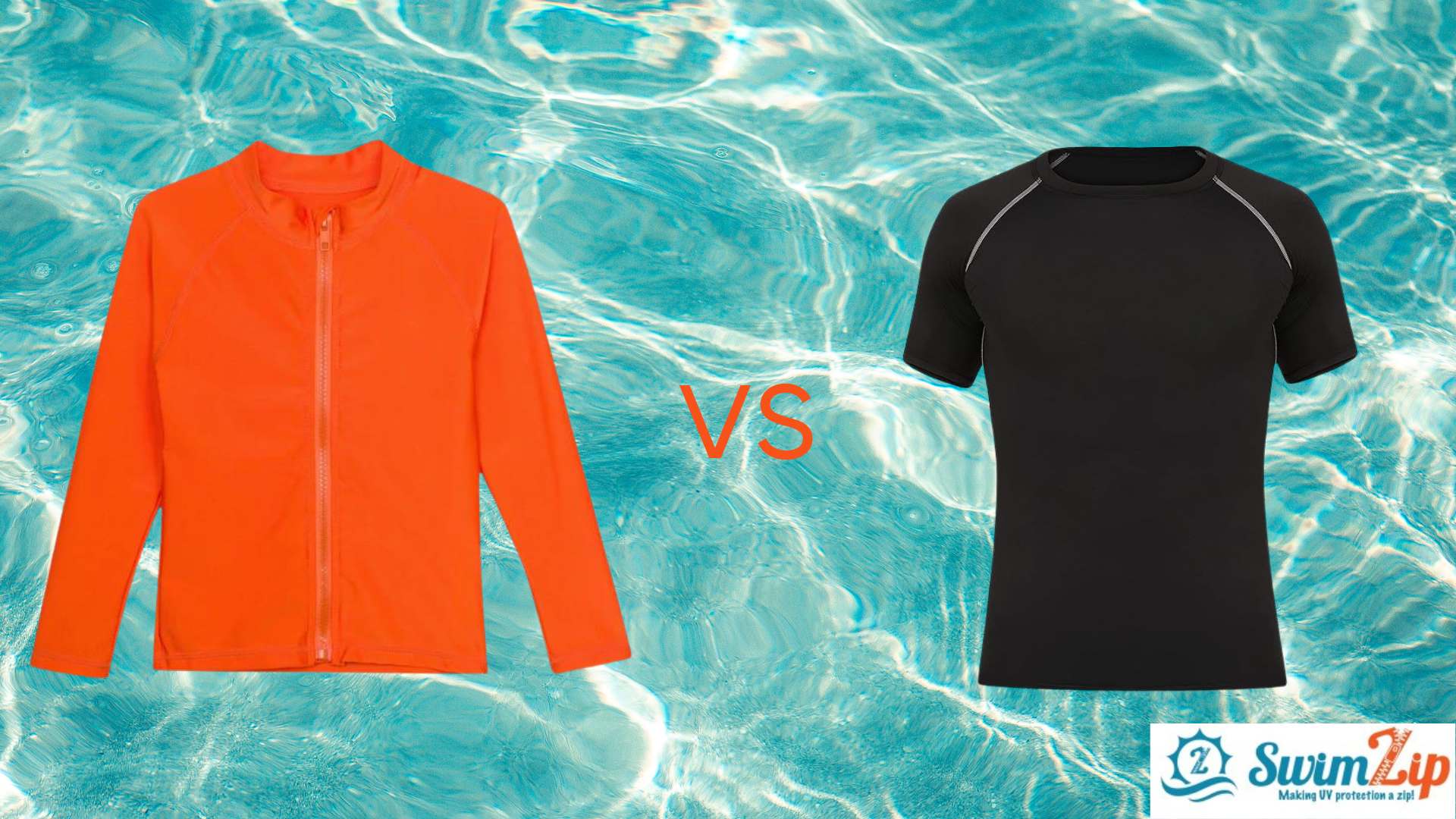
Rash vests come in many styles and cuts. Long sleeves offer more sun protection. Short sleeves give freedom of movement. Flatlock seams reduce chafing on the skin. Some vests have UV protection built into the fabric. A snug fit stops sand and saltwater from irritating your skin.
Credit: solidsurfhouse.com
Protection Benefits
Rash vests offer more than just style. They protect your skin in many ways. Understanding these benefits helps you choose the right gear for water activities.
These vests act like a shield, guarding your body from harmful elements. They are made to keep you safe and comfortable.
Uv Ray Defense
Rash vests block harmful UV rays from the sun. The fabric has a tight weave that stops sunlight from reaching your skin. This reduces the risk of sunburn and long-term skin damage. Wearing a rash vest means less need for sunscreen on covered areas.
Skin Abrasion Guard
The vest protects your skin from scrapes and cuts. Surfers, swimmers, and divers often face rough boards or sharp rocks. Rash vests create a smooth barrier between your skin and these surfaces. This helps prevent painful rashes and scratches.
Jellyfish And Insect Protection
Some rash vests protect against jellyfish stings and insect bites. The tight fabric stops small stingers and bugs from reaching your skin. This protection is important in warm waters and areas with many insects. It keeps you safe and comfortable during your adventure.
Comfort Factors
Comfort plays a big role in how well a rash vest works. It affects how long you can wear it and how much you enjoy your activity. A good rash vest feels light and soft on the skin. It should move with your body and keep you dry and cool.
Several comfort factors make rash vests popular for water sports and outdoor use. These include fit and flexibility, moisture management, and temperature regulation. Each factor helps keep you comfortable in different ways.
Fit And Flexibility
A proper fit stops the rash vest from riding up or feeling tight. It should hug your body without squeezing. Stretchy fabrics help the vest move as you move. This flexibility allows freedom during swimming, surfing, or other activities.
Moisture Management
Rash vests often use materials that wick sweat away from your skin. This keeps you dry and reduces irritation. Quick-drying fabrics help the vest dry fast after getting wet. This prevents the sticky feeling that can cause discomfort.
Temperature Regulation
Rash vests protect from the sun and keep you warm in cool water. They trap a thin layer of water that your body warms up. This layer acts like insulation to maintain your body heat. At the same time, breathable fabrics allow heat to escape, so you don’t overheat.
Choosing The Right Rash Vest
Choosing the right rash vest is important for comfort and protection. Different activities need different features. A good fit helps you move easily and prevents chafing. Fabric matters for drying speed and sun protection. Picking the right rash vest makes your outdoor time safer and more fun.
Activity-specific Options
Rash vests vary based on the activity you do. For surfing, choose a vest with extra stretch and durability. For swimming, look for lightweight and quick-drying fabric. Snorkeling vests often have more coverage to protect from jellyfish or coral. Pick a rash vest designed for your main water sport.
Size And Fit Tips
A rash vest should fit snugly but not too tight. It should move with your body without causing discomfort. Check size charts carefully before buying. Remember, wet fabric can feel tighter. Try a size that lets you stretch and bend freely. Avoid loose vests that can cause rubbing or catch water.
Fabric Considerations
Look for fabrics that dry fast and block UV rays. Nylon and polyester blends are common and comfortable. Some vests include spandex for extra stretch. Thicker fabric offers more protection but may feel warmer. Thin fabric dries faster and is lighter. Choose fabric based on your climate and water temperature.
Care And Maintenance
Rash vests need good care to last longer and keep their shape. Proper maintenance keeps the fabric strong and colors bright. It also protects the special materials that block the sun and resist water.
Simple steps can help you keep your rash vest fresh and ready. Cleaning, storing, and small fixes all add to its life. Follow easy care tips to enjoy your rash vest for many adventures.
Washing Guidelines
Rinse your rash vest with cold water after use. Use mild soap or detergent for cleaning. Avoid bleach or strong chemicals that harm fabric. Hand wash is best to keep the shape intact. If machine washing, use a gentle cycle and a laundry bag. Do not wring or twist the vest hard. Air dry in shade to avoid sun damage. Never use a dryer as heat breaks down fibers.
Storage Tips
Store your rash vest in a cool, dry place. Avoid leaving it in direct sunlight for long periods. Do not store it while wet or damp. Folding is better than hanging to avoid stretching. Keep it away from rough surfaces that cause snags. Use a breathable bag or container for storage. Regularly check for any signs of damage or wear.
Longevity Enhancements
Wear your rash vest only when needed to reduce wear. Avoid contact with sharp objects or rough boards. Rinse after swimming in saltwater or chlorinated pools. Repair small tears or loose threads quickly. Avoid using lotions or sprays that may stain fabric. Rotate between rash vests to reduce frequent use. Follow care instructions carefully to protect the material.
Credit: swimzip.com
Credit: calterdobrasil.com.br
Frequently Asked Questions
What Materials Are Rash Vests Made From?
Rash vests are usually made from nylon, polyester, or spandex. These materials provide stretch, durability, and quick-drying properties. They also offer UV protection and reduce skin irritation during water sports.
How Do Rash Vests Protect Your Skin?
Rash vests create a barrier between your skin and abrasive surfaces. They prevent rashes caused by friction, sunburn, and jellyfish stings. The fabric’s snug fit helps minimize direct contact with harmful elements.
Can Rash Vests Provide Uv Protection?
Yes, most rash vests have built-in UPF ratings. They block harmful UV rays, reducing the risk of sunburn. Wearing a rash vest outdoors offers additional sun protection compared to regular swimwear.
Are Rash Vests Suitable For All Water Sports?
Rash vests are versatile and ideal for surfing, snorkeling, swimming, and paddleboarding. Their lightweight and flexible design allow freedom of movement. They also provide warmth in cooler water conditions.
Conclusion
Rash vests protect your skin from sun and irritation. They fit tightly to stop chafing during activities. Made from stretchy, quick-dry fabric, they keep you comfortable. Many people wear them for swimming, surfing, or hiking. They also help avoid rashes from sand or saltwater.
Choosing the right rash vest improves your outdoor experience. Now, you know why rash vests work well. Try one and feel the difference yourself. Simple, useful, and easy to wear every day.
