

Gymnastics Clothes Ideas: Trendy Outfits for Every Athlete
Gymnastics Clothes Ideas
Choosing the right gymnastics clothes is more than just picking a leotard with a pretty pattern. Gymnastics is a sport that demands flexibility, safety, and confidence, so what you wear can truly affect your performance. Many athletes, parents, and coaches spend time searching for the best options, but often overlook important details that can make training and competitions smoother.
In this article, you’ll find practical, creative, and stylish gymnastics clothes ideas for every level, body type, and personal preference. Whether you’re a beginner just starting out or a competitive gymnast aiming for the podium, you’ll discover useful tips, smart combinations, and even mistakes to avoid when selecting your next outfit.
Understanding Gymnastics Clothing Needs
Gymnastics is not like other sports. It involves flips, splits, and fast body movements, so clothing must be both comfortable and safe. The right outfit should help, not hinder, your performance.
Fit is crucial. Too-tight clothes can restrict movement, while baggy options can catch on equipment. Material also matters. Cotton feels soft but can get heavy with sweat, while synthetic fabrics like Lycra and spandex are stretchy and quick to dry.
A common mistake is choosing clothes based only on looks. Bright colors and sparkles are fun, but they should not replace comfort and function. Smart gymnasts always check for features like flat seams (to prevent chafing), breathable panels, and secure closures.
Some athletes also forget about the importance of layers. Training gyms can be cold during warm-ups, so wearing layers that are easy to remove is a smart move. For competitions, rules may limit what you can wear, so always check the code of your gymnastics club or event.
Classic Leotard Choices
The leotard is the most popular and versatile gymnastics outfit. It offers a snug fit, allows full range of motion, and comes in a huge variety of designs.
Sleeveless Leotards
These are the traditional choice for both practice and competition. They keep gymnasts cool and are perfect for high-intensity routines. Sleeveless leotards often feature elastic leg holes and a simple neckline for comfort.
Long-sleeve Leotards
Long sleeves are common for competitions or colder gyms. They add a touch of elegance and can highlight arm movements. Some long-sleeve leotards use mesh fabric for ventilation, combining style and comfort.
High-neck Leotards
These offer more coverage and are favored by athletes who want extra support or a secure fit. High-neck styles often have a snap or zipper at the back, which some find more comfortable for tumbling.
Racerback Leotards
A racerback design gives more support for the shoulders and upper back. This style is less likely to slip during routines with lots of arm movement.
Two-piece Leotards
While not allowed in all competitions, two-piece leotards (a crop top with shorts or briefs) are growing in popularity for training. They allow for more air flow and can be more comfortable for long practice sessions.
Creative Gymnastics Outfit Ideas
Many gymnasts want to show their personality through their clothes. You can do this while still staying practical and safe.
Mix-and-match Separates
Some brands now offer leotard tops and shorts or leggings in matching or contrasting colors. This lets you create your own look. For example, wear a plain black top with bright pink shorts for a bold style.
Metallic And Holographic Fabrics
These fabrics reflect light and make movements stand out. Metallic leotards are popular for shows or special events, but they can feel hotter than standard materials. Always try them during practice first.
Patterned Leotards
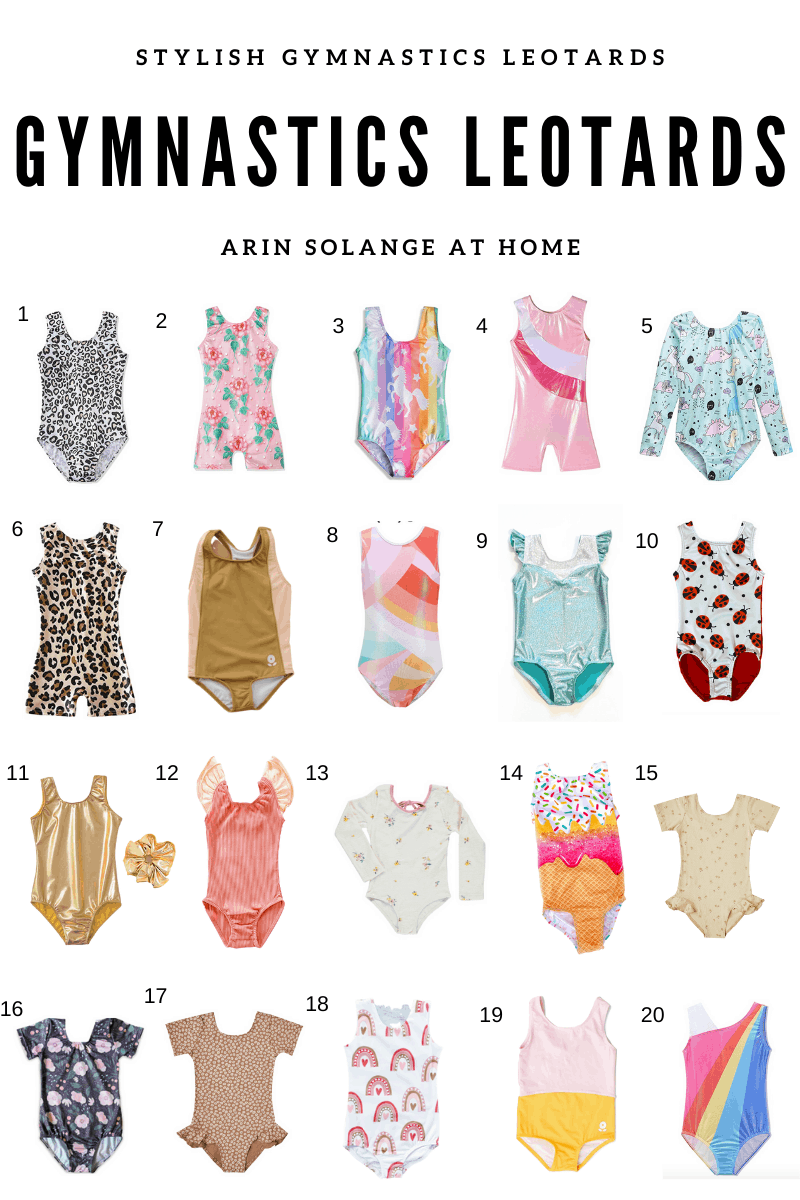
From animal prints to geometric shapes, patterns can highlight your personal taste. Some gymnasts choose patterns that reflect their favorite colors or bring them confidence before a big event.
Personalized Embroidery
Having your name or club logo embroidered on your leotard adds a professional touch. Some gyms require this for team events.
Cultural And Themed Leotards
During special occasions, some athletes wear leotards that feature national symbols, favorite cartoon characters, or holiday themes. Make sure these designs don’t break any competition rules.
Practical Layering For Gymnasts
Layering is not just about warmth. It helps with modesty, muscle preparation, and adjusting quickly between routines.
Gymnastics Shorts
Wearing gymnastics shorts over your leotard provides extra coverage, especially during floor routines. Choose shorts with a snug fit so they don’t ride up or distract you.
Leggings Or Capris
For warm-ups or cold gyms, leggings are a smart add-on. Many gymnasts wear capri-length leggings (ending mid-calf) to stay warm without covering their feet.
Fitted Jackets And Warm-up Suits
A zip-up jacket or a fitted tracksuit keeps muscles warm before practice and between events. Avoid baggy outerwear that could snag on equipment.
Wrap Skirts
Some rhythmic gymnasts wear a thin, wrap-around skirt over their leotard during practice. It adds a soft look and helps with body awareness in dance elements.
Gymnastics Clothes For Boys
Boys’ gymnastics clothing is different from girls’ and has its own set of practical needs.
Singlets
A singlet is a one-piece suit with shorts, used mostly in boys’ artistic gymnastics. It fits close to the body and stays in place during flips and tumbles.
Shorts And Competition Pants
For practice, boys often wear fitted shorts over their singlet. In competition, they switch to long pants (also called pommel pants) for certain apparatus like pommel horse or rings.
T-shirts And Tank Tops
During training, simple fitted t-shirts or tank tops are common. They should be long enough not to ride up but tight enough not to catch on equipment.
Support Underwear
Choosing the right underwear is important for comfort and safety. Boys should wear seamless or sport-specific briefs to avoid chafing.
Outfits For Rhythmic Gymnastics
Rhythmic gymnastics has its own clothing style, focusing on both beauty and movement.
Skirted Leotards
Rhythmic leotards often include a light, attached skirt. The fabric is usually sheer and does not restrict leg movement.
Mesh Sleeves And Panels
Sheer mesh is popular for adding elegance and keeping the outfit breathable. These details can be found on the arms, neckline, or back.
Sparkle And Applique
Rhythmic leotards often have hand-sewn sequins, rhinestones, or lace. These details must be securely attached to avoid falling off during routines.
Footless Tights
Many rhythmic gymnasts wear skin-tone footless tights for a smooth look and to cover minor skin marks or bruises.
Gymnastics Clothes For Toddlers And Young Kids
Young gymnasts have special needs. Their clothes should be easy to move in, simple to wash, and fun to wear.
Pull-on Leotards
Look for leotards with wide necks and no zippers or buttons. This makes it easy for kids to change by themselves.
Bright Colors And Prints
Kids love fun patterns—think unicorns, stars, or their favorite cartoon heroes. These outfits make gymnastics more enjoyable and help little ones feel excited about class.
Stretchy Shorts And Leggings
Shorts or leggings help with modesty and keep kids’ legs warm. Make sure the waistband is soft and not too tight.
One-piece Rompers
For very young children, one-piece rompers with snaps at the crotch can make bathroom breaks much easier.
Choosing The Right Fabric
The fabric you pick affects comfort, movement, and even safety.
Spandex And Lycra
These are the most popular materials for gymnastics. They are stretchy, hold their shape, and dry quickly.
Polyester Blends
Polyester mixed with spandex creates a strong, smooth fabric. It resists wrinkles and is easy to wash, but may feel hot in summer.
Cotton
Cotton is soft and breathable but does not stretch as much as synthetics. It also absorbs sweat, which can make it heavy and uncomfortable during long practices.
Mesh And Sheer Panels
Mesh panels are used for breathability and style. They should be placed in non-friction areas (not under arms or between legs) to avoid discomfort.
Velvet
Some leotards use velvet for a special look. While soft, velvet can be hotter and heavier than other fabrics.
Credit: www.etsy.com
Footwear And Accessories
Not all gymnasts go barefoot. The right accessories can help with grip, comfort, and style.
Gymnastics Shoes
Soft, flexible shoes protect the feet, especially during tumbling or on cold floors. Check that the soles have enough grip but are not too sticky.
Toe Socks And Pads
Rhythmic gymnasts sometimes wear special toe socks or pads. These protect the ball of the foot and help with turns.
Hair Accessories
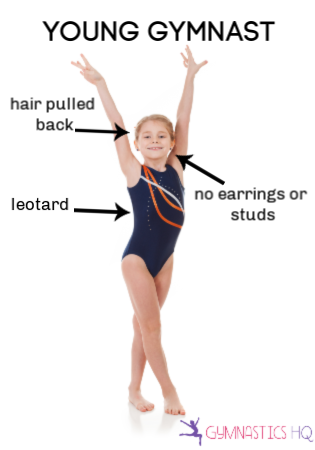
Hair should always be tied back. Use snag-free elastics, clips, or headbands. Avoid metal accessories that could cause injury.
Wristbands And Grips
For uneven bars or rings, some gymnasts wear leather grips to protect their hands and improve their hold.
Sweatbands
Sweatbands can help keep hands and face dry during long practices.
Sizing And Fit Guide
A good fit is more than just picking your usual size. Here’s how to check if your gymnastics clothes are right:
- Snug but not tight: Clothes should hug your body without pinching or leaving marks.
- No sagging: Fabric should not bunch up at the waist or under the arms.
- Full movement: Try splits, jumps, and stretches. The outfit should move with you.
- Secure closures: Zippers and snaps should stay closed and not poke the skin.
- Check after washing: Some fabrics shrink or lose shape after the first wash. Always try on again before a big event.
Trendy Gymnastics Clothes Ideas
Keeping up with trends can be fun, but always balance style with safety and comfort.
Ombre Colors
Leotards that fade from one color to another are popular now. They look modern and can make movements stand out.
Cut-out Designs
Some leotards have small cut-outs on the back or sides for extra style. Make sure they don’t affect support.
Eco-friendly Fabrics
Brands are now offering leotards made from recycled materials. These are good for the environment and often just as comfortable as standard options.
Gender-neutral Outfits
Some lines now offer clothes that work for any gender, with simple designs and a range of fits.
Custom-made Leotards
Ordering a leotard in your own colors, with your name or symbols, is easier than ever. This can boost confidence and team spirit.
How To Care For Gymnastics Clothes
Proper care keeps your clothes looking and feeling good.
- Wash after every use: Sweat can damage fabric and cause odors.
- Use gentle detergent: Avoid bleach or harsh chemicals.
- Cold water wash: Hot water can shrink or fade colors.
- Air dry: High heat from dryers can damage elastic fibers.
- Separate sparkly items: Rhinestones and sequins can snag on other clothes.
- Check for damage: Look for loose threads or worn spots before each use.
Credit: gymnasticshq.com
What To Avoid In Gymnastics Clothes
Beginners often make mistakes that can lead to discomfort or even injury.
- Loose clothing: Can catch on equipment and restrict movement.
- Thick seams: These can rub and cause sores during routines.
- Heavy fabrics: Make movement harder and can cause overheating.
- Jewelry: Rings, bracelets, and necklaces are not allowed and can be dangerous.
- Unapproved designs: Some competitions have strict rules about colors, logos, or patterns.
Budget-friendly Gymnastics Clothes Ideas
Looking great does not have to be expensive. Here are ways to save:
- Buy basics: Simple, single-color leotards are often cheaper and can be used for both practice and competitions.
- Shop off-season: Prices drop at the end of competition season.
- Swap with teammates: Organize a clothing swap to trade gently used items.
- DIY decorations: Add your own rhinestones or patches to a plain leotard.
- Check sales at specialty stores: Some online shops have clearance sections with deep discounts.
Comparison: Popular Leotard Styles
Choosing between leotard styles can be tough. Here’s a side-by-side look at some popular options:
| Style | Best For | Key Benefit | Common Drawback |
|---|---|---|---|
| Sleeveless | Everyday training, competitions | Cool and unrestricted movement | Less warmth in cold gyms |
| Long-Sleeve | Competitions, cold gyms | Elegant look, more coverage | Can be hotter |
| Two-Piece | Practice only | Easy to change, more airflow | Not allowed in all events |
| High-Neck | Support, secure fit | Stays in place | Harder to take off |
Comparison: Key Fabrics For Gymnastics Clothes
Fabric choice affects comfort and performance. Here’s a quick comparison:
| Fabric | Stretch | Breathability | Best Use |
|---|---|---|---|
| Spandex/Lycra | High | Good | Training, competition |
| Polyester Blend | Medium | Average | Practice, team leotards |
| Cotton | Low | Excellent | Warm-ups, toddlers |
| Velvet | Medium | Poor | Special events |
Gymnastics Clothes For Special Needs
Not all gymnasts have the same needs. Some require adaptive clothing for medical or comfort reasons.
- Sensory-friendly leotards: Made with super-soft seams and no tags, these are great for athletes sensitive to touch.
- Adaptive closures: Magnetic or Velcro closures help those with limited hand movement.
- Extra support areas: Some outfits offer reinforced panels for added chest or hip support.
These options may not be found in every store, but many brands offer custom orders. It’s important to ask about these features if you have specific needs.
How To Shop For Gymnastics Clothes Online
Buying online can save time and money, but there are risks if you don’t know what to look for.
- Check the size chart: Every brand is different. Compare your measurements to the site’s chart, not just the label.
- Read reviews: Look for feedback about fit, comfort, and quality.
- Look for return policy: Make sure you can return or exchange if the item doesn’t fit.
- Ask questions: If you’re unsure, contact customer service for details about fabric, stretch, or washing.
- Order early: Delivery can take time, especially for custom or international orders.
For more tips on safe online shopping, check out this trusted guide.
Credit: arinsolangeathome.com
Frequently Asked Questions
What Should I Wear Under A Leotard?
Most gymnasts wear seamless or nude-colored underwear under their leotard. Some prefer no underwear to avoid lines or bunching. For competitions, check if your event has rules about visible underwear.
How Many Leotards Does A Gymnast Need?
For regular training, having at least two or three leotards is best. This allows you to have a clean one ready if another is in the wash. Competitive gymnasts may need special leotards for events.
Can I Wear Leggings Instead Of Shorts For Gymnastics?
Yes, many gymnasts wear leggings for warm-ups or in cold gyms. For competitions, shorts or no extra layers are usually required, so always check the event’s dress code.
How Do I Keep Rhinestones Or Sequins From Falling Off My Leotard?
Wash sparkly leotards by hand in cold water and lay flat to dry. Avoid rubbing or twisting the fabric. Check before each use for loose decorations and fix them with fabric glue if needed.
Are There Clothing Options For Gymnasts With Sensitive Skin?
Yes. Look for sensory-friendly leotards with flat seams, no tags, and soft, stretchy fabric. Some brands offer special lines for sensitive skin or allergies.
Gymnastics clothing is about much more than style. The right choices can boost confidence, improve performance, and keep you safe. By paying attention to fit, fabric, and special needs, and by using smart shopping strategies, you’ll always be ready to shine—both in the gym and on the competition floor.
