

Gym Workout Sets: Maximize Results With Proven Set Routines
Getting started with the gym can feel like entering a world full of strange rituals, mysterious grunts, and at least three people who always seem to be flexing in the mirror. But underneath the noise and the sweat towels, there’s a science to getting stronger and fitter. One of the most important pieces? Gym workout sets. If you’ve ever wondered what “3 sets of 10” really means, or why some people seem to rest longer between exercises than it takes you to decide on a Netflix show, you’re in the right place.
Gym workout sets might sound simple. But as you’ll discover, there’s more to them than just lifting something heavy and putting it down (although, let’s be honest, that’s a big part of it). Whether you’re building muscle, burning fat, or just trying to avoid embarrassing yourself with the dumbbells, understanding sets can make a huge difference.
Let’s break down everything you need to know—without the confusing jargon, scary gym lingo, or unnecessary flexing.
What Is A Gym Workout Set?
A set is a group of consecutive repetitions (or reps) of an exercise. If you do 10 push-ups without stopping, that’s one set. Rest, then do another 10? Congratulations, that’s your second set. It’s like cookies—one batch, many cookies; one set, many reps. The number of sets and reps you do depends on your goals, your experience, and, sometimes, whether the equipment hog finally lets go of the bench press.
Why Sets Matter In Your Workout
Sets aren’t just for looking busy at the gym. They help you:
- Build muscle by repeating stress on your muscles
- Increase strength through progressive overload
- Improve endurance by training muscles to work longer
- Prevent injury by controlling how much work your body does
Think of sets as the rhythm of your workout. Too few, and you might not see results. Too many, and you may end up crawling out of the gym (not as impressive as it sounds).
Types Of Sets (and Why They Aren’t All The Same)
Sets are like ice cream flavors—there’s something for everyone, and some are a little weird. Here are the most common types:
1. Straight Sets
This is the classic. You do the same number of reps, with the same weight, for each set. For example: 3 sets of 10 squats at 50 kg. Simple, safe, and a great starting point.
2. Pyramid Sets
You start with lighter weights and more reps, then increase the weight and lower the reps with each set. It’s like climbing a mountain, but the only view at the top is more weights.
Example:
- Set 1: 15 reps at 40 kg
- Set 2: 12 reps at 50 kg
- Set 3: 8 reps at 60 kg
3. Reverse Pyramid Sets
Just like a pyramid, but upside down (don’t try this with real pyramids). Start heavy and low reps, then decrease the weight and increase the reps.
Example:
- Set 1: 8 reps at 60 kg
- Set 2: 12 reps at 50 kg
- Set 3: 15 reps at 40 kg
4. Drop Sets
You perform a set to failure (when you can’t do another rep), then immediately lower the weight and continue. It’s a bit like eating pizza: just when you think you can’t have any more, you sneak in another slice.
5. Supersets
Two exercises performed back-to-back, with no rest in between. Usually, they target different muscle groups (like biceps then triceps), or the same muscle for extra burn. It’s like a double feature at the movies, but with more sweating.
6. Giant Sets
Four or more exercises for the same muscle group, performed in a row with minimal rest. Not for the faint of heart, or those who enjoy using their arms the next day.
7. Cluster Sets
Each set is broken into “mini-sets” with short rests in between. For example, 4 reps, rest 10 seconds, 4 reps, rest 10 seconds, and so on. Great for building power and strength without total exhaustion.
8. Rest-pause Sets
Do as many reps as you can, rest briefly (10-20 seconds), then repeat until you reach your target total reps. It’s like playing hide and seek with your muscles—they rest, but not for long.
9. Circuit Sets
Move through several exercises in a sequence, with little or no rest between. Often used for cardio and fat loss. Bonus: you look super busy, so nobody will ask if you’re done with the weights.
10. Partial Sets
Instead of full reps, you do partial movements. For example, half-squats. Useful for targeting sticking points or showing off to your friends how “creative” your workout is.
How Many Sets Should You Do?
The answer depends on your goals, experience, and how much you enjoy not being able to walk after leg day. Here’s a simple breakdown:
| Goal | Sets per Exercise | Reps per Set | Rest Between Sets |
|---|---|---|---|
| Build Muscle (Hypertrophy) | 3-5 | 6-12 | 60-90 seconds |
| Increase Strength | 4-6 | 1-6 | 2-5 minutes |
| Muscle Endurance | 2-4 | 15-20+ | 30-60 seconds |
| General Fitness | 2-4 | 8-15 | 60 seconds |
Keep in mind, these are guidelines—not the Ten Commandments of Fitness. Your body may respond differently. Some people need more, others less. The key is to listen to your body (and occasionally, your gym buddy who yells “one more rep!”).
Choosing The Right Number Of Sets For You
Trying to decide how many sets you need? Ask yourself:
- What’s my goal? Strength, size, endurance, or just impressing your dog?
- How much time do I have? More sets mean more time in the gym (and possibly more awkward eye contact).
- How experienced am I? Beginners usually start with fewer sets.
- How’s my recovery? If you’re always sore, more sets might not be better.
For most beginners, 2-3 sets per exercise is a solid start. As you get stronger and your body adapts, you can increase the number of sets for more challenge. For advanced lifters, 4-6 sets is common, especially for big muscle groups like legs and back.
How To Structure Sets In Your Workout
A good gym workout doesn’t just throw sets and reps together like a salad (unless it’s a protein salad). Here’s how to organize your session:
- Warm Up: Do light cardio and dynamic stretches. Think of it as telling your muscles, “Get ready, it’s about to get real.”
- Compound Exercises First: Start with big movements (like squats or bench press) that use multiple muscle groups.
- Isolation Exercises: After the heavy stuff, move to exercises that target one muscle (like bicep curls).
- Order Sets Smartly: Place the hardest sets first, when you have the most energy. Nobody wants to deadlift after 100 burpees.
- Cool Down: Stretch and breathe. Thank your body for surviving.
Rest Between Sets: Not Just An Excuse To Check Your Phone
Rest is when your muscles recover so you can perform the next set with good form. The length of your rest depends on your goal:
- Strength: 2-5 minutes (enough time to wonder if you left the oven on)
- Muscle growth: 60-90 seconds
- Endurance: 30-60 seconds
It’s tempting to use rest time for social media, but remember, the goal is to keep your heart rate in the right zone, not break a new record for scrolling memes.
Common Mistakes With Gym Workout Sets
Even experienced gym-goers fall into some classic traps. Avoid these for better results:
- Using the Same Weight Forever: If you can do 20 reps easily, it’s time to increase the weight. Don’t let your muscles get bored.
- Skipping Rest: No rest means poor form and less progress. Unless you’re training for a speed-lifting championship (which isn’t a thing).
- Too Many Sets, Not Enough Recovery: More isn’t always better. Muscles need time to repair and grow.
- Ignoring Form: Chasing more sets or heavier weights with bad form is a fast track to injury—and to becoming a cautionary gym story.
- Copying Others: Your body is unique. Just because someone else does 10 sets of biceps curls doesn’t mean you should.
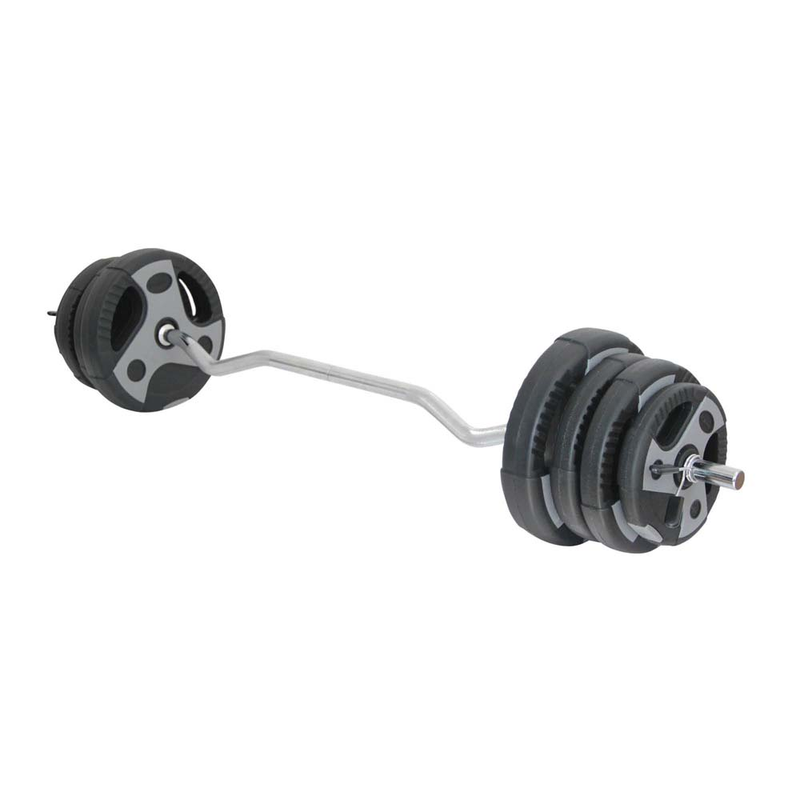
Credit: www.lifelinefitness.com
Advanced Set Techniques To Try (when You’re Ready)
Want to spice up your routine? Here are some methods that even seasoned lifters use:
Pre-exhaust Sets
Do an isolation exercise first (like leg extensions), then a compound move (like squats). Your main muscles are tired, so the supporting muscles work harder. It’s like eating dessert before dinner—unusual, but effective.
Post-exhaust Sets
Do the compound exercise first, then the isolation move. This lets you lift heavier on the main exercise.
Mechanical Drop Sets
Change the exercise slightly when you can’t do more reps. For example, switch from strict pull-ups to jumping pull-ups. It’s a sneaky way to keep working the muscle.
Tempo Sets
Slow down the speed of each rep (for example, take 4 seconds to lower the weight). This increases time under tension and makes even lightweight feel heavy. Warning: may cause dramatic facial expressions.
How Sets Relate To Reps (and Why Both Matter)
Sets and reps are the peanut butter and jelly of workouts. Reps (repetitions) are the number of times you perform an exercise in a set. Sets are how many times you repeat those reps. Both affect your results.
For muscle growth, research shows that total volume (sets x reps x weight) matters most. For example:
- 3 sets of 10 reps at 50 kg = 1,500 kg total volume
- 5 sets of 6 reps at 50 kg = also 1,500 kg total volume
Both routines produce the same total work, but the way you get there can change how your muscles respond.
Progressing Your Sets Over Time
If you do the same sets and reps forever, your muscles will get bored—and so will you. To make progress, increase:
- The number of sets (from 2 to 3, for example)
- The number of reps per set
- The weight you use
- The type of set (try supersets, drop sets, etc.)
Don’t change everything at once. Small, steady changes work best. And yes, tracking your progress (on paper or app) helps you remember if you actually did those extra sets, or just thought about them.
Sample Gym Workout Set Routines
Let’s put all this into action. Here are sample routines for three common goals:
1. Muscle Growth (hypertrophy)
- Bench Press: 4 sets x 8-10 reps
- Pull-Ups: 4 sets x 8 reps
- Shoulder Press: 3 sets x 10 reps
- Barbell Row: 3 sets x 10 reps
- Bicep Curls: 3 sets x 12 reps
- Triceps Pushdown: 3 sets x 12 reps
Rest 60-90 seconds between sets.
2. Strength Training
- Squat: 5 sets x 5 reps
- Deadlift: 4 sets x 4 reps
- Bench Press: 5 sets x 5 reps
- Overhead Press: 4 sets x 6 reps
Rest 2-3 minutes between sets.
3. Fat Loss & Endurance
- Circuit (Repeat 3x):
- Push-Ups: 15 reps
- Goblet Squats: 15 reps
- Dumbbell Rows: 12 reps per arm
- Plank: 30 seconds
- Mountain Climbers: 30 seconds
Rest 60 seconds between circuits.
Comparing Different Set Types
It’s easy to get confused by all the choices. Here’s a quick look at how popular set types compare:
| Set Type | Best For | Difficulty | Time Needed |
|---|---|---|---|
| Straight Sets | All Levels | Low | Short |
| Pyramid Sets | Muscle Growth | Medium | Medium |
| Supersets | Fat Loss, Endurance | High | Short |
| Drop Sets | Muscle Burnout | High | Short |
| Giant Sets | Advanced Lifters | Very High | Medium |
The Science Behind Gym Workout Sets
You might be thinking, “Do sets really matter, or is this just a clever way for trainers to sound smart? ” Science says sets make a big difference.
A large review showed that doing multiple sets (2 or more) leads to more muscle growth than just a single set per exercise. For strength, more sets generally mean more gains—up to a point. But after about 5-6 sets per muscle group in a session, the benefits slow down, and your risk of overtraining goes up.
One non-obvious insight: muscles grow during rest and recovery, not during the set itself. So the set is only half the equation—sleep, food, and not skipping rest days are just as important. Another common mistake: not varying your sets and reps over time. Your body adapts, so mix things up every few weeks.
For the nerds (and the curious), you can read more about this on the Weight Training Wikipedia page.
How To Track And Record Your Sets
Keeping track isn’t just for accountants. It helps you know what works, what doesn’t, and when it’s time to level up. Here are some ways to track:
- Notebook: Old school, but effective. Write down exercise, sets, reps, and weight.
- Apps: There are many free and paid apps to log your workouts.
- Photos: Some people snap a picture of the gym whiteboard or their own notes.
The key is consistency. If you can’t remember what you did last week, you’re probably not progressing as well as you could. (Plus, it’s fun to look back and say, “Wow, I used to think 10 kg was heavy!”)
Signs You Need To Change Your Sets
Your workout is supposed to challenge you, not punish you (unless that’s your thing). Here are signs you might need to adjust your sets:
- No progress: You’re not getting stronger or bigger
- Constant soreness: If you’re always sore, you might need fewer sets or more rest
- Boredom: If you dread your workout, try new set types or exercises
- Injuries: Persistent aches mean it’s time to change something
Remember, more sets isn’t always the answer. Sometimes, smarter sets are.

Credit: www.woolyyarn.com
Gym Sets For Different Fitness Levels
Not everyone is training for the Olympics (unless you are, in which case, why are you reading this?). Here’s how to approach sets based on your experience:
Beginners
- Start with 2-3 sets per exercise
- Focus on form, not weight
- Rest as needed
Intermediate
- Use 3-4 sets per exercise
- Try supersets or pyramid sets for variety
- Track your progress
Advanced
- 4-6 sets per exercise for big lifts
- Mix advanced techniques (drop sets, giant sets)
- Pay close attention to recovery
Practical Tips For Making The Most Of Your Sets
- Warm up properly: Cold muscles are like cold spaghetti—easy to break.
- Use good form: Quality over quantity.
- Don’t rush your sets: Faster isn’t always better.
- Increase weight slowly: 2.5 kg jumps are safer than 10 kg leaps.
- Stay hydrated: Water helps your muscles recover.
- Don’t be afraid to ask for help: Spotters are there for a reason (and sometimes for good stories).
Why You Shouldn’t Obsess Over Perfect Sets
It’s easy to get lost in details: “Should I do 4 sets of 8 or 3 sets of 10?” In reality, both can work. The best set routine is the one you can stick with, enjoy, and recover from. Consistency beats perfection—unless you’re competing in a flexing contest, in which case, perfect your pose too.
Frequently Asked Questions
How Many Sets Should A Beginner Do?
For most beginners, 2-3 sets per exercise is enough. Focus on learning the correct form and building a habit. You can add more sets as you get comfortable.
Can I Build Muscle With Only One Set Per Exercise?
While one set can bring some results (especially for beginners), research shows that multiple sets are better for building muscle and strength over time.
What Is The Difference Between A Set And A Rep?
A rep (repetition) is one complete motion of an exercise (like one push-up). A set is a group of reps performed without stopping. For example, 10 push-ups in a row is one set of 10 reps.
Should I Rest Between Every Set?
Yes, resting between sets helps your muscles recover so you can perform the next set well. The length of rest depends on your goal: more rest for strength, less for endurance.
Is It Better To Do More Sets Or More Reps?
It depends on your goal. More sets with heavier weight build strength and muscle size. More reps with lighter weight build endurance. Both can be effective, but mixing them up gives the best results over time.
Ready to make your gym sets work for you? Remember: it’s not about how many sets you do, but how well you do them. Stay consistent, listen to your body, and don’t forget to laugh—even if it’s just at your own “gym face” in the mirror.
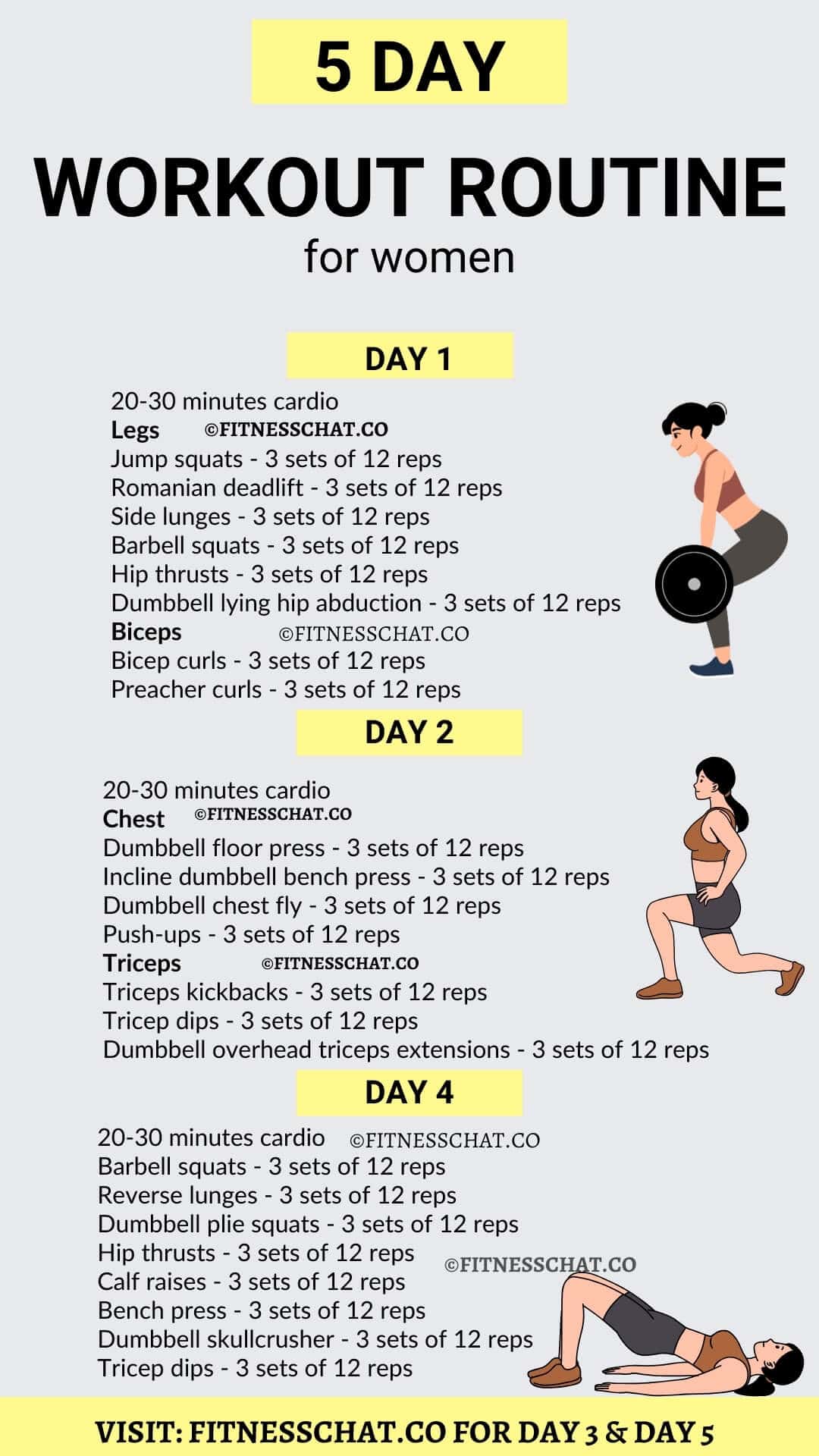
Credit: www.ctcd.edu
