

Gym Wear Ideas: Trendy Outfits to Boost Your Workout Style
Gym Wear Ideas
Choosing the right gym wear can change your entire workout experience. If you have ever felt uncomfortable or distracted by your clothes while exercising, you are not alone. The right gym outfit is not just about looking good—it helps you move freely, stay cool, and feel confident.
Many people make the mistake of wearing old t-shirts or heavy cotton clothes to the gym, but these choices can make you sweat more and limit your movement. With so many options in stores and online, picking the best gym wear can feel confusing.
Let’s explore practical gym wear ideas for men and women, learn how to choose pieces that fit your body and workout style, and discover clever tips that even regular gym-goers sometimes miss. Whether you’re into weightlifting, yoga, running, or group classes, this guide will help you build a gym wardrobe that works for you, not against you.
Why Gym Wear Matters
The clothes you wear in the gym do more than cover your body. They impact your comfort, performance, and even your motivation. Proper gym wear is made from moisture-wicking materials that pull sweat away from your skin, keeping you dry and less likely to develop skin irritation. These clothes are designed to stretch with your movements, so you won’t feel restricted.
Many beginners overlook the mental side of wearing workout clothes. When you put on well-fitting, stylish gym wear, you often feel more motivated to exercise. This is sometimes called “enclothed cognition”—the idea that your clothing can change how you feel and act. Wearing dedicated gym clothes also helps your brain switch into workout mode, making it easier to focus on your goals.
Another non-obvious benefit: specialized gym wear can reduce the risk of injury. For example, compression leggings support your muscles during heavy lifts, and the right shoes protect your feet and joints.
Essential Gym Wear For Men
Men’s gym wear has evolved far beyond basic shorts and tank tops. Today, there are many options to suit different body types, workouts, and personal styles. Here’s a breakdown of the essentials every man should consider:
1. Performance T-shirts
Look for t-shirts made from polyester blends or other moisture-wicking fabrics. These shirts dry quickly and help regulate your body temperature. Avoid heavy cotton shirts—they hold sweat and can cause chafing.
Many brands offer t-shirts with mesh panels for extra ventilation. If you sweat a lot, consider shirts with anti-odor technology. Fit is also important: the shirt should be snug but not tight, allowing a full range of motion.
2. Training Shorts
Gym shorts should be lightweight, with an elastic waistband and a length that falls above the knee. Some shorts come with built-in compression liners for extra support. If you do a lot of cardio or HIIT, choose shorts with side slits for better movement.
Pockets are useful for carrying keys or cards, but make sure they are zippered so nothing falls out during a workout.
3. Compression Leggings
Many men wear compression leggings alone or under shorts. These help improve blood flow, reduce muscle fatigue, and keep your legs warm. They are also great for running or leg days at the gym.
Choose leggings with flat seams to avoid irritation, and make sure they are not see-through when stretched.
4. Tank Tops And Sleeveless Shirts
Tank tops are popular for upper body workouts because they allow maximum arm movement and show your progress. Look for options with a racerback design and moisture-wicking fabric.
Tip: If you feel self-conscious, wear a tank top under a light hoodie at first, then remove the hoodie once you’re comfortable.
5. Hoodies And Sweatshirts
A lightweight hoodie is perfect for warming up or cooling down. Many hoodies have thumb holes to keep sleeves in place and zippered pockets for your phone. Choose styles that are easy to remove if you get too hot during your workout.
6. Gym Shoes
Your shoes should match your main activity. For weightlifting, flat-soled shoes like converse-style trainers give you stability. For running or classes, choose cushioned cross-trainers that protect your feet and joints.
Don’t wear old, worn-out sneakers—they can cause pain and injuries.
7. Gym Socks
Look for socks made from synthetic blends that wick moisture away. Low-cut or ankle socks are popular, but crew socks offer more protection during deadlifts or rope work.
8. Accessories
Men can benefit from a few simple accessories:
- Wrist wraps for extra wrist support during heavy lifts
- Weightlifting gloves to prevent calluses
- Headbands to keep sweat out of your eyes
Don’t over-accessorize; keep it simple and functional.

Credit: lifewithjazz.com
Essential Gym Wear For Women
Women’s gym wear offers even more variety, from high-waisted leggings to supportive sports bras. The right choices support your body, boost your confidence, and keep you comfortable through any activity.
1. Sports Bras
A good sports bra is the most important piece for women. Choose one based on your activity level:
- Low impact: Yoga, pilates
- Medium impact: Cycling, weight training
- High impact: Running, HIIT
Look for adjustable straps and a snug band. If you have a larger bust, consider bras with molded cups for extra support.
2. Leggings And Tights
Leggings should be high-waisted for better coverage and support. Choose squat-proof styles that don’t become see-through when stretched. Compression leggings help with muscle recovery and reduce soreness.
Avoid cotton leggings—they absorb sweat and can show stains. Instead, pick blends with nylon, polyester, or spandex.
3. Workout Tops
Women’s tops come in many styles:
- Loose tank tops: Good for layering over sports bras
- Fitted t-shirts: Offer more coverage without getting in the way
- Crop tops: Ideal for hot gyms or those who want less coverage
Choose tops with mesh inserts or open backs for extra ventilation.
4. Shorts
Bike shorts and running shorts are both popular. Bike shorts offer more coverage and prevent chafing, while running shorts are lighter and cooler. Some women layer shorts over leggings for extra modesty.
5. Hoodies And Jackets
A zip-up jacket or lightweight hoodie is useful for warming up or outdoor workouts. Some jackets have hidden pockets for your phone or keys.
6. Footwear
Women’s gym shoes should match the activity. For running, choose shoes with good arch support and cushioning. For weightlifting, flat-soled trainers offer better stability.
Make sure your shoes fit well—don’t squeeze your toes or leave too much room.
7. Socks
Look for seamless, moisture-wicking socks to avoid blisters. No-show socks are popular, but crew socks can protect your legs during certain exercises.
8. Accessories
- Headbands or hair ties to keep hair in place
- Gym gloves for lifting
- Fitness trackers or smartwatches to monitor progress
Gym Wear Ideas For Different Body Types
Everyone’s body is unique, and gym wear should help you feel comfortable, not self-conscious. Here’s how to pick gym clothes for different body types:
For Curvier Bodies
- High-waisted leggings give better tummy control and prevent rolling down.
- Look for tops with side ruching or a slightly loose fit to skim the waist.
- Avoid thin, see-through materials; choose thicker, supportive fabrics.
For Slim Or Petite Bodies
- Fitted tops and leggings help create shape.
- Cropped jackets or short tank tops highlight the waist.
- Avoid oversized clothes—they can make you look smaller than you are.
For Athletic Builds
- Racerback tanks and fitted t-shirts show off your shoulders and arms.
- Compression shorts or leggings support muscles and highlight your shape.
- Color blocking or patterns can add interest and balance your look.
Gym Wear Ideas For Different Workouts
Not all workouts need the same clothes. Matching your gym wear to your activity helps you perform better and stay comfortable.
Weightlifting
- Compression leggings or shorts for leg support
- Fitted tank tops or tees to see your form
- Flat-soled shoes for stability
- Wrist wraps and lifting gloves for heavy lifts
Cardio (running, Hiit, Cycling)
- Lightweight, moisture-wicking shirts and shorts
- Cushioned, supportive running shoes
- Sweatbands or headbands to keep sweat away
- No-chafe socks
Yoga And Pilates
- Stretchy, soft leggings or capri pants
- Fitted tank tops or crop tops that stay in place
- Barefoot or yoga socks with grips
- Light, layered tops for warmth in cool studios
Group Fitness Classes
- Bright, fun colors to boost energy
- Supportive sports bra for jumping or dancing
- Breathable fabrics for sweaty sessions
- Shoes with good traction for fast movements
Outdoor Training
- Layered clothing for changing weather
- UV-protective tops or hats for sun
- Windbreakers or rain jackets for bad weather
- Reflective details for early morning or night workouts
Trendy Gym Wear Ideas
Gym fashion is always changing. Here are some current trends that balance style and function:
- Matching sets: Top and leggings in the same color or pattern
- Seamless leggings: No seams for extra comfort and a smooth look
- Bold prints: Animal prints, camo, or bright colors stand out
- Cropped hoodies: Shorter length for layering and style
- Mesh panels: Add ventilation and a modern edge
- Sustainable fabrics: Recycled polyester or organic cotton for eco-friendly choices
Trends are fun, but make sure your clothes work for your body and workouts first.
Credit: www.shopltk.com
What To Avoid When Choosing Gym Wear
Even experienced gym-goers sometimes make mistakes with their clothes. Here are common pitfalls to avoid:
- Cotton clothes: They absorb sweat and stay wet, causing discomfort.
- Loose pants or shorts: These can catch on equipment or ride up during squats.
- See-through leggings: Always check leggings in bright light before wearing them to the gym.
- Old shoes: Worn-out shoes lose support and increase injury risk.
- Jewelry: Rings, necklaces, and big earrings can get caught or cause injury.
Two non-obvious tips: Don’t rely only on “XS, S, M, L” size labels—brands size differently, so always try on or check the fit guide. Also, wash your gym wear in cold water and skip fabric softener. Fabric softener blocks the moisture-wicking ability of technical fabrics.
How To Build A Gym Wardrobe
You don’t need a closet full of expensive clothes to start working out. Here’s how to build a practical gym wardrobe step by step:
- Start with basics: Two to three tops, two pairs of bottoms, one sports bra (for women), and one pair of good shoes.
- Add layers: One hoodie or jacket for warmth.
- Choose accessories: Headband, socks, and a small gym bag.
- Buy for your main activity: If you mostly run, invest in good shoes. If you lift weights, get wrist wraps or gloves.
- Mix and match: Choose colors and styles that work together so you can create different outfits from a few pieces.
Here’s a comparison of what a basic and a complete gym wardrobe might include:
| Item | Basic Wardrobe | Complete Wardrobe |
|---|---|---|
| Tops | 2-3 | 5-7 |
| Bottoms | 2 | 4-6 |
| Sports Bras (women) | 1 | 3 |
| Shoes | 1 pair | 2-3 pairs (for different activities) |
| Jackets/Hoodies | 1 | 2-3 |
| Accessories | Basic | Variety (headbands, wraps, gloves) |
Gym Wear Ideas For Different Seasons
Your gym wear should change with the weather, especially if you work out outdoors. Here’s how to adjust your outfits:
Warm Weather
- Choose light colors that reflect sunlight.
- Wear sleeveless tops and shorts.
- Pick fabrics with UV protection if you exercise outside.
- Use sweat-wicking headbands and light socks.
Cold Weather
- Layer clothes: Start with a base layer, add a long-sleeve top, and finish with a jacket.
- Wear leggings or thermal tights under shorts.
- Use gloves and a beanie to keep hands and head warm.
- Pick shoes with extra grip for icy conditions.
Rainy Or Windy Weather
- A waterproof, breathable jacket is essential.
- Quick-dry leggings or pants keep you comfortable.
- Wear reflective strips or colors for safety if it’s dark.
Here’s a simple table to help you choose gym wear by season:
| Season | Tops | Bottoms | Accessories |
|---|---|---|---|
| Spring/Summer | Tank tops, short sleeves | Shorts, light leggings | Hat, sunglasses, sweatbands |
| Fall/Winter | Long sleeves, jackets | Leggings, joggers | Gloves, beanie, layers |
| Rainy/Windy | Waterproof jacket | Quick-dry leggings | Reflective gear |
How To Care For Your Gym Wear
To keep your gym clothes in top shape, follow these care tips:
- Wash after every use, especially sports bras and socks.
- Use cold water and mild detergent to protect technical fabrics.
- Avoid fabric softener—it blocks sweat-wicking ability.
- Air dry instead of using a dryer to prevent shrinking.
- Turn clothes inside out to protect prints and colors.
A non-obvious tip: If your gym wear develops a smell, soak it in a mix of water and white vinegar before washing. This removes bacteria that cause odor.
Sustainable And Eco-friendly Gym Wear Ideas
More people are choosing eco-friendly gym wear. These clothes are made from recycled materials, organic cotton, or bamboo. They use less water and fewer chemicals in production.
- Recycled polyester comes from old plastic bottles.
- Bamboo fabric is soft, breathable, and naturally antibacterial.
- Organic cotton uses fewer pesticides than regular cotton.
Buying eco-friendly gym wear helps the environment and often lasts longer.
Brands are now more open about their supply chains. Look for certifications like OEKO-TEX or Global Organic Textile Standard (GOTS) when shopping.
For more on sustainable gym wear, check out this guide on Healthline.
Mixing Style And Function
Some people worry that gym wear is only about function, not style. In reality, you can have both. Here’s how:
- Choose one statement piece (like bright leggings) and keep the rest simple.
- Mix textures, like a mesh top with smooth leggings.
- Add a pop of color with your shoes or headband.
- Use layering to create new looks with the same basics.
Confidence comes from feeling good in your clothes, not just following trends.
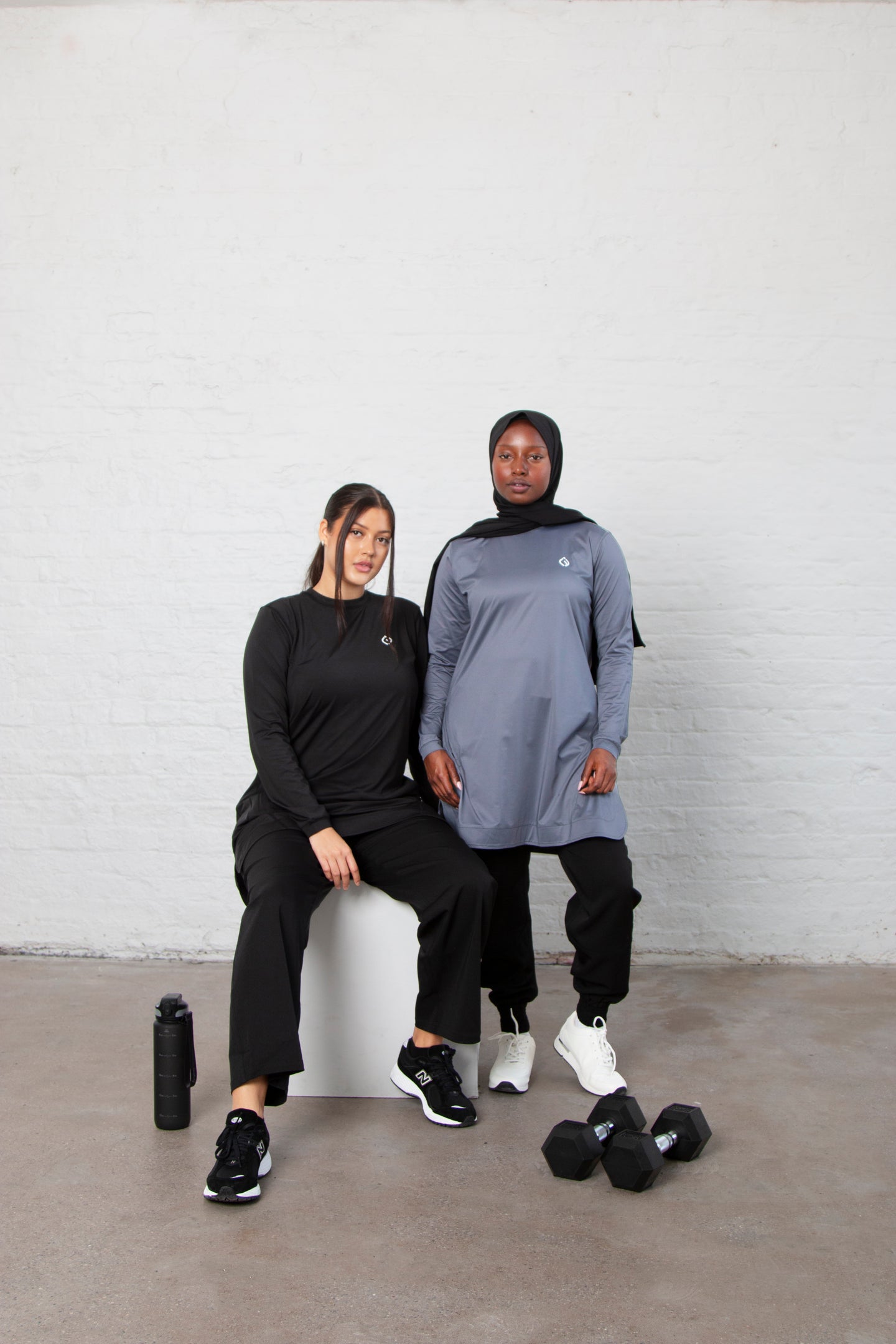
Credit: everestkitchennc.com
Common Mistakes And How To Avoid Them
- Ignoring fabric labels: Always check for moisture-wicking and stretch.
- Not testing fit: Do a few squats or arm raises in the changing room.
- Buying only for looks: Prioritize comfort and movement first.
- Keeping old, stretched-out clothes: Replace worn pieces regularly.
- Wearing clothes straight from the package: Wash first to remove chemicals and soften fabric.
Frequently Asked Questions
What Is The Best Fabric For Gym Wear?
The best fabric is moisture-wicking synthetic blends like polyester or nylon. These materials pull sweat away from your skin and dry quickly. Avoid 100% cotton for intense workouts, as it holds moisture and can cause chafing.
How Many Sets Of Gym Clothes Do I Really Need?
If you work out 3-4 times a week, start with two to three tops and bottoms. This gives you enough to rotate between washes. Add more as you find your favorite styles and workouts.
Can I Wear Regular Clothes For The Gym?
You can, but regular clothes are not designed for intense movement or sweat. Gym-specific wear is safer, more comfortable, and lasts longer. If you’re just starting, you can use what you have, but invest in proper gym wear as soon as possible.
What Should I Wear For A Gym Session If I’m Self-conscious?
Start with dark colors and looser fits if you feel shy. Layer a light jacket or hoodie over your clothes. As you get more comfortable, you can try new styles and brighter colors.
How Do I Know If My Gym Shoes Need To Be Replaced?
Replace your gym shoes every 300-500 miles or when you notice less support, pain, or worn-out soles. Worn shoes increase your risk of injury, so check them often.
Feeling confident and comfortable in your gym wear is one of the best ways to stay motivated. With the right choices, your clothes will support you every step, squat, and sprint—helping you focus on your goals, not your outfit.
