

Gym Outfit Ideas Men: Top Styles to Elevate Your Workout Look
Looking good at the gym is more than just vanity. The right outfit can boost your confidence, help you move better, and even improve your workout results. Many men feel confused about what to wear for different types of training.
Should you go for something basic, or is it worth investing in performance gear? With so many styles, fabrics, and fits to choose from, finding your ideal gym outfit can feel overwhelming. This guide will break down the best gym outfit ideas for men, explain why each piece matters, and help you build a wardrobe that supports your fitness journey.
Whether you're a seasoned lifter, a beginner, or someone who loves group classes, you'll find inspiration and practical tips to elevate both your look and your performance.
Why Your Gym Outfit Matters
Wearing the right gym clothes is not just about looking stylish. The right gym outfit can directly affect your comfort, movement, and even motivation. Good clothing can wick away sweat, reduce irritation, and allow for a full range of motion. In fact, a study found that people who liked their workout gear were more likely to exercise regularly. When you feel good in your clothes, you push harder and enjoy your time at the gym more.
Many men underestimate the value of proper gym wear. Old cotton t-shirts and baggy shorts may seem fine, but they can trap sweat, cause chafing, and limit your movement. Technical fabrics and thoughtful designs make a big difference. Investing in the right outfit is an investment in your own fitness success.
Essential Elements Of A Great Gym Outfit
Let’s break down the key parts of a gym outfit for men and why each one matters.
1. Performance T-shirts
A performance t-shirt is the backbone of most gym outfits. Unlike regular cotton shirts, these use synthetic fabrics such as polyester or blends that wick away sweat and dry fast. This keeps you comfortable and helps prevent irritation or rashes.
Look for:
- Lightweight, breathable material
- Moisture-wicking technology
- Flat seams to avoid chafing
- Slight stretch for better movement
Some brands also add anti-odor treatments, which can help if you sweat a lot. Avoid 100% cotton, as it gets heavy and wet quickly.
2. Training Shorts
Training shorts are another must-have. The best shorts allow your legs to move freely and keep you cool. Length is a personal choice, but most men prefer shorts that end above the knee for better mobility.
Key features:
- Stretch fabric for squats and lunges
- Mesh panels for airflow
- Secure pockets (zip or deep)
- Moisture-wicking lining
Avoid shorts that are too baggy, as they can get caught on equipment or restrict movement. Compression liners can add support and reduce chafing.
3. Tank Tops
Tank tops are perfect for hot gyms or high-intensity workouts. They offer maximum ventilation and show off your arms and shoulders.
Choose tanks made from performance fabrics. The fit should be snug but not tight, so you can move easily without feeling restricted.
4. Compression Gear
Wearing compression shirts, leggings, or shorts under your main outfit can help muscle support and blood flow. Many athletes find that compression wear reduces soreness after intense sessions.
Compression gear is best for:
- Weightlifting
- Running
- HIIT (high-intensity interval training)
Look for flat-lock seams and good quality fabric that doesn’t feel too tight or restrict your movement.
5. Hoodies And Sweatshirts
A lightweight hoodie or sweatshirt is handy for warming up, cooling down, or outdoor workouts. Choose one that is breathable and easy to take off once you’re warmed up.
Features to look for:
- Stretchy cuffs and waistband
- Moisture-wicking fabric
- Zippered pockets for keys or phone
Avoid heavy cotton hoodies, as they trap sweat and heat.
6. Joggers And Sweatpants
If you prefer more coverage or are training outdoors, joggers are a great choice. Modern joggers are slim-fit with a bit of stretch, making them stylish and practical.
Good joggers:
- Tapered legs (not baggy)
- Breathable, stretchy fabric
- Adjustable waistband
Avoid old-style sweatpants that are too loose or heavy.
7. Gym Shoes
Your choice of gym shoes can make or break your workout. The right shoe depends on your activity.
- For running: Choose lightweight, cushioned shoes
- For weightlifting: Go for flat-soled or minimal shoes for stability
- For classes or HIIT: Cross-trainers offer both support and flexibility
Key tip: Never use worn-out shoes, as they increase the risk of injury. Try on different types and walk around before buying.
8. Socks
It’s easy to ignore socks, but athletic socks protect your feet from blisters and keep them dry.
- Look for sweat-wicking fabric
- Choose the right length (ankle, crew, or no-show)
- Some have extra cushioning or arch support
Never wear regular dress socks for training.
9. Underwear
Moisture-wicking underwear can prevent chafing and discomfort, especially during intense workouts. Boxer briefs are popular for their support and fit.
Look for:
- Breathable, quick-dry fabric
- Flat seams
- Snug but not tight fit
10. Accessories
Some accessories can make your gym experience better:
- Headbands to keep sweat out of your eyes
- Gym gloves for lifting weights
- Fitness trackers for monitoring progress
- Arm sleeves for extra support or warmth
Gym Outfit Ideas For Different Workouts
Each workout style has unique needs. Here are gym outfit ideas that suit different types of training.
Strength Training
For lifting weights, you need clothes that allow movement and provide support.
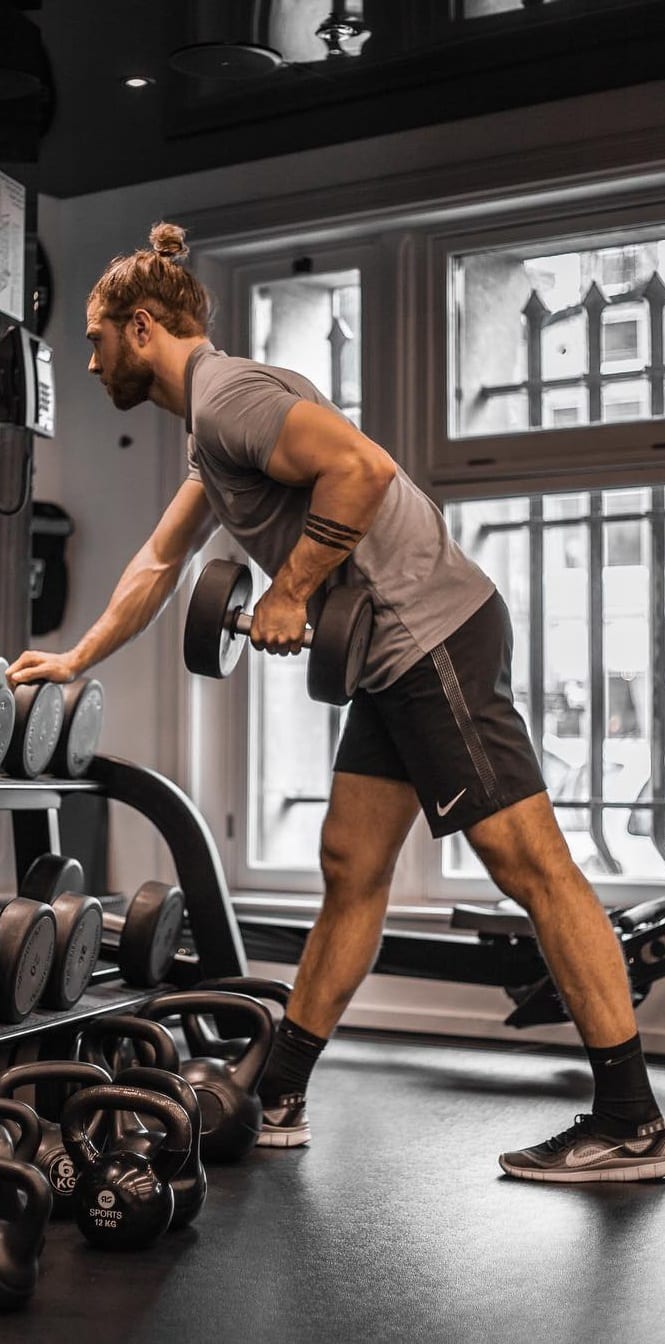
- Fitted performance t-shirt
- Compression shorts or boxer briefs
- 7-inch training shorts
- Flat-soled shoes (for squats and deadlifts)
- Optional: Wrist wraps or lifting gloves
Tip: Avoid loose shorts or oversized tops, as they can get caught on equipment.
Cardio Workouts
Running, cycling, or HIIT sessions require lightweight, sweat-wicking clothes.
- Tank top or light tee
- Breathable running shorts
- Moisture-wicking socks
- Cushioned running or cross-training shoes
- Sweat-resistant headband
Tip: Choose bright colors or reflective details if you’re training outdoors.
Group Fitness Classes
Classes like spinning, boxing, or CrossFit need versatile outfits.
- Stretchy performance tee
- 2-in-1 shorts (with built-in compression liner)
- Flexible cross-training shoes
- Moisture-wicking socks
Tip: Bring a lightweight hoodie for before and after class.
Yoga And Stretching
Yoga needs clothes that move with you and stay in place.
- Fitted tank or tee
- Stretchy joggers or yoga pants (not too loose)
- Grippy socks or barefoot
- Optional: Light hoodie for warm-up
Tip: Avoid clothes with zippers or buttons that can dig in during poses.
Outdoor Training
Training outside means you need to adapt to the weather.
- Layered tops (base layer + hoodie)
- Weather-resistant joggers or shorts
- Hat or beanie
- Sunglasses (for sunny days)
- Water-resistant shoes
Tip: Choose clothes with UV protection and zip pockets for valuables.
Mixing Style And Function: Outfit Inspiration
It’s possible to look stylish without losing function. Here are some complete outfit ideas for different tastes and goals.
Classic Minimalist
For men who prefer simple, clean lines:
- Black or grey fitted tee
- Black performance shorts
- White athletic socks
- Black training shoes
This look works for almost any workout. It’s easy to mix and match.
Sporty And Bold
For those who like to stand out:
- Bright colored tank top (like red or neon green)
- Contrasting shorts (navy or white)
- Colorful sneakers
- Matching headband
Bold colors can boost your mood and make you more visible if you run outdoors.
Streetwear-inspired
Bring urban style to the gym:
- Oversized performance tee
- Slim-fit joggers with ankle cuffs
- Chunky trainers
- Snapback cap
This look is popular among younger gym-goers and works well for casual or weight training sessions.
Athleisure Vibes
For those who want to go from the gym to coffee shop:
- Fitted long sleeve tee
- Tailored joggers
- Slip-on trainers
- Lightweight bomber jacket
Athleisure is both comfortable and fashionable, making it easy to wear outside the gym.
Technical Performance
For men focused on high-performance gear:
- Compression top
- 2-in-1 shorts
- High-tech running shoes
- Sweat-resistant socks
- Fitness tracker
This look prioritizes function and is perfect for intense athletes or runners.
How To Choose The Right Gym Outfit For Your Body Type
Feeling good in your gym wear is about more than style—it’s about fit. Here’s how to pick outfits that flatter your shape and help you move confidently.
Lean Builds
If you have a slim build, avoid baggy clothes that can make you look smaller. Fitted tees and shorts with some structure add shape without being tight. Layering a lightweight hoodie or zip-up can also add balance.
Muscular Builds
Show off your hard work with stretch fabrics that hug your frame but don’t squeeze. Tanks and compression tees are great, but avoid overly tight or thin fabrics that can look unflattering. Choose shorts that fit well around the thighs and don’t ride up.
Bigger Builds
If you’re carrying more weight, choose clothes with a relaxed but not oversized fit. Darker colors and subtle patterns can be slimming. Avoid clingy compression tops as outer layers, but use them as base layers if desired. Look for shorts or joggers with adjustable waistbands for extra comfort.
Comparing Popular Gym Clothing Fabrics
Choosing the right fabric is key to comfort and performance. Here’s a comparison of common gym clothing materials:
| Fabric | Pros | Cons | Best Use |
|---|---|---|---|
| Polyester | Lightweight, dries fast, durable | Can retain odor | All workouts |
| Nylon | Soft, stretchy, moisture-wicking | Less breathable than others | Running, HIIT |
| Cotton blends | Soft, comfortable | Holds moisture, slow drying | Light activity, cool-down |
| Spandex (Elastane) | Very stretchy, supports muscles | Not breathable alone | Compression wear, leggings |
| Merino wool | Odor-resistant, regulates temperature | Expensive, can be delicate | Outdoor, cold weather |
Most Common Mistakes Men Make With Gym Outfits
Even experienced gym-goers can make simple errors with their outfits. Here are some pitfalls to avoid:
- Wearing old, worn-out clothes — Baggy, faded, or stretched clothes not only look bad but can also reduce performance and cause discomfort.
- Ignoring fabric choice — Cotton may feel soft at first, but it absorbs sweat and gets heavy, leading to chafing and overheating.
- Choosing style over function — Trendy outfits are great, but they must allow you to move freely and stay cool.
- Poorly fitting shoes — Shoes that are too small or large can cause blisters, pain, and even injuries.
- Too many accessories — Wristbands, necklaces, or watches can get in the way or cause injury during some exercises.
- Wearing the same outfit for every workout — Different activities need different gear for the best results.
How To Build A Versatile Gym Wardrobe
A smart gym wardrobe has enough variety for every type of workout and weather. Here’s how to build yours step by step:
- Start with basics: Get 2-3 performance tees, 2 pairs of shorts, and one pair of joggers.
- Add layers: Include a hoodie or sweatshirt for warming up.
- Invest in shoes: Get the right pair for your main training style.
- Include accessories: Socks, headbands, and gloves as needed.
- Update regularly: Replace items that get stretched, faded, or develop odors.
A good tip is to stick with neutral colors for basics and add a few bold pieces for variety.
Credit: getmymettle.com
Gym Outfit Care And Maintenance
Proper care keeps your gym clothes looking and feeling good. Here’s how to make them last:
- Wash in cold water to protect fabric and color.
- Avoid fabric softeners as they can damage moisture-wicking properties.
- Air dry instead of using high heat, which can shrink or damage clothes.
- Wash after every use to remove sweat and bacteria.
- Store gear in a dry place to prevent odors and mildew.
Some technical fabrics can hold onto smells, so use a sports detergent if needed.
Best Brands For Men’s Gym Outfits
Quality varies between brands, but some are known for their performance and style. Here’s a quick comparison:
| Brand | Best For | Price Range | Unique Features |
|---|---|---|---|
| Nike | Performance, innovation | Medium-High | Wide range, Dri-FIT technology |
| Adidas | All-around gym wear | Medium | Climalite/Climacool fabrics |
| Under Armour | Compression gear | Medium | HeatGear, ColdGear lines |
| Gymshark | Trendy, fitted looks | Medium | Modern designs, young audience |
| Lululemon | Premium, comfort | High | Very soft, durable fabrics |
| Decathlon | Budget-friendly | Low-Medium | Wide range, good value |
Try different brands to see which fits your body and workout style best. Some people mix brands to get the best of each.

Credit: www.youtube.com
Non-obvious Insights For A Better Gym Look
- Try “invisible” seams: Some advanced gym shirts and shorts have bonded or hidden seams, which greatly reduce chafing and look cleaner. Beginners often miss this small detail, but it can make a big difference during long sessions.
- Rotate your shoes: Don’t use the same pair every single day. Giving your gym shoes a rest lets the cushioning recover and helps prevent odor buildup. This is a tip even many regular gym-goers forget.
- Layer smartly: If you sweat a lot, layering a tight base layer under a loose tee can help wick sweat away from your skin faster, keeping you dry and less irritated.
- Understand “fit memory”: Some fabrics, especially elastane blends, hold their shape better after repeated washing. Look for this feature if you don’t want your clothes to sag or stretch out.
- Pick pockets with zippers: For those who run or do HIIT, zippered pockets can prevent your phone or keys from falling out, a detail often missed by beginners.
Where To Find More Inspiration
Style is personal, and trends change. Some men like to follow fitness influencers on social media for the latest gym outfit ideas. Others get ideas from online stores or gym fashion blogs. If you want to see real-world examples, check out the men’s training section on major sports brands’ websites or visit the gym at peak hours to see what people actually wear.
If you want more data on the science of performance wear, the Wikipedia Sportswear entry has additional information on fabric technology and history.
Credit: allurelakestorey.com
Frequently Asked Questions
What Should Men Avoid Wearing To The Gym?
Men should avoid wearing 100% cotton clothes, as they trap sweat and become heavy. Also, steer clear of baggy clothes that can catch on equipment or restrict movement, and never wear sandals or flip-flops for safety reasons.
How Often Should I Replace My Gym Clothes?
Replace gym clothes when they lose their shape, start to smell even after washing, or show visible signs of wear like holes or stretched seams. On average, every six months to a year is a good rule for heavily used items.
Are Compression Clothes Necessary For All Workouts?
Compression gear is not required for every workout, but it can help with muscle support and recovery during intense activities like weightlifting or running. For lighter workouts, regular performance wear is usually enough.
What Is The Best Color For Gym Outfits?
Dark colors like black, navy, or charcoal are popular because they hide sweat stains and are easy to match. However, lighter or brighter colors can boost your mood and increase visibility for outdoor training.
Can I Wear Gym Clothes Casually Outside The Gym?
Yes, many gym outfits double as athleisure wear. Slim joggers, fitted tees, and stylish sneakers can be worn to run errands or meet friends. Just make sure the clothes are clean and in good condition.
Dressing well for the gym is about more than just looks. The right outfit helps you move, sweat, and perform your best. With these gym outfit ideas and practical tips, you can build a wardrobe that boosts your confidence and supports every workout.
