

Gym Outfit Ideas Men: Look Stylish and Perform Better
Gym Outfit Ideas Men
Choosing the right gym outfit goes beyond just looking good. The perfect gym wear helps you move freely, keeps you comfortable, and can even boost your confidence during workouts. For many men, figuring out what to wear at the gym can feel confusing—there are so many options, and trends change quickly. But the basics of a great gym outfit remain the same: comfort, functionality, and style.
This guide explores a wide range of gym outfit ideas for men. Whether you prefer lifting weights, running on the treadmill, or joining group fitness classes, you’ll discover practical advice for every activity. You’ll also learn how to pick the best materials, avoid common mistakes, and confidently build a workout wardrobe that fits your personality and needs.
Why Your Gym Outfit Matters
You might wonder: Does it really matter what you wear to the gym? The answer is yes, for several reasons.
First, the right outfit can improve your performance. Clothes made with moisture-wicking fabrics help you stay dry and comfortable, so you can focus on your workout, not sweat. Second, well-fitting gym wear prevents injuries by reducing chafing and supporting your muscles. Finally, when you feel good about your appearance, your motivation often increases. There’s a psychological effect—wearing a gym outfit you like can actually encourage you to exercise more often.
Many men overlook these benefits, thinking any old T-shirt and shorts will do. But investing in the right gym clothes pays off in both comfort and confidence.
Essential Gym Outfit Pieces For Men
Every man’s gym wardrobe should have certain basic items. Let’s look at the essentials you need and what makes each one important.
1. Performance T-shirts
A good gym T-shirt is the foundation of your workout outfit. Moisture-wicking shirts pull sweat away from your skin, helping you stay cool. Avoid heavy cotton, as it soaks up sweat and can become uncomfortable.
- For cardio or high-intensity workouts, choose lightweight, breathable shirts.
- For weightlifting, you may prefer a slightly thicker material for added durability.
- Fit should be close to the body but not tight.
Non-obvious tip: Try T-shirts with mesh panels in high-sweat areas like the back and underarms. These panels improve ventilation and help you stay dry.
2. Workout Shorts
Gym shorts need to offer freedom of movement, especially for exercises like squats and lunges. Look for stretchy fabrics and a comfortable waistband.
- 7-inch inseam is the most popular length—short enough for mobility, long enough for coverage.
- Zippered pockets help keep keys or cards safe.
- Liner shorts are good for running or HIIT, but some prefer linerless for lifting.
Beginner insight: Many men overlook the benefit of shorts with split hems. This small design feature allows for a much greater range of motion.
3. Athletic Pants Or Joggers
For cooler days or if you prefer more coverage, athletic pants or joggers are a smart choice. Look for a tapered fit, which stays out of your way during fast movements.
- Polyester blends are best for sweat control.
- Elastic cuffs prevent pants from riding up during exercises.
- Zippered ankles make changing easier.
Some men wear joggers year-round for style. If you do, choose a lightweight pair for summer and a fleece-lined one for winter.
4. Sleeveless Tops And Tank Tops
Tank tops are popular for weightlifting. They allow for maximum shoulder movement and help you stay cool.
- Choose tanks that fit well around the chest but aren’t too loose at the arms.
- For modesty, avoid extremely low-cut sides in public gyms.
Unexpected advice: Some brands offer “muscle tees” that split the difference—short sleeves with wide armholes. These give the look of a tank but with more coverage.
5. Compression Wear
Compression shirts and leggings support your muscles and may reduce soreness. Many athletes layer compression gear under shorts or T-shirts.
- Choose compression that’s snug but not restrictive.
- Great for running, cycling, or high-impact sports.
Beginner mistake: Avoid wearing only compression leggings without shorts. Most gyms expect men to wear shorts over compression tights for modesty.
6. Hoodies And Sweatshirts
Every gym bag needs a hoodie or sweatshirt for warming up or post-workout cool-down. They help keep your muscles warm and can be part of your gym look.
- Zip-up hoodies are easy to remove.
- Lightweight options work for indoor gyms; heavier ones for outdoor workouts.
Pro tip: Look for sweatshirts with thumb holes—they keep sleeves in place when stretching or jogging.
7. Training Shoes
The right shoes depend on your workout. Running shoes are built for forward motion and cushioning, while cross-trainers offer side-to-side support for lifting and classes.
- For weightlifting, choose flat-soled shoes with a stable base.
- For cardio, pick lightweight, cushioned trainers.
Overlooked detail: Always check the shoe’s outsole pattern. Some gym floors are slippery, and a good grip prevents accidents.
8. Athletic Socks
Socks are often ignored, but they’re key for comfort and preventing blisters.
- Choose socks made from synthetic fibers, not cotton.
- Look for cushioned soles and arch support.
- Low-cut or no-show socks are popular, but crew socks offer extra protection for the ankles.
Hidden benefit: Some athletic socks have ventilation zones on the top—these keep your feet cooler during long sessions.
9. Gym Gloves And Wrist Wraps
If you lift heavy weights or do pull-ups, gym gloves can prevent calluses and improve grip. Wrist wraps add support during pressing movements.
- Choose gloves that fit snugly but don’t restrict movement.
- Wash gloves regularly to avoid odor.
Practical tip: Try gloves with open backs for better airflow.
10. Headbands, Caps, And Accessories
Accessories like headbands or caps keep sweat and hair out of your eyes. They can also add a touch of personal style.
- Moisture-wicking headbands are best for long workouts.
- Caps with breathable mesh panels work well for outdoor activities.
Bonus: Some men wear thin beanies in winter for outdoor runs.
Outfit Ideas For Different Types Of Workouts
Not all workouts need the same outfit. Here’s how to match your gym clothes to your activity for better comfort and performance.
Weightlifting
- Fitted T-shirt or tank top
- Stretchy shorts (split hem recommended)
- Flat-soled shoes
- Optional: Compression shorts, gym gloves, wrist wraps
Why it works: The fitted shirt lets you watch your form, and flat shoes help with stability during lifts.
Cardio Workouts
- Lightweight, moisture-wicking T-shirt
- Liner shorts for support
- Cushioned running shoes
- Athletic socks with ventilation
Why it works: Breathable fabrics and good shoes keep you moving comfortably through sprints, HIIT, or treadmill sessions.
Group Fitness Classes
- Stretchy T-shirt or muscle tee
- Flexible shorts or joggers
- Cross-trainer shoes for multi-directional movement
- Headband or cap
Why it works: Group classes require lots of movement. Flexible clothes and shoes with lateral support are best.
Outdoor Running
- Reflective, lightweight shirt
- Running shorts with zip pocket
- Breathable cap or headband
- Running shoes
- Optional: Thin, moisture-wicking hoodie for cold days
Why it works: Reflective details and proper running shoes keep you safe and comfortable outside.
Yoga Or Stretching
- Fitted tank or muscle tee
- Compression leggings (with shorts on top)
- Barefoot or grip socks
Why it works: Compression gear supports muscles, and fitted clothes stay in place during stretches.
Crossfit And Functional Training
- Sweat-wicking T-shirt
- 7-inch shorts with split hem
- Cross-training shoes
- Wrist wraps or gloves (optional)
Why it works: CrossFit moves fast, so you need gear that doesn’t restrict motion.
Casual Gym Days
- Relaxed-fit T-shirt
- Joggers or athletic pants
- Casual training shoes
- Hoodie for warm-up
Why it works: Sometimes you want comfort over performance. These pieces are great for light exercise or recovery days.
How To Choose The Best Gym Outfits For Your Body Type
Everyone’s body is different. Wearing clothes that flatter your shape can make you feel more confident.
For Slim Builds
- Choose fitted T-shirts, not oversized ones.
- Opt for shorts or pants with a tapered leg.
- Layer with a hoodie or zip-up for extra bulk.
Tip: Avoid very loose gym wear—it can make you look smaller.
For Muscular Builds
- Muscle tees and tanks show off your arms and shoulders.
- Shorts with a relaxed fit at the thigh give more room.
- Compression gear supports muscles without being restrictive.
Tip: Stay away from overly tight tops—they can restrict movement.
For Bigger Builds
- Look for athletic shirts with side panels for extra stretch.
- Choose joggers or shorts with an elastic waistband.
- Dark colors are slimming but add a bright accessory for style.
Tip: Avoid shirts that cling to the midsection. Instead, try moisture-wicking fabrics with a relaxed fit.

Credit: campgreenwood.org
Choosing The Right Fabric For Gym Clothes
The fabric you wear makes a bigger difference than you might think. Here are the most common materials and their benefits.
| Fabric | Key Features | Best For |
|---|---|---|
| Polyester | Moisture-wicking, quick-drying, lightweight | All workouts |
| Nylon | Soft, stretchy, durable | High-movement activities |
| Cotton Blend | Soft, breathable, absorbs sweat | Low-intensity workouts |
| Spandex (Elastane) | Highly stretchy, supports movement | Yoga, stretching, fitted gear |
| Merino Wool | Odor-resistant, regulates temperature | Outdoor workouts, winter runs |
Insider advice: Try polyester blends for most gym clothes. Pure cotton feels good but becomes heavy with sweat. Merino wool is a secret weapon for those who train outside in cold weather.
Gym Outfit Color And Style Tips
Style matters, even at the gym. Choosing the right colors and patterns can boost your mood and confidence.
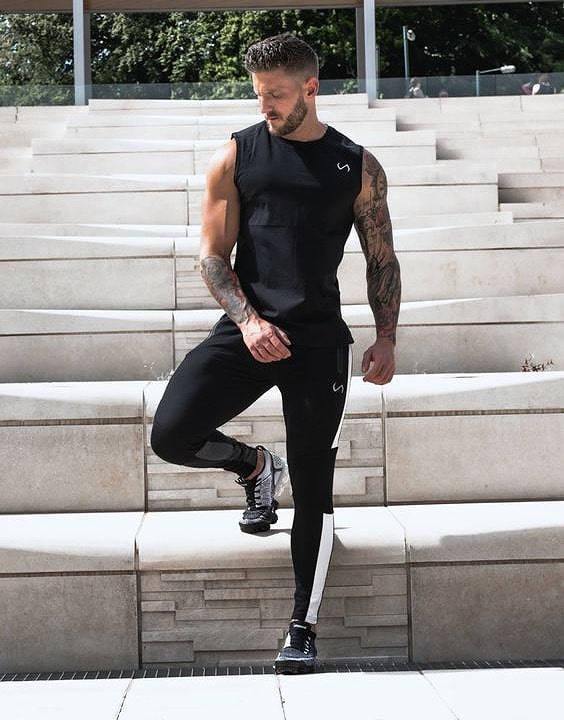
- Dark colors (black, navy, charcoal) are classic and hide sweat.
- Bright colors or bold patterns can add energy to your look.
- Don’t mix too many patterns—stick to one bold piece per outfit.
- Reflective details are important for outdoor training.
Non-obvious insight: Try a monochrome outfit (all one color) for a clean, modern look. Add a single bright accessory, like a neon headband, for personality.
Credit: campgreenwood.org
Gym Outfit Mistakes To Avoid
Many men make simple mistakes when choosing their gym clothes. Avoid these for a better experience:
- Wearing old cotton T-shirts that hold sweat.
- Choosing clothes that are too tight or too loose.
- Ignoring shoe type—wrong shoes can lead to injury.
- Skipping socks or wearing casual socks.
- Not washing gym clothes properly (can cause odor and damage fabric).
- Wearing compression leggings without shorts.
- Forgetting to check for transparency in thin shorts or pants.
- Wearing jewelry or watches that can snag on equipment.
Pro tip: Try your full gym outfit at home before your first workout. Move around, squat, stretch, and make sure everything stays in place and feels good.
How To Build A Versatile Gym Wardrobe
It’s not necessary to buy everything at once. With a smart approach, you can build a gym wardrobe that covers all your needs.
Start With The Basics
- 2–3 moisture-wicking T-shirts
- 2 pairs of shorts (one with liner, one without)
- 1 pair of joggers or athletic pants
- 1 hoodie or sweatshirt
- 2–3 pairs of athletic socks
- 1 pair of training shoes
Add Specialized Pieces
- 1–2 tank tops or muscle tees for hot days or lifting
- Compression shorts or leggings for running or stretching
- Gym gloves or wrist wraps if you lift heavy
Accessorize
- Headband, cap, or beanie as needed
- Gym bag for carrying everything
Beginner mistake: Buying too many trendy items that don’t mix with other pieces. Stick with neutral colors for basics, and add personality with accessories.
Caring For Your Gym Clothes
Proper care keeps your gym clothes in top shape and prevents odors.
- Wash gym clothes after every use—sweat can damage fibers.
- Use a sports detergent for odor control.
- Air-dry clothes when possible; high heat can break down elastic fibers.
- Turn clothes inside out before washing to protect prints and colors.
- Wash similar fabrics together to avoid pilling.
Advanced tip: Add a cup of white vinegar to the wash once a month. This helps remove deep odors without damaging fabric.
Comparing Gym Outfit Brands
Many brands offer high-quality gym wear. Here’s a brief comparison to help you choose:
| Brand | Best Known For | Price Range | Style Focus |
|---|---|---|---|
| Nike | Performance fabrics | Medium-High | Classic, sporty |
| Under Armour | Compression gear, durability | Medium | Functional, modern |
| Adidas | Comfort, versatility | Medium | Sporty, trendy |
| Lululemon | Premium fit, fabric quality | High | Minimal, stylish |
| Gymshark | Trendy, muscle-focused fit | Low-Medium | Bodybuilding |
Personal advice: It’s smart to mix and match. Buy basics from affordable brands, and invest in one or two premium pieces for comfort.
Seasonal Gym Outfit Adjustments
Changing your gym outfit with the seasons keeps you comfortable year-round.
Hot Weather
- Go for light colors and breathable fabrics.
- Wear sleeveless tops or T-shirts with mesh panels.
- Choose shorts over pants.
Cold Weather
- Layer with a moisture-wicking base, then add a hoodie or jacket.
- Consider compression leggings under shorts or pants.
- Wear a beanie or headband to keep ears warm for outdoor workouts.
Insider tip: Layering is key—remove layers as you warm up, and add them back after your workout to prevent chills.
Sustainable Gym Clothing Choices
Eco-friendly gym wear is becoming more popular. Many brands now offer clothes made from recycled polyester, organic cotton, or bamboo.
- Look for labels like “recycled materials” or “organic.”
- Choose long-lasting, durable pieces to avoid frequent replacements.
- Wash in cold water to save energy and protect fabrics.
For more information about sustainable athletic wear, you can check this Wirecutter guide.
Gym Bag Packing Tips
A well-packed gym bag means you’re always ready to work out. Here’s what to include:
- Fresh T-shirt, shorts, and socks
- Training shoes
- Small towel
- Water bottle
- Headphones
- Lock for locker
- Deodorant or body spray
- Extra face mask or sweatband if needed
- Plastic bag for dirty clothes
Overlooked item: Pack a small bottle of hand sanitizer—gyms are full of shared surfaces.
Common Questions About Men’s Gym Outfits
Many guys have the same worries about gym clothes. Here are quick answers to the most frequent questions.

Credit: www.youtube.com
Frequently Asked Questions
What Should I Wear To The Gym If I’m A Beginner?
Start with a moisture-wicking T-shirt, comfortable shorts, good athletic socks, and supportive shoes. Avoid cotton shirts, and make sure your clothes fit well but aren’t too tight. Bring a hoodie for warming up or cooling down.
How Often Should I Replace My Gym Clothes?
Replace gym T-shirts and shorts when they lose shape, develop permanent odor, or show wear. Athletic shoes should be replaced every 6–12 months if you use them regularly. Socks and underwear may need replacement sooner for hygiene.
Is It Okay To Wear The Same Gym Outfit Two Days In A Row?
It’s best to wash gym clothes after every use. Sweat and bacteria can cause odor and skin irritation. If you must re-wear, let clothes dry completely and use a sports spray, but it’s not ideal.
Can I Wear Shorts Without Underwear To The Gym?
If your shorts have a built-in liner, you can skip underwear. Otherwise, wear moisture-wicking athletic underwear for comfort and hygiene. Avoid going commando in non-lined shorts.
Are Expensive Gym Brands Worth It?
Not always. Expensive brands may offer better fit or style, but many affordable brands have high-quality fabrics. Try different options and invest in what feels best for you. It’s smart to mix basics and a few premium pieces.
The right gym outfit for men is about comfort, confidence, and practicality. Whether you’re just starting or want to upgrade your style, focus on clothes that move with you and support your workout goals. With a few smart choices, you’ll look good, feel great, and get the most out of every gym session.
