

Gym Outfit Ideas for Men: Look Stylish and Perform Your Best
Gym Outfit Ideas For Men
Finding the right gym outfit is more than just a fashion statement—it can boost your confidence, improve your performance, and help you stay comfortable during your workout. Many men feel unsure about what to wear to the gym, especially with so many styles, fabrics, and trends available.
The good news? You don’t need to follow every new trend or buy expensive brands to look good and feel great. A smart gym outfit is about the right fit, practical choices, and a touch of personal style.
This guide explores the best gym outfit ideas for men, from classic basics to bold statement looks. Whether you’re a beginner or a seasoned athlete, you’ll find clear advice, examples, and practical tips for building your perfect workout wardrobe. We’ll also look at the role of accessories, shoes, and layering, plus common mistakes to avoid.
Let’s help you show up feeling ready, comfortable, and confident.
Why Gym Outfits Matter
Wearing the right gym clothes does more than make you look good in the mirror. Proper workout gear can:
- Support your body during exercise
- Keep you cool or warm as needed
- Prevent irritation and injuries
- Improve your motivation
- Help you move freely and safely
In fact, research shows that people who like their gym outfits are more likely to stick with their workout routines. When you feel good in what you wear, you’re more likely to push yourself and enjoy your time at the gym.
Essential Pieces Every Man Needs
Before exploring specific outfit ideas, let’s look at the must-have basics for any gym wardrobe.
Athletic T-shirts
You need at least two or three moisture-wicking t-shirts. These shirts pull sweat away from your body and help you stay dry. Look for lightweight fabrics like polyester blends or technical cotton. Avoid heavy cotton shirts—they soak up sweat and feel uncomfortable quickly.
Training Shorts
A pair of training shorts lets your legs move easily during squats, lunges, and cardio. Choose shorts with an 8-10 inch inseam for good coverage. Some men prefer shorts with built-in liners for extra support.
Compression Gear
Compression shirts or shorts can improve blood flow and reduce muscle soreness. They’re a good choice for intense workouts or running. However, they should fit snugly but not too tight—if you feel restricted, try a different size or brand.
Joggers Or Track Pants
For cooler weather or weightlifting days, joggers or track pants keep your muscles warm. Go for tapered legs and stretchy material so the pants don’t drag or get caught on equipment.
Proper Footwear
The right training shoes protect your feet and joints. Running shoes are best for cardio, while cross-trainers or flat shoes are better for lifting weights. Avoid using casual sneakers—they usually lack support and grip.
Socks
Don’t overlook athletic socks. Thick, moisture-wicking socks prevent blisters and keep your feet fresh. Ankle-length or no-show socks work well for most gym activities.
Accessories
A few small extras make a big difference:
- Sweatbands or headbands: Keep sweat out of your eyes.
- Workout gloves: Protect your hands from calluses if you lift heavy weights.
- Gym bag: Carry your essentials in style.
Top Gym Outfit Ideas For Men
Here are the best gym outfit combinations, with practical examples and tips for each style.
1. Classic Monochrome Look
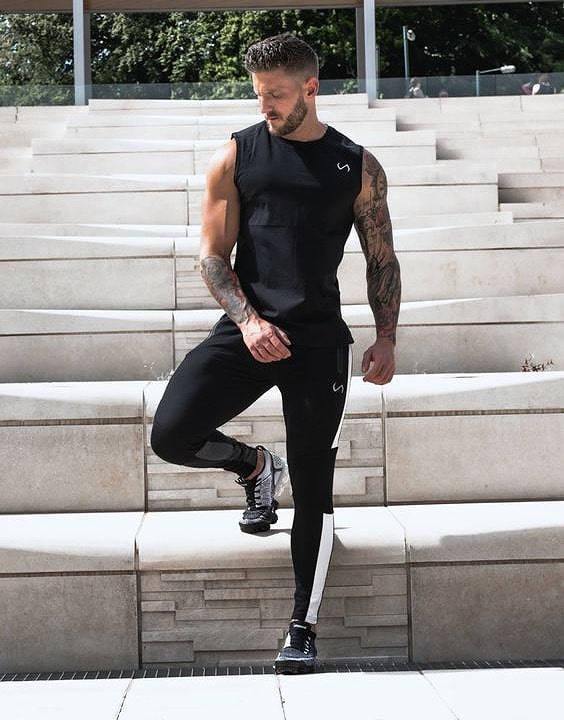
Wearing one color from top to bottom creates a clean, athletic vibe. Try a black or navy t-shirt with matching shorts or joggers. This look is timeless and suits every body type. It also hides sweat stains better than lighter shades.
Pro tip: To avoid a boring look, use different textures—pair a smooth polyester shirt with mesh shorts.
2. Sporty Contrast
Mixing two bold colors—like a red shirt and black shorts—gives you energy and stands out. Choose contrasting but complementary colors. If you’re not sure, black, grey, and navy match almost any bright color.
Non-obvious insight: Keep one piece neutral for balance. Too many bright colors can look distracting.
3. The Fitted Tech Look
Many gyms are full of men wearing loose, baggy clothes. Stand out with a slim-fit moisture-wicking shirt and tapered joggers. This look is modern and shows off your physique without being too tight or uncomfortable.
Beginner tip: Fitted doesn’t mean skin-tight—your outfit should move with you without pulling or bunching.
4. Layered Warm-up Style
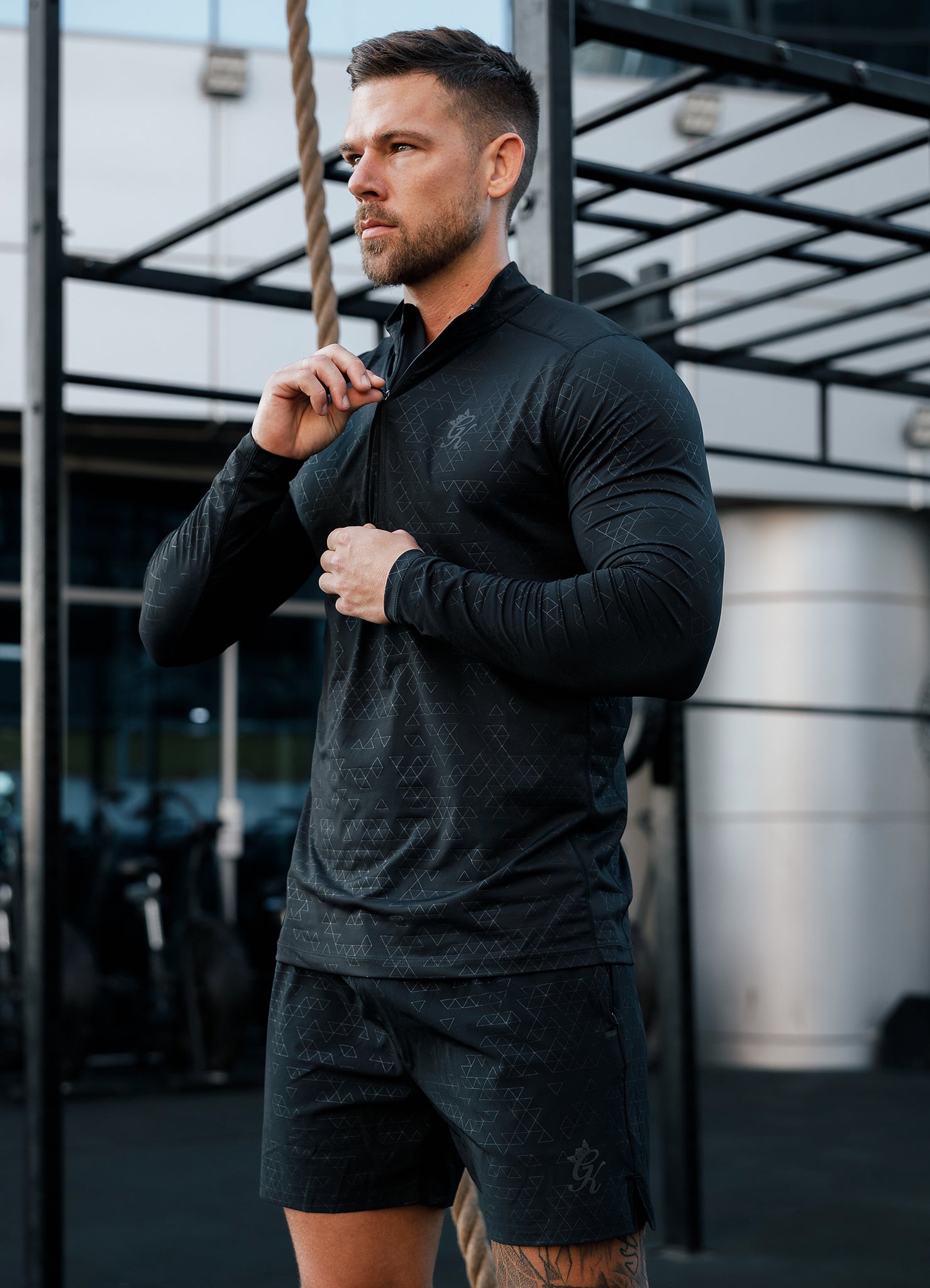
Layering is smart for cold weather or if you like to warm up slowly. Start with a compression shirt, add a sleeveless or short-sleeve t-shirt, and finish with a lightweight zip-up hoodie.
This style lets you remove layers as you get warmer, preventing overheating.
Practical example: Wear a dark base layer with a lighter outer layer for a sharp look.
5. Sleeveless Muscle Tee
A muscle tee is perfect for hot gyms or intense cardio. It keeps your arms free and helps show off your hard work. Pair with shorts for full range of motion.
What most beginners miss: Choose a muscle tee that fits at the shoulders. Oversized cuts can look sloppy and distract from your shape.
6. All-weather Athlete
If you work out outdoors, you need to adapt your outfit to the weather. Try a lightweight windbreaker over a t-shirt and running tights under your shorts. This combo keeps you dry and warm without overheating.
Extra tip: Look for zippered pockets to keep your keys and phone secure during outdoor runs.
7. Statement Graphics
Show your personality with a graphic gym shirt. Motivational quotes, fun designs, or brand logos can boost your mood and start conversations.
Caution: Avoid shirts with offensive slogans or busy patterns that could be distracting in a group setting.
8. Compression Everything
For high-intensity workouts, some men prefer full compression gear—top and bottom. This supports muscles and can help with recovery.
What to remember: Not everyone finds full compression comfortable. Try it for short sessions first before buying several pieces.
9. Loose And Relaxed
If you value comfort above all, a loose cotton t-shirt and relaxed-fit shorts or sweatpants are a safe choice. This is a classic look, especially for beginners or casual gym-goers.
Hidden drawback: Loose clothes can catch on equipment and hide your form. Choose a size that is comfortable but not baggy.
10. The Hybrid Look
Combine the best of both worlds—a fitted t-shirt with loose shorts or slim joggers with a roomy tank top. Mixing fits keeps your outfit from feeling too tight or too loose.
Non-obvious insight: This look is great for men who are still building confidence at the gym. It’s both stylish and forgiving.
11. Retro Vibes
Bring back old-school style with a vintage logo tee and classic track shorts. Add high socks and white trainers for a full retro effect.
Tip: Retro doesn’t mean old or worn-out—choose new items designed with a retro look for durability.
12. Streetwear-inspired
Many men enjoy blending street style with gym wear. Try a graphic hoodie, joggers with side stripes, and chunky sneakers.
Practical advice: Make sure your streetwear pieces are made from breathable, stretchable fabrics so you can move comfortably.
13. Minimalist Neutrals
Choose a palette of grey, beige, and black for a simple, stylish look. Minimalist outfits are easy to mix and match and never go out of style.
Beginner mistake: Don’t wear all one shade. Mix lighter and darker neutrals for depth.
14. High-performance Set
For serious athletes, a matching high-performance top and bottom made from technical fabrics can improve comfort and focus. Many brands offer sets designed for running, lifting, or HIIT.
Insider tip: These sets often have hidden features like reflectors or mesh panels that most people overlook.
15. Functional Accessories
Complete your outfit with wrist wraps, a sweat-proof hat, or a smart watch. These not only look good but serve a real purpose.
Example: A sweat-proof hat keeps sweat off your face during long cardio sessions, while a smart watch helps you track your progress.
How To Choose The Right Gym Outfit For You
The best gym outfit is one that matches your workout style, body type, and comfort needs. Here’s how to decide:
| Workout Type | Recommended Top | Recommended Bottom | Footwear |
|---|---|---|---|
| Weightlifting | Fitted T-shirt or Tank | Joggers or Shorts | Flat Trainers |
| Cardio | Moisture-wicking T-shirt | Running Shorts | Running Shoes |
| HIIT/Classes | Compression Top | Flexible Shorts | Cross-trainers |
| Yoga/Pilates | Soft Tee or Tank | Stretchy Joggers | Barefoot or Minimal Shoes |
| Outdoor Running | Layered Tops | Running Tights/Shorts | Running Shoes |
- If you sweat a lot, pick quick-dry fabrics and light colors.
- If you lift heavy, avoid loose sleeves or baggy pants—they can snag on equipment.
- For group classes, try a fun or colorful shirt for extra motivation.
Understanding Gym Fabrics
Not all gym clothes are created equal. The fabric can change how you feel and perform. Here’s a quick guide:
| Fabric | Pros | Cons | Best For |
|---|---|---|---|
| Polyester | Wicks sweat, dries fast | Can retain odor | Cardio, classes |
| Cotton | Soft, comfortable | Holds sweat, heavy | Light workouts, yoga |
| Nylon | Stretchy, durable | Can pill over time | HIIT, intense sessions |
| Spandex | Very flexible | Less breathable alone | Compression gear |
| Merino wool | Controls temperature | Expensive | Outdoor, cold weather |
Non-obvious insight: Some fabrics combine polyester and spandex for the best of both worlds—stretch and breathability.
Matching Shoes To Your Workout
Choosing the right gym shoe is just as important as your shirt or shorts. The wrong shoes can cause pain, injuries, or poor performance.
- For running: Choose running shoes with good heel support and cushioning.
- For lifting: Flat, stable shoes or even barefoot-style trainers help with balance.
- For HIIT or classes: Cross-trainers are designed for quick side-to-side moves.
- For outdoor workouts: Trail shoes offer more grip and weather resistance.
Expert tip: Try on gym shoes at the end of the day—your feet swell after exercise, so you’ll get a more accurate fit.
Credit: campgreenwood.org
Layering And Weather
Depending on where you live or what time you hit the gym, you may need to adapt your outfit for weather changes.
- Cold weather: Start with a base layer, add a hoodie or long-sleeve top, and finish with a windbreaker if needed.
- Hot weather: Wear light, breathable fabrics and stick to sleeveless or loose tops.
- Rain: Look for water-resistant jackets and quick-dry shorts.
Surprising fact: Even in air-conditioned gyms, warming up in layers can help prevent muscle strains.
Gym Outfit Mistakes Most Men Make
It’s easy to make simple mistakes when choosing gym clothes. Here’s what to avoid:
- Wearing heavy cotton shirts: They get soaked and heavy with sweat.
- Choosing the wrong shoes: Each workout needs different support.
- Forgetting about socks: Low-quality socks can cause blisters and discomfort.
- Ignoring fit: Both too tight and too loose clothes can affect your movement.
- Over-accessorizing: Too many accessories can get in the way or look unprofessional.
- Neglecting hygiene: Not washing gym clothes properly leads to bad odors.
- Wearing jewelry: Rings, chains, or bracelets can catch on equipment and cause injuries.
Quick fix: Focus on comfort, fit, and safety before style.
Credit: anniesdeli.com
How To Build A Versatile Gym Wardrobe
You don’t need a huge closet to look good at the gym. With a few smart choices, you can mix and match for any workout.
- 3-4 moisture-wicking t-shirts
- 2-3 pairs of training shorts
- 1-2 joggers or track pants
- 1-2 tank tops or muscle tees
- 1 lightweight hoodie
- 1 windbreaker or jacket (if you exercise outside)
- 2 pairs of training shoes (rotate for freshness)
- 4-5 pairs of athletic socks
- 1 gym bag
- Optional: 1-2 compression pieces
With these items, you can create dozens of outfits without repeating the same look every day.
Caring For Your Gym Clothes
Good gym clothes are an investment. Here’s how to make them last:
- Wash gym clothes in cold water to preserve elasticity.
- Avoid fabric softeners—they block moisture-wicking fibers.
- Air dry when possible. High heat can shrink or damage technical fabrics.
- Rotate outfits to avoid overusing one piece.
- Check for worn-out seams or stretched-out waistbands.
Hidden tip: Wash your gym bag and shoes regularly—they can trap odors and bacteria.
When To Upgrade Your Gym Wardrobe
You know it’s time for new gym gear when:
- Your clothes have permanent stains or odors.
- Seams or elastic are stretched or damaged.
- Shoes feel flat or lose grip.
- You feel less motivated to work out because you dislike your outfit.
Buying new pieces can refresh your routine and boost your confidence.
Top Brands To Consider
Many men wonder if they need expensive brands to look good at the gym. The answer: quality matters more than the label. Still, some brands are known for comfort, durability, and style.
- Nike
- Adidas
- Under Armour
- Reebok
- Gymshark
- Lululemon (for technical fabrics)
- Uniqlo (budget-friendly basics)
Don’t ignore local sports stores—often, you can find hidden gems for less.
Resource for more info:Sportswear (activewear)

Credit: campgreenwood.org
Gym Outfits For Different Body Types
Every man’s body is unique. Here’s how to choose outfits that flatter your shape:
- Tall and slim: Fitted shirts and joggers balance your proportions.
- Muscular: Compression tops or muscle tees highlight your physique.
- Broad shoulders: Raglan sleeves or tanks with wider straps look best.
- Shorter: Go for slim fits and avoid oversized or long shorts.
- Bigger build: Dark, solid colors with a relaxed fit look clean and stylish.
Non-obvious insight: The right fit boosts your confidence, no matter your body type.
Gym Outfit Inspiration From Real People
If you’re still unsure, take inspiration from gym-goers you admire. Notice what trainers, athletes, or even influencers wear—but focus on practicality first. Often, their best outfits are simple, comfortable, and easy to copy with basics you already own.
Frequently Asked Questions
What Should I Avoid Wearing To The Gym?
Avoid heavy cotton, loose jewelry, and shoes without support. Also, skip clothes that are too tight or restrictive, as they can limit your movement and make you uncomfortable.
How Many Gym Outfits Do I Need?
Start with three to four full outfits that you can rotate during the week. This prevents overuse and gives you time to wash and dry each set properly.
Can I Wear Shorts In Every Workout?
Shorts work for most gym activities, but for weightlifting or outdoor runs in cold weather, you might want joggers or running tights for extra warmth and muscle support.
Is It Okay To Wear Branded Outfits?
Yes, but brands don’t matter as much as fit and function. Choose gear that feels good and suits your budget. Some local or less-known brands offer great quality too.
How Often Should I Replace My Gym Shoes?
Replace gym shoes every 6-12 months or when they lose their support, grip, or comfort. Worn-out shoes can lead to injuries or poor performance.
---
Choosing the right gym outfit is about comfort, confidence, and performance. With the right basics, a few stylish touches, and practical accessories, you can show up ready to work hard and feel great. Remember, the best outfit is one that fits your workout style and helps you move freely.
Build your gym wardrobe step by step, and you’ll never have to worry about what to wear again.
