

Gym Jersey Design: Top Trends and Creative Ideas for 2024
Gym jersey design is much more than picking a color and printing a logo. The right jersey makes athletes feel confident, comfortable, and proud. It also shows team identity and professionalism. Many people, especially beginners, miss important details when creating gym jerseys.
They focus on looks, but forget about fit, fabric, and durability. Whether you are designing for a fitness club, a sports team, or a group of friends, learning about gym jersey design will help you avoid common mistakes and create jerseys that look great and perform well.
What Makes Gym Jersey Design Important?
A gym jersey is not just clothing. It is part of the athlete’s experience. A well-designed jersey boosts morale, supports performance, and helps teams stand out. When athletes wear comfortable gym jerseys, they can focus on their workout or sport, instead of adjusting their clothes. Jerseys also help clubs and teams build a brand. The colors, logo, and style make your group unique.
Many beginners only care about appearance. But the wrong fabric or poor stitching can ruin the experience. For example, a jersey that does not absorb sweat makes exercise harder. A jersey with weak seams will break after a few uses.
So, design choices matter both for style and function.
Key Elements Of Gym Jersey Design
Every gym jersey has several important parts. These elements affect comfort, performance, and style. Missing even one can lead to problems.
Fabric Selection
The fabric is the foundation of every gym jersey. It affects breathability, stretch, moisture control, and durability. Common fabrics include:
- Polyester: Lightweight, dries fast, resists shrinking.
- Nylon: Smooth, durable, handles sweat well.
- Cotton blends: Soft, comfortable, but absorbs moisture.
- Spandex/Lycra: Adds stretch for flexibility.
- Microfiber: Ultra-light, quick-dry, suitable for intense workouts.
For gym jerseys, polyester and polyester blends are most popular. They keep the body cool and dry, and last longer than pure cotton.
Fit And Cut
Fit is crucial. A jersey should allow free movement but not be too loose. There are three common fits:
- Slim fit: Hugs the body. Good for gym workouts, yoga, and cycling.
- Regular fit: Balanced. Not too tight, not too loose. Ideal for most team sports.
- Loose fit: Offers maximum freedom. Used for basketball or casual gym wear.
Sleeve length, collar shape, and jersey length also matter. For example, tank tops are best for weightlifting, while short sleeves suit football and volleyball.
Color And Design Patterns
Color is more than style. Teams use colors to show unity. Gyms use colors to match branding. Patterns add personality:
- Solid colors: Clean and simple.
- Gradient: Modern look, blends two or more colors.
- Stripes: Classic, often used for football or basketball.
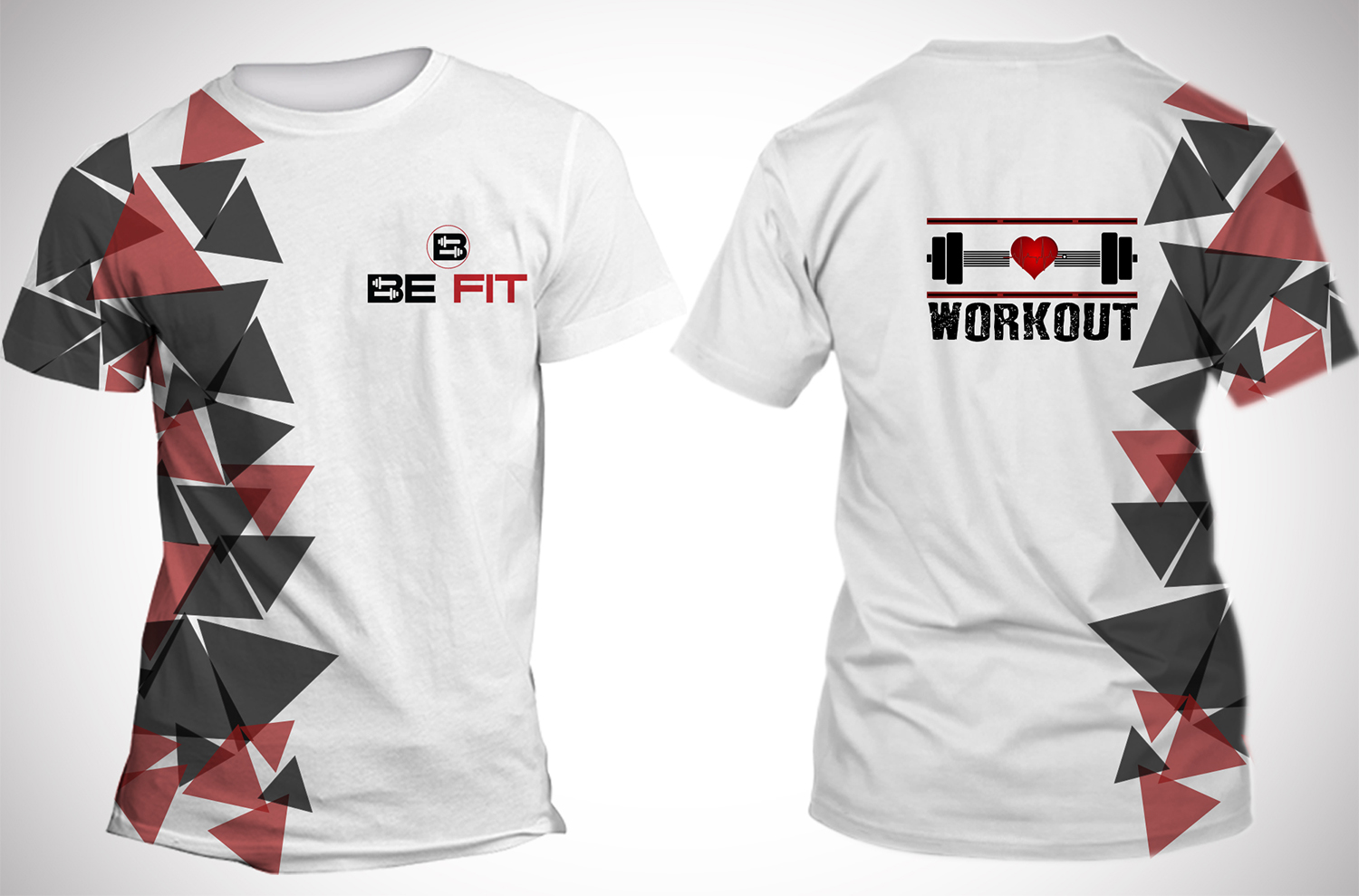
- Abstract prints: Unique, often for fitness clubs or running groups.
- Camouflage: Popular for outdoor gyms and boot camps.
Using the right color can motivate athletes. Studies show that certain colors, like red, can increase energy, while blue brings calm.
Logo And Branding
A gym jersey is a moving advertisement. Logos, sponsor names, and club badges must be visible but not overpowering. Placement matters:
- Front chest: For main logos.
- Sleeves: For secondary sponsors.
- Back: For numbers, names, or motivational quotes.
High-quality printing is important. Cheap printing fades quickly. There are several methods:
- Screen printing: Durable, best for solid colors.
- Sublimation: Allows full-color designs, lasts long.
- Heat transfer: Good for small orders, less durable.
Stitching And Construction
The strength of a jersey depends on stitching. Weak seams tear easily. Look for:
- Flatlock seams: Prevent chafing, ideal for gym jerseys.
- Double stitching: Adds durability.
- Reinforced areas: Shoulders and sides often need extra support.
Moisture Management
Sweat is a big issue in gyms. Jerseys must keep athletes dry. Moisture-wicking fabrics pull sweat away from the skin. Mesh panels under arms or at the back improve airflow.
Sizing And Customization
Teams and gyms have members of different sizes. Offering a wide range of sizes is important. Customization includes:
- Names and numbers
- Personalized graphics
- Different fits for men and women
Some brands even offer jerseys for kids and plus sizes.
Steps To Designing A Gym Jersey
Designing a gym jersey is a process. Skipping steps leads to mistakes.
1. Define Purpose And Needs
First, decide why you need the jersey. Is it for a sports team, gym staff, or group workouts? Each purpose has different needs. For example, basketball jerseys need loose fits, while running jerseys need slim fits.
2. Research And Gather Inspiration
Look at successful gym jerseys. Notice color combinations, logos, and fabric choices. For example, many football clubs use stripes, while yoga studios prefer light colors.
3. Choose Fabric And Fit
Pick the best fabric for your activity. If your group sweats a lot, go for polyester. Decide on fit based on sport or gym activity.
4. Create Design Mockups
Use design software (like Adobe Illustrator or CorelDRAW) to create mockups. Add colors, logos, and patterns. Show mockups to team members for feedback.
5. Select Printing Method
Choose a printing method that fits your budget and needs. Sublimation is best for complex designs. Screen printing is good for simple, solid colors.
6. Order Samples
Before making a big order, request samples. Test fabric, fit, and print quality. Wash and wear samples to check durability.
7. Finalize Sizes And Customization
Collect size information from members. Decide if you want personalized names or numbers.
8. Place Order And Review
Work with a trusted manufacturer. Review all details before final production. Check stitching, logos, and color accuracy.
9. Distribution And Feedback
After delivery, ask users for feedback. This helps improve future designs.
Common Mistakes In Gym Jersey Design
Even experienced designers make mistakes. Avoid these problems:
- Ignoring fabric quality: Cheap fabric feels uncomfortable and wears out fast.
- Bad fit: Too loose or too tight jerseys affect movement.
- Poor printing: Low-quality prints fade and peel.
- Missing sizes: Not offering enough sizes excludes team members.
- Overcomplicated designs: Too many colors or logos look messy.
- Wrong stitching: Weak seams split after a few washes.
- Not testing samples: Skipping samples leads to big errors in bulk orders.
- Ignoring moisture management: Jerseys that do not wick sweat are hard to use.
- Neglecting feedback: Not listening to athletes’ opinions causes repeat mistakes.

Credit: www.shutterstock.com
Comparing Popular Gym Jersey Fabrics
Fabric choice is a key decision. Here is a comparison of the top materials:
| Fabric | Breathability | Moisture Wicking | Durability | Comfort | Best Use |
|---|---|---|---|---|---|
| Polyester | High | Excellent | High | Medium | Running, Team Sports |
| Nylon | Medium | Good | High | Medium | Gym, Fitness Classes |
| Cotton Blend | Low | Poor | Medium | High | Yoga, Casual Wear |
| Spandex | Medium | Good | Medium | High | Stretch Activities |
| Microfiber | High | Excellent | Medium | High | High-Intensity Sports |
Design Trends In Gym Jerseys
Gym jersey design changes over time. New trends appear every year. Some trends stick, others fade. Here are some current popular trends:
Minimalist Designs
Simple designs with few colors and subtle logos are popular. They look clean and professional. Many fitness clubs choose minimalist jerseys because they are easy to match with other gear.
Bold Colors And Patterns
Some teams prefer bright colors and eye-catching patterns. Neon shades and abstract prints make athletes stand out. This is popular for running groups and cycling teams.
Sustainable Materials
Eco-friendly fabrics are becoming important. Many brands use recycled polyester or organic cotton. Athletes want jerseys that help the environment.
Custom Personalization
Athletes like unique touches. Names, numbers, and motivational quotes make each jersey special. Customization builds a sense of belonging.
Smart Features
Some jerseys now include smart fabrics that track heart rate or temperature. While not common, this trend is growing.
Comparing Printing Methods For Gym Jerseys
Printing affects how your design looks and lasts. Here’s a comparison:
| Printing Method | Color Quality | Durability | Cost | Best For |
|---|---|---|---|---|
| Screen Printing | Good | High | Low (bulk orders) | Simple Designs |
| Sublimation | Excellent | Very High | Medium | Complex Patterns |
| Heat Transfer | Medium | Medium | Low (small orders) | Personalization |
| Embroidery | Good | Very High | High | Logos, Badges |
How To Choose The Right Gym Jersey Manufacturer
Picking the right manufacturer is as important as design. Here’s what to look for:
- Quality assurance: Check reviews and order samples.
- Customization options: Can they print names, numbers, and logos?
- Fabric choices: Do they offer the fabric you want?
- Production time: How long do orders take?
- Minimum order size: Some manufacturers require a minimum.
- Customer support: Good communication is important.
- Pricing: Compare prices, but don’t sacrifice quality.
Try to visit the factory if possible, or ask for detailed photos of finished jerseys.
Credit: www.designcrowd.ca
Gym Jersey Design For Different Sports
Each sport has unique needs. Here are examples:
Football
Football jerseys need durable fabric, strong seams, and good moisture management. Designs usually include numbers on the back, team badges on the chest, and stripes or solid colors.
Basketball
Basketball jerseys are often sleeveless and loose. They need to allow jumping and arm movement. Bold colors and large numbers are common.
Running
Running jerseys are slim and lightweight. Bright colors help runners stay visible outdoors. Mesh panels add ventilation.
Volleyball
Volleyball jerseys should be fitted but flexible. Short sleeves and breathable fabrics are best. Personalization (names/numbers) is often added.
Gym And Fitness Classes
Fitness jerseys are usually simple. They focus on comfort and moisture control. Tank tops and T-shirts are popular.
Yoga
Yoga jerseys use soft fabrics and relaxed fits. Earth tones and minimalist designs are common.
Comparing Gym Jersey Designs By Sport
| Sport | Fit | Fabric | Design Features | Personalization |
|---|---|---|---|---|
| Football | Regular | Polyester | Stripes, Numbers | Names, Numbers |
| Basketball | Loose | Polyester | Sleeveless, Bold Colors | Large Numbers |
| Running | Slim | Microfiber | Bright Colors, Mesh | Minimal |
| Volleyball | Regular/Slim | Polyester | Short Sleeves, Team Logo | Names, Numbers |
| Yoga | Loose | Cotton Blend | Minimalist, Soft Colors | Rare |
Practical Tips For Designing Gym Jerseys
Many beginners miss some practical points that make a big difference.
- Test jersey under real conditions: Wear samples during workouts to check comfort and performance.
- Pick colors that hide sweat stains: Light colors show sweat, dark colors hide it.
- Use mesh in high-sweat areas: Underarms and back panels improve breathability.
- Consider length for different activities: Longer jerseys stay tucked during movement.
- Avoid small, crowded logos: They are hard to see and look messy.
- Choose high-quality zippers or buttons: For jackets, weak fasteners break quickly.
Gym Jersey Design For Brand Identity
Jerseys are a tool for branding. Here’s how to use design for brand identity:
- Consistent colors: Use your gym or team’s main colors.
- Strong logo placement: Make the logo visible but not overpowering.
- Unique patterns: Create a pattern that is only yours.
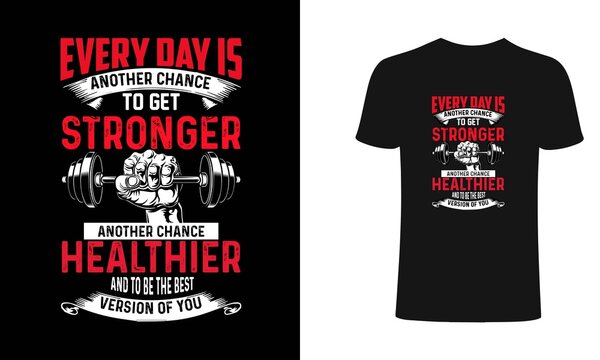
- Motivational quotes: Add short phrases that inspire athletes.
- Sponsor logos: Place them where they are visible but do not distract.
Well-designed jerseys help your club or team become recognizable. Athletes feel proud to wear them.
Gym Jersey Care And Maintenance
Proper care extends jersey life. Here are best practices:
- Wash in cold water: Prevents fading and shrinkage.
- Avoid bleach: Damages fabric and colors.
- Air dry: High heat from dryers weakens fabric and prints.
- Store flat or hang: Prevents wrinkles and keeps shape.
- Do not iron prints: Heat damages logos and numbers.
Some fabrics, like microfiber, dry very quickly and do not need much care.
Gym Jersey Design For Inclusivity
Jersey design should serve all athletes. Here’s how to make designs inclusive:
- Offer wide size ranges: Include kids, plus sizes, and different fits.
- Use gender-neutral patterns: Avoid overly masculine or feminine designs unless needed.
- Allow personal customization: Let athletes add names or choose colors.
- Consider accessibility: For athletes with disabilities, use easy-open fasteners and comfortable fits.
Inclusivity builds team spirit and keeps everyone involved.
Gym Jersey Design For Marketing
Jerseys can boost marketing. Here’s how:
- Use jerseys in promotions: Give jerseys to new members.
- Sell custom jerseys: Offer them in gym shops.
- Social media photos: Share pictures of athletes wearing jerseys.
- Sponsor collaborations: Put sponsor logos on jerseys for extra revenue.
A unique jersey helps your gym or club stand out online and offline.
Real-life Examples Of Successful Gym Jersey Designs
Some gyms and sports clubs have standout jerseys. Here are a few examples:
- A fitness club in Europe uses minimalist black jerseys with a small gold logo. Members say it feels premium and matches any shorts or pants.
- A running group in Asia uses neon green jerseys with reflective stripes. These help runners stay safe at night and look unified.
- A yoga studio in America uses soft pink and blue cotton-blend jerseys. The calm colors fit the studio’s brand and are comfortable for stretching.
These examples show how gym jersey design supports both brand and athlete comfort.
Credit: stock.adobe.com
Frequently Asked Questions
What Is The Best Fabric For Gym Jerseys?
Polyester is the most popular fabric for gym jerseys. It is lightweight, dries quickly, and handles sweat well. Some activities, like yoga, may use cotton blends for extra comfort. Choose fabric based on your sport and how much you sweat.
How Can I Make My Gym Jersey Design Unique?
Use custom colors, patterns, and logo placement. Add names or motivational quotes. Try new printing methods, like sublimation, to create complex designs. Look at other teams for inspiration, but focus on your brand identity.
What Printing Method Lasts The Longest?
Sublimation and embroidery are the most durable printing methods. Sublimation bonds color to fabric, so it does not fade. Embroidery is strong and looks professional, but is best for logos and badges.
How Do I Know What Size To Order?
Ask team members or gym users for their measurements. Most manufacturers offer size charts. Order samples if possible to check fit. Offer a wide range of sizes for inclusivity.
Where Can I Learn More About Gym Jersey Design?
You can read detailed guides from sports apparel brands and industry experts. For more information on sports clothing, visit Wikipedia.
A well-designed gym jersey helps athletes perform better, builds team identity, and boosts marketing. By focusing on fabric, fit, color, and feedback, you can create jerseys that people love to wear. Remember to test samples, listen to athletes, and keep designs simple but meaningful.
Gym jersey design is both an art and a science, and paying attention to detail will help your club or team stand out.
