

Gym Clothes vs Normal Clothes: Which Is Best for Your Workout?
Gym Clothes Vs Normal Clothes: What Really Matters for Your Workout
Most people agree that what you wear in the gym can change your workout experience. But do you really need special gym clothes? Or can you just use your normal clothes for exercise? The answer is not as simple as it seems. Many beginners think any T-shirt and shorts are fine for the gym. Others believe branded sportswear is a must. In this article, we will look deep into the differences between gym clothes and normal clothes, how they affect your performance, comfort, and safety, and what you should consider before choosing your workout outfit.
Feeling comfortable and confident in the gym is important for everyone, not just athletes. Whether you are new to exercise or have been training for years, the right clothes can make a big difference. Let's explore the truth behind gym clothes, break some common myths, and help you make the best choice for your fitness journey.
What Are Gym Clothes?
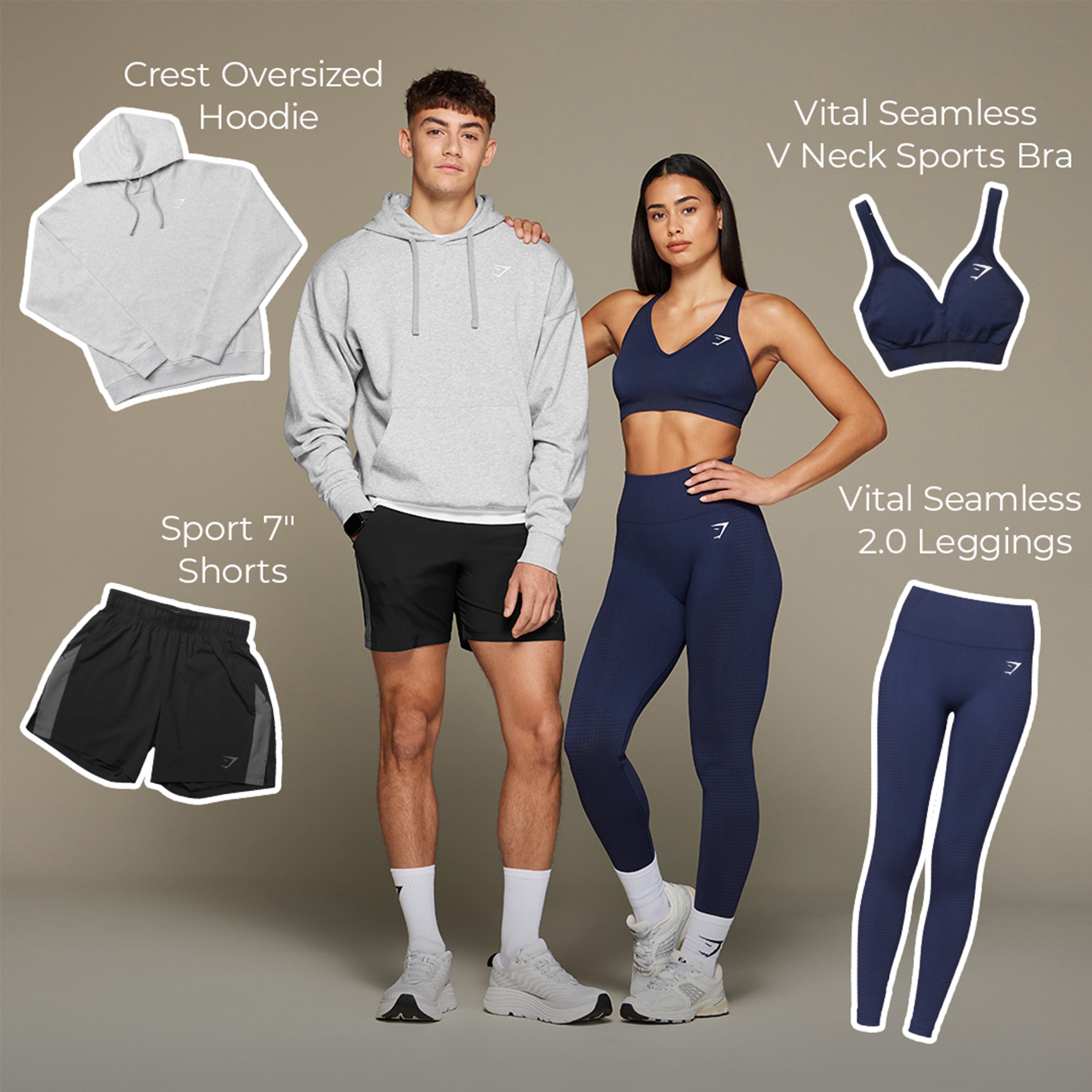
Gym clothes are designed for physical activity. They are made to support movement, control sweat, and keep your body safe during exercise. Common examples include moisture-wicking shirts, compression leggings, supportive sports bras, and flexible shorts.
Most gym clothes use materials like polyester, nylon, or spandex. These fabrics stretch, breathe well, and dry quickly. Some also have extra features, such as flat seams to prevent chafing or mesh panels for better airflow.
Many brands offer a wide range of designs, from simple to colorful. Some gym clothes also have reflective strips for safety during outdoor workouts, or pockets to hold small items like keys or cards.
What Are Normal Clothes?
Normal clothes are what you wear in daily life. This includes cotton T-shirts, jeans, cargo shorts, sweaters, dresses, and more. These clothes are made mainly for comfort, style, or professional use, not for exercise.
Normal clothes use materials like cotton, denim, linen, or wool. These fabrics are often heavier, less stretchy, and may not handle sweat or movement as well as gym clothes. The cut and fit of normal clothes usually focus more on appearance than function.
Some people try to exercise in everyday clothes, especially when starting out. But there are key differences that can affect your workout, which we will discuss in detail.
Key Differences Between Gym Clothes And Normal Clothes
To really understand if you need gym clothes, let’s compare the main differences:
| Feature | Gym Clothes | Normal Clothes |
|---|---|---|
| Fabric | Polyester, nylon, spandex | Cotton, denim, linen, wool |
| Moisture Control | Wicks sweat, dries fast | Absorbs sweat, dries slowly |
| Stretch | High stretch for movement | Limited stretch |
| Durability | Resists wear and tear from exercise | Can wear out or tear easily |
| Breathability | High, with mesh or vents | Medium to low |
| Fit | Snug or relaxed for exercise | Casual or formal, not made for movement |
| Support | Sports bras, compression gear | Lacks support for exercise |
| Safety | Reflective, anti-chafing, reinforced seams | No special safety features |
Why Fabric Choice Matters
The most important difference between gym clothes and normal clothes is the fabric. Gym wear is made from materials that help your body stay comfortable during exercise. Here’s why fabric choice is so important:
Moisture-wicking
During a workout, your body sweats to cool down. Sweat-soaked clothes can feel heavy and uncomfortable. Moisture-wicking fabrics pull sweat away from your skin and help it evaporate quickly. This keeps you dry and reduces the risk of chafing or rashes.
Most normal clothes, like cotton T-shirts, absorb sweat but do not dry fast. Wet cotton sticks to your skin and can cause friction, making movement harder and sometimes painful.
Breathability
Good gym clothes allow air to flow around your body. This helps regulate your temperature, especially during intense exercise. Mesh panels, vents, or lightweight fabrics all improve breathability.
Normal clothes, especially those made from thick cotton or denim, can trap heat. This makes you feel hotter, sweat more, and can even lead to overheating.
Flexibility
During exercise, your clothes need to move with you. Gym clothes often include spandex or elastane, which stretch easily. This is important for squats, lunges, running, or any movement where your body bends or twists.
Normal clothes are usually not as stretchy. Jeans, for example, can restrict your range of motion, making some exercises difficult or impossible.
Fit And Comfort: The Hidden Impact
Fit is more than just “tight” or “loose. ” The right fit helps you move freely and stay focused on your workout.
Gym Clothes: Designed For Movement
Most gym clothes are shaped to match the body’s natural lines. They can be snug to reduce drag, or loose for comfort, but always allow a full range of motion. Seams are often placed to prevent rubbing or chafing, and waistbands are designed to stay in place during activity.
Compression clothing is a special type of gym wear. It fits tightly and supports muscles, which may help with blood flow and recovery. Compression gear is often used in running, cycling, and weight training.
Normal Clothes: Everyday Comfort
Normal clothes focus on style, fashion, or daily comfort. They may be loose or fitted but are not made to handle the stress of exercise. Seams can rub, waistbands can slip, and buttons or zippers may poke or pinch during movement.
Many beginners do not realize that small discomforts in normal clothes can become big distractions during exercise. For example, a shirt that rides up during stretching, or pants that don’t stay up during running.
Real Example
Try jogging in jeans and a cotton shirt. After a few minutes, you may feel hot, sweaty, and restricted. Now try in gym shorts and a moisture-wicking top. The difference is clear: you feel lighter, cooler, and can focus on your workout.
Safety And Injury Prevention
The clothes you wear can also affect your safety in the gym.
Support For Joints And Muscles
Some gym clothes, like knee sleeves or compression tights, give extra support to muscles and joints. This can help reduce the risk of injury, especially during heavy lifting or high-impact sports.
Normal clothes offer no such support. They can even be dangerous if they get caught on equipment or restrict your movement.
Visibility And Protection
Many gym clothes have reflective strips for outdoor workouts. These make you more visible to drivers when running or cycling at night or in low light. Normal clothes rarely offer this feature.
Some gym wear also protects your skin from UV rays, or has anti-bacterial treatments to reduce odor and infection risk.
Reducing Chafing And Blisters
Chafing happens when wet fabric rubs against your skin. Gym clothes are designed with flat seams and smooth fabrics to reduce this risk. Socks made for sports also help prevent blisters.
Normal clothes, especially with rough seams or thick fabrics, can cause painful chafing or blisters during exercise.
Credit: www.gymshark.com
Performance: Does Clothing Really Affect Results?
Can gym clothes actually improve your performance? The answer is yes, but not in the way you might think.
Movement Efficiency
When you wear clothes that fit well and stretch, you waste less energy fighting against your clothes. This means you can run, jump, or lift with better form and less distraction.
Psychological Boost
Wearing gym clothes can also make you feel more motivated. This is known as “enclothed cognition” – the idea that what you wear affects how you think and perform. When you dress for the gym, you may feel more ready to exercise, try harder, and stick to your routine.
One study found that people who wore athletic wear were more likely to engage in physical activity and felt more confident while doing so. This boost can help you push through tough workouts.
Hygiene And Odor Control
Gym clothes often have anti-odor or antimicrobial treatments. This keeps your clothes fresher, even after sweaty workouts. Normal clothes can develop strong odors and bacteria if not washed immediately.
Cost: Is Gym Wear Worth The Price?
Some people avoid gym clothes because they think they are expensive. It’s true that branded sportswear can be costly, but not all gym clothes are high-priced.
Comparing Costs
Let’s look at a basic price comparison:
| Item | Average Gym Wear Price | Average Normal Wear Price |
|---|---|---|
| T-shirt | $15–$35 | $10–$30 |
| Shorts | $20–$40 | $15–$35 |
| Leggings | $25–$60 | $20–$50 |
| Socks | $8–$15 (sports) | $5–$10 (regular) |
While gym clothes can cost more, they usually last longer under the stress of regular exercise. Normal clothes may wear out faster, tear, or lose their shape if used for workouts.
Value For Money
You do not need to buy the most expensive brands. Many affordable options use the same moisture-wicking and stretch fabrics. Investing in a few key pieces (like a good pair of shorts, a sports bra, or compression socks) is often enough for most people.
Pro tip: Always check for sales or outlet stores for deals on gym wear.
Social And Psychological Aspects
Clothing is not just about function. It also affects how you feel and how others see you in the gym.
Confidence And Motivation
When you wear well-fitted gym clothes, you may feel more confident. This can make you more likely to join group classes, try new exercises, or simply feel better about yourself during workouts.
Some people feel self-conscious in tight or revealing gym wear. If this is you, look for looser gym clothes or neutral colors. Comfort and confidence are both important.
Fitting In
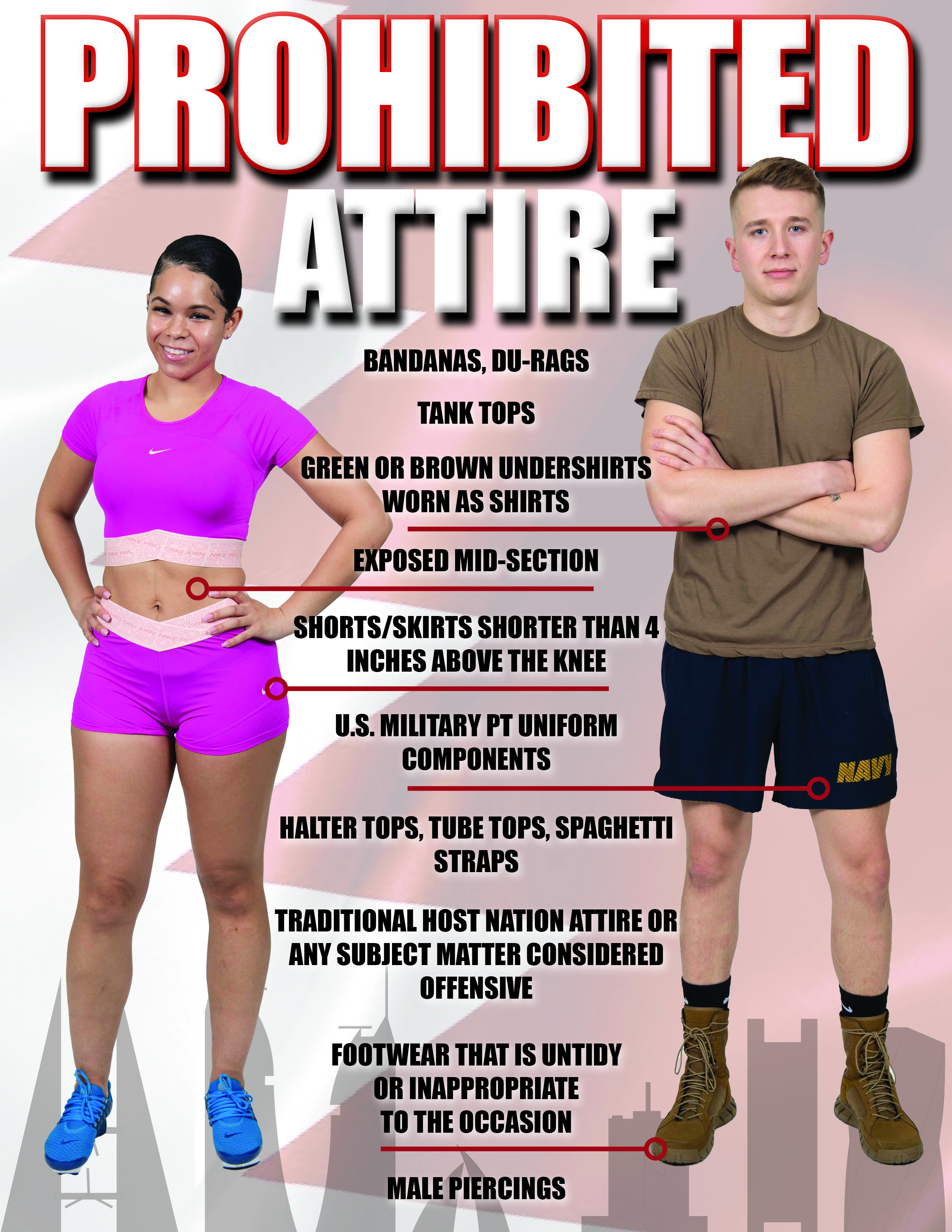
Many gyms have an unwritten dress code. Wearing gym clothes shows you are serious about your workout. In some places, wearing normal clothes might make you feel out of place, especially if everyone else is in sportswear.
However, what matters most is your comfort and safety. Do not feel pressured to dress a certain way because of others. Choose what helps you perform and feel your best.
Practical Examples: When Normal Clothes Might Be Okay
There are situations where normal clothes can work for light exercise:
- Walking: A cotton T-shirt and casual pants are fine for a short walk.
- Home workouts: If you do light stretching or yoga at home, soft pajamas or loungewear may be enough.
- Beginner routines: If you are just starting, you can use normal clothes to see what feels comfortable before buying gym wear.
However, as you increase intensity or frequency, gym clothes will make a big difference.

Credit: themomedit.com
Common Mistakes Beginners Make
Many beginners do not realize the impact of their clothing until they face problems. Here are some mistakes to avoid:
- Wearing 100% cotton: Feels comfortable at first but absorbs sweat and stays wet.
- Loose pants or shirts: Can get caught on machines or ride up during movement.
- Improper underwear: Normal underwear can cause discomfort or chafing. Sports underwear is designed for movement and moisture control.
- Ignoring socks: Regular socks can cause blisters. Sports socks provide better cushioning and sweat control.
- Using old shoes: Footwear is just as important as clothing. Old or non-sports shoes can lead to injury.
Non-obvious tip: Try your gym outfit at home and do a few squats or jumps. If anything feels tight, slips, or rubs, it will be worse during a real workout.
Environmental And Hygiene Factors
Sweat Management
Gym environments are often hot and crowded. Good gym clothes help control sweat and prevent bacteria growth. This is important for hygiene, especially in group classes or shared equipment.
Normal clothes can trap sweat and become a breeding ground for bacteria. This can lead to skin problems, body odor, or even infections.
Laundry Needs
Gym clothes are usually easy to wash and dry quickly. This makes it simple to keep your workout gear fresh. Normal clothes may need special care, take longer to dry, or lose shape after frequent washing.
Pro tip: Have at least two sets of gym clothes, so you always have a clean outfit ready.
Gym Clothes For Different Activities
Not all gym clothes are the same. Here’s what to look for depending on your workout:
- Running: Lightweight, moisture-wicking tops and shorts, compression socks, sports bra.
- Weightlifting: Stretchy shorts or leggings, fitted tops, gloves for grip.
- Yoga: Soft, stretchy leggings or shorts, fitted tank tops, sports bra.
- Cycling: Padded shorts, moisture-wicking jersey, gloves, compression socks.
- HIIT/Cardio: Breathable T-shirt, shorts or leggings, sweatband.
Choosing the right gear for your activity can help prevent injury and improve performance.
Sustainability: Gym Clothes And The Environment
Some gym clothes are made with recycled materials, or from sustainable sources. This helps reduce waste and pollution. Look for brands that use eco-friendly practices if this is important to you.
Normal clothes can also be sustainable, but they are not always designed for exercise. Using old T-shirts for workouts is one way to recycle, but keep in mind the limits in comfort and performance.
Credit: www.cusnc.navy.mil
Are Expensive Brands Always Better?
Not always. Many affordable brands offer high-quality gym clothes. Key things to check:
- Fabric: Look for moisture-wicking, stretchy material.
- Seams: Flat seams reduce rubbing.
- Fit: Try before you buy, if possible.
- Return Policy: In case the size or feel is not right.
Some expensive brands add features like UV protection, anti-odor, or special designs, but these are not always necessary for everyone.
Insider tip: Sometimes, well-known brands charge more for their logo. Focus on function, not just fashion.
Real-world Data And Research
A study published in the *Journal of Sports Sciences* found that athletes who wore compression clothing reported less muscle soreness and recovered faster after exercise. Another report from the American Council on Exercise noted that moisture-wicking fabrics reduce the risk of overheating and skin problems during long workouts.
For a deeper look at the science behind athletic clothing, check this Wikipedia page on sportswear.
How To Choose The Right Gym Clothes
Here’s a simple guide:
- Check the fabric: Choose synthetic blends for sweat control.
- Test the fit: Move, stretch, and check for comfort.
- Look for purpose: Match your clothes to your activity.
- Consider climate: For hot weather, pick lightweight clothes; for cold, layer up.
- Check care labels: Make sure you can wash and dry easily.
Comparing Gym Clothes And Normal Clothes: Summary Table
Let’s look at a summary for quick comparison:
| Aspect | Gym Clothes | Normal Clothes |
|---|---|---|
| Purpose | Exercise, movement, sweat control | Daily wear, style, comfort |
| Performance Impact | High – improves comfort and focus | Low – can distract or restrict |
| Durability (for workouts) | High | Low |
| Safety Features | Yes | No |
| Cost | Varies, but value for money | Varies |
Final Thoughts: Making The Right Choice For You
Choosing between gym clothes and normal clothes depends on your goals, activity type, and comfort level. For light exercise, normal clothes may be fine. But for regular or intense workouts, investing in gym clothes is worth it for better comfort, performance, and safety.
Remember, you do not need to spend a lot. Start with one or two good pieces and see how they improve your workout. Over time, you will notice less distraction, better movement, and more motivation.
The most important thing is to stay active and healthy. The right gear just makes that journey easier.
Frequently Asked Questions
What Are The Main Benefits Of Gym Clothes Over Normal Clothes?
Gym clothes offer better sweat control, more flexibility, and greater comfort during exercise. They help prevent chafing, support your muscles, and often last longer under workout conditions.
Is It Okay To Work Out In Normal Clothes Sometimes?
For light activities like walking or stretching at home, normal clothes can work. But for intense or regular workouts, gym clothes will protect you from discomfort and injury.
How Many Sets Of Gym Clothes Do I Need?
Most people do well with two or three sets. This allows you to have clean clothes ready, even if you work out several times a week.
Are Expensive Gym Clothes Worth The Price?
Not always. Many affordable options perform just as well. Focus on fabric quality, fit, and comfort rather than price or brand.
Can Gym Clothes Help With Weight Loss Or Muscle Gain?
Gym clothes themselves do not cause weight loss or muscle gain. But they can make you more comfortable, motivated, and focused, which can help you stick to your workout plan.
---
Whether you choose gym clothes or normal clothes, the key is to find what helps you move, sweat, and feel your best. The right outfit is the one that supports your goals and makes your fitness journey enjoyable.
