

Gym Clothes Vs Normal Clothes: Which Is Best for Your Workout?
Gym Clothes Vs Normal Clothes: Everything You Need To Know
Choosing what to wear for a workout can seem simple, but the decision between gym clothes and normal clothes affects more than just your style. The right clothing can boost your performance, keep you safe, and even help you stay motivated. On the other hand, wearing the wrong outfit might leave you uncomfortable, cause injuries, or hold you back from reaching your fitness goals. Many people, especially beginners, wonder if special gym clothes are truly necessary or if regular attire is enough. This article clears up the confusion by comparing every aspect that matters, from comfort and safety to style and cost.
Key Differences Between Gym Clothes And Normal Clothes
Gym clothes and normal clothes are designed for different purposes. Gym clothes are made for physical activity. They use materials that stretch, breathe, and wick away sweat. Normal clothes focus on daily comfort and style, not on supporting movement or sweat control.
Let’s break down their main differences:
- Material: Gym clothes use technical fabrics like polyester, spandex, or blends that manage sweat. Normal clothes are often cotton, denim, or wool, which absorb moisture and get heavy when wet.
- Fit and Flexibility: Gym wear is designed for movement, with stretchy cuts and flat seams. Normal clothes may feel tight or restrictive when you exercise.
- Durability: Gym clothes handle repeated washing, stretching, and high movement. Normal clothes can lose shape or wear out faster if used for workouts.
- Functionality: Gym attire includes features like ventilation panels, pockets for keys, or reflective strips. Normal clothes rarely have these.
How Gym Clothes Improve Workout Performance
The right gym wear can actually make a big difference in your performance and results. Here’s how:
Sweat Management
Gym clothes use moisture-wicking technology that pulls sweat away from your skin. This keeps you dry, reduces chafing, and prevents bacteria build-up that causes odor or skin irritation. For example, a polyester gym shirt can dry up to 50% faster than a cotton tee.
Range Of Motion
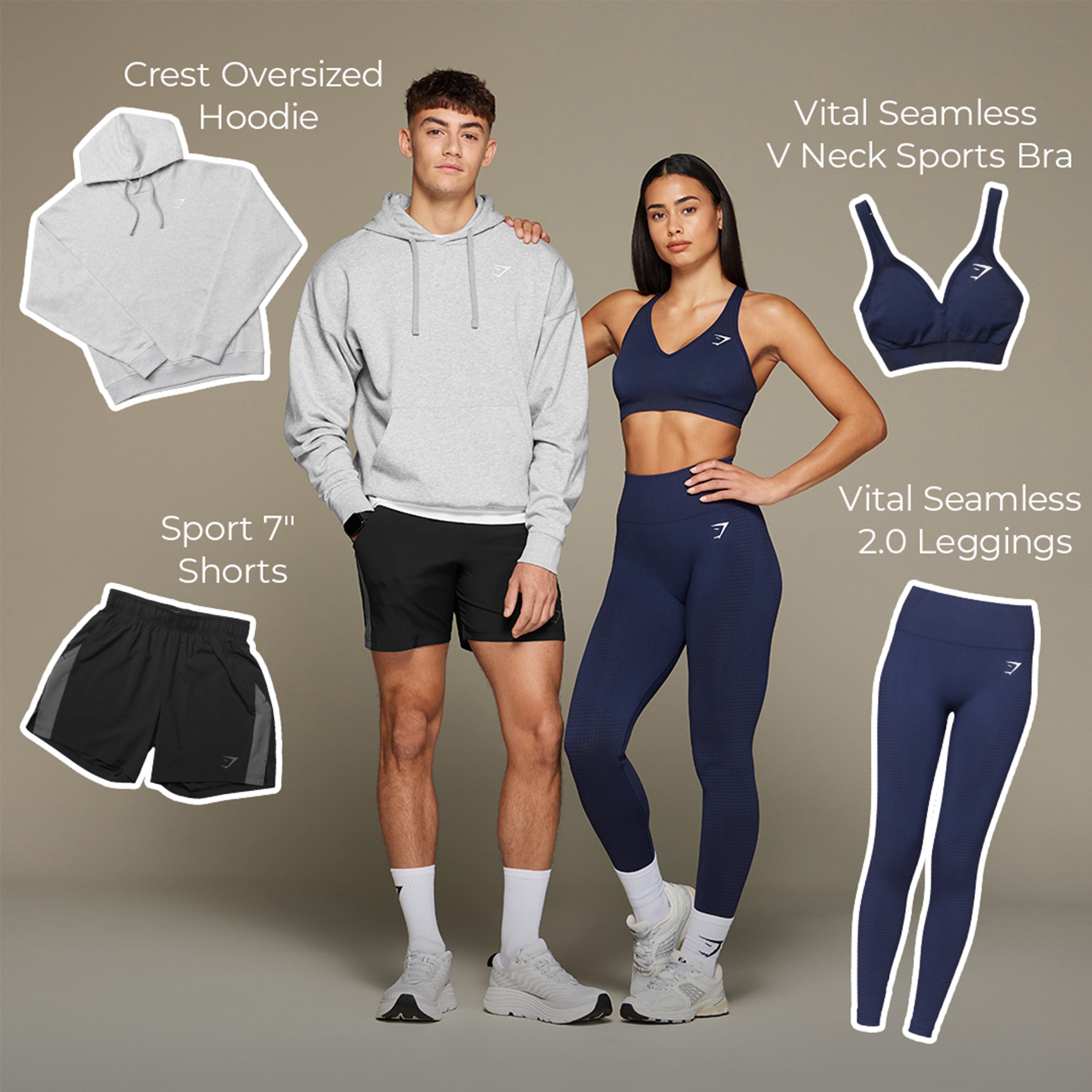
A pair of stretchy leggings or athletic shorts allows for full movement—whether you’re squatting, stretching, or running. Normal jeans or trousers can feel tight and limit your range, making some exercises difficult or unsafe.
Temperature Control
Many gym clothes have mesh panels or breathable zones. These let heat escape and cool air in. Some even use fabric technology that reacts to your body temperature, helping you stay comfortable during intense sessions.
Injury Prevention
Wearing the right clothing can prevent injuries. Compression gear, for example, supports muscles and joints and reduces vibration. This may decrease soreness and speed up recovery.
Credit: www.cusnc.navy.mil
Why Normal Clothes Are Not Ideal For The Gym
It’s common to see beginners show up to the gym in regular t-shirts, jeans, or everyday shorts. While this might seem convenient, it often leads to problems.
Poor Moisture Management
Cotton t-shirts soak up sweat but do not dry fast. This can leave you cold after a workout or cause uncomfortable rubbing during longer sessions.
Limited Movement
Tight jeans or non-stretch fabrics can make exercises like lunges, squats, or yoga nearly impossible. This not only lowers your performance but increases injury risk.
Durability Issues
Everyday clothes are not built for repeated stretching or high-intensity movement. Seams might rip, fabric may thin, and colors fade quickly.
Hygiene Concerns
Regular clothes can trap sweat and bacteria, leading to unpleasant smells or even skin problems if worn repeatedly.
Comparing Comfort: Gym Clothes Vs Normal Clothes
Comfort is a major reason people switch to gym-specific clothing.
| Feature | Gym Clothes | Normal Clothes |
|---|---|---|
| Sweat Control | Excellent (moisture-wicking) | Poor (absorbs sweat) |
| Stretch & Flexibility | High (spandex blends) | Low to moderate |
| Seam Comfort | Flat/hidden seams | Regular seams, may chafe |
| Breathability | High (mesh zones) | Low (except some casual wear) |
Non-obvious tip: Even the thread used in gym clothes is often softer and designed to move with your body, reducing irritation.
Health And Safety: What You Wear Matters
Preventing Overheating
Gym clothes are designed to release heat and let your skin breathe. Overheating is a real risk, especially during cardio or intense classes. Wearing heavy or non-breathable clothes can trap heat, making you dizzy or tired faster.
Reducing Skin Issues
Synthetic gym fabrics are less likely to hold bacteria. This means fewer breakouts, rashes, or fungal infections. Wearing regular clothes, especially if you work out often, can increase these risks.
Supporting Joints And Muscles
Some gym wear, like compression leggings or sleeves, helps blood flow and provides gentle support. This can make a big difference for people with joint pain or those recovering from injuries.
Gym Clothes Boost Motivation And Confidence
What you wear affects how you feel. Many people report feeling more motivated when they put on workout gear. This is sometimes called “enclothed cognition”—the idea that clothing influences behavior. Wearing specialized gym clothes can send a signal to your brain that it’s time to focus and perform.
Also, gym attire is often designed to flatter the body. Feeling good about your appearance can boost confidence and make you more likely to stick with your fitness routine.

Credit: themomedit.com
Style And Personal Expression
While normal clothes offer many choices for style, gym brands now create clothing that is both functional and fashionable. Bright colors, unique patterns, and different fits help you express your personality—even when sweating.
Some people even wear gym clothes outside the gym for errands or casual outings. This trend, called “athleisure,” mixes comfort with style and is popular worldwide.
Cost Analysis: Are Gym Clothes Worth The Price?
Gym clothes can sometimes be more expensive than basic t-shirts or shorts. But is the investment worth it?
| Item | Average Gym Wear Price | Average Normal Wear Price | Longevity (with gym use) |
|---|---|---|---|
| Top/Shirt | $25 - $50 | $10 - $20 | High (months to years) |
| Shorts/Pants | $30 - $60 | $20 - $40 | Medium to low |
| Socks | $10 - $20 | $5 - $10 | High |
Gym clothes often last longer when used for their purpose, while normal clothes may wear out quickly if used for intense activity. Investing in even a few pieces of quality gym wear can save money over time.
Insider tip: Watch for sales or outlet stores to get quality gym clothing at a lower price.
Credit: www.gymshark.com
Environmental Impact: Which Is Greener?
Both gym and normal clothes have environmental costs. However, some gym brands now use recycled materials or eco-friendly production methods. Because gym clothes are more durable for workouts, you may buy fewer replacements over time, which is better for the planet.
Example: A recycled polyester gym shirt can save up to 30% energy during production compared to new polyester.
When choosing gym clothes, look for brands that use organic cotton, recycled fibers, or offer recycling programs for old gear.
Practical Situations: When Can You Use Normal Clothes At The Gym?
While gym clothes are best for most activities, there are some cases when normal clothes work:
- Walking: Casual, gentle walks can be done in regular t-shirts or shorts if comfort allows.
- Light stretching: For basic stretching, loose everyday clothing is usually fine.
- At-home workouts: If you’re doing low-impact exercise at home, comfort matters more than technical features.
However, for intense cardio, weightlifting, or group classes, gym-specific clothing is a much better choice.
Common Mistakes: Wearing The Wrong Clothes To The Gym
- Cotton overload: Wearing all-cotton outfits soaks up sweat and feels heavy.
- Loose clothes: Oversized shirts or pants can get caught on equipment.
- Inappropriate shoes: Wearing sandals, dress shoes, or fashion sneakers can cause injuries.
- No change after workout: Not switching out of sweaty clothes increases risk of skin issues.
- Ignoring fit: Clothes that are too tight restrict movement; too loose can be dangerous.
How To Choose The Right Gym Clothes
Material Matters
Look for moisture-wicking fabrics like polyester, nylon, or blends with spandex. Avoid heavy cotton or wool.
Fit For Function
Choose clothing that fits your body—not too tight, not too loose. Try bending, stretching, or jumping in the fitting room to check comfort.
Purpose-built Features
- For running: Reflective details, lightweight shorts
- For yoga: High-waist leggings, soft seamless tops
- For weightlifting: Stretchy, supportive tanks or tees
Season And Environment
In hot weather, wear lighter colors and mesh fabrics. In cold conditions, layer with technical jackets or base layers.
Care And Maintenance
Wash gym clothes separately from normal laundry. Use gentle detergent and avoid fabric softener, which can block sweat-wicking properties. Hang dry when possible to extend the life of the fabric.
Gym Clothes For Different Body Types
Everyone’s body is different. The best gym clothes should help you feel comfortable and confident.
- Curvy figures: Look for high-waist leggings and tops with support.
- Tall: Choose brands that offer longer inseams or tall sizes.
- Petite: Cropped leggings and fitted tops work well.
- Plus-size: Many brands now offer extended sizes with the same performance benefits.
Try on several brands to find the right fit. The goal is to support your workout, not to squeeze or hide your body.
Special Cases: Medical, Cultural, And Gender Needs
Some people need specialized gym wear:
- Medical conditions: Compression garments, anti-microbial fabrics, or tagless designs can help.
- Cultural needs: Modest gym wear, like long sleeves or hijab-friendly designs, is now widely available.
- Gender expression: Many brands now offer gender-neutral or inclusive sizing.
Ask a fitness professional if you have special needs. There are more options than ever, so you don’t have to compromise comfort or respect your values.
Gym Clothes And Technology
Modern gym wear is more than just fabric. Some items now include:
- Smart fabrics: Measure heart rate, sweat, or body temperature.
- UV protection: Block harmful sun rays for outdoor workouts.
- Odor control: Special coatings fight bacteria and smell.
These features can improve both performance and experience, especially for frequent exercisers.
Cleaning And Maintaining Gym Clothes Vs Normal Clothes
Gym clothes need extra care to keep their properties:
- Wash after each use to remove sweat and bacteria.
- Avoid hot water which can damage stretch fibers.
- Skip the dryer if possible—air dry to prevent shrinking or damage.
- No fabric softeners as they block moisture-wicking ability.
Normal clothes can handle more regular washing, but gym fabrics need a gentle approach. This helps them last longer and work better over time.
Can You Mix Gym And Normal Clothes?
Many people create their own style by mixing gym pieces with regular clothes. For example, you might wear athletic leggings with a casual jacket or gym shoes with jeans. This is part of the athleisure trend. It works well for casual outings but is not always suitable for heavy exercise.
Non-obvious insight: Mixing gym and normal clothes can work for low-impact activities, but for high-intensity sessions, stick to full gym gear for safety and comfort.
Social And Psychological Effects
Wearing gym clothes can help you feel like part of a fitness community. It signals commitment to others and can even help you make friends or feel more comfortable in a new environment.
Conversely, showing up in normal clothes can sometimes make you feel out of place, especially in gyms where most people wear athletic gear. This is not a rule, but many report feeling more motivated and included when dressed for the activity.
What Science Says About Gym Clothes
Research shows that people who wear specialized athletic clothing often perform better and feel more confident. One study published by the Journal of Sport and Exercise Psychology found that clothing choice affects motivation, focus, and even perceived effort.
For further reading, check out this Wikipedia article on athleisure for more about the impact of athletic clothing on culture and behavior.
Summary Table: Gym Clothes Vs Normal Clothes
Here’s a quick comparison for easy reference:
| Aspect | Gym Clothes | Normal Clothes |
|---|---|---|
| Best Use | Exercise, sports | Daily wear, casual activities |
| Sweat Management | Excellent | Poor |
| Comfort During Activity | High | Low to moderate |
| Injury Prevention | Supports, compresses | No support |
| Durability for Exercise | High | Low |
| Style Variety | Many options | Even more options |
| Cost | Medium to high | Low to high |
| Motivation Boost | Yes | Rare |
Frequently Asked Questions
Can I Use Normal Clothes For A Workout If I Don't Have Gym Wear?
Yes, you can use normal clothes for light activities like walking or gentle stretching. But for intense workouts, gym-specific clothing is safer, more comfortable, and will last longer.
Why Do Gym Clothes Smell Less Than Normal Clothes After Sweating?
Gym clothes use moisture-wicking and anti-microbial fabrics that keep sweat away from your skin and stop bacteria from growing. Regular clothes, especially cotton, trap sweat and bacteria, which causes odor.
How Many Gym Outfits Should I Own?
For most people, owning 2–3 gym outfits is enough if you wash them after each use. If you work out daily, you may want 4–5 sets so you always have clean gear ready.
Are Expensive Gym Clothes Really Better?
Price does not always mean better quality. Focus on material, fit, and features instead of brand name. Some affordable gym wear offers the same benefits as high-end brands. Watch for sales and try different options.
What Should I Avoid Wearing At The Gym For Safety?
Avoid jeans, tight non-stretch fabrics, open-toed shoes, and anything too loose that could get caught on equipment. Always choose shoes with good grip and support.
---
Choosing between gym clothes and normal clothes is about more than just looks. The right clothing can improve your performance, keep you safe, and make your fitness journey more enjoyable. Whether you’re new to exercise or a seasoned athlete, investing in a few quality gym pieces is a smart move.
Remember, comfort, fit, and safety come first—let style and brand come after. With the knowledge from this guide, you can make the best choice for your workouts and your lifestyle.
