

Graphics on T Shirt: Top Trends to Elevate Your Wardrobe
Graphics on T Shirt: The Complete Guide to Design, Printing, and Impact
T-shirts are more than just clothes. They are a way to show personality, ideas, and even art. When you add graphics to a T-shirt, it can turn a simple item into something special. People use graphic T-shirts to express humor, beliefs, culture, and style.
From streetwear fashion to business promotions, the power of graphics on T-shirts cannot be ignored.
But what makes a T-shirt graphic effective? How do you choose the best design and printing method? What are the trends, and what mistakes should you avoid? In this guide, you’ll learn everything you need to know about graphics on T-shirts.
Whether you want to design your own shirts, start a business, or just understand the process, this article will give you clear answers and practical tips.
What Are Graphics On T-shirts?
A graphic on a T-shirt is any visual image, text, or artwork printed or applied onto the fabric. These graphics can be simple, like a logo, or complex, like a detailed painting. The main idea is to use images, shapes, or words to send a message or show a style.
Some common types of T-shirt graphics include:
- Logos: Company or brand marks.
- Illustrations: Drawings, cartoons, or artistic images.
- Quotes and Text: Words, sayings, or slogans.
- Photographs: Real-life images printed on fabric.
- Patterns: Repeating shapes or symbols.
Graphics can be bright and bold or soft and subtle. The choice depends on the purpose and the target audience.
Why Graphics On T-shirts Are So Popular
There are many reasons why people love graphic T-shirts. Here are some key points:
- Self-expression: People use graphics to show what they love or believe.
- Fashion statement: Graphic tees are often at the center of fashion trends.
- Marketing tool: Businesses use T-shirt graphics to promote brands and events.
- Memorabilia: Events, concerts, and trips often have special T-shirts with unique graphics.
- Conversation starters: A clever or funny graphic can attract attention and start discussions.
In fact, the global custom T-shirt printing market is estimated at billions of dollars, showing just how important graphics are in this industry.
The Main Types Of T-shirt Graphics
Choosing the right type of graphic is important. Here are the most common styles used on T-shirts:
1. Text-based Graphics
These designs focus on words, quotes, or slogans. Fonts, color, and layout matter a lot here. Text graphics can be funny, inspirational, or simple statements like “Just Do It” or “I Love NY. ”
2. Illustration-based Graphics
Hand-drawn or digitally created images are popular, ranging from cartoons to abstract art. These graphics often stand out and attract attention.
3. Photo-based Graphics
Photos printed on T-shirts create a bold and realistic effect. They can show people, places, or events.
4. Logo And Branding Graphics
Companies and sports teams use their logos on T-shirts for promotion and identity. This type is seen in uniforms and fan merchandise.
5. All-over Prints
These graphics cover the whole T-shirt, not just the front or back. All-over prints can create a dramatic look with patterns, landscapes, or large images.
6. Minimalist Graphics
Simple shapes, icons, or small text placed carefully. Minimalist designs are stylish and popular in modern fashion.
7. Vintage And Retro Graphics
Old-school logos, faded images, and classic fonts give T-shirts a nostalgic feel. Retro styles often use washed-out colors and distressed effects.
8. Artistic And Abstract Graphics
These designs focus on creativity and expression. Abstract art, paint splatters, and unique shapes make the T-shirt a canvas for art.
Designing Graphics For T-shirts: What Matters
Good T-shirt graphics start with good design. Here are the important things to think about:
Simplicity Is Powerful
Many of the most successful T-shirt graphics are simple. Too many details or colors can make a design hard to read or print. Start with a clear idea, and don’t be afraid to keep it minimal.
Contrast And Color Choice
High contrast between the graphic and T-shirt color helps the design stand out. Think about how colors look on fabric compared to screens. Some colors may look duller on cotton.
Placement And Size
Where you put the graphic is important. Chest, back, sleeve, or even a small logo near the hem — each spot gives a different effect. The size should fit the T-shirt and not look too small or too big.
Audience And Message
Who will wear the T-shirt? Is it for kids, adults, fans, or a business? The style and content of the graphic should fit the audience and purpose.
File Quality And Resolution
A common beginner mistake is using low-resolution images. For clear printing, use high-quality files (usually 300 dpi or higher) and the right format (like PNG or vector files).
Fonts And Readability
If your design uses text, pick a font that’s easy to read from a distance. Avoid thin or overly decorative fonts unless they match the style and are still clear.
Originality
Copying other designs can get you in trouble and does not build your brand. Try to create something unique or give a new twist to a popular idea.
Popular Printing Methods For T-shirt Graphics
How you put the graphic on the T-shirt affects the look, feel, and durability. Here are the most common printing methods:
Screen Printing
Screen printing uses a mesh screen to apply ink to the T-shirt. It’s the most popular method for bulk orders because it’s affordable and durable.
Pros:
- High quality and long-lasting
- Great for large orders
- Bright, solid colors
Cons:
- Expensive for small quantities
- Each color needs a separate screen
Direct-to-garment (dtg) Printing
DTG works like an inkjet printer, but for fabric. It allows for detailed, full-color images.
Pros:
- Good for small runs or one-offs
- Handles detailed and colorful designs
- Soft feel on the shirt
Cons:
- Not as durable as screen printing
- Works best on 100% cotton shirts
Heat Transfer Printing
This method uses heat to transfer a design (printed on special paper) onto the T-shirt.
Pros:
- Easy for small batches
- Works with complex images
- No setup costs
Cons:
- Can peel or crack over time
- Not as breathable
Dye Sublimation
Dye sublimation is best for all-over prints and works mainly on polyester fabrics.
Pros:
- Vibrant, permanent colors
- No feel to the print
- Great for all-over designs
Cons:
- Only works on light polyester
- Not suitable for cotton
Vinyl Cutting
A machine cuts designs from colored vinyl sheets, which are then pressed onto the shirt.
Pros:
- Good for numbers, names, or simple logos
- Durable and flexible
Cons:
- Not good for detailed images
- Limited color options
Embroidery
While not a print method, embroidery is popular for logos and adds a 3D, textured look.
Pros:
- Very durable
- Premium appearance
Cons:
- Expensive
- Limited to simple designs
Here’s a quick comparison of these printing methods:
| Method | Best For | Durability | Order Size | Fabric |
|---|---|---|---|---|
| Screen Printing | Bulk Orders | High | Large | Most types |
| DTG Printing | Full Color Images | Medium | Small | Cotton |
| Heat Transfer | Small Runs | Low-Medium | Small | Most types |
| Dye Sublimation | All-Over Prints | High | Any | Polyester |
| Vinyl Cutting | Simple Logos | High | Small | Most types |
| Embroidery | Logos | Very High | Any | Most types |
The Role Of Fabric In T-shirt Graphics
The type of fabric you choose affects how the graphic looks and lasts. Here are some common fabrics used in T-shirts:
Cotton
100% cotton is soft, breathable, and good for most printing methods, especially screen printing and DTG. It’s comfortable for daily wear.
Polyester
Polyester is more durable and dries quickly. It’s best for dye sublimation printing and sportswear.
Blends
Many T-shirts use a blend of cotton and polyester, offering a balance of softness and durability. Blends can affect how bright and sharp the graphic appears.
Specialty Fabrics
Some shirts use bamboo, rayon, or organic cotton. These may need special inks or treatments. Always test your graphic method on the fabric first.
Here’s a simple comparison of how popular fabrics work with different printing methods:
| Fabric | Screen Printing | DTG | Dye Sublimation | Heat Transfer |
|---|---|---|---|---|
| 100% Cotton | Excellent | Excellent | Poor | Good |
| Polyester | Good | Poor | Excellent | Good |
| Cotton-Poly Blend | Excellent | Good | Good | Good |
| Specialty | Varies | Varies | Varies | Varies |

Credit: www.trendythreadsinc.com
Trends In T-shirt Graphics
Fashion changes fast, and so do trends in T-shirt graphics. Here are some of the latest ideas making waves:
Vintage And Retro
Old-school graphics, faded effects, and classic cartoon characters are back in style. People love the nostalgia and unique look.
Bold, Oversized Prints
Big, eye-catching graphics that cover most of the shirt are popular, especially in streetwear.
Minimalism
Simple icons, line drawings, or small logos placed off-center give a modern, clean look.
Tie-dye And Abstract Patterns
Bright colors and random shapes are popular, especially with younger crowds.
Social And Political Messages
People use T-shirts to share opinions, raise awareness, or support causes. Graphics with strong messages are more common than ever.
Eco-friendly Designs
Designs that show care for the planet or use recycled materials are gaining attention.
Customization
Personalized T-shirt graphics, such as names, photos, or custom art, are now easy to order online.
Common Mistakes In T-shirt Graphics
Even experienced designers can make mistakes with T-shirt graphics. Avoid these common problems:
Low-quality Images
Printing a blurry or pixelated image will ruin the shirt. Always use high-resolution graphics.
Bad Color Choices
Colors that don’t stand out or clash with the shirt color will make the design less attractive.
Ignoring Placement
A graphic that’s too high, too low, or off-center can look awkward.
Too Much Detail
Tiny details may not print well, especially on small T-shirts or with certain methods.
Lack Of Testing
Not testing the graphic on the actual shirt can lead to surprises, like colors not matching or the graphic feeling stiff.
Forgetting The Audience
A design that works for teens may not suit business promotions. Always think about who will wear the shirt.
Not Considering Fabric
Some designs look great on cotton but not on polyester. Test before making large orders.
How To Create Your Own T-shirt Graphics
Creating your own T-shirt graphics is easier than ever, thanks to digital tools and online services. Here’s how to get started:
1. Start With An Idea
Think about what you want to say or show. Sketch your idea on paper or use a drawing app.
2. Choose Your Software
You can use graphic design programs like Adobe Illustrator, CorelDRAW, or free tools like Canva and GIMP. For simple designs, even a mobile app can work.
3. Set Up The Canvas
Make sure your design file matches the size you want on the shirt. Set the resolution to 300 dpi or more for sharp printing.
4. Use Layers
Working with layers lets you move parts of your design easily and make changes without starting over.
5. Pick The Right Colors
Check how your colors look on both light and dark backgrounds. Some programs let you preview your design on a T-shirt mockup.
6. Save In The Right Format
Most printers prefer PNG (with a transparent background) or vector files like AI or SVG.
7. Test Print
Before making a big order, print a sample or use a print-on-demand service to check the result.
8. Get Feedback
Show your design to friends or your target audience. Honest feedback can help you improve before printing.
The Impact Of T-shirt Graphics In Business And Culture
Graphics on T-shirts have a bigger role than just fashion. They influence business, culture, and even social change.
Business Branding
Companies use branded T-shirts to build identity and loyalty. Staff uniforms with logos create a professional look. Promotional T-shirts given as gifts or at events spread the brand to new people.
Fundraising And Awareness
Charities and movements use graphic T-shirts to raise money and spread messages. A well-designed T-shirt can become a symbol for a cause.
Pop Culture And Trends
Music bands, movies, and celebrities use T-shirt graphics to connect with fans. Iconic graphics, like band logos or movie quotes, can become part of pop culture.
Art And Creativity
T-shirt graphics allow artists to reach a bigger audience. Some artists have built careers by turning their art into wearable designs.
Social Statements
From protest slogans to humor about current events, T-shirt graphics are a way for people to share opinions in public.
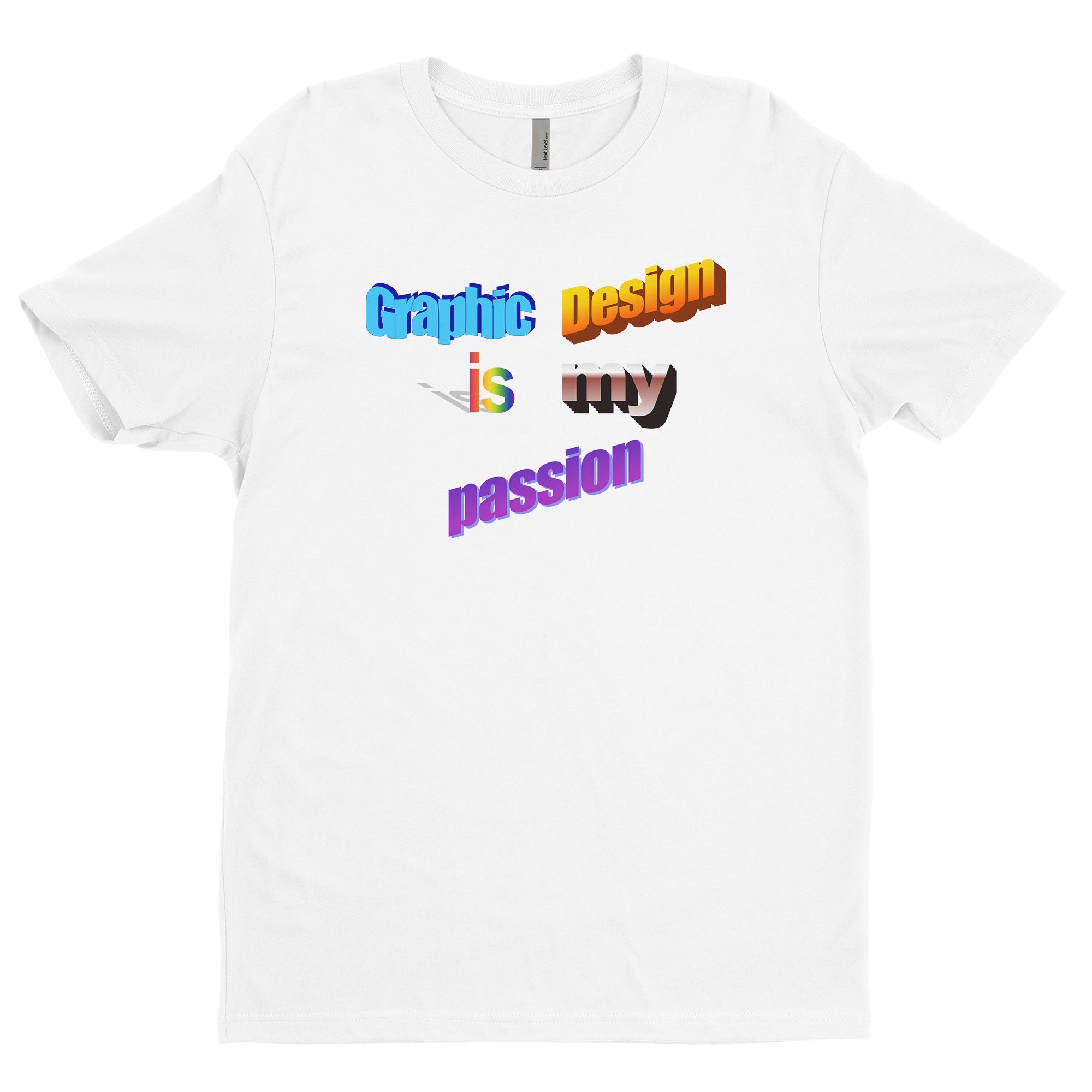
Credit: www.tb4a.com
How To Choose A Printing Company For T-shirt Graphics
Picking the right printer is important for quality and service. Here’s what to check:
Quality Of Printing
Look at samples or reviews. Is the print sharp and bright? Does it last after washing?
Printing Methods Offered
A good company should offer several options (screen printing, DTG, etc. ) To match your needs.
Minimum Order Size
Some companies require large orders, while others print just one shirt.
Turnaround Time
How long does it take to get your shirts? Quick service can be important for events.
Pricing
Compare prices, but don’t choose only by cost. Low prices can mean lower quality.
Customer Service
Good communication and clear answers to your questions are a sign of a reliable company.
Eco-friendly Options
If you care about the environment, ask about water-based inks, organic shirts, or eco-friendly practices.
For more detailed information about different printing methods and their pros and cons, you can check Wikipedia.
Real-world Examples Of Effective T-shirt Graphics
Seeing actual examples can help you understand what works. Here are a few cases:
Popular Brand Logos
Brands like Nike and Adidas have simple, strong logos that are easy to recognize. Their T-shirts are popular worldwide because of this instant brand connection.
Event T-shirts
Marathon and concert T-shirts often use bold graphics, dates, and sponsor logos. The design must be easy to read and remember, even from a distance.
Social Movements
T-shirts with slogans like “Black Lives Matter” or “Save the Planet” use large, clear text and simple graphics to make a strong statement.
Artist Collaborations
Artists like Keith Haring and Takashi Murakami have worked with fashion brands to put their art on T-shirts. This brings art to everyday life and a wider audience.
Humorous Tees
Funny graphics or clever puns are always popular. For example, a shirt with a cat and the phrase “Working from Home Supervisor” mixes humor and a cute image for a broad appeal.
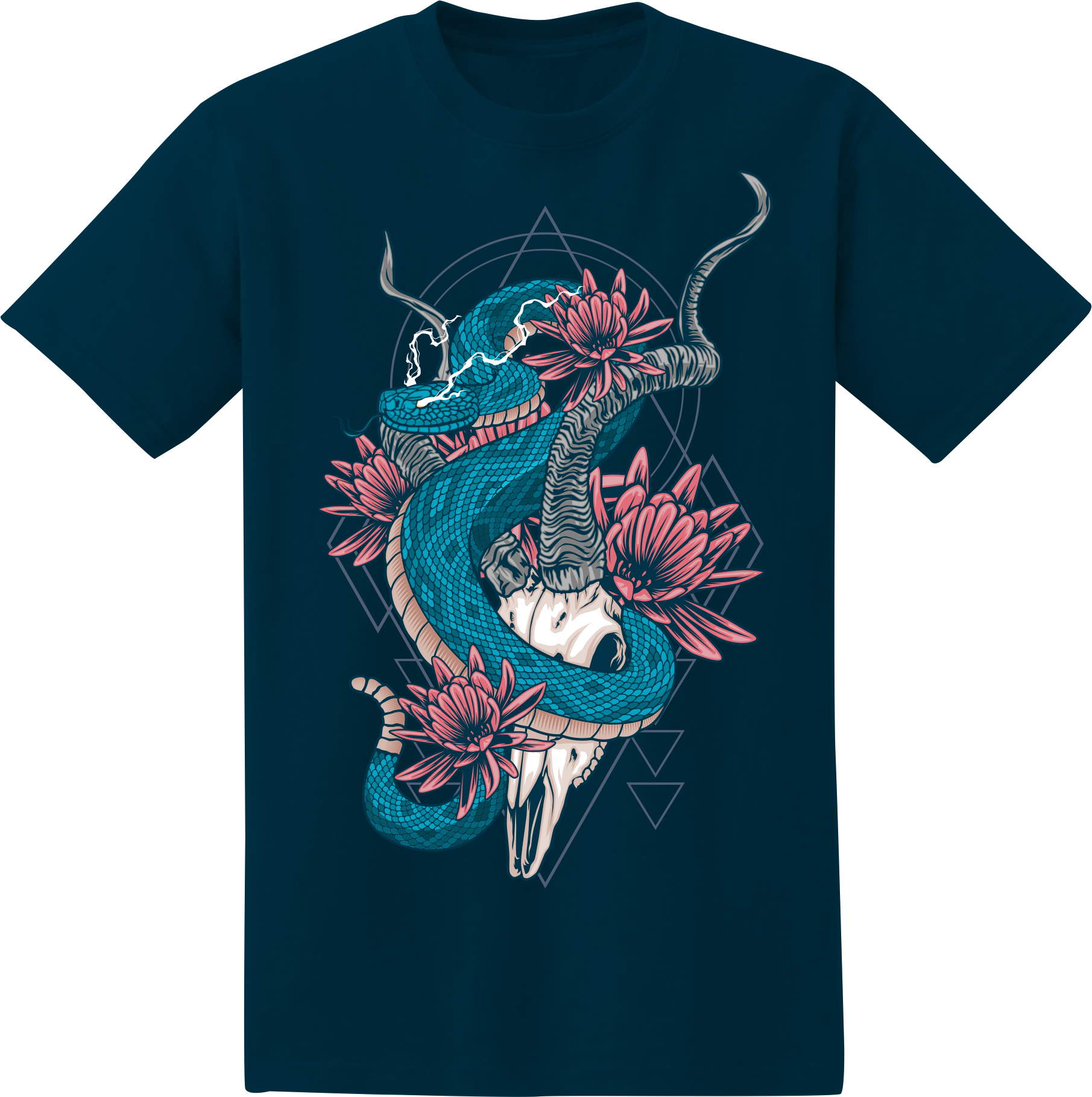
Credit: graphics-pro.com
Tips For Maintaining T-shirt Graphics
To keep your T-shirt graphics looking fresh, follow these tips:
- Wash inside out: This protects the graphic from friction and fading.
- Use cold water: Hot water can make colors fade faster.
- Avoid bleach: Bleach can damage both fabric and print.
- Hang dry or use low heat: High heat can crack or peel the graphic.
- Iron carefully: Never iron directly on the print. Place a cloth between the iron and graphic if needed.
Many people forget that even the best graphic will fade if you don’t care for the shirt properly.
How Graphics On T-shirts Affect Trends And Society
T-shirt graphics are not just about looks. They reflect and shape trends in society.
- Youth Culture: Teens and young adults use graphic tees to fit in with groups or show rebellion.
- Identity: Groups, clubs, and teams use custom graphics to build unity and pride.
- Protest and Change: T-shirts with protest slogans have been part of many social movements.
- Global Influence: Popular graphics spread quickly through social media, making T-shirts part of a global fashion conversation.
Many beginners do not realize how quickly a simple graphic can become a viral trend, or how a small design can have a big impact when worn by the right person.
Frequently Asked Questions
What File Format Is Best For T-shirt Graphics?
The best formats are PNG (with transparent background) for images and vector files like AI or SVG for logos and line art. These formats keep the design sharp and make it easy for printers to scale the image.
Can I Print Any Image On A T-shirt?
You can print most images, but you must have the right to use them. Avoid copyrighted images unless you have permission. Also, make sure the image is high quality for clear printing.
How Do I Choose The Right T-shirt Color For My Graphic?
Pick a T-shirt color that makes your graphic stand out. Light graphics work best on dark shirts and vice versa. Always check a mockup or sample before printing many shirts.
What Is The Most Durable Printing Method For T-shirt Graphics?
Screen printing and embroidery are the most durable methods. They last through many washes and keep their color and shape better than some digital methods.
How Do I Make Sure My Graphic Will Look Good After Washing?
Use high-quality printing and follow care instructions, like washing inside out and avoiding high heat. Also, choose a reputable printer that uses good inks and techniques.
Graphics on T-shirts are a powerful way to combine art, message, and fashion. With the right design, printing method, and care, you can turn a simple shirt into something truly memorable and impactful. Whether for personal style, business, or social change, T-shirt graphics continue to shape how we express ourselves every day.
