

Graphic Tees Design: Trendy Ideas to Elevate Your Style
Graphic Tees Design: Complete Guide To Concepts, Trends, And Creation
Graphic tees are more than just shirts. They are a canvas for self-expression, art, and messages. These tees have become a powerful part of fashion and culture. From bold slogans to detailed illustrations, graphic tees design has grown into a creative field where anyone can make a statement. Whether you want to create your own line, learn about trends, or understand what makes a tee stand out, this guide will help you explore the world of graphic tees design step by step.
What Is Graphic Tees Design?
At its core, graphic tees design means adding graphics—such as images, text, or patterns—to t-shirts. The goal is to create something eye-catching, meaningful, or simply fun to wear. Designers use digital tools or hand-drawn art, then print or embroider the designs onto cotton, polyester, or blended shirts.
Graphic tees can serve many purposes:
- Personal expression: Show off hobbies, beliefs, or humor.
- Branding: Promote a business, event, or social cause.
- Art: Feature unique or limited-edition illustrations.
- Community: Connect people with similar interests.
The best designs communicate something quickly, often at a glance. This is why graphic tees are popular across ages and cultures. They let people share what they love, support causes, or simply enjoy fun designs without saying a word. For example, a tee with a simple coffee cup can show your love for coffee, while one with a protest slogan can reveal your beliefs.
In many ways, graphic tees have become walking billboards—sometimes for businesses, but often for ideas and individual personalities.
The Key Elements Of Graphic Tees Design
Creating a great graphic tee is more than putting a logo on a shirt. Here are the most important elements to consider:
1. Concept
Every successful tee starts with a strong concept. This could be a joke, a clever phrase, a pop culture reference, or an abstract image. The concept drives everything else, from colors to style. For example, if your concept is humor, you might choose a playful font and bright colors. If the idea is activism, bold text and powerful imagery work best. Taking time to brainstorm and refine your idea is key. Sometimes, it helps to test your concept by sharing it with friends or your target audience. Their reactions can show if your idea is clear and interesting.
2. Artwork
The artwork can be anything:
- Illustrations (cartoons, realistic drawings)
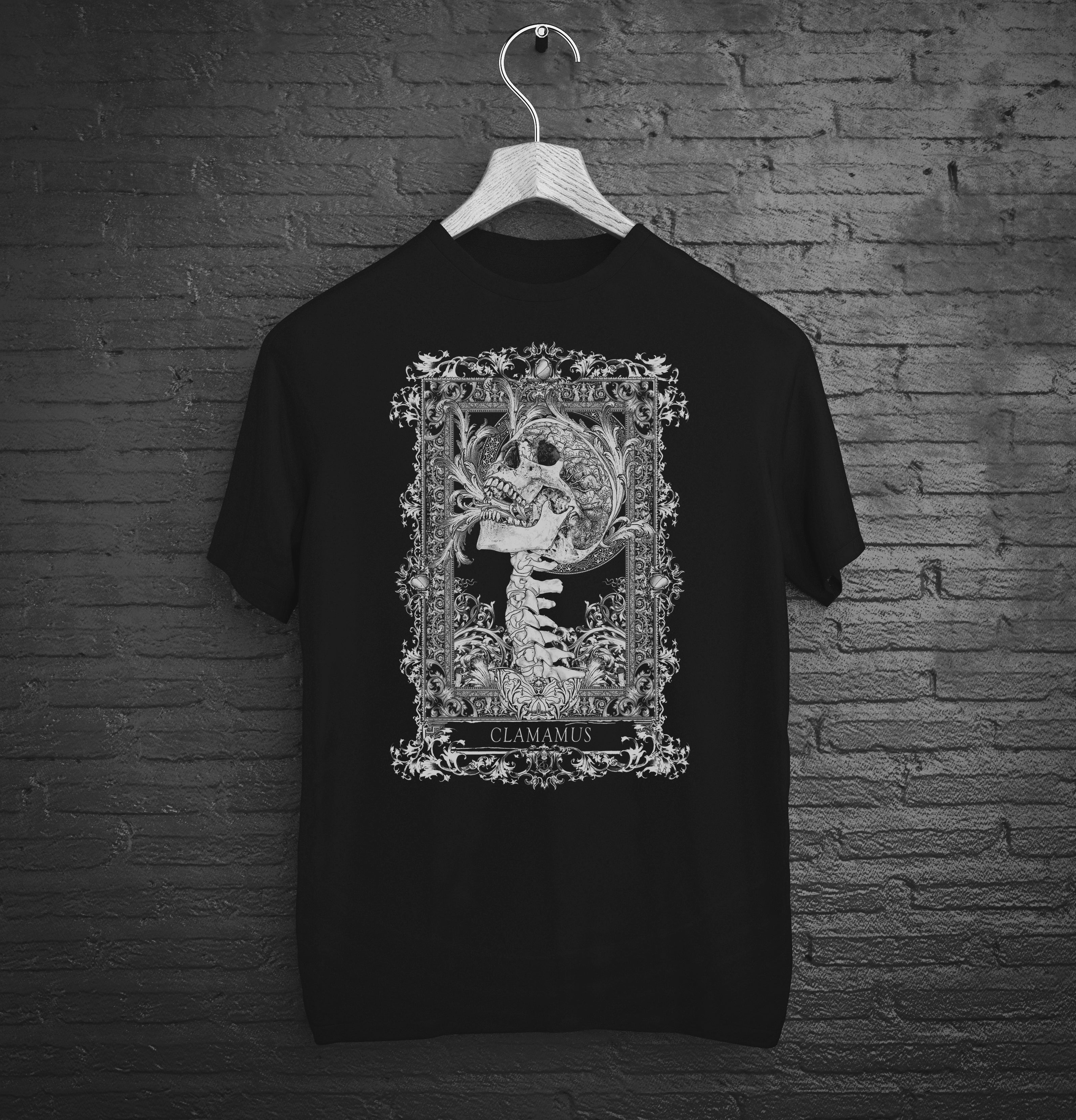
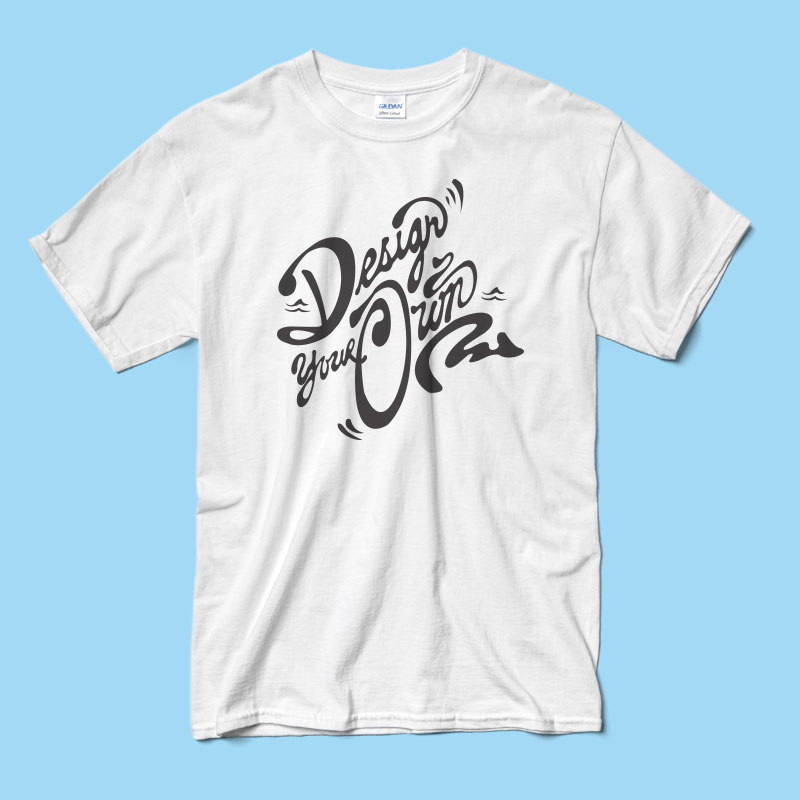
- Typography (quotes, slogans, word art)
- Photos (edited or raw)
- Patterns and shapes
High-quality artwork is clear, bold, and readable from a distance. It’s common for designs to lose their power if the lines are too thin or the colors too similar. For this reason, designers often use vector graphics, which scale without losing sharpness.
Sometimes, mixing hand-drawn and digital art creates a unique look. For example, a hand-sketched animal with digital color can feel fresh and authentic.
3. Placement
Where the design sits on the shirt changes its impact. Common placements include:
- Center chest: Most popular and visible
- Pocket area: Subtle and stylish
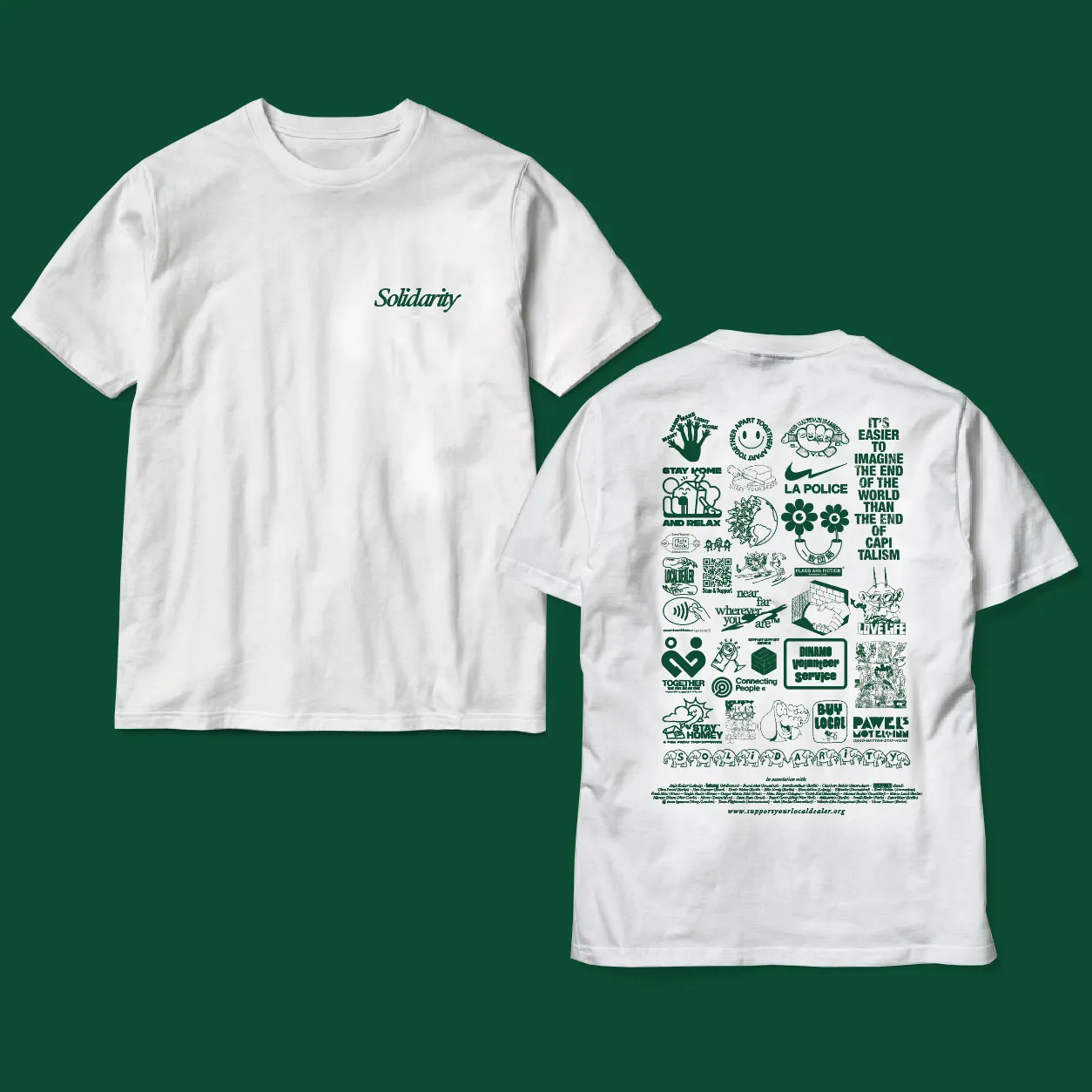
- Back: Large canvas for detailed art
- Sleeves or hem: For small logos or icons
Don’t be afraid to experiment. Some brands print under the collar, on the lower side, or even inside the shirt for a secret message. Placement can be a creative tool. For example, a small heart over the chest can feel intimate, while a giant back print can make a bold statement.
Remember, the placement should match the message and style of your design.
4. Color Scheme
Good graphic tees use a cohesive color palette. Designers pick colors that stand out against the shirt’s fabric. Contrasts (like white on black) are common, but subtle tones can create a premium look. Choosing the right colors also affects print cost and how long the tee looks new. For instance, lighter inks on dark shirts often need extra layers, and neon colors may fade faster. A simple trick is to use a color wheel to find pleasing combinations, or look at trending palettes in fashion.
5. Shirt Material And Fit
The material and cut of the tee affect both comfort and how the print looks. Popular options are:
- 100% cotton: Soft, breathable, absorbs ink well
- Cotton/poly blend: Durable, less shrinking
- Fitted vs. loose: Influences the vibe (streetwear, athletic, casual)
Some designs work better on certain fabrics. For example, large prints are easier to wear on loose, oversized shirts, while fitted tees highlight smaller or minimalist designs. Also, think about the climate: heavier cotton is great for cool weather, while lighter blends suit summer.
6. Printing Technique
Several printing methods exist. The most common are:
- Screen printing: Vivid colors, durable, best for bulk orders
- Direct-to-garment (DTG): Great for detailed or colorful art, flexible for small runs
- Heat transfer: Quick but less durable
- Embroidery: Adds texture, good for logos
Choosing the right method depends on your design, budget, and order size. For example, screen printing is cost-effective for 50+ shirts, but DTG is better for a small batch with many colors. Some advanced techniques include puff ink (for a raised effect) and discharge printing (for a soft, vintage look).
7. Message
The best tees deliver a clear message. This could be serious (activism), playful, or mysterious. The message should fit the target audience and the brand’s voice. If your audience is young and trendy, humor or memes might work. For professional or charity tees, clarity and impact matter more than style. It’s important that your message can be understood at a glance, even from a few meters away.
Credit: www.itsnicethat.com
Popular Types Of Graphic Tees
Graphic tees come in many styles. Here are some of the most loved types:
- Band Tees: Feature music groups, album art, or tour dates.
- Slogan Tees: Simple phrases or statements, often witty or motivational.
- Vintage/Retro Tees: Old-school logos, faded prints, nostalgic images.
- Artistic Tees: Custom illustrations, paintings, or digital art.
- Logo Tees: Highlight a brand or company.
- Pop Culture Tees: TV, movies, comics, memes.
- Sports Tees: Team logos, numbers, or player names.
- Minimalist Tees: Simple, clean designs with little text or graphics.
- Patterned Tees: Repeating icons, shapes, or all-over prints.
- Custom Tees: Personalized for events, gifts, or small groups.
Each type has a unique audience and purpose. For example, band tees are popular with music fans and often become collectibles. Slogan tees can be conversation starters, while minimalist tees attract those who prefer subtlety. Patterned tees work well for fashion-forward buyers who want something different.
Understanding these categories helps you decide which style fits your idea or brand best.
The Graphic Tees Design Process
Designing a graphic tee can feel overwhelming at first. Breaking it down into clear steps makes it manageable:
Step 1: Research And Inspiration
Start by looking at existing designs. Explore sites like Pinterest, Behance, and Instagram. Notice what styles, colors, and messages catch your eye. Pay attention to what is popular in your target market. Look at both successful brands and small creators.
Sometimes, inspiration comes from outside fashion—like street art, album covers, or even nature.
Step 2: Concept Development
List out ideas. Sketch or write down different concepts. Ask yourself:
- What do I want the shirt to say?
- Who will wear it?
- What mood or message do I want to convey?
Try to come up with several options. Don’t settle for your first idea. Sometimes, combining two simple ideas leads to something special. For example, a classic slogan with a quirky drawing can feel new.
Step 3: Drafting The Design
Use paper or digital tools (like Adobe Illustrator, Procreate, or Canva) to create rough versions. Focus on:
- Layout (how elements are arranged)
- Scale (how big the design is on the shirt)
- Fonts (if using text)
At this stage, don’t worry about perfection. The goal is to see what works visually. You can use templates to check how the design looks on different shirt sizes.
Step 4: Finalizing Artwork
Clean up the design, add color, and make sure all lines are sharp. Convert text to outlines if needed. Check that your file meets the printer’s requirements (resolution, size, color mode). Print shops often ask for vector files or high-res PNGs with transparent backgrounds.
Double-check spelling and details—small mistakes can be expensive to fix later.
Step 5: Choosing Shirt And Print Method
Pick a shirt style, material, and color that fits your design. Decide if you’ll use screen printing, DTG, or another method. Each technique affects cost and appearance. For example, a detailed, colorful design is better suited for DTG than screen printing.
Step 6: Test Prints
Order a sample before printing in bulk. This lets you check colors, placement, and quality in real life. Sometimes, colors look different on fabric compared to screens. Test prints also help you feel the shirt’s softness and fit.
Step 7: Production
Once you’re happy, start full production. Keep an eye on print consistency and shirt quality. For larger orders, ask the printer to send a few random samples. Mistakes in production can happen, and it’s cheaper to catch them early.
Step 8: Marketing And Selling
Take good product photos. List the tees online, use social media, or sell at events. Share the story behind your design to attract buyers. Good marketing is more than just listing a product; it’s about connecting with people emotionally. User-generated content—photos of real customers wearing your tees—can boost trust and sales.
Trends In Graphic Tees Design
Fashion changes quickly, and graphic tees are no exception. Some trends come and go, while others stay popular for a long time. Here are key trends to watch:
1. Sustainability
Eco-friendly tees are in demand. This means using organic cotton, water-based inks, or recycled materials. Many buyers want to know their shirts are made responsibly. Some brands even use natural dyes or biodegradable packaging. Highlighting these details in your marketing can attract eco-conscious customers.
2. Minimalism
Simple, understated designs are popular. Small logos, single words, and neutral colors give a modern look. Minimalist tees work well for both fashion and everyday wear. They also tend to stay in style longer than trend-driven designs.
3. Oversized Prints
Large, bold graphics that cover most of the shirt grab attention. These are common in streetwear. Oversized prints can make simple artwork feel dramatic and expensive. Just be careful with placement—ensure the design doesn’t wrap awkwardly around the body.
4. Nostalgia
Retro designs, vintage cartoons, and throwback logos connect with buyers emotionally. Nostalgic tees remind people of their childhood or favorite eras. Distressed or faded effects can make new tees feel authentically vintage.
5. Hand-drawn Art
Unique, imperfect art styles stand out in a market full of digital designs. Hand-drawn art feels more personal and less mass-produced. Many small brands use this style to show authenticity.
6. Inclusive Messages
Tees with positive, diverse, or empowering messages are trending, reflecting wider social movements. Designs that celebrate different cultures, body types, or identities show customers they are seen and valued. Inclusive tees can build loyal communities.
7. Humor And Memes
Funny slogans, internet jokes, and meme-inspired designs make tees shareable and viral. These often sell fast but have a short life cycle, so timing is important.
8. All-over Prints
Full-coverage patterns (front, back, sleeves) look bold and artistic. This trend is growing with advances in printing technology. All-over prints can turn a simple tee into a statement piece.
9. Customized Tees
Buyers can add their name, photo, or a special date. Customization makes each tee unique. Print-on-demand services make this easy for small brands.
10. Local Pride
Designs featuring hometowns, local slang, or landmarks let people show pride in where they’re from. These tees often sell well at local events or tourist shops.
How To Create Your Own Graphic Tee: Practical Steps
If you want to design your own graphic tee, you don’t need to be a pro artist. Here’s how you can do it step by step:
- Pick Your Theme: Think about what you love or what message you want to share. For example, if you love nature, try sketches of mountains or animals.
- Choose a Design Tool: Free options like Canva or GIMP are great for beginners. Adobe Illustrator offers more features. Even simple apps on your phone can work for basic art.
- Design the Art: Start simple. Use bold shapes, clear fonts, or basic illustrations. If you can’t draw, try using icons or templates.
- Mock Up the Tee: Use online mockup generators to see how your design looks on a shirt. This helps you spot problems before printing.
- Select Shirt Type and Color: Match your art to the right shirt style and color for best results. High-contrast combos (like black ink on white fabric) usually work well.
- Find a Printer: Look for local print shops or print-on-demand services (like Printful or Teespring). Compare prices and reviews.
- Order a Sample: Never skip this step. Colors and sizes can look different in real life. Also, check the comfort and fit.
- Get Feedback: Show your sample to friends or online groups. Listen to honest opinions. Sometimes, small changes make a big difference.
- Make Changes: Tweak your design if needed before final production. Adjust colors, size, or placement based on feedback.
- Launch and Promote: Take clear photos, write a short story about your tee, and share it online. Sharing your creative process can attract more interest.
Mistakes To Avoid In Graphic Tees Design
Many beginners make the same errors. Here’s what to watch out for:
- Too Much Detail: Tiny lines or complex art can get lost, especially after washing. Make sure all details are visible from a short distance.
- Poor Color Choices: Low contrast or clashing colors make designs hard to read. Always preview your design on the final shirt color.
- Ignoring Shirt Fit: A great design can look bad on the wrong style or size. Test your design on different fits (unisex, women’s, oversized).
- Low-Resolution Art: Blurry or pixelated prints look unprofessional. Use high-res files and check printer requirements.
- Forgetting the Audience: Designing for yourself is fine, but if you want to sell, think about what buyers want. Research trends and ask for feedback.
- Not Testing a Sample: Skipping the test print can lead to costly mistakes. Always order at least one sample.
- Overcrowding the Design: Leave space for the art to breathe. Less is often more. Busy designs can be uncomfortable to wear.
- Copying Others: Inspiration is good, but copying can lead to copyright issues and a bad reputation. Aim for originality.
- Bad Typography: Fancy fonts can be hard to read. Choose clear, bold lettering. Test your text at different sizes.
- Ignoring Print Method Limits: Some techniques can’t print certain colors or effects. Learn about print limitations before finalizing your design.
Comparing Printing Methods For Graphic Tees
The print method affects cost, quality, and how your design looks. Here’s a comparison of the most popular options:
| Printing Method | Best For | Pros | Cons |
|---|---|---|---|
| Screen Printing | Large batches, simple designs | Durable, vivid colors, cost-effective in bulk | Expensive for small runs, limited color blending |
| Direct-to-Garment (DTG) | Small batches, detailed art | Unlimited colors, fine details, fast setup | Less durable, works best on cotton |
| Heat Transfer | One-offs, photos | Quick, full-color possible, low setup cost | Print may crack or peel over time |
| Embroidery | Logos, text | Textured, premium feel, very durable | Not good for complex images, higher cost |
Choosing the right method also affects the shirt’s feel. For example, screen prints can feel thick if there are many ink layers, while DTG prints are softer. Embroidery adds texture and a premium look but isn’t suitable for large designs.
Credit: www.engraversdungeon.com
How To Choose The Right Shirt For Your Design
The base shirt matters as much as the design. Here’s how different shirt types compare:
| Shirt Material | Feel | Print Quality | Best For |
|---|---|---|---|
| 100% Cotton | Soft, breathable | Vivid prints, absorbs ink well | Everyday wear, detailed art |
| Cotton/Poly Blend | Smooth, less shrinkage | Colors may look slightly muted | Sports, casual, durability |
| Tri-blend | Super soft, stretchy | Vintage effect, faded look | Fashion, retro designs |
Also, consider the shirt’s weight (measured in GSM). Lighter shirts are great for summer, while heavier ones feel more premium. The cut (crew neck, v-neck, tank top) affects how your design is seen and who might wear it.
Case Study: Why Some Graphic Tees Go Viral
Some tees sell out fast or become internet sensations. What makes them special?
- Relatable Message: The design speaks to a wide audience’s feelings or experiences. For example, “Introvert but Willing to Discuss Plants” appeals to plant lovers and shy people alike.
- Timely Release: Launching a meme or trend-based tee while it’s hot. A recent viral tee about a new movie or social event can spread quickly if timed right.
- Unique Art Style: Hand-drawn, quirky, or unexpected illustrations stand out. Think of shirts with doodle-like sketches or surprising color mixes.
- Quality Photos: Models wearing the tee in real situations help buyers imagine themselves in it. Lifestyle images (not just flat lays) feel more authentic.
- Storytelling: Sharing the inspiration or story behind the design builds connection. For example, a brand might explain how their mountain tee design came from a real hiking trip.
A famous example is the "I <3 NY" tee. Simple, bold, and easy to understand, it became an icon because it combined a clear message with good design. Another more recent example is meme-based tees that go viral on TikTok or Instagram.
These shirts often use humor, inside jokes, or trending phrases to get attention quickly.
Credit: www.uberprints.com
How To Price Graphic Tees
Pricing is tricky. Go too high, and people won’t buy. Too low, and you lose money. Here are practical tips:
- Know Your Costs: Add up shirt, printing, shipping, and platform fees. Don’t forget to include packaging and taxes.
- Check Competitors: See what similar tees sell for. Look at brands with similar quality and style, not just big companies.
- Consider Your Audience: Fashion-forward buyers may pay more for unique designs. If you’re targeting students, keep prices friendly.
- Leave Room for Profit: Add a margin for your time and creativity. If you plan to run sales or promotions, factor this in.
- Offer Bundles: Discounts for buying two or more can increase sales. For example, “Buy 2, get 10% off” encourages higher orders.
Most indie graphic tees sell between $18–$35, but prices vary by quality, brand, and print method. Premium brands or limited-edition art can charge more. Remember, shipping costs can be a deal-breaker for buyers, so offer free or flat-rate shipping if possible.
Finding And Working With Artists
Not everyone can draw or design. Here’s how to collaborate with artists:
- Freelance Platforms: Websites like Fiverr or Upwork connect you with artists worldwide. You can search by style or budget.
- Art Communities: Reach out to artists on Instagram, Dribbble, or DeviantArt. Comment on their work or send a polite direct message.
- Clear Brief: Explain your concept, mood, and audience. Provide examples. The more detail you give, the better the result.
- Agree on Rights: Make sure you own the design for commercial use. Ask for a written agreement if possible.
- Feedback Process: Give specific feedback, not just “I don’t like it.” Ask for changes if needed. Be respectful and open to the artist’s ideas.
Working with artists can bring new creativity to your tees and help your brand stand out. Sometimes, a good collaboration turns into a long-term partnership, leading to a consistent brand style.
Legal Issues In Graphic Tees Design
Graphic tees often use pop culture, quotes, or images. This can create legal problems. Here’s what you need to know:
- Copyright: You cannot use art, photos, or characters that you don’t own or have permission for.
- Trademarks: Avoid using logos, brand names, or slogans that belong to others.
- Licensed Art: Buy or license artwork if you need to use someone else’s work.
- Original Designs: Always best to create your own or hire an artist.
Many small sellers get into trouble by copying popular images. Always check the source or create your own content. Even “parody” designs can be risky. When in doubt, ask for permission or choose another idea.
Promoting And Selling Your Graphic Tees
Even the best design won’t sell if no one sees it. Here’s how to get your tees noticed:
- Social Media: Post on Instagram, TikTok, and Facebook. Use hashtags and run giveaways. Short videos of the design process can attract attention.
- Online Stores: Use Shopify, Etsy, or print-on-demand platforms. Write clear product descriptions and use tags that help buyers find you.
- Collaborations: Team up with influencers or other brands. A popular Instagram user wearing your tee can drive sales.
- Events: Sell at pop-up shops, markets, or concerts. Meeting buyers face-to-face builds loyalty.
- Storytelling: Share why you made the tee. People buy stories, not just products. For example, explain what inspired your art or the cause behind a charity tee.
Good product photos—showing real people in real situations—make a big difference. Also, encourage buyers to share their own photos wearing your tees and tag you.
Two Non-obvious Insights Most Beginners Miss
1. Placement Is More Than Center Chest
Many new designers always put art in the middle. But small designs on the lower side, large back prints, or even inside labels can surprise and delight buyers. Unusual placement can set your tee apart. For example, a small quote near the hem or a design wrapping around the side can make your shirts memorable.
2. Shirt Color Affects Print Costs and Design Choices
Printing on dark shirts often costs more and may require extra layers of ink. Some colors show stains or fade faster. Always check how your design looks on each shirt color—and get a sample. Also, remember that some printing techniques can’t produce bright colors on dark fabric without a white underbase, which can change the feel of the shirt.
Resources For Learning And Inspiration
To improve your skills, study what works:
- Design blogs: Read breakdowns of famous tees and their success.
- Online courses: Platforms like Skillshare and YouTube have step-by-step tutorials.
- Museums and art books: Classic art can inspire modern tees.
- Fashion shows: Streetwear and runway collections often influence t-shirt trends.
For more about t-shirt design and printing, see Wikipedia's T-shirt article.
Frequently Asked Questions
What File Type Should I Use For Printing Graphic Tees?
For best results, use vector files like .AI, .EPS, or .SVG when possible. These keep your design crisp at any size. If using a raster image, make sure it’s at least 300 DPI in .PNG or .PSD format. Printers usually prefer files with transparent backgrounds.
Can I Print Any Image I Find Online On A T-shirt?
No. Most images online are protected by copyright. Only use artwork you create, buy, or have permission for. Otherwise, you may face legal problems.
What Is The Difference Between Screen Printing And Dtg?
Screen printing is best for simple, bold designs and bulk orders. It uses stencils and layers of ink. DTG (direct-to-garment) prints full-color, detailed designs directly onto the shirt, great for small batches or complex art.
How Do I Make Sure My Design Looks Good On The Actual Shirt?
Order a sample print before making many shirts. Use online mockup tools, but remember that colors and sizes may change in real life. Adjust your design based on the sample. Try to wear and wash the sample to test durability.
Is It Expensive To Start A Graphic Tee Business?
It can be affordable. Print-on-demand services let you start with little money and no inventory. For bigger profits, printing in bulk is cheaper per shirt, but needs more upfront investment.
Graphic tees design is a creative and ever-changing field. With the right steps, attention to detail, and a little originality, you can create tees that people love to wear and share.
