

Graphic Tees Design: Creative Ideas to Elevate Your Style
Graphic Tees Design: The Complete Guide to Creating and Wearing Statement Shirts
Graphic tees are everywhere. You see them in shopping malls, online stores, music festivals, and even on city streets. What makes these shirts so popular? It’s simple—graphic tees let you express yourself. Whether you want to show your favorite band, funny quote, bold artwork, or personal belief, a graphic tee does the job.
But behind every cool shirt is a mix of clever design, smart printing, and thoughtful style choices. If you’re curious about how to design graphic tees, how to choose them, or how to make a statement with what you wear, this guide is for you.
Graphic tees are more than just fashion. They have become a form of self-expression, a way to share ideas, and sometimes even a tool for social change. In this guide, you’ll discover how graphic tees are designed, what makes a design work, how to pick the right shirt, and even some insider tips that most beginners miss.
You’ll also get clear advice on printing methods, trends, and how to care for your tees so they last longer. Whether you’re starting a t-shirt business, designing for fun, or just want to know how to choose your next favorite tee, you’ll find everything you need here.
What Makes A Graphic Tee?
A graphic tee is a t-shirt that features a printed design, illustration, or text. The design is usually on the front, but sometimes it appears on the back or sleeves. What sets graphic tees apart from plain t-shirts is the message they send. The artwork can be anything: a simple logo, a cartoon character, a slogan, or even abstract patterns. The goal is to catch attention and say something about the person wearing it.
Essential Elements Of Graphic Tees
- Artwork or Illustration: The heart of a graphic tee is its visual design. This can be hand-drawn, computer-generated, or a mix of both.
- Typography: Words are powerful. Many graphic tees use strong text, quotes, or slogans to make a statement.
- Color Palette: Color choices affect mood and impact. Some tees use bright, bold colors while others keep it simple with black and white.
- Placement: Where the design sits on the shirt matters. Centered images are classic, but off-center or pocket prints can feel modern.
- Theme or Message: Every graphic tee tells a story or shares a vibe. Some are funny, others are serious, and some are just cool.
The Creative Process: How Graphic Tees Are Designed
Designing a graphic tee is about more than just putting an image on a shirt. It involves creativity, planning, and understanding what people want to wear. Here’s a closer look at the steps involved:
1. Inspiration And Research
Every great design starts with an idea. Designers look for inspiration everywhere—music, movies, art, pop culture, nature, or current events. Research helps to spot trends and see what’s working in the market. For example, minimalist designs became very popular after people started seeking simple, clean looks.
2. Sketching And Concept Development
Once an idea takes shape, designers sketch it out. This can be on paper or digitally using tools like Adobe Illustrator or Procreate. Early sketches help explore different layouts, fonts, and color schemes.
3. Digital Design
The next step is turning sketches into digital files. This allows for precise editing, resizing, and color adjustments. Designers use layers, effects, and vector graphics to ensure the design looks good at any size.
4. Mockups
Before printing, designers create mockups—digital images showing how the design will look on an actual shirt. This helps catch mistakes and shows clients or customers a realistic preview.
5. Choosing Printing Techniques
Different printing methods give different results. Some designs work better with certain techniques. The most popular methods include screen printing, direct-to-garment (DTG), heat transfer, and sublimation. Each has its own strengths.
6. Test Prints And Final Adjustments
Before mass production, a test print checks for color accuracy, alignment, and overall look. Designers tweak the design as needed to make sure it looks perfect on fabric.
7. Production
Once the design is final, shirts are printed in batches. Quality checks ensure the print is sharp, colors are correct, and the shirt feels good to wear.
Credit: www.engraversdungeon.com
Popular Styles In Graphic Tee Design
Graphic tees come in many styles. Each style appeals to different tastes and situations. Here are some of the most common:
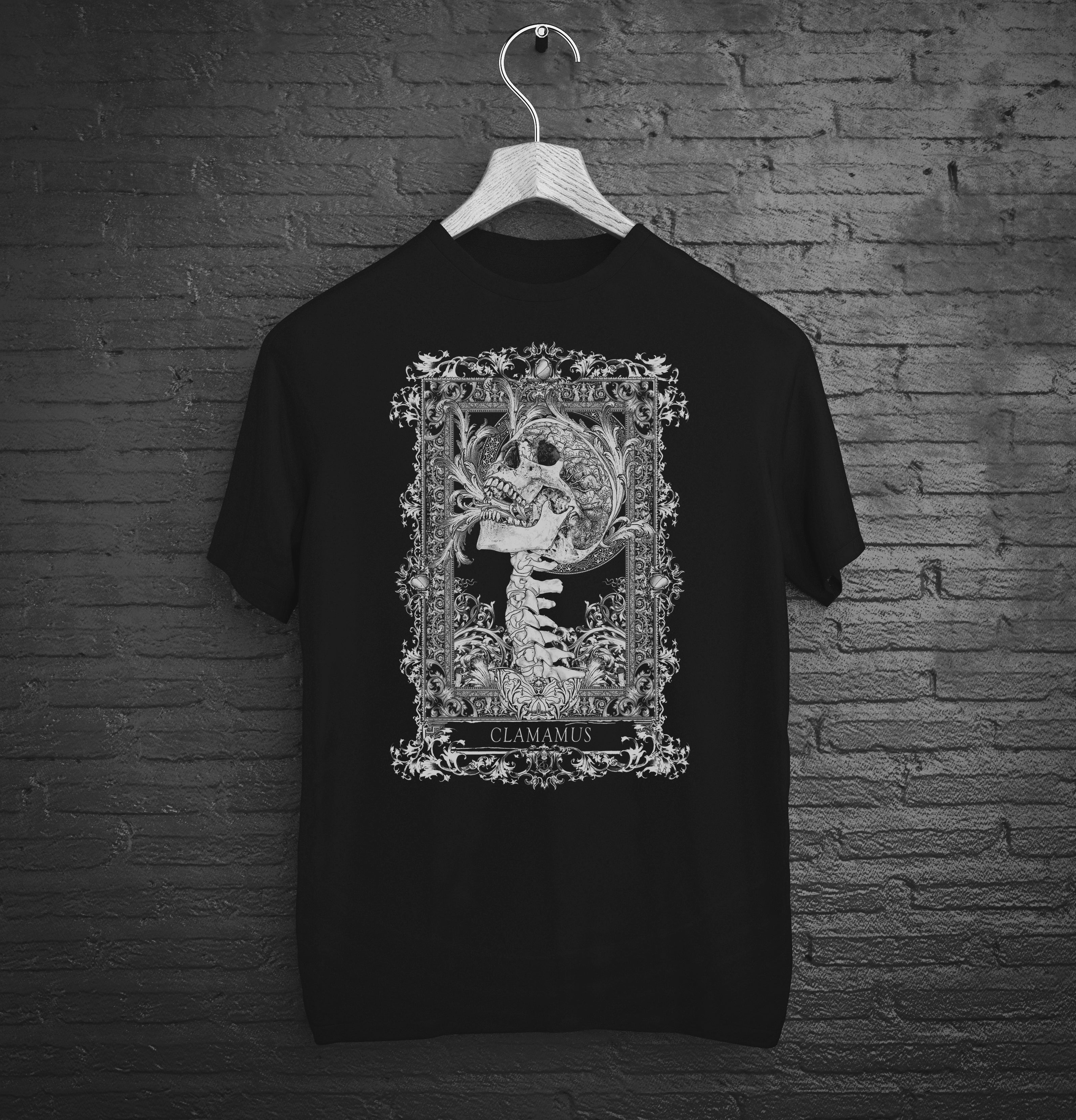
Band And Music Tees
These shirts feature album art, band logos, or tour dates. They’re a favorite for music fans and concert-goers. A well-designed band tee can become a collector’s item.
Logo Tees
A simple logo can say a lot. Brands, sports teams, and companies often use logo tees for promotion. The key is a clean, bold design that’s instantly recognizable.
Slogan And Quote Tees
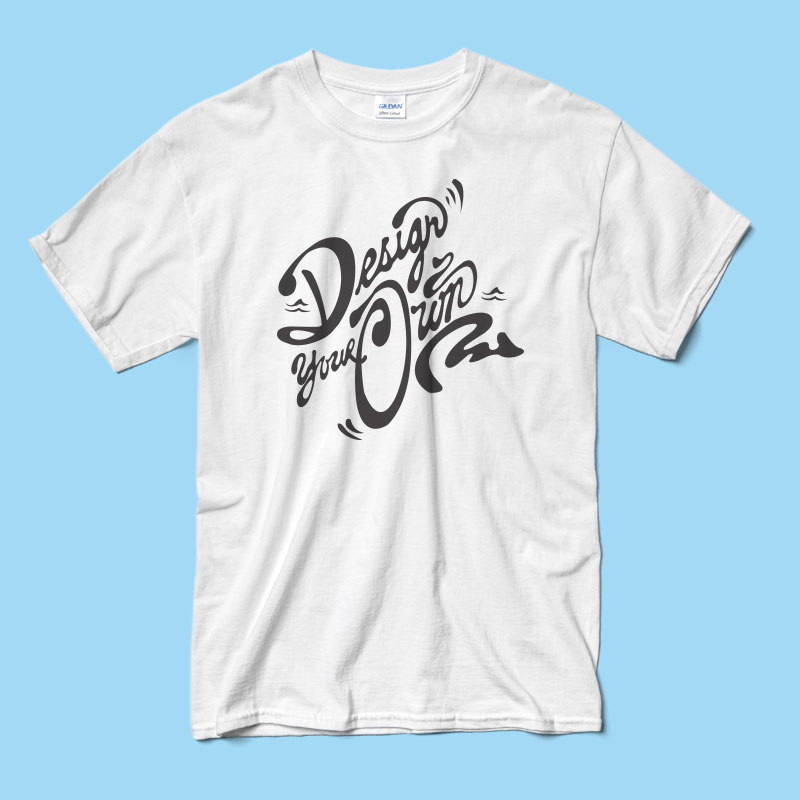
Words can be just as strong as images. Slogan tees use catchy phrases, jokes, or powerful quotes. The font choice and placement make a big difference.
Artistic And Abstract Designs
Some graphic tees are like wearable art. These shirts feature unique illustrations, paintings, or abstract graphics. They’re perfect for people who want to stand out.
Pop Culture And Movie Tees
From superhero logos to famous movie lines, pop culture tees let fans show their love for characters, films, and TV shows. These shirts often become part of fan communities.
Vintage And Retro Tees
Retro designs bring back styles from past decades—think faded prints, old-school logos, or classic cartoons. Vintage tees have a nostalgic feel and are popular in streetwear.
Minimalist Tees
Less is more. Minimalist graphic tees use simple shapes, small logos, or subtle text. They’re easy to pair with any outfit and never go out of style.
Custom And Diy Tees
Custom tees let people design their own shirts. From family reunions to special events, these shirts are unique and personal.
Printing Methods: How Designs Come To Life
The way a graphic tee is printed affects its look, feel, and price. Different methods work better for different designs and quantities. Here’s a side-by-side comparison of the most common printing methods:
| Printing Method | Best For | Strengths | Weaknesses |
|---|---|---|---|
| Screen Printing | Large orders, simple designs | Durable, vibrant colors, cost-effective in bulk | Not ideal for small runs or complex colors |
| Direct-to-Garment (DTG) | Small batches, detailed images | Full color, great detail, no setup costs | Slower, less durable than screen printing |
| Heat Transfer | Custom, one-off designs | Flexible, easy for photos or full color | Less breathable, can crack over time |
| Sublimation | All-over prints, polyester shirts | Bright colors, won’t fade or crack | Works only on light polyester fabrics |
How To Choose The Right Printing Method
- For big events or businesses, screen printing is affordable for large numbers.
- DTG is best for artists who want to print detailed designs in small amounts.
- If you need just one or two shirts, heat transfer is fast and flexible.
- For all-over, edge-to-edge prints, sublimation gives the most vibrant results.
Pro Tip: Beginners often forget to ask about minimum order quantities and color limitations. Always check these details before choosing a printer.
Credit: www.uberprints.com
Key Principles Of Effective Graphic Tee Design
Designing a graphic tee is both art and science. The best shirts are eye-catching, easy to read, and comfortable to wear. Here are the most important design principles:
1. Simplicity
Too much detail can be hard to see from far away. Simple, bold designs are easier to recognize and remember. Think of the classic smiley face or a single word in a big font.
2. Contrast
Good contrast makes a design pop. Use light colors on dark shirts and dark colors on light shirts. This helps your message stand out.
3. Readability
If your shirt has text, make sure it’s easy to read. Avoid fonts that are too thin, squished, or fancy. Test your design at different sizes to be sure.
4. Balance
Keep your design balanced. Don’t put all the elements on one side or make one part too heavy. Balanced shirts look more professional.
5. Placement
Where you put your design matters. Most people expect it on the chest, but pocket prints or bottom corners can be fresh and modern.
6. Color Harmony
Make sure your colors work well together. Too many colors can look messy, but the right mix can be eye-catching.
7. Brand Consistency
If you’re making shirts for a brand, use the same colors, fonts, and style as your other products. This builds recognition.
Common Beginner Mistake: Many new designers make their designs too large. Sometimes a smaller, subtler design looks better and is more comfortable to wear.
Trends In Graphic Tee Design
Fashion changes, and graphic tees are no different. Here are some trends that have shaped the world of graphic tees:
Eco-friendly Designs
More brands are using organic cotton, recycled materials, and water-based inks. Designs often highlight environmental messages or nature themes.
Nostalgia And Retro
Old-school graphics, vintage logos, and faded prints are making a comeback. People love shirts that remind them of the past.
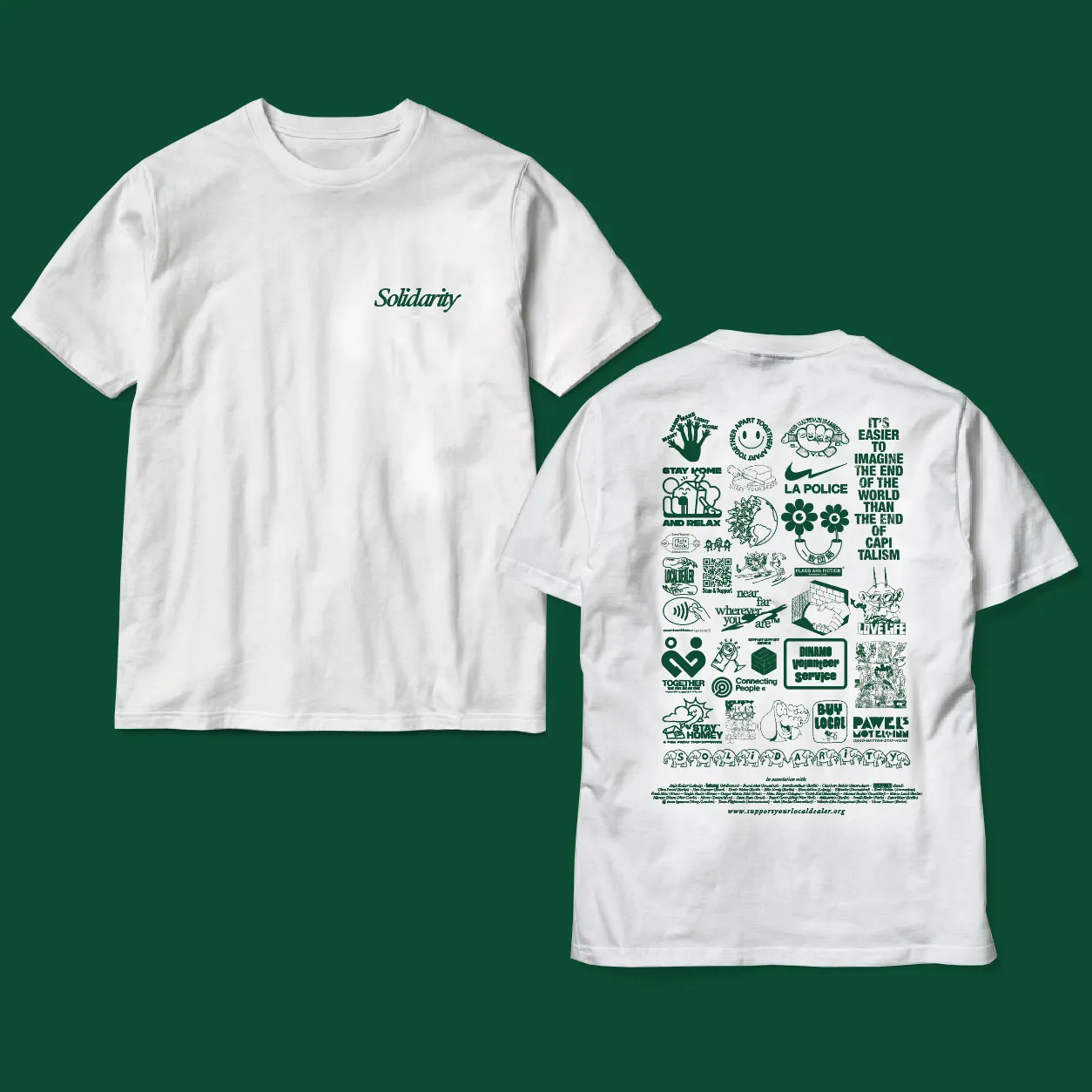
Social And Political Messages
T-shirts have become a platform for sharing opinions. Bold statements about equality, climate change, or other causes are common.
Limited Edition Drops
Brands sometimes release special designs in small batches. These limited runs create excitement and make the shirts more valuable.
Customization
People want to design their own shirts or personalize them with names, dates, or inside jokes. Online tools make this easy.
Artistic Collaborations
Brands work with artists and designers to create unique, collectible shirts. These collaborations often sell out quickly.
All-over Prints
Thanks to sublimation, full-shirt designs with patterns or photos have become popular.
Credit: www.itsnicethat.com
How To Choose The Perfect Graphic Tee
Choosing a graphic tee is about more than liking the picture. The right shirt fits well, feels good, and matches your style. Here’s what to look for:
Fabric Quality
Good tees use soft, breathable fabrics like cotton or blends. Cheap fabric can feel scratchy and wear out quickly.
Fit And Cut
Different brands have different fits. Some are slim, some are boxy, and some are oversized. Try different styles to see what looks best on you.
Print Quality
Look closely at the print. Is it crisp? Are the colors bright? Does it feel soft, or is it thick and rubbery? High-quality prints last longer and feel better.
Design Relevance
Pick designs that mean something to you. A shirt with a cool graphic is nice, but one that matches your interests or beliefs feels special.
Versatility
Think about how you’ll wear the shirt. Can it go with jeans, shorts, or even a blazer? The most useful graphic tees can fit many occasions.
Price
You don’t have to spend a lot for a good tee, but beware of shirts that seem too cheap. They might fade, shrink, or fall apart quickly.
Insider Tip: Many beginners forget to check the care label. Some printed tees need gentle washing or air drying to keep the design looking new.
Caring For Graphic Tees
A great tee can last years if you treat it right. Here’s how to keep your graphic tees looking sharp:
- Wash in Cold Water: Hot water can make prints fade or crack. Cold water is gentler on both fabric and design.
- Turn Shirts Inside Out: This protects the print from rubbing against other clothes or the washing machine drum.
- Use Mild Detergent: Harsh chemicals can damage the design.
- Avoid Bleach: Bleach can ruin both the fabric and the print.
- Air Dry When Possible: High heat from dryers can crack or peel the print. Air drying is safer.
- Iron Carefully: If you must iron, avoid the printed area or use a cloth as a barrier.
- Store Properly: Don’t fold shirts with thick prints in a way that creases the design. Hanging can prevent wrinkles and damage.
| Care Tip | Why It Matters |
|---|---|
| Cold Water Wash | Prevents fading and cracking of print |
| Inside Out | Protects artwork from friction |
| Gentle Detergent | Maintains print and fabric quality |
| Air Dry | Reduces risk of cracking or peeling |
| No Bleach | Keeps colors bright and vibrant |
Starting Your Own Graphic Tee Brand
If you love graphic tees, why not design and sell your own? Starting a t-shirt brand is easier than ever thanks to print-on-demand services and online marketplaces. Here’s what you need to know:
Find Your Niche
Focus on a theme or style that sets you apart. Maybe it’s eco-friendly designs, funny quotes, or art from local creators. The more specific your niche, the easier it is to find your audience.
Design Strong Graphics
Use professional design tools or hire an artist. Your designs should be original and high quality. Avoid copying others—unique graphics stand out.
Choose The Right Printing Partner
Look for printers with good reviews, quality samples, and fair prices. Ask about minimum orders, shipping times, and return policies.
Build A Brand Identity
Pick a name, logo, and colors that match your style. Consistent branding builds trust and helps people remember you.
Set Up An Online Store
You can sell on platforms like Etsy, Shopify, or Amazon. Print-on-demand services handle printing and shipping, so you don’t need to store inventory.
Market Your Shirts
Use social media, influencers, or local events to get the word out. Take clear photos of your shirts on real people—not just flat images.
Price For Profit
Calculate your costs and add a fair profit margin. Don’t price too low, or people may think your shirts are poor quality.
Non-Obvious Insight: Many new brands forget about sizing. Offer a range of sizes, and include clear size charts to reduce returns.
Common Mistakes In Graphic Tee Design
Even experienced designers make mistakes sometimes. Here are a few to watch out for:
- Overcrowding: Too many elements make the design hard to read.
- Ignoring Fabric Color: Sometimes the shirt color clashes with the design.
- Low-Resolution Images: Blurry prints look unprofessional.
- Ignoring the Audience: A design that’s funny to you might not make sense to others.
- Bad Placement: Printing too close to the collar or hem can ruin the look.
- Not Testing: Skipping test prints can lead to expensive mistakes.
Data And Insights: The Business Side Of Graphic Tees
Graphic tees are a huge part of the fashion industry. Here’s a look at some important data:
| Aspect | Details |
|---|---|
| Global Market Size | Billions in annual revenue, growing steadily |
| Most Popular Age Group | Teens and young adults |
| Top Selling Categories | Music, pop culture, sports, social causes |
| Best-selling Colors | Black, white, and gray |
| Online Sales Share | Rising every year, especially with print-on-demand |
Interesting Fact: Many of the most iconic graphic tees started as limited runs or small collaborations before becoming mainstream. For more about the impact of graphic tees in culture, check out Wikipedia’s T-shirt article.
Frequently Asked Questions
What Is The Best Fabric For Graphic Tees?
The most popular choice is 100% cotton because it’s soft, breathable, and holds prints well. Cotton blends (like cotton-polyester) are also good—they resist wrinkles and can be more affordable. For sublimation printing, polyester is preferred.
How Do I Make Sure My Graphic Tee Design Is Unique?
Start with your own ideas or experiences, not what’s trending. Avoid copying existing designs. Use original artwork, play with different fonts, and combine unexpected elements. Test your design with friends to see if it feels fresh.
How Can I Prevent The Print From Fading Or Cracking?
Wash your tees in cold water, turn them inside out, and avoid high heat in the dryer. Use mild detergent and don’t use bleach. Air drying is best to keep prints looking new.
Are Graphic Tees Suitable For All Ages?
Absolutely. There are graphic tees for kids, teens, adults, and even seniors. The key is to choose age-appropriate designs, colors, and messages.
Can I Design And Sell Graphic Tees Without Buying Equipment?
Yes. Print-on-demand services let you upload your design, choose your shirt, and handle all printing and shipping. You don’t need to buy any machines or keep inventory.
Graphic tees are more than just clothing—they’re a way to share your story, connect with others, and even start a business. With the right design, printing method, and care, your graphic tees can make a lasting impression. Whether you’re an artist, entrepreneur, or just a fan, there’s a world of creativity waiting for you in graphic tees.
