

Graphic Design Tee Shirts: Top Trends and Creative Ideas
Graphic Design Tee Shirts: A Complete Guide to Art, Trends, and Printing
Graphic design tee shirts are more than just pieces of clothing—they are wearable art, bold statements, and personal brands. For many people, a tee shirt with a strong graphic is the first way they express themselves to the world. For others, it’s a way to showcase a favorite band, a cause, or a sense of humor.
As these shirts have become more popular, the variety of design styles, printing methods, and creative ideas has exploded.
If you are curious about making, choosing, or selling graphic design tee shirts, this guide will help you. You’ll learn about design inspiration, printing techniques, what makes a great shirt, and how to avoid common mistakes. Whether you are a designer, a small business owner, or just a fan of cool tees, you’ll find practical advice and insights inside.
The Power Of Graphic Design Tee Shirts
Graphic design tee shirts have changed the way people see fashion and art. A well-designed shirt can start conversations, connect fans, or even challenge ideas in society. Unlike plain tees, a graphic shirt often carries a message or an emotion.
Some reasons these shirts are so popular include:
- Personal expression: People use graphics to show their interests, beliefs, or humor.
- Marketing: Brands use tee shirts as walking billboards.
- Memorabilia: Concerts, festivals, and events often sell custom shirts as souvenirs.
- Community: Sports teams, charities, and clubs design shirts to unite members.
A graphic tee can be simple, like a small logo, or complex, with detailed artwork covering the whole shirt. The possibilities are almost endless.
What Makes A Great Graphic Design Tee Shirt?
Creating a strong graphic tee is not just about having a cool image. Many factors work together to make a shirt stand out and last a long time.
- Clear concept: The best shirts start with a focused idea or story. Without a clear message, even the most beautiful art can feel lost.
- Balanced composition: The placement, size, and colors of the graphic must look good on the shirt. Too large or too small, and the design can feel awkward.
- Quality artwork: High-resolution graphics ensure the shirt looks sharp, not blurry or pixelated.
- Appropriate colors: Not all colors print well on all fabrics. Designers choose colors that stand out against the shirt fabric and stay bright after washing.
- Comfortable material: A great design loses power if the shirt is scratchy or shrinks badly. Cotton and cotton blends are popular for comfort and durability.
- Printing method: The way the design is printed affects the shirt’s feel, durability, and cost. More on this in a later section.
- Wearability: The best shirts look good with many outfits and can be worn for years.
People new to graphic tees often forget to consider the relationship between the shirt color and the graphic. For example, a dark design can disappear on a black tee, while neon colors might look odd on a pastel shirt. Testing colors together before printing can prevent expensive mistakes.
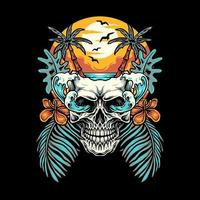
Credit: www.vecteezy.com
Popular Graphic Design Styles For Tee Shirts
Many graphic design styles can be used for tee shirts. Some are bold and modern, while others are vintage or minimal. Here are some of the most common and trending styles:
Minimalist
Simple shapes, clean lines, and few colors define this style. Minimalist shirts are easy to wear and match with many outfits. Often, the focus is on a small symbol or clever use of negative space.
Vintage/retro
Inspired by past decades, vintage graphics use faded colors, distressed effects, and classic fonts. These shirts might show old logos, cartoon characters, or nostalgic phrases.
Typography
Words can be as powerful as images. Typography tees use creative fonts and layouts to make a message stand out—think motivational quotes, puns, or bold statements.
Illustration & Cartoon
Hand-drawn art, comics, and playful characters are popular for all ages. These shirts stand out with unique, personal touches from the artist.
Abstract & Geometric
Shapes, lines, and patterns create eye-catching designs. These shirts often mix colors and forms for a modern, artistic look.
Pop Culture & Parody
Movies, music, games, and memes inspire many tee shirt designs. Parody shirts play with famous images or quotes for humor or commentary.
Artistic & Fine Art
Some shirts are printed with paintings, digital art, or photography. These pieces can look like art gallery works but are worn on the street.
Streetwear & Urban
Bold graphics, graffiti-inspired art, and oversized prints are common in streetwear. These shirts often use bright colors and large logos.
Band/music
Music fans love shirts with band logos, album covers, or tour dates. These designs often become collectibles.
Custom/personalized
Names, photos, or unique graphics made for a person or event are very popular. Personalized shirts are common for teams, birthdays, or family reunions.
Insight: Beginners often focus only on what’s trending, but mixing styles (for example, vintage with minimalist) can create unique and memorable shirts.
Inspiration Sources For Graphic Tee Shirt Designs
Finding the right idea for a graphic tee is sometimes the hardest part. Here are some places designers look for inspiration:
- Art and design websites: Sites like Behance, Dribbble, and Pinterest showcase work from top designers.
- Street fashion: Observing what people wear in busy cities can show real-world trends.
- Music and movies: Lyrics, quotes, and scenes can spark fresh ideas.
- Nature and travel: Animals, landscapes, and travel photos inspire many popular graphics.
- Pop culture: Memes, viral videos, and celebrities often become tee shirt icons.
- Social causes: Environmental, political, or social movements drive shirt designs that make statements.
- Everyday life: Funny moments, clever wordplay, or common frustrations can turn into great designs.
Non-obvious tip: Keeping a sketchbook or a digital folder of ideas—even random ones—can help when you feel stuck.
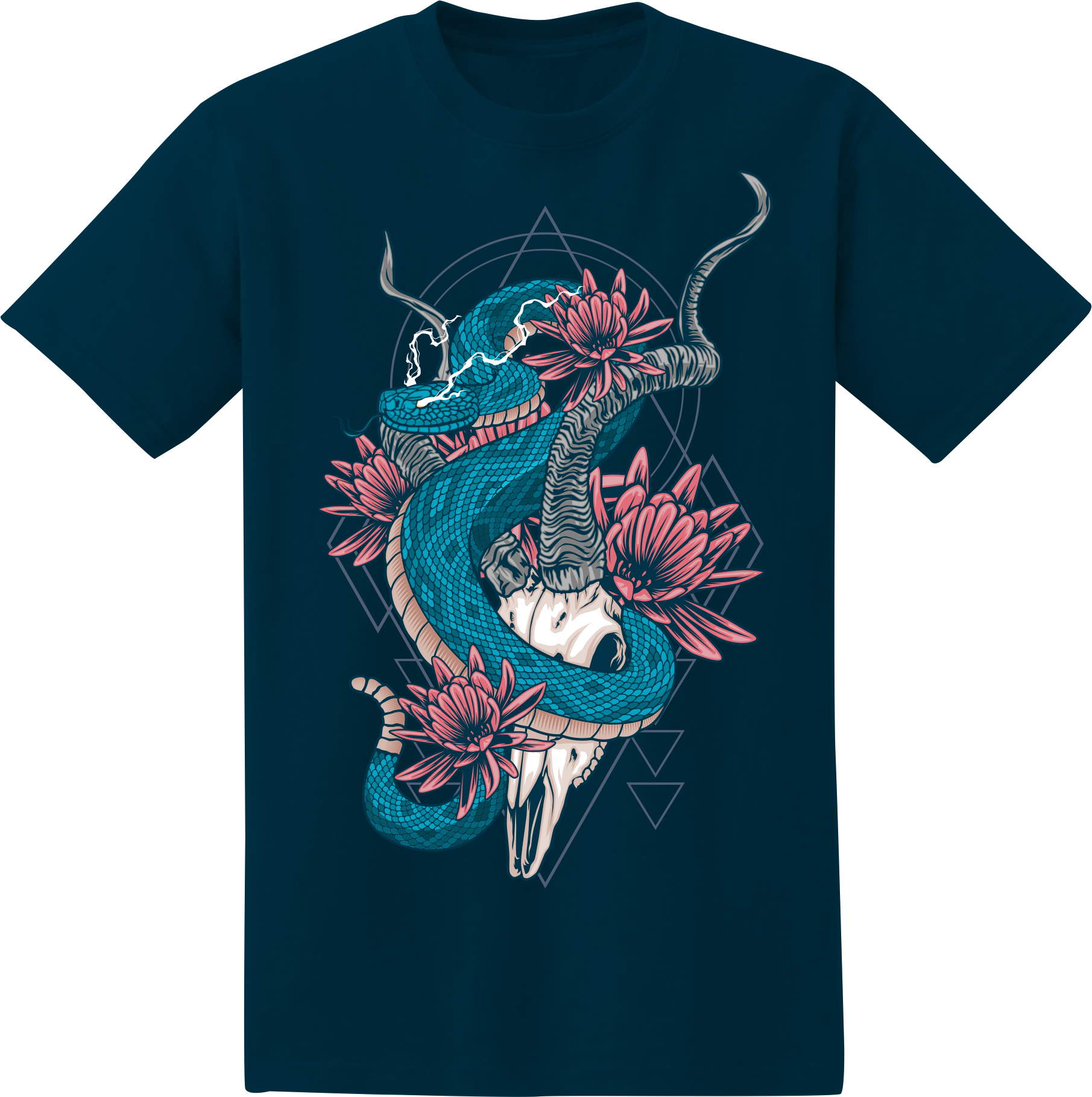
Credit: graphics-pro.com
Printing Methods For Graphic Design Tee Shirts
How a graphic is put on a shirt changes the look, feel, and price. Here are the main printing methods used today:
Screen Printing
Screen printing uses a mesh screen and ink to create designs. It works best for simple graphics with few colors and large orders. The print lasts long and feels smooth.
Pros:
- Durable
- Bright colors
- Good for bulk orders
Cons:
- Expensive for small runs
- Not ideal for complex or photo designs
Direct-to-garment (dtg)
DTG printing works like an inkjet printer. It sprays ink directly onto the fabric and can handle detailed, colorful art—even photos.
Pros:
- High detail
- Full color range
- Good for small batches
Cons:
- Colors may fade faster than screen printing
- Not all fabrics work well
Heat Transfer
A design is printed on special paper, then heat and pressure press it onto the shirt. There are different types, including vinyl and sublimation.
Pros:
- Good for small runs or custom shirts
- Works on many fabrics
Cons:
- Some transfers can peel or crack over time
- Heavier feel on the shirt
Dye Sublimation
This method uses heat to turn dye into gas, bonding it with polyester fabric. The result is a soft, all-over print.
Pros:
- Soft feel, no extra layer
- Bright, lasting colors
Cons:
- Only works on light-colored, synthetic fabrics
- Not great for cotton
Embroidery
Instead of printing, embroidery uses threads to sew a design onto the fabric. It’s often used for logos or small graphics.
Pros:
- Durable, classy look
- Adds texture
Cons:
- Limited to simple designs
- Not good for large, complex graphics
Important: Many people new to tee shirt printing forget to check how a design will look after washing. Always test print and wash a sample shirt before making many copies.
Comparison Of Printing Methods
Here’s a quick comparison of the main printing techniques:
| Method | Best For | Durability | Color Range | Cost (Small Runs) |
|---|---|---|---|---|
| Screen Printing | Bulk orders, simple designs | High | Limited | High |
| DTG | Complex, full color | Medium | Unlimited | Low |
| Heat Transfer | Custom, small batch | Medium | Good | Low |
| Dye Sublimation | All-over prints, polyester | High | Unlimited | Low |
| Embroidery | Logos, small art | Very High | Limited | High |
Choosing The Right Tee Shirt For Printing
Not all tee shirts are equal. The base shirt affects comfort, fit, and how the design prints. Here’s what to look for:
Material
- Cotton: Soft, breathable, and popular for most shirts. 100% cotton is best for comfort, but may shrink.
- Cotton blends: Mixing cotton with polyester or rayon adds strength and stretch.
- Polyester: Used for sports and dye sublimation. Dries fast but can feel less natural.
- Tri-blend: Mix of cotton, polyester, and rayon. Very soft and lightweight.
Fit And Style
- Unisex: Standard shape, fits most people.
- Women’s cut: Shaped for curves, shorter sleeves.
- Longline, cropped, oversized: Fashion-forward options are now common.
- Sleeve length: Short, long, or sleeveless.
Weight
- Lightweight (under 5 oz): Good for hot weather but may feel thin.
- Medium weight (5-6 oz): Most popular, balances comfort and durability.
- Heavyweight (over 6 oz): Stiffer, lasts longer, good for work shirts.
Color
- White and black are classic, but new colors can help a design stand out.
- Some shirts are “heathered” (mixed fibers for a speckled look).
Non-obvious tip: Always check the shirt’s “thread count” or “yarn size.” Finer threads give a smoother surface, which is better for detailed prints.
Sizing And Shrinking
Shirts from different brands can fit very differently. Always check size charts, especially if ordering online or for a group. Pre-shrunk shirts keep their fit after washing.
Table: Shirt Materials And Printing Compatibility
| Material | Screen Print | DTG | Dye Sublimation | Comfort |
|---|---|---|---|---|
| 100% Cotton | Excellent | Excellent | Poor | High |
| Cotton/Poly Blend | Good | Good | Fair | High |
| 100% Polyester | Fair | Fair | Excellent | Medium |
| Tri-blend | Good | Good | Good | Very High |
Designing A Graphic Tee: Step-by-step Process
If you want to create your own graphic tee shirt, follow these steps:
1. Define Your Message Or Theme
Start with a clear idea. What do you want the shirt to say or show? It could be a joke, artwork, or a brand logo. Write down your concept in a sentence.
2. Research And Gather Inspiration
Look at other shirts, design books, or online galleries. Notice what styles you like and what works well.
3. Sketch And Brainstorm
Draw rough versions of your idea. Don’t worry about making it perfect. Try different layouts, fonts, and colors.
4. Choose Design Tools
You can use software like Adobe Illustrator, Photoshop, or free tools like Canva. Vector graphics are best for resizing without losing quality.
5. Create The Final Art
Make your design high-resolution (at least 300 DPI for print). Use colors that will stand out on your chosen shirt color.
6. Prepare Print Files
Printing shops usually want files in. AI,. EPS,. PDF, or high-quality. PNG formats. Keep layers and text editable if possible.
7. Test Print And Review
Print a sample on paper or a test shirt. Check for mistakes, color issues, or awkward sizing.
8. Order Or Print
Choose your printing method based on your budget, design, and order size.
9. Market Or Share
If you plan to sell your shirt, take good photos and write a catchy description. Share online or at events.
Pro tip: Don’t put too many elements in your first design. Simple, bold graphics often sell better and print more clearly.
Selling Graphic Design Tee Shirts: Tips And Considerations
Many people want to turn their designs into a business. Here’s what you need to know to get started:
Platforms For Selling
- Print-on-demand sites: Services like Teespring, Redbubble, and Merch by Amazon let you upload your design. They handle printing, shipping, and payments.
- E-commerce stores: With Shopify or Etsy, you can build your own brand and store.
- Local events: Sell at markets, concerts, or pop-up shops.
Pricing
Research what similar shirts cost. Most graphic tees sell for $15–$35, depending on quality and brand.
- Factor in design costs, printing, shipping, and platform fees.
- Higher-quality shirts or limited editions can cost more.
Branding
A strong brand helps you stand out. Use a catchy name, logo, and consistent style. Good packaging and customer service build loyalty.
Marketing
Use social media, influencer partnerships, and email lists to reach customers. Share behind-the-scenes photos and customer stories.
Legal Issues
Only use art, photos, or phrases you have rights to. Avoid copying famous logos or copyrighted images. Register your brand name and logo if possible.
Beginner’s mistake: Many new sellers order too much inventory before testing what sells. Start with small batches or use print-on-demand to reduce risk.
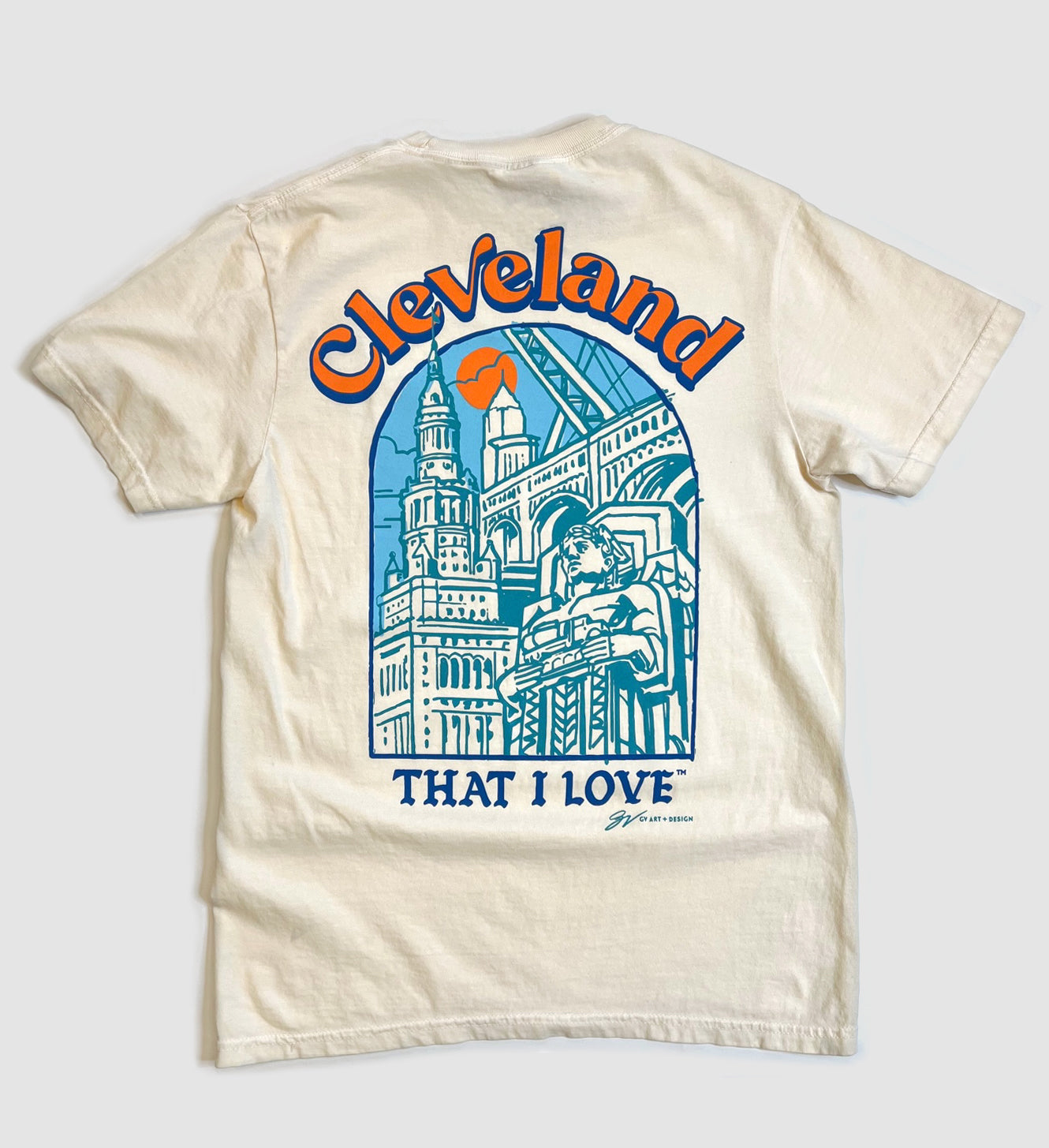
Credit: gvartwork.com
Trends In Graphic Design Tee Shirts
Trends change quickly, but some styles stay popular longer. Here are some of the biggest current trends:
- Sustainability: Eco-friendly materials and inks are in demand. Shirts made from recycled or organic cotton are selling well.
- All-over prints: Large, edge-to-edge designs are eye-catching, especially for streetwear.
- Nostalgia: Designs inspired by cartoons, video games, or music from past decades connect with buyers.
- Social messages: Tees with positive messages or social causes attract attention.
- Hand-drawn art: Unique, imperfect artwork stands out against mass-produced designs.
- Custom and limited runs: People want shirts that feel special, not mass-produced.
- Augmented reality: Some shirts use printed codes or designs that interact with smartphone apps.
Data point: According to industry reports, the global custom tee shirt market is expected to grow significantly, with more people buying online and looking for unique, personalized designs.
Caring For Graphic Design Tee Shirts
To keep a shirt looking good, follow these care tips:
- Wash inside out to protect the design
- Use cold water and gentle cycle
- Avoid bleach and fabric softeners
- Hang dry or use low heat in the dryer
- Iron inside out, never directly on the graphic
Non-obvious advice: Some prints, like vinyl or heat transfer, can stick together if folded while still warm from the dryer. Let shirts cool before stacking them.
Common Mistakes To Avoid
Many people new to graphic tee design or selling make these errors:
- Using low-quality art files: Blurry or pixelated prints look unprofessional.
- Ignoring shirt color: A design that looks good on a computer might vanish on a dark shirt.
- Overcomplicating designs: Simple, bold graphics usually work best.
- Not testing before bulk orders: Always print a sample first.
- Copying other brands: This can lead to legal trouble and hurts your reputation.
- Skipping care instructions: Customers appreciate guidance on washing and drying.
Table: Pros And Cons Of Print-on-demand Vs. Bulk Printing
| Factor | Print-on-Demand | Bulk Printing |
|---|---|---|
| Upfront Cost | Low/None | High |
| Inventory Risk | None | High |
| Profit Per Shirt | Lower | Higher |
| Customization | High | Lower |
| Quality Control | Medium | High |
The Future Of Graphic Design Tee Shirts
With new technology, the possibilities for graphic tees will only grow. 3D printing, interactive designs, and smart fabrics are on the horizon. But the heart of a great tee shirt will always be a creative idea, high-quality art, and a message that connects with people.
If you want to learn more or see amazing designs from around the world, check out Wikipedia’s T-shirt article for more history and trends.
Frequently Asked Questions
What Is The Best Fabric For Graphic Design Tee Shirts?
Cotton is the most popular for comfort and print quality, especially for screen printing and direct-to-garment. For dye sublimation, polyester is required. Blends like tri-blend offer a soft feel and work well with most print methods.
How Do I Choose The Right Size For My Tee Shirt Design?
Check the printer’s design template for size and placement. Most chest prints are 9–12 inches wide. Test with paper on an actual shirt to see if it looks balanced.
Can I Print Any Image On A Tee Shirt?
You can print most images, but make sure they are high-resolution (300 DPI or more). Only use images you have rights to—don’t use copyrighted art or logos without permission.
Which Is Better: Screen Printing Or Dtg?
Screen printing is best for simple, large orders. DTG is better for complex, colorful designs or small batches. If you want bright colors and durability, screen printing wins. For detail and flexibility, DTG is a good choice.
How Do I Care For Printed Tee Shirts So They Last Longer?
Wash inside out, use cold water, and avoid harsh detergents. Air dry or use a low dryer setting. Don’t iron directly on the graphic.
Graphic design tee shirts are a blend of art, fashion, and personal expression. With the right knowledge, anyone can create, wear, or sell a tee that makes a statement and lasts for years.
