

Graphic Design T-Shirts: Creative Ideas to Elevate Your Style
Graphic Design T-shirts: Complete Guide To Creativity, Trends, And Success
Graphic design t-shirts are more than just clothing—they are wearable art, a way to express ideas, humor, culture, and personality. You see them everywhere: on city streets, in schools, at concerts, and even in professional offices on casual days. Every graphic tee tells a story, whether through an intricate illustration, a witty phrase, or a bold symbol. For designers, these shirts offer a unique creative playground. For brands and entrepreneurs, they are a powerful business tool. For individuals, they are a fun and easy way to show who you are.
This article will take you through the full world of graphic design t-shirts: what they are, why they matter, how they are made, current styles, business opportunities, and expert tips for success. Whether you want to design your own shirts, start a t-shirt business, or simply understand what makes a great graphic tee, you’ll find everything you need right here.
What Are Graphic Design T-shirts?
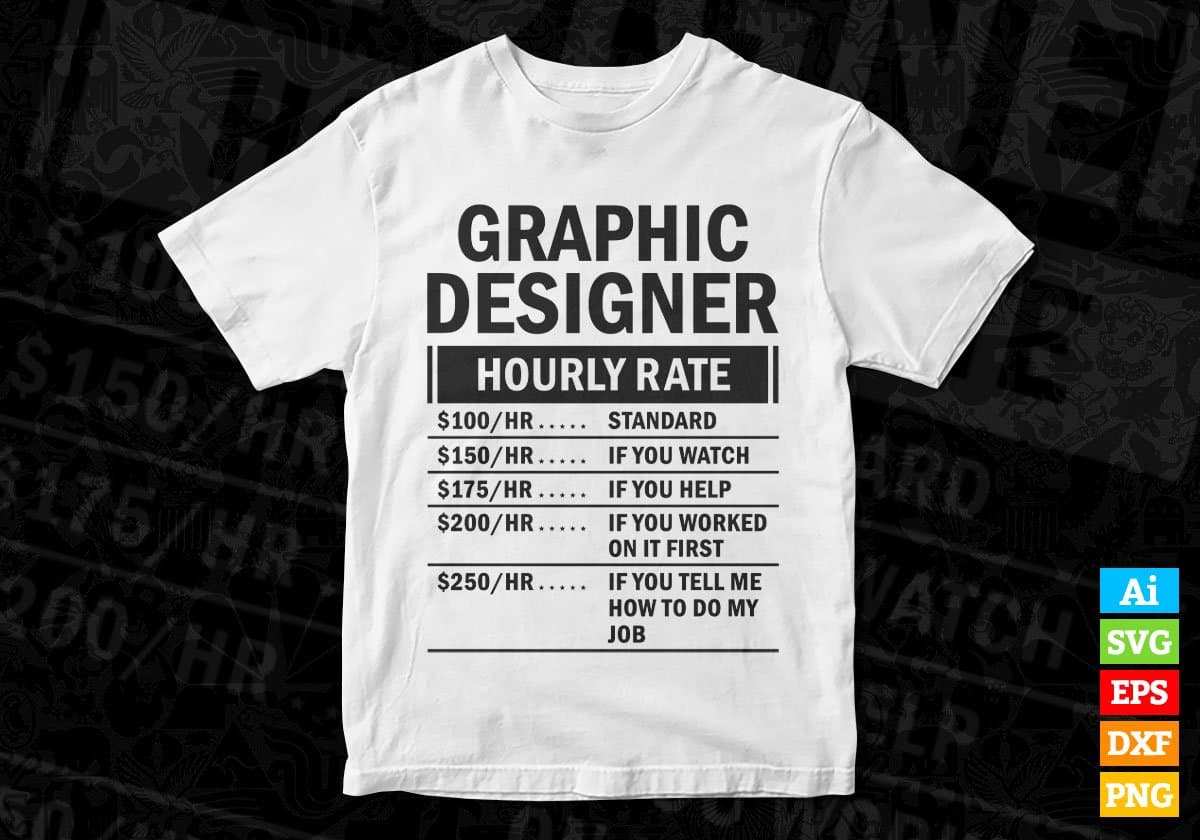
A graphic design t-shirt is a t-shirt with a visual design or artwork printed on it. These designs can include images, text, patterns, logos, or even photographs. Unlike plain t-shirts, graphic tees are meant to catch the eye and send a message. They can be funny, artistic, political, or personal. The art is usually printed using methods like screen printing, direct-to-garment (DTG), heat transfer, or embroidery.
Some popular types of graphic tees include:
- Band t-shirts with logos or album covers
- Slogan tees with clever or motivational quotes
- Artist collaborations featuring unique artwork
- Pop culture shirts with references to movies, TV, or memes
- Custom t-shirts made for events, groups, or businesses
The wide variety means there’s a graphic t-shirt for almost everyone and every occasion.
Why Graphic Design T-shirts Are So Popular
Graphic tees have a long history of popularity, and their appeal keeps growing. Here’s why:
- Self-expression: A t-shirt can show your interests, values, or mood without saying a word.
- Affordability: Compared to other forms of art or fashion, graphic tees are accessible to most people.
- Versatility: They fit many settings—casual, creative, or even semi-formal when layered.
- Trendy and timeless: Some designs ride short-term trends, while others become classics.
- Community: Wearing a shirt with a niche reference can connect you with like-minded people.
A less obvious reason for their popularity is the ease of limited edition drops. Thanks to print-on-demand and e-commerce, artists can offer unique designs in small batches, making each shirt feel special.
How Graphic Design T-shirts Are Made
Making a graphic t-shirt is a blend of art, technology, and material choice. Let’s break down the main steps:
1. Concept And Design Creation
The first step is the design process. This often starts with:
- Brainstorming ideas
- Sketching rough drafts (on paper or digitally)
- Choosing colors, fonts, and layout
Designers often use software like Adobe Illustrator, Photoshop, or free tools like Canva.
A key insight: Simpler designs often print better and last longer. Fine details can get lost, especially on low-quality fabrics.
2. Choosing The Right T-shirt Material
The fabric affects not just comfort, but also how the design looks and feels. Here’s a comparison of common t-shirt materials:
| Material | Pros | Cons | Best For |
|---|---|---|---|
| 100% Cotton | Soft, breathable, holds color well | Can shrink, wrinkles easily | Everyday wear, bright designs |
| Cotton-Poly Blend | Durable, less wrinkling, cheaper | Not as soft, sometimes less vibrant | Bulk orders, sports |
| Tri-Blend | Very soft, vintage look, stretchy | More expensive, colors slightly faded | Premium shirts, fashion brands |
The best choice depends on your design and audience. For sharp, colorful prints, high-quality cotton is often best.
3. Printing Methods
How the design gets onto the shirt is crucial. Here are the main methods:
- Screen Printing: Ink is pushed through a mesh screen. Great for large batches and bold colors. Designs last long but setup costs more.
- Direct-to-Garment (DTG): A printer sprays ink directly onto the fabric. Perfect for detailed or multi-color designs. Cheaper for small runs, but may fade faster.
- Heat Transfer: Design is printed on special paper, then pressed onto the shirt with heat. Fast and good for custom or one-off shirts.
- Sublimation: Dye becomes part of the fabric itself. Only works on polyester but gives a smooth, no-feel print.
- Embroidery: Thread is stitched into the shirt. Best for logos and simple graphics, but less suited for complex art.
Here is a quick comparison of these methods:
| Method | Quality | Best For | Cost | Durability |
|---|---|---|---|---|
| Screen Printing | Excellent | Bulk orders | Medium | High |
| DTG | Very good | Detailed, small runs | Low setup | Medium |
| Heat Transfer | Good | Custom, single shirts | Low | Medium |
| Sublimation | Excellent (on poly) | All-over prints | Medium | High |
| Embroidery | Top (for logos) | Logos, small areas | High | Very high |
A common beginner mistake: Not matching the print method to the design or fabric, which can lead to fading, cracking, or poor color.
4. Quality Control And Finishing
After printing, shirts are checked for:
- Print alignment and clarity
- Color accuracy
- Defects in fabric or stitching
Some brands also pre-wash shirts to avoid shrinking later. Labels, tags, and packaging are added at this stage.
Design Trends In Graphic T-shirts
Graphic t-shirt styles change with time, but some trends have lasting power. Here are some of the most popular and influential trends:
Minimalist Graphics
Simple shapes, lines, and limited colors. These designs are clean, modern, and easy to match with any outfit. Minimalist shirts are popular in streetwear and high fashion alike.
Vintage And Retro
Designs that look aged or reference past decades. Think faded logos, old-school fonts, or classic cartoon art. The vintage look gives a sense of nostalgia and authenticity.
Bold Typography
Shirts that use strong, eye-catching fonts to deliver a message. This can be a single word, a motivational quote, or even a joke. Typography shirts are powerful because words can say a lot with very little space.
Pop Culture References
T-shirts featuring movie quotes, TV icons, memes, or internet culture. These shirts often go viral because fans love to show their passions. Pop culture tees can be playful, ironic, or even a little rebellious.
Artistic Illustrations
Detailed, hand-drawn art or digital illustrations. This trend lets artists show off their style and skills. These shirts often become conversation starters.
All-over Prints
Designs that cover the entire shirt, not just the front. Sublimation printing has made this trend more accessible. These shirts are bold and visually striking.
Environmental And Social Messages
Shirts with designs that promote causes, awareness, or eco-friendly messages. Many brands use recycled materials or donate profits to charity, making the shirt itself part of a positive movement.
Customization And Personalization
More people now want shirts that are unique to them. Online tools let you add your name, choose your colors, or even upload your own design. Personalized graphic tees are popular for gifts, teams, and events.
A hidden trend: Many successful brands combine two or more trends in one shirt—like minimalist pop culture or vintage typography.
Creating Your Own Graphic Design T-shirts
If you want to make your own shirts, either for fun or business, here’s how to get started:
1. Find Inspiration
Look at art, nature, social media, or your own experiences. Keep a notebook or digital folder for ideas.
2. Choose Your Tools
You don’t need expensive software to start. For beginners, Canva or Procreate are simple, while Adobe Illustrator is industry standard for pros.
3. Start Simple
Simple designs are easier to print and usually sell better. Focus on bold shapes, clear text, and good contrast.
4. Test Your Design
Print a test version on paper or a cheap shirt. See how it looks from a distance and how it feels to wear. Ask friends for feedback.
5. Get The Right Print File
Printers need high-resolution files, usually PNG or vector formats. Make sure the background is transparent and colors are set to CMYK for printing.
6. Pick A Print Method
Match your design and budget to the best printing method (see previous table). For one-off shirts, DTG or heat transfer is easiest. For large runs, screen printing is cheaper per shirt.
7. Choose Shirts And Sizes
Select shirt styles, colors, and a range of sizes. Remember that fit can vary between brands.
8. Order Samples
Before making a big order, order samples to check print quality, fit, and comfort.
9. Market And Sell
If you plan to sell, set up an online store. Platforms like Shopify, Etsy, or Redbubble make it easy. Good product photos and clear descriptions help sales.
10. Learn And Improve
Track which designs sell best. Read reviews and ask for feedback. Adjust your designs, pricing, or marketing as needed.
A tip most beginners miss: Always check copyright before using images, quotes, or logos. Even “inspired by” designs can lead to legal trouble.
Starting A Graphic T-shirt Business
The t-shirt market is competitive, but it’s still possible to succeed with the right approach. Here’s what you need to know:
Market Research
Find your niche. Don’t try to appeal to everyone. Focus on specific groups—gamers, pet lovers, local pride, or eco-friendly buyers.
Study your competitors. What do their top-selling shirts have in common? What can you do differently or better?
Pricing Strategy
Your price should cover costs and give you profit, but also fit your target market. Here’s a basic cost breakdown:
| Expense | Low Volume | Bulk Orders |
|---|---|---|
| Blank Shirt | $5-$9 | $3-$6 |
| Printing | $6-$12 | $2-$5 |
| Design/Artwork | $0-$100+ (one-time) | $0-$100+ (one-time) |
| Shipping/Packaging | $3-$6 | $2-$4 |
Most graphic tees sell for $18–$35, depending on brand and quality.
Choosing A Production Model
- Print-on-demand: No inventory; shirts are printed as orders come in. Lower risk, but profit per shirt is lower.
- Bulk printing: Higher risk, but better profit margins. You hold inventory and ship yourself.
Print-on-demand is great for testing designs. If a shirt becomes popular, consider switching to bulk for higher profit.
Branding And Packaging
Packaging matters more than people think. A well-designed label, custom tag, or eco-friendly bag can make your brand memorable.
Marketing
Use social media, influencer partnerships, and email marketing to reach your audience. Clear product photos and creative mockups help customers imagine wearing your designs.
A common mistake: Ignoring the power of storytelling. Share the story behind your designs—it builds a stronger connection with buyers.
Legal And Ethical Issues
- Register your business if you plan to sell regularly.
- Respect copyright and trademark laws.
- Be honest in marketing and product descriptions.
If you want more detailed legal advice, check resources like Entrepreneur.com.
Credit: www.woolyyarn.com
Tips For Designing A Best-selling Graphic T-shirt
Here are proven tips that top brands and designers use:
- Focus on emotion: Designs that make people laugh, think, or feel nostalgia sell well.
- High contrast: Designs with strong color contrast are easier to see from a distance.
- Limit colors: Fewer colors often look better and cost less to print.
- Fit the shirt: Place your design where it looks best—not always in the center.
- Test in black and white: If your design works without color, it will probably sell well.
- Think about trends, but don’t chase them: Timeless designs last longer.
- Ask for feedback: What you love may not always sell. Listen to your audience.
- Keep file quality high: Blurry or pixelated prints will ruin your reputation.
- Check for hidden meanings: Make sure your art can’t be misunderstood or offend unintentionally.
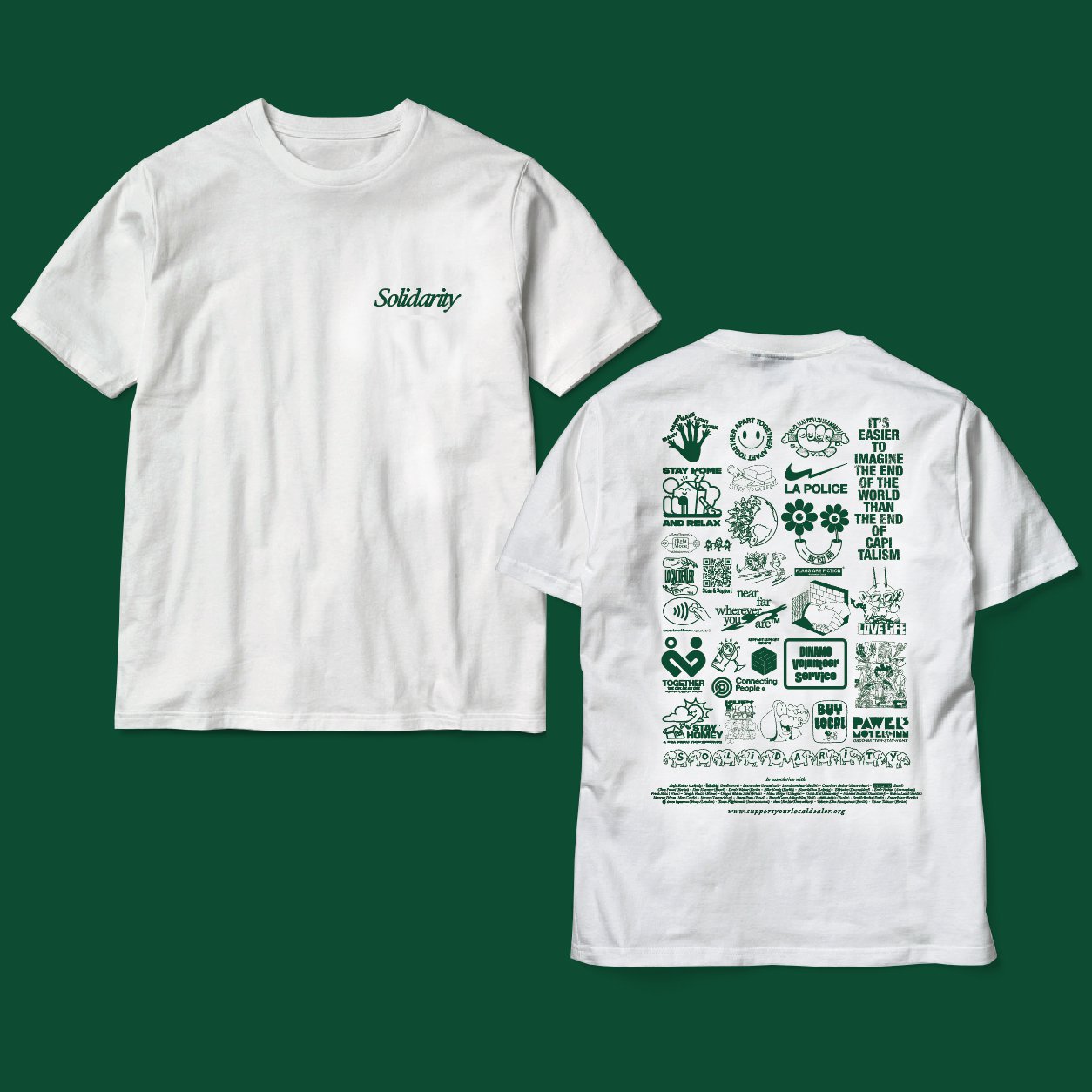
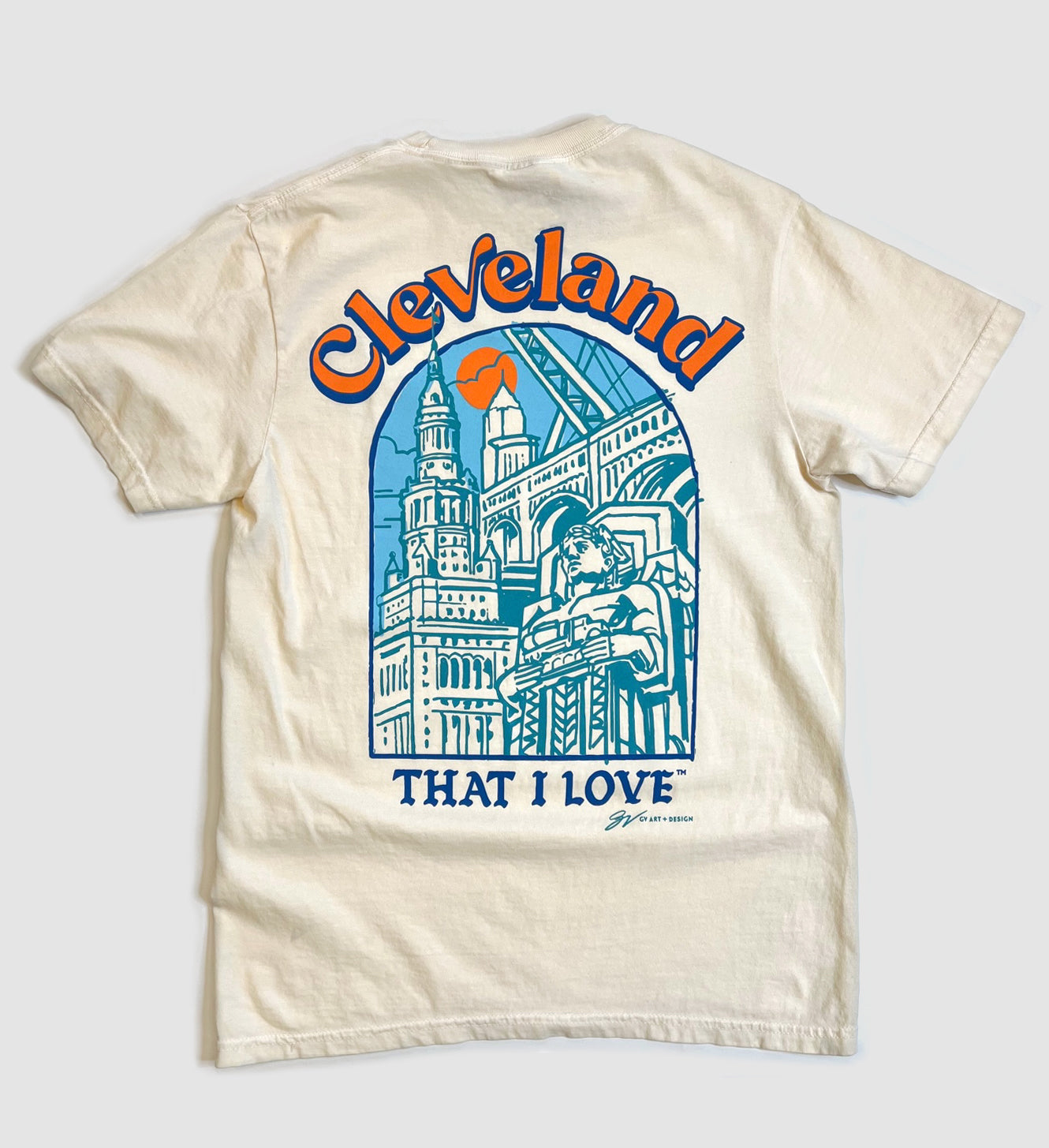
- Don’t ignore the back and sleeves: Sometimes a small detail here can make your shirt unique.
A non-obvious insight: The placement and size of your design can change how the shirt feels to wear. Big prints across the chest can feel heavy; small prints over the pocket area are subtle and stylish.
The Role Of Graphic Tees In Fashion And Culture
Graphic design t-shirts have shaped and reflected culture for decades. They’ve been used to:
- Protest or support social causes
- Celebrate music, sports, and events
- Build team or group identity
- Spread jokes, memes, or viral trends
Some of the most iconic shirts—like the I ❤ NY tee or famous band shirts—became cultural symbols. Today, high fashion brands like Supreme and Off-White use graphic tees to blur the line between streetwear and luxury.
For many young people, their first “statement” purchase is a graphic tee. It’s an affordable way to experiment with identity and style.
Sustainability In Graphic T-shirt Production
As people become more aware of environmental issues, the demand for sustainable t-shirts is growing. Here’s how brands are making a difference:
- Using organic or recycled fabrics
- Water-based inks instead of toxic chemicals
- Reducing waste with print-on-demand
- Offering recycling programs for old shirts
Consumers are willing to pay more for eco-friendly shirts—especially if the brand is transparent about their process. A tip: If you care about sustainability, look for certifications like GOTS (Global Organic Textile Standard) or OEKO-TEX.
A practical insight: Sometimes, local printing reduces carbon footprint more than using organic cotton shipped from far away. Consider both material and shipping distance.
Common Mistakes To Avoid
If you’re new to graphic t-shirt design or selling, watch out for these common pitfalls:
- Using low-resolution images (makes prints blurry)
- Ignoring color differences between screen and fabric
- Forgetting to test print before launching
- Overcomplicating designs (fine details often get lost)
- Not researching copyright (can lead to legal trouble)
- Picking cheap shirts that feel uncomfortable
- Skipping quality control (small defects hurt your brand)
Avoiding these mistakes will save you time, money, and frustration.
Credit: www.woolyyarn.com
The Future Of Graphic Design T-shirts
The world of graphic tees is always changing. Some trends and technologies to watch:
- Augmented reality shirts: Designs that come alive with your phone.
- Interactive prints: Heat-sensitive or glow-in-the-dark inks.
- Customization at scale: AI tools that help customers create their own designs.
- Sustainable materials: More brands will use recycled fibers and closed-loop production.
- Global collaboration: Artists from different countries working together online.
What stays the same is the power of a well-designed shirt to connect, inspire, and express who we are.
Frequently Asked Questions
Credit: gvartwork.com
What Is The Best Fabric For Graphic Design T-shirts?
The best fabric depends on your design and audience. 100% cotton is soft and holds color well, making it a favorite for most designs. Cotton-poly blends are more durable and wrinkle less, good for sports or work shirts. Tri-blends offer a vintage, stretchy feel and are often used for premium shirts. For all-over prints, polyester is needed.
Can I Use Any Image For My Graphic T-shirt Design?
No, you must have the rights to use an image. Avoid copyrighted photos, logos, or artwork unless you have permission. Use original designs, royalty-free art, or buy images from trusted sources. Even small changes to copyrighted work may not be enough to avoid legal issues.
How Do I Make Sure My T-shirt Design Will Print Well?
Use high-resolution files (at least 300 DPI for raster images) and save in the format your printer requests—usually PNG or vector (AI, SVG). Check that colors are set to CMYK for print, not RGB. Always order a test print to see how the design looks on fabric, as colors may appear different than on your screen.
What Is The Difference Between Screen Printing And Dtg?
Screen printing uses ink pushed through a mesh screen, making it ideal for large orders and bold, simple designs. It's very durable. Direct-to-garment (DTG) printing works like an inkjet printer for fabric, best for detailed or multi-color designs and small batches. DTG is more flexible but may not last as long after many washes.
How Can I Start Selling Graphic T-shirts Online?
First, create unique designs and choose your production method (print-on-demand or bulk). Set up an online store on platforms like Shopify, Etsy, or Redbubble. Take clear product photos, write strong descriptions, and promote your shirts on social media. Start small, learn from customer feedback, and adjust your strategy as you grow.
Graphic design t-shirts bring together creativity, business, and personal expression. Whether you’re designing, selling, or simply wearing them, the right graphic tee can make a statement that lasts. For deeper industry insights and inspiration, you can check Creative Bloq.
