

Graphic Design Shirts: Top Trends and Creative Ideas for 2024
Graphic Design Shirts: Creativity You Can Wear
Graphic design shirts have become more than just casual clothing. They are now a canvas for self-expression, a marketing tool, and a platform for artists to share their vision with the world. These shirts blend art, technology, and fashion, allowing anyone to wear their favorite designs or messages.
Whether you are a designer, a business owner, or simply someone who loves unique apparel, understanding graphic design shirts opens up a world of possibilities.
This article dives deep into what makes graphic design shirts special, how they are made, and why they matter today. You will also learn how to create, choose, and care for these shirts, as well as discover some common mistakes to avoid.
If you want to make a statement with what you wear, or even start your own shirt business, read on for everything you need to know.
What Are Graphic Design Shirts?
A graphic design shirt is a shirt that features artwork, typography, or imagery created by a designer. These visuals are printed or embroidered onto the fabric, turning the shirt into a wearable piece of art. The designs can be simple logos, complex illustrations, funny quotes, or even photographic images.
Unlike plain shirts, graphic design shirts stand out. They can be bold or subtle, minimalistic or colorful. They can communicate a message, show brand identity, or simply look cool. Today, you can find graphic design shirts in almost every clothing store, from high-end fashion to streetwear brands.
Why Graphic Design Shirts Are Popular
Graphic design shirts are everywhere for good reasons. Here’s why people love them:
- Self-Expression: People wear shirts that reflect their personality, beliefs, or interests. A shirt can say "I'm creative," "I love music," or "Support the environment" without speaking a word.
- Affordability: Compared to other art forms, graphic design shirts are accessible. You don’t need a big budget to own a unique design.
- Versatility: You can wear them almost anywhere—at work, at home, or out with friends. There’s a style for every occasion.
- Support for Artists: Buying graphic design shirts supports independent artists and small businesses. Many designers use platforms to sell their work directly to fans.
- Trendy and Timeless: Some designs follow trends, while others stay popular for years. People love collecting shirts that fit their current style or mood.
Main Types Of Graphic Design Shirts
Not all graphic design shirts are the same. The type of shirt and how the design is applied make a big difference.
Based On Shirt Style
- T-Shirts: The most common type, available in crew neck, V-neck, and long or short sleeves.
- Polo Shirts: Feature a collar and buttons, often used for business or team branding.
- Tank Tops: Sleeveless, great for summer or sports.
- Sweatshirts and Hoodies: Heavier fabric, good for colder weather, often used for larger or more detailed designs.
Based On Design Placement
- Front Print: Design appears on the chest or across the front.
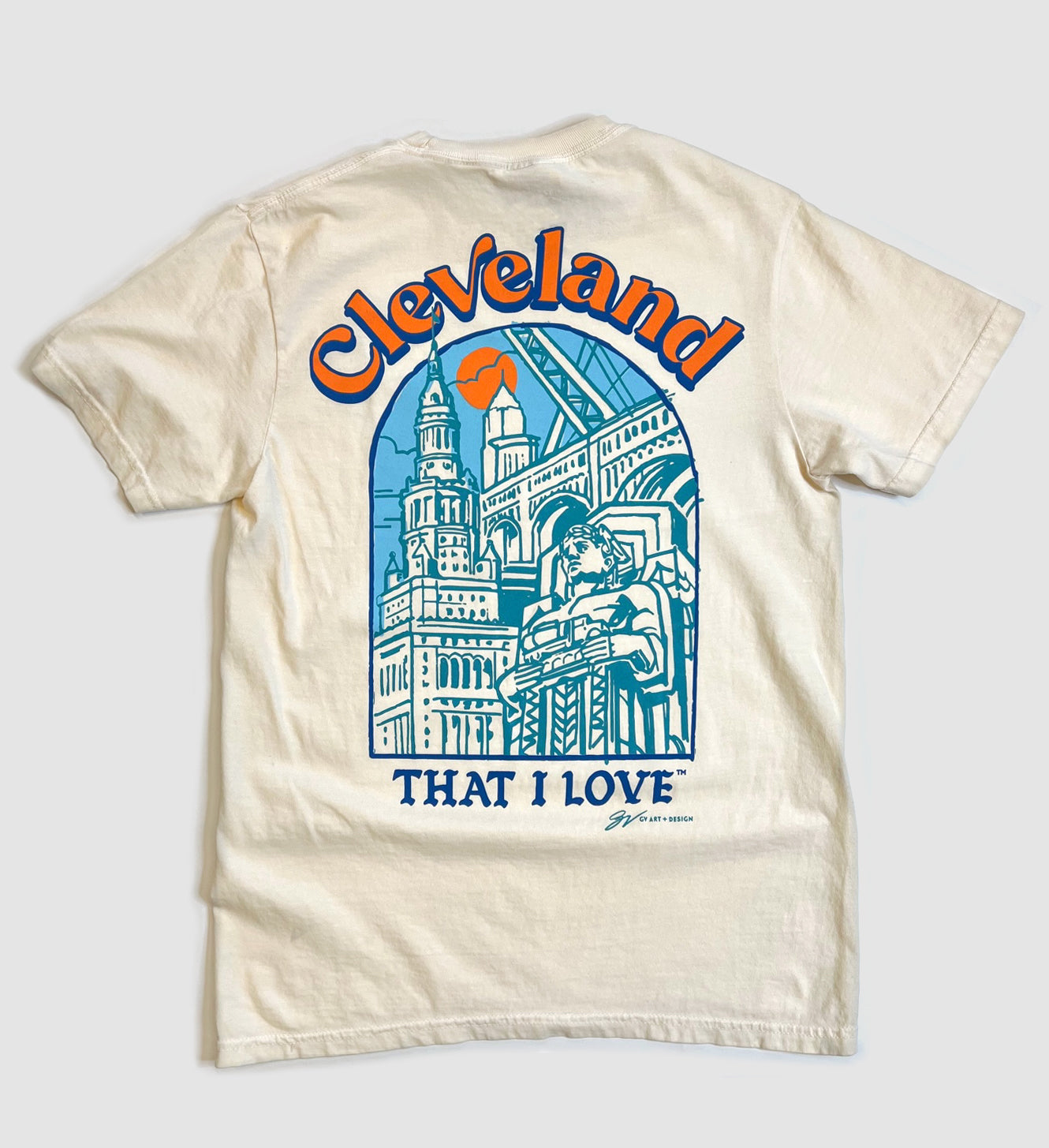
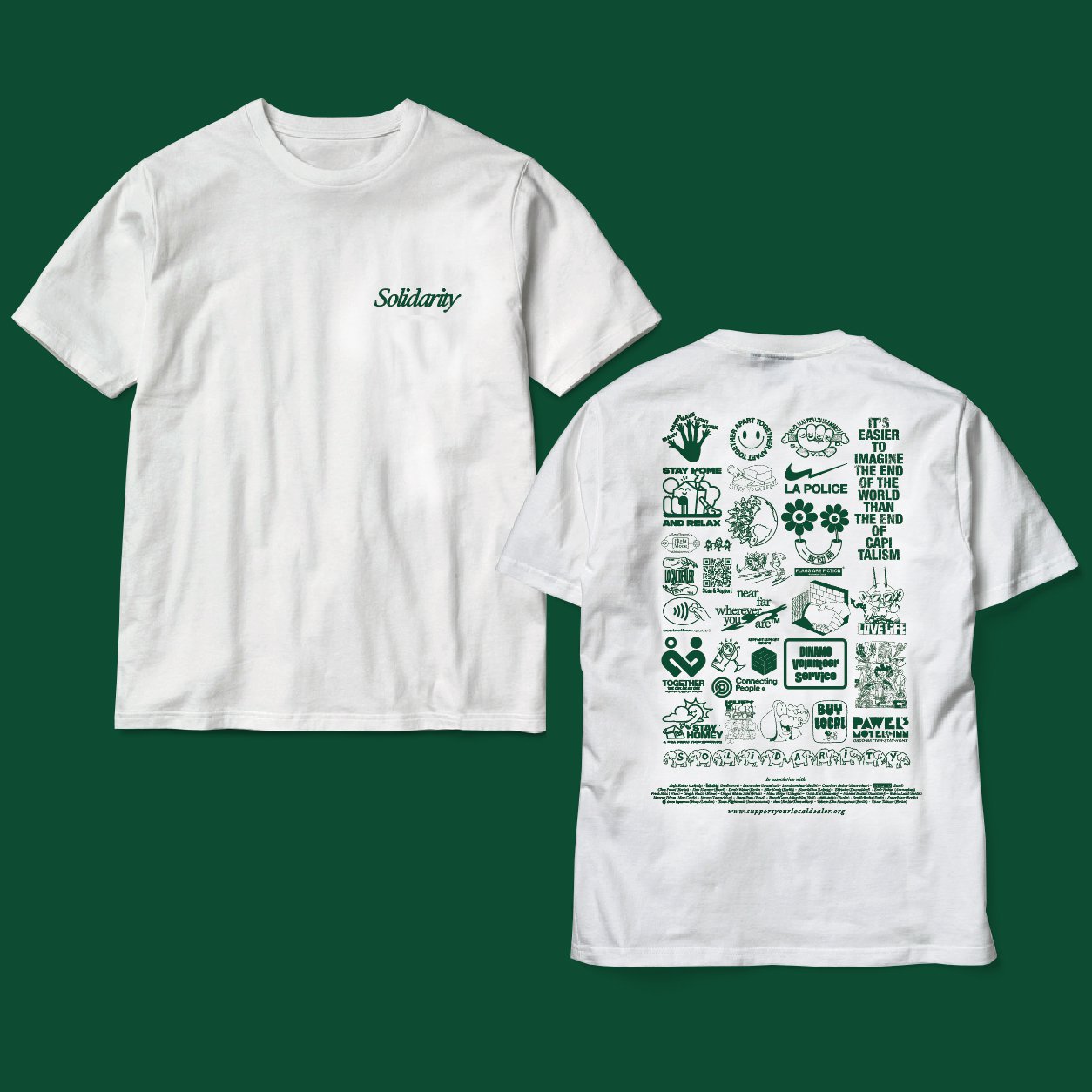
- Back Print: Artwork is on the back, which can be large or small.
- Sleeve Print: Some shirts feature designs on one or both sleeves.
- All-Over Print: The design covers the entire shirt, including sleeves and back.
Based On Printing Method
- Screen Printing: Uses a mesh screen to apply layers of ink. Durable, bright colors.
- Direct-to-Garment (DTG): Digital printing directly on fabric. Good for complex or colorful designs.
- Heat Transfer: Design is printed on special paper and then pressed onto the shirt.
- Sublimation: Transfers dye into the fabric, used for all-over prints.
- Embroidery: Thread is stitched into the fabric, often for logos or text.
How Graphic Design Shirts Are Made
The making of a graphic design shirt involves several steps, each important for the final look and quality. Here is a closer look at the process:
1. Design Creation
A designer uses graphic design software like Adobe Illustrator or Photoshop to create the artwork. They consider the shirt color, size, and printing method. The design must look good at actual size and on the selected fabric.
2. Choosing Materials
The shirt's fabric affects the comfort and the print quality. Common options are:
- 100% Cotton: Soft, breathable, holds color well.
- Cotton-Polyester Blend: Durable, less wrinkling, sometimes less vibrant prints.
- Tri-Blend: Cotton, polyester, and rayon. Very soft, good drape.
3. Selecting Printing Method
The design and fabric type help decide the printing method. For example, screen printing works well for bold, simple designs, while DTG is better for complex images.
4. Preparing Artwork For Printing
The design is adjusted for color separation, size, and placement. Printers need files in high resolution and the right color format (usually CMYK).
5. Printing And Quality Check
The shirt is printed, then checked for color accuracy, alignment, and any defects. High-quality brands do multiple checks before selling.
6. Finishing Touches
Some shirts are pre-washed or treated to reduce shrinking. Tags are added, and the shirts are packed for sale.
Popular Themes And Styles In Graphic Design Shirts
The world of graphic design shirts is full of creativity. Here are some popular themes and styles you will find:
- Minimalist Designs: Simple shapes, lines, or text. Clean and modern, easy to match with other clothes.
- Vintage and Retro: Old-school fonts, faded colors, and nostalgic imagery. These designs often use distress effects to look “worn in.”
- Typographic Shirts: Focus on creative use of text. Inspirational quotes, jokes, or clever wordplay are common.
- Pop Culture References: Designs inspired by movies, games, or celebrities. These shirts connect with fans of specific genres.
- Nature and Animals: Featuring plants, landscapes, or animals. Popular with eco-friendly brands.
- Abstract Art: Unusual shapes, splashes of color, or patterns that don’t represent real objects.
- Political and Social Messages: Shirts that support causes or make statements. Often bold and attention-grabbing.
- Illustrated Characters: Custom-drawn people, animals, or fantasy creatures.
- Music and Bands: Band logos, lyrics, or album art. Often collected by fans.
Key Elements Of Good Graphic Design Shirts
Not all graphic design shirts are created equal. Great shirts share certain features:
Strong Concept
A clear message or idea makes a design memorable. A random image may look nice, but a shirt with a story behind it is more powerful.
Visual Balance
Good designs use space well. Images and text should not be too crowded or too empty. The best shirts look good from a distance and up close.
Color Harmony
Colors need to match or contrast in a way that’s pleasing to the eye. Designers test different color combinations to find the best fit.
Readability
If the shirt has text, it must be easy to read. This means choosing the right font size, style, and color.
Quality Printing
Even the best design will look bad if printed poorly. Crisp lines, solid colors, and proper alignment are essential.
Comfort And Fit
The shirt should feel good to wear. Cheap fabrics or poor stitching can ruin the experience, no matter how nice the design is.

Credit: mellysews.com
How To Create Your Own Graphic Design Shirt
Making your own shirt can be fun and rewarding. Here’s a guide to get started, even if you’re a beginner:
1. Find Your Idea
Think about what you want your shirt to say or show. Is it funny, inspiring, or artistic? Sketch your idea on paper first.
2. Create The Design
Use a graphic design tool like Canva, Adobe Illustrator, or Procreate. Start with a high-resolution canvas, usually at least 300 DPI. Keep the design simple if you’re new.
3. Choose The Shirt
Pick the shirt style and color that best fits your design. Light designs look better on dark shirts, and vice versa.
4. Prepare Your File
Export your design in PNG or vector format with a transparent background. This helps the printer get the best results.
5. Select A Printing Service
Many online platforms like Printful, TeeSpring, or local print shops can turn your design into a shirt. Check their guidelines and sample prints before ordering many shirts.
6. Order A Sample
Always test your design with a single shirt before making more. Check the print quality, size, and comfort.
7. Share Or Sell
Wear your shirt with pride or sell it online through marketplaces like Etsy, Redbubble, or your own website.
Two Non-obvious Insights For Beginners
- Design Placement Matters: Designs that look great on a screen may not sit well on a curved shirt. Always use mockups or print a test version to check placement.
- Color Profiles Can Change: Colors on your computer may print differently on fabric. Ask for a color sample or use the printer’s recommended color settings.
Choosing The Right Graphic Design Shirt
With so many options, choosing the best shirt can be tricky. Here are some factors to consider:
Purpose
Are you buying for yourself, as a gift, or for a team or event? This will affect the style and message.
Fit
Try to find sizing charts and, if possible, try the shirt on. Fit can vary between brands.
Fabric
For everyday wear, cotton or tri-blend shirts are soft and comfortable. For sports, moisture-wicking fabrics might be better.
Printing Quality
Look at customer reviews or ask for a sample. Faded prints or cracked designs are signs of poor quality.
Care Instructions
Some shirts need gentle washing or air drying. Make sure you can care for the shirt properly.
Price
Cheaper shirts often use lower quality materials and printing. Paying a bit more can mean a much longer-lasting shirt.
Authenticity
For branded or artist-designed shirts, buy from official stores to avoid low-quality copies.
Comparing Popular Printing Methods
Different printing methods offer different results. Here’s a comparison to help you choose:
| Method | Best For | Durability | Color Range | Cost |
|---|---|---|---|---|
| Screen Printing | Simple designs, bulk orders | High | Limited per layer | Lower for large runs |
| DTG (Direct-to-Garment) | Complex, colorful designs | Medium | Unlimited | Higher per shirt |
| Heat Transfer | Small batches, one-off shirts | Medium | Unlimited | Medium |
| Sublimation | All-over prints | High | Unlimited | Medium to high |
| Embroidery | Logos, small designs | Very high | Limited | High |
How Graphic Design Shirts Impact Fashion And Culture
Graphic design shirts have shaped fashion trends and even social movements. A simple shirt can become a symbol for a generation or a cause. Think about iconic band shirts, protest slogans, or shirts that went viral online.
Many brands use graphic shirts as limited edition items, making them feel exclusive. This encourages fans to collect or resell them. Streetwear culture, in particular, thrives on unique graphic designs.
Some shirts become collectibles. For example, a shirt from a famous concert or a limited artist collaboration can sell for much more than its original price. This shows the power of graphic shirts in both fashion and pop culture.
Common Mistakes To Avoid When Designing Or Buying
Getting a graphic design shirt wrong can be disappointing. Here are some mistakes people often make and how to avoid them:
- Ignoring Sizing: Not all brands use the same measurements. Always check the sizing chart.
- Low-Resolution Designs: Blurry or pixelated prints happen when artwork is too small. Use high-resolution files.
- Poor Color Choices: Some colors look good on screens but not on fabric. Test your colors or ask for advice.
- Overcrowded Designs: Too much detail can look messy. Keep it balanced.
- Cheap Printing: Low-cost printers may use poor inks or methods. This leads to fading and cracking.
- Bad Placement: Designs placed too high, low, or off-center look unprofessional.
- Ignoring Care Instructions: Some prints need special washing. Not following instructions can ruin the shirt quickly.
The Business Side: Selling Graphic Design Shirts
Starting a graphic shirt business is a popular way for artists and entrepreneurs to earn money. Here’s what you need to know:
Platforms
You can sell shirts through your own website or on platforms like Etsy, Redbubble, or TeeSpring. These sites handle printing and shipping, letting you focus on design.
Marketing
Use social media to show your designs. Instagram and TikTok are great for visual content. Collaborate with influencers or run giveaways to gain attention.
Pricing
Consider both production costs and your audience. Don’t price too low—people often see higher prices as a sign of better quality.
Legal Issues
Make sure your designs do not use copyrighted images or logos unless you have permission. Trademarks can lead to legal trouble.
Shipping And Returns
Decide if you will ship worldwide or just in your country. Clear return policies build customer trust.
Customer Service
Good support leads to repeat buyers and positive reviews.
Two More Insights For New Sellers
- Mockups Sell Designs: High-quality shirt mockups can help customers imagine wearing your shirt, boosting sales.
- Niche Designs Work: Instead of making shirts for everyone, target a specific group (like dog lovers or gamers). Niche designs often sell better.
Credit: gvartwork.com
Caring For Your Graphic Design Shirts
To keep your shirts looking great, follow these tips:
- Wash Inside Out: Protects the print from rubbing against other clothes.
- Use Cold Water: Hot water can fade colors and damage prints.
- Avoid Bleach: It can ruin both the fabric and the design.
- Line Dry When Possible: Heat from dryers can crack or peel prints.
- Iron Carefully: If you must iron, do it inside out and avoid the design area.
Following these steps can double the life of your favorite shirts.
Comparing Shirt Materials For Graphic Design
Choosing the right fabric is important for both comfort and print quality. Here’s a quick look:
| Material | Feel | Print Quality | Durability | Best For |
|---|---|---|---|---|
| 100% Cotton | Soft, breathable | Excellent | High | Everyday wear, screen printing |
| Cotton/Poly Blend | Smooth, less wrinkling | Good | Very high | Activewear, all-over prints |
| Tri-Blend | Super soft, stretchy | Very good | Medium | Fashion shirts, DTG |
| Polyester | Lightweight, moisture-wicking | Good (for sublimation) | High | Sportswear |
Credit: www.itsnicethat.com
The Role Of Graphic Design Shirts In Branding
Many companies use graphic design shirts for branding, promotion, and team identity. A well-designed shirt can turn staff into brand ambassadors. Customers often keep these shirts for years, giving the brand repeated exposure.
Event shirts (like for marathons or festivals) create memories and can go viral if the design is unique. Startups and tech companies often use creative shirts to build team spirit and attract talent.
How To Spot Quality In Graphic Design Shirts
It’s not always easy to tell if a shirt is high quality just by looking online. Here’s what to check:
- Fabric Weight: Heavier fabric usually means better durability.
- Stitching: Look for even, tight stitches. Loose threads are a bad sign.
- Print Edges: Crisp lines and no bleeding colors show good printing.
- Tag Information: Reputable brands include care instructions, fabric details, and size info.
If you’re buying in person, touch and try the shirt. Online, read reviews and check for clear product photos.
Sustainability And Ethical Choices
Graphic design shirts can have an environmental impact, but you can make better choices:
- Organic Cotton: Uses less pesticide and water.
- Eco-Friendly Inks: Water-based inks are safer for the environment.
- Fair Labor: Look for brands that pay fair wages and have safe factories.
- Recycled Materials: Some shirts use recycled plastic or cotton.
Brands often share this information on their websites. Supporting ethical brands helps both people and the planet. For more on sustainable fashion, check out Fashion Revolution.
Collecting And Caring For Limited Edition Shirts
Some graphic design shirts are made in small numbers, often for special events or artist collaborations. These can increase in value over time if kept in good condition.
- Store Properly: Keep shirts folded in a cool, dry place.
- Avoid Sunlight: Light can fade prints.
- Don’t Overwash: Wash only when needed to preserve the design.
Collectors sometimes frame or display their most valuable shirts, just like art.
The Future Of Graphic Design Shirts
Technology is changing how shirts are designed and made. New tools let artists create more complex designs, and on-demand printing means less waste. Augmented reality and smart fabrics might allow shirts to change appearance or interact with phones.
Crowdsourcing lets fans vote on which designs get made, making the process more interactive. The future will see even more personalized, sustainable, and creative options.
Frequently Asked Questions
What Is The Best Fabric For Graphic Design Shirts?
100% cotton is the most popular because it’s soft and prints well. Tri-blend and cotton-poly blends are also good for comfort and durability. The best fabric depends on your needs—cotton for daily wear, polyester for sports, and blends for softness.
How Do I Wash Graphic Design Shirts Without Ruining The Print?
Turn the shirt inside out, use cold water, and avoid bleach. Air dry or use a low-heat dryer. This protects the design and keeps colors bright.
Can I Make Graphic Design Shirts Without Being A Designer?
Yes. Many online tools like Canva offer templates. You can also hire designers on platforms like Fiverr. Always use high-resolution images for best results.
What’s The Difference Between Screen Printing And Dtg Printing?
Screen printing uses stencils and is best for simple, bulk designs. DTG (Direct-to-Garment) prints directly on the fabric, great for complex or colorful designs but often less durable on dark shirts.
Are Graphic Design Shirts Good For Business Branding?
Absolutely. They create walking ads for your brand. Well-designed shirts build team spirit and customer loyalty. Just make sure the design matches your brand image.
Graphic design shirts turn everyday clothing into statements, art, and memories. With so many options and new technology, there’s never been a better time to explore this creative world. Whether you’re buying, designing, or selling, these shirts let you share your style with the world—one outfit at a time.
