

Good Business Casual Clothes Men: Top Picks for Effortless Style
Good Business Casual Clothes Men
Business casual clothing for men is more than just a style; it’s a way to show confidence and respect in the workplace. It balances comfort with professionalism, allowing you to look sharp without feeling stiff. Many men struggle to decide what fits the business casual dress code, especially as offices relax their rules or shift between remote and in-person work.
Knowing what to wear can help you feel comfortable and ready for meetings, interviews, or daily tasks.
In this guide, you’ll learn which pieces make up a good business casual wardrobe, how to combine them, and what mistakes to avoid. You’ll see examples, practical tips, and some comparison tables to help you understand the choices. Whether you’re starting a new job or want to update your closet, this article will help you build a smart, flexible business casual look.
What Is Business Casual For Men?
Business casual is a dress code found in many offices, co-working spaces, and even at professional events. It sits between formal business wear and casual clothes. You avoid full suits and ties, but you don’t wear jeans and T-shirts either. Business casual lets you show personality while still looking neat.
Key Elements Of Business Casual
- Collared shirts (button-downs, polos)
- Chinos or dress pants
- Loafers, brogues, or dress boots
- Optional sweaters or blazers
These items are easy to mix, making the dress code flexible for different days and occasions. For example, a collared shirt with chinos looks smart but not too formal, and you can quickly add a blazer for an important meeting.
What To Avoid
- Athletic wear (hoodies, sneakers)
- Shorts
- Graphic tees
- Flip-flops
Choosing the wrong items can make you look unprofessional. Athletic wear is great for the gym, but it doesn’t fit the business casual style. Shorts and flip-flops are too relaxed, even if your office is casual. Graphic tees can distract from your professional image.
The goal is to look put-together but not overdressed. Business casual is popular because it feels comfortable, fits many office cultures, and is easy to build with basic pieces.
Essential Business Casual Clothing Pieces
A strong business casual wardrobe starts with reliable basics. Here are the key items every man should own:
Dress Shirts
A dress shirt is the backbone of business casual. Choose solid colors like white, light blue, or pale gray. Subtle patterns, such as checks or stripes, are also acceptable.
- Cotton or cotton blend fabric
- Slim or regular fit depending on your body shape
- Avoid shirts with bold prints or logos
Most offices prefer dress shirts with a crisp collar and clean design. If you’re new to business casual, start with two white shirts and one light blue. These colors match almost any pants or sweater.
Example: How To Style
A white dress shirt pairs well with navy chinos and brown loafers. For extra polish, add a gray blazer. If you want a more relaxed look, skip the blazer and roll up your sleeves.
Polo Shirts
Polos are a relaxed alternative to dress shirts, especially in warmer climates or casual offices. They look good under a blazer or alone.
- Solid colors or simple stripes
- No large logos
- Fit should be neither too tight nor too loose
Polos are best for offices that allow a bit more comfort. If you work in tech or a creative field, a polo with chinos and dress boots gives a modern look. Choose high-quality fabric, such as cotton or a cotton blend, for a smoother finish.
Practical Example
A navy polo with beige chinos and tan derby shoes is simple but stylish. If your office is cold, layer a thin sweater over the polo.
Chinos
Chinos are lightweight trousers that come in many colors. They’re more casual than dress pants but more polished than jeans.
- Beige, navy, gray, or olive are popular
- Straight or slim fit
- Avoid cargo pockets or overly baggy styles
Chinos are easy to care for and comfortable to wear all day. They suit almost any office and match well with shirts, polos, or sweaters.
Why Chinos Work
Chinos have a smooth finish and a tailored look without being stiff. They move easily and don’t wrinkle much, making them ideal for busy days.
Dress Pants
For days when you want a more formal touch, wear dress pants. Wool, cotton, or blends work well.
- Dark colors are safest (black, navy, charcoal)
- Proper length: Pants should touch your shoes, not bunch up
- Pleated or flat-front styles both work
Dress pants upgrade your look for presentations, meetings, or interviews. Choose pants with a lining if you want extra comfort.
Extra Detail
Wool dress pants are warmer, so they’re ideal for winter. Cotton blends are lighter and better for spring or summer. Flat-front styles look modern, while pleats offer more room.
Sweaters
Sweaters add warmth and style. Choose crew neck or V-neck, and avoid chunky knits.
- Solid colors like navy, gray, or burgundy
- Layer over a shirt or under a blazer
Sweaters are a practical choice for changing seasons. A fine-knit sweater is best for layering, while thick knits can feel bulky.
Styling Example
A burgundy V-neck sweater over a pale blue shirt with gray chinos creates a smart, comfortable outfit. Try a navy crew neck for a classic look.
Blazers And Sport Coats
A blazer lifts any outfit. It’s not as formal as a suit jacket but more structured than a cardigan.
- Navy and gray are classic choices
- Soft, unstructured styles for comfort
- Wear with chinos or dress pants
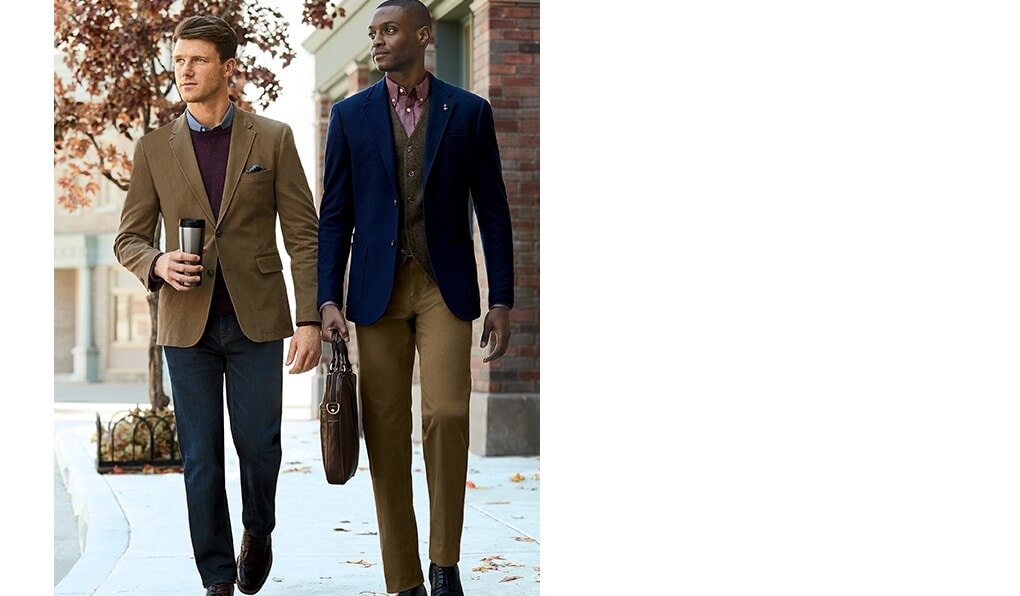
A sport coat adds personality. Choose one with a subtle pattern or texture for creative offices. For a meeting, a navy blazer with a white shirt and charcoal pants always looks professional.
Practical Insight
Unstructured blazers are lighter and easier to wear all day. They don’t restrict movement and fit both slim and larger builds.
Shoes
Footwear matters in business casual. Choose leather or suede.
- Loafers, brogues, derby shoes, or dress boots
- Dark brown, black, or tan
- Avoid athletic shoes, sandals, or bright colors
Shoes make a big difference in your overall look. For most offices, brown loafers are safe and stylish. Dress boots give a modern touch, especially in winter.
Extra Tip
Polished shoes signal professionalism. Keep them clean and use shoe trees to maintain shape.
Belts
Match your belt to your shoes. A simple leather belt adds a polished touch.
- Black or brown
- Minimal buckle
A belt helps your outfit look finished. Avoid large buckles or unusual colors; stick to classic designs.
Socks
Don’t overlook socks. Simple, dark colors are best.
- Avoid white athletic socks
- Patterns are fine if subtle
Dark socks keep your outfit coordinated. For a little fun, try small patterns or textures, but don’t go too bold.
Building Outfits: Practical Combinations
Mixing pieces is where business casual shines. You can create many looks with just a few items. Here are some practical combinations:
- Dress shirt + chinos + loafers
- Polo + dress pants + brogues
- Sweater + collared shirt + chinos + derby shoes
- Blazer + crew neck sweater + dress pants + boots
Each combination can be adjusted for season or office culture. For example, you can wear lighter colors in spring and summer, and darker tones in fall and winter.
Layering Tips
Layering is a smart way to stay comfortable throughout the day. Wear a shirt under a sweater or a blazer over a polo. This lets you adjust if the office temperature changes.
- Always layer thinner fabrics under thicker ones
- Keep colors coordinated but not matching
Layering also helps you switch from casual to formal quickly. For example, remove your blazer for lunch, then put it back on for a meeting.
Common Mistake: Over-layering
Too many layers can feel uncomfortable and look bulky. Stick to one or two layers for the best balance.
Example Outfit Table
Below is a simple table showing sample business casual combinations:
| Top | Bottom | Shoes | Optional Layer |
|---|---|---|---|
| White Dress Shirt | Navy Chinos | Brown Loafers | Gray Blazer |
| Light Blue Polo | Charcoal Dress Pants | Black Brogues | None |
| Light Gray Sweater | Olive Chinos | Tan Derby Shoes | Navy Sport Coat |
These combinations show how a few basic items can create many different looks. Adding one or two new colors can expand your options even more.
Choosing The Right Fit And Fabric
Fit is just as important as style. Clothes that fit well make you look sharp and feel comfortable. Too tight or too loose can spoil your look.
Shirt Fit
- Sleeves should end at your wrist
- Shoulder seams should sit at your shoulders
- No excess fabric around the waist
A well-fitted shirt helps you look more professional. If your shirt is too loose, it can look messy. Too tight can feel uncomfortable and restrict movement.
Extra Insight
When buying shirts, check if you need “slim fit” or “regular fit. ” Slim fit is better for athletic builds, while regular fit suits most body types.
Pants Fit
- Waist sits comfortably, not too high or low
- Hem touches the top of your shoe
- Slim, straight, or relaxed fit depending on your body type
Pants should not pinch or sag. If you’re unsure, try on several styles and see which feels best.
Practical Example
If you have wider hips, straight fit is often more comfortable. Slim fit works well for slender legs, but avoid going too tight.
Shoe Fit
- Snug but not tight
- Enough room for toes
- Avoid slipping at the heel
Shoes should feel comfortable all day. If your feet slide inside, the shoe is too big. If your toes feel cramped, it’s too small.
Mistake To Avoid
Many men buy shoes that are too loose, hoping for comfort. This can cause blisters and make walking difficult.
Fabric Choices
For business casual, choose breathable and easy-care fabrics.
- Cotton: Comfortable, easy to wash
- Wool: Warm, looks polished
- Linen: Good for summer, but wrinkles easily
- Blends: Combine comfort and durability
Your fabric choice affects how your clothes look and feel. Cotton is best for shirts and chinos, while wool is ideal for blazers and pants.
Practical Fabric Tip
Check care instructions before buying. Some fabrics need dry cleaning, which adds cost and hassle.
Fabric Comparison Table
Here’s a quick look at common business casual fabrics:
| Fabric | Best For | Pros | Cons |
|---|---|---|---|
| Cotton | Shirts, chinos | Soft, breathable, affordable | Can wrinkle, may shrink |
| Wool | Pants, blazers | Warm, elegant, durable | Higher price, dry clean |
| Linen | Summer shirts | Lightweight, cool | Wrinkles quickly |
| Polyester Blends | Dress shirts, pants | Easy care, resists wrinkles | Less breathable |
Colors And Patterns: What Works Best
Color choice affects how formal or casual you look. Business casual usually sticks to neutral and muted tones. Patterns can add interest, but keep them subtle.
Recommended Colors
- White: Always classic
- Light blue: Fresh and professional
- Navy: Works for pants, blazers, and sweaters
- Gray: Good for almost anything
- Olive: A modern touch
Neutral colors make mixing easier. You can add a brighter color for personality, but keep the rest simple.
Extra Example
A navy sweater, white shirt, and gray pants create a balanced look. If you want to add color, try burgundy socks or a patterned tie.
Patterns
- Thin stripes or small checks
- Avoid bold prints or loud designs
- Simple textures like herringbone or twill are fine
Patterns should be subtle. Thin stripes or small checks on shirts add style without being distracting.
Practical Insight
Patterns can hide wrinkles or stains. If you travel or have long days, a checked shirt can stay looking fresh.
Mixing Colors
Keep your outfit balanced. If you wear a bold color, pair it with neutrals. For example, a burgundy sweater looks great with gray pants.
Mixing colors is easy if you follow the “one bold, rest neutral” rule. Avoid wearing too many strong colors at once.
Business Casual For Different Office Cultures
Some offices are more relaxed, others stricter. Always check your company’s dress code before choosing your outfit.
Traditional Office
- Stick to dress shirts, dress pants, and blazers
- Leather shoes only
- Avoid polos unless allowed
Traditional offices expect a polished look. If you’re unsure, dress one level up until you know the culture.
Modern Tech Office
- Chinos, polos, sweaters are common
- Dress boots or clean sneakers may be accepted
- Blazers optional
Tech offices focus on comfort and creativity. You can try new colors or patterns, but always keep your outfit neat.
Creative Agency
- More color and pattern allowed
- Layering, accessories, and unique shoes can work
Creative offices allow for expression. Add a patterned blazer or colorful socks for personality.
Remote Work Or Hybrid
- Comfort matters most
- Polo or sweater with chinos is easy
- Video calls: Dress well from the waist up
Remote work lets you relax your outfit. For video calls, focus on the top half—shirt, sweater, or blazer.
Extra Tip
If your office has casual Fridays, use this day to try new combinations or styles.
Practical Tips For Building A Business Casual Wardrobe
Building a wardrobe is about choosing smart, versatile pieces. You don’t need a huge closet—just a few quality items.
- Buy basics in neutral colors first
- Make sure everything fits well
- Choose items you can mix and match
- Invest in good shoes—they last longer
- Update your wardrobe as styles change or your office evolves
Mistake To Avoid
Buying too many trendy items can make your wardrobe less flexible. Stick to classics for most pieces, and add style with accessories.
How Many Pieces Should You Own?
You don’t need dozens of shirts or pants. Start small:
- 3–5 dress shirts
- 2–3 polos
- 2–3 pairs of chinos
- 1–2 pairs of dress pants
- 2 sweaters
- 1–2 blazers
- 2 pairs of shoes
This gives you enough variety for a week, plus options for meetings or special days.
Practical Example
With three dress shirts and two sweaters, you can create six different outfit combinations. Add a blazer, and you double your options.
Common Mistakes In Business Casual
Many men make errors when dressing business casual. Avoid these to look your best.
Mistake 1: Wearing Jeans
Even dark jeans are not business casual in most offices. Stick to chinos or dress pants.
Mistake 2: Athletic Shoes
Sneakers may be comfortable, but they don’t fit the business casual style. Leather shoes or boots are better.
Mistake 3: Untucked Shirts
Tuck in your shirt unless your office is very relaxed. An untucked shirt can look sloppy.
Extra Tip
Some shirts are designed to be worn untucked, but check the length. If the hem is too long, it looks messy.
Mistake 4: Overly Casual Accessories
Backpacks, bright socks, and flashy watches don’t fit the business casual look. Choose simple, classic accessories.
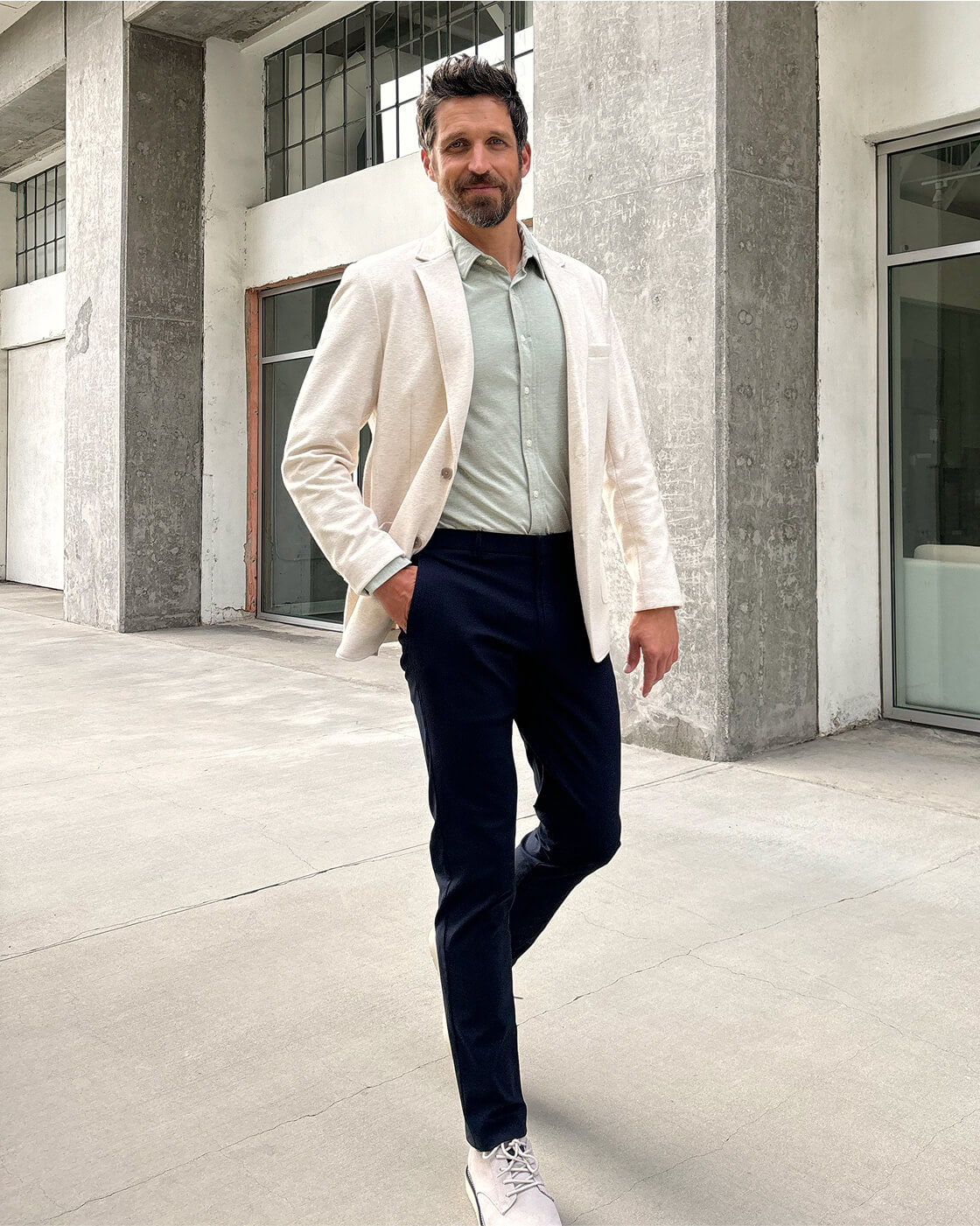
Mistake 5: Ignoring Grooming
Clean hair, neat facial hair, and tidy nails matter as much as clothes.
Extra Insight
Grooming can set you apart. Even if your clothes are simple, clean hair and nails show attention to detail.
Credit: www.stitchfix.com
Business Casual Vs. Business Formal
It’s easy to mix up business casual with business formal. Here’s a quick comparison:
| Feature | Business Casual | Business Formal |
|---|---|---|
| Tops | Dress shirts, polos, sweaters | Dress shirts, suit jackets |
| Bottoms | Chinos, dress pants | Matching suit trousers |
| Shoes | Loafers, brogues, boots | Oxfords, dress shoes |
| Accessories | Simple belt, minimal watch | Tie, pocket square, cufflinks |
| Formality Level | Medium | High |
Business formal is for big meetings, presentations, or important events. Business casual is more flexible and comfortable for daily work.
Business Casual For Different Body Types
Finding the right fit is easier if you know your body type. Here are some tips:
Athletic Build
- Slim fit shirts and pants
- Avoid baggy clothes
Slim fits highlight your shape and keep you looking sharp. Avoid oversized items, which can hide your build.
Slim Build
- Regular fit shirts
- Layer with sweaters or blazers for bulk
Layers add volume and help slim builds look more balanced. Choose shirts with a bit of structure.
Larger Build
- Avoid tight clothes
- Choose straight or relaxed fit
- Dark colors can slim your look
Straight fits are comfortable and flattering. Dark colors reduce attention to size and add a refined touch.
Shorter Height
- Avoid long jackets or pants
- Choose clothes that fit your proportions
Clothes that fit well make you look taller. Avoid oversized items, which can make you look shorter.
Extra Example
If you’re shorter, a blazer with shorter sleeves and pants with a tailored hem will look much better than standard sizes.
Credit: www.josbank.com
Accessories And Grooming
Accessories can make your outfit stand out, but keep them simple.
- Watches: Metal or leather band, not too large
- Belt: Match with shoe color
- Bag: Leather briefcase or messenger bag
A quality watch or belt adds style without drawing too much attention. Avoid big logos or bright colors.
Good grooming is part of business casual. Keep hair tidy, facial hair neat, and nails clean.
Extra Insight
A simple accessory like a tie bar or pocket square can add style if your office allows it.
Buying Business Casual On A Budget
You don’t need to spend a lot to look good. Here’s how to build your wardrobe affordably:
- Shop during sales or clearance events
- Choose versatile basics first
- Buy fewer, better quality items
- Consider online retailers for deals
Many brands offer affordable business casual options. Look for reviews and compare prices before buying.
Practical Tip
Some thrift stores and online marketplaces sell nearly new blazers or dress shirts at low prices. Buying second-hand can save money and help the environment.
Non-obvious Insights For Beginners
Many beginners miss these points when starting:
- Fit is more important than price: Even affordable clothes look sharp if they fit well.
- Care labels matter: Some fabrics require dry cleaning. Always check before buying.
- Shoes set the tone: Clean, polished shoes make your whole outfit look better.
- Layers help with temperature: Offices can be cold or hot. Layering keeps you comfortable.
Extra Insight
If you travel often, wrinkle-free shirts and pants save time. Invest in a travel steamer for quick fixes.
Sustainability And Ethical Choices
Modern business casual can be eco-friendly. Choose brands that use organic cotton or recycled materials. Many companies now offer sustainable options without extra cost.
Buying fewer, higher-quality pieces reduces waste and saves money over time. If possible, donate or recycle old clothes.
Example
Some brands offer take-back programs, recycling your old clothes for new materials. This helps reduce environmental impact.
Credit: www.timetrex.com
Where To Find Inspiration
Look at professional men in your field, or browse style blogs and magazines. Websites like GQ Magazine show business casual looks from around the world.
Watching how others dress can spark new ideas. Take photos of outfits you like and try similar combinations.
Frequently Asked Questions
What Is The Main Difference Between Business Casual And Smart Casual?
Business casual usually means collared shirts, chinos, and dress shoes, while smart casual allows more creative choices like dark jeans, stylish sneakers, or unique jackets. Business casual is stricter and safer for most offices.
Can I Wear Jeans In A Business Casual Office?
Most offices do not accept jeans as business casual, even if they are dark and plain. If you’re unsure, check your company’s dress code or ask HR.
Are Sneakers Allowed In Business Casual?
Sneakers are usually not allowed. Some tech or creative offices may accept clean, simple sneakers, but leather shoes are safer. Always check your office culture.
How Many Business Casual Outfits Should I Have?
Aim for at least 5–7 outfits so you have enough for a full work week. Mix and match shirts, pants, and shoes to create variety.
How Do I Keep Business Casual Clothes Looking Good?
Wash according to the care label. Iron shirts and pants if needed. Store shoes properly and polish them regularly. Avoid over-washing sweaters and blazers.
Business casual is about looking professional and feeling comfortable. By choosing the right pieces and paying attention to fit and style, you’ll always be ready for the office—no matter how the dress code changes.
