

Good Business Casual Clothes for Men: Stylish Wardrobe Essentials
Good Business Casual Clothes For Men
Looking professional does not always mean wearing a suit and tie. Today, many workplaces welcome business casual clothing. This style is more relaxed but still keeps a neat, polished look. Choosing the right pieces can help you feel confident at work, impress colleagues, and adapt to different office cultures. But what does “business casual” really mean for men? And which clothes are best if you want to look sharp but not overdressed? This guide breaks down everything you need to know, from shirt choices to footwear, plus practical advice and common mistakes to avoid.
What Is Business Casual?
Business casual is a dress code that mixes formal and informal clothing. It fits offices that don’t require a full suit but expect employees to look neat and presentable. The main idea is to avoid extremes: not too formal, not too casual. For men, business casual usually means collared shirts, smart trousers, clean shoes, and simple accessories. Jeans, sneakers, and T-shirts are often too casual, while a suit jacket may be too formal unless your workplace allows it.
Key Elements Of Men’s Business Casual
Building a strong business casual wardrobe starts with a few basics. Each piece should be clean, well-fitted, and comfortable. Let’s look at the most important categories:
Shirts
Shirts are the foundation of business casual. The best options are:
- Dress shirts (button-down): Choose solid colors like white, blue, or pale pink. Thin stripes or subtle checks also work.
- Oxford shirts: A bit more relaxed but still neat. Light colors are safest.
- Polo shirts: Acceptable in some offices, especially with a collar and good fabric.
Avoid loud patterns, flashy colors, or anything with logos.
Trousers
Pants should look polished and fit well. Good choices include:
- Chinos: Versatile and comfortable. Stick to neutral colors—khaki, navy, gray, or black.
- Dress slacks: More formal but still acceptable. Wool or cotton blends are best.
- Dress jeans: Only if your office allows. Choose dark wash, no rips, and pair with a dress shirt.
Do not wear shorts, sweatpants, or baggy jeans.
Jackets And Blazers
A blazer or sports jacket adds instant polish. Choose:
- Single-breasted style
- Neutral colors like navy or gray
- Simple patterns, if any
You do not need a matching suit. Pairing a blazer with chinos or slacks looks modern. Cardigans or sweaters can also work, especially in cooler months.
Shoes
Proper footwear is key. Good options:
- Leather loafers: Classic and comfortable
- Derby or Oxford shoes: Formal but not too dressy
- Dress boots: Clean and well-polished
- Minimalist sneakers: Only if office allows, must be clean and simple
Avoid flip-flops, athletic shoes, or sandals.
Accessories
Keep it simple:
- Leather belt: Matches shoes
- Wristwatch: Classic style
- Subtle socks: No wild patterns
- Tie: Optional—skip unless workplace asks for it
Jewelry should be minimal. A ring or cufflinks are fine but avoid flashy pieces.
Choosing The Right Fit
Fit is more important than brand or price. Clothes that fit well look better and feel more comfortable. Here are some tips:
- Shirts should not be too tight or too loose. If the buttons pull, size up.
- Trousers should sit at your waist, not hips. Hem should touch your shoes.
- Blazers should fit the shoulders. Sleeves should stop at the wrist bone.
- Shoes must fit snugly but not pinch.
Tailoring can make a big difference. Even simple adjustments—like shortening sleeves or hemming pants—help you look sharp.
Best Fabrics For Business Casual
Fabric affects both comfort and style. Some materials are better for business casual:
- Cotton: Soft, breathable, works for shirts and chinos.
- Wool: Good for slacks and blazers, especially in cool weather.
- Linen: Light and airy, good for summer but wrinkles easily.
- Polyester blends: Often easy-care and wrinkle-resistant.
Avoid shiny fabrics or anything that looks cheap. Always check care labels—some fabrics need dry cleaning, others can be machine washed.
Seasonal Business Casual Tips
Business casual changes with the weather. Here’s how to adapt:
Summer
- Choose lightweight fabrics like cotton and linen.
- Lighter colors keep you cool.
- Short-sleeve shirts are fine if neat.
- Avoid shorts unless your office approves.
Winter
- Layer with sweaters or cardigans.
- Wool trousers and blazers keep you warm.
- Darker colors are more common.
- Scarves and gloves should be simple.
Rainy Days
- A classic trench coat or rain jacket looks professional.
- Waterproof shoes keep feet dry.
- Avoid bright rain gear; stick to neutral tones.
Comparing Business Casual Vs Formal Office Wear
Understanding the differences helps you make the right choice. Here’s a side-by-side look:
| Item | Business Casual | Formal Wear |
|---|---|---|
| Shirt | Button-down, polo, Oxford | Dress shirt, often white |
| Pants | Chinos, slacks, dark jeans | Suit trousers |
| Jacket | Blazer, cardigan | Suit jacket (matching) |
| Shoes | Loafers, dress boots | Oxford, formal dress shoes |
| Accessories | Minimal; tie optional | Tie required, cufflinks |
Common Business Casual Mistakes
Even experienced professionals make errors with business casual. Avoid these pitfalls:
- Wearing wrinkled clothes: Always iron shirts and pants.
- Choosing too casual shoes: No running shoes or sandals.
- Ignoring fit: Baggy or tight clothes look sloppy.
- Using flashy accessories: Stick to simple items.
- Mixing formal and casual pieces wrong: For example, pairing a suit jacket with ripped jeans.
- Not checking workplace rules: Each office may have its own standards.
Some men forget that business casual is about balance. If unsure, dress a bit more formal—never less.
Building A Business Casual Wardrobe
Start with basics and add pieces over time. Here’s a simple plan:
- Two or three solid color shirts
- Two pairs of chinos (navy and khaki)
- One pair of dark slacks
- One neutral blazer
- Two pairs of leather shoes (brown and black)
- Three belts (black, brown, navy)
- One or two sweaters for cold days
Once you have these, add variety with patterned shirts, different shoes, or seasonal items.
Best Colors For Business Casual
Colors matter. The safest choices are:
- Navy
- Gray
- White
- Black
- Khaki
You can add color through shirts or accessories, but avoid neon or very bright shades. Earth tones and pastels are more office-friendly.
Business Casual For Different Body Types
Clothes look different on every man. Here’s how to choose:
Slim Build
- Opt for fitted shirts and trousers.
- Avoid oversized jackets.
Athletic Build
- Choose shirts with a bit of stretch.
- Tapered pants work well.
Larger Build
- Look for structured jackets.
- Choose darker colors to slim the look.
Tailoring can help any body type. Don’t be afraid to visit a tailor—small changes make big improvements.
How To Mix And Match
Business casual allows freedom to mix pieces. Here are some combinations:
- Navy blazer + white shirt + khaki chinos + brown loafers
- Gray cardigan + blue Oxford shirt + black slacks + black shoes
- Light blue polo + dark jeans + minimalist sneakers
Mixing textures and colors adds interest. Try a wool blazer with cotton chinos, or a linen shirt with dress slacks.
Data: Popular Business Casual Choices
Many men prefer simple, classic items. According to a workplace style survey:
- 65% favor chinos over jeans
- 58% wear button-down shirts as their go-to
- 42% choose loafers for everyday shoes
- 73% own at least one blazer for meetings
Most professionals invest in versatile basics, then add extras as needed.
Top Brands For Business Casual Clothing
Quality matters, but you don’t have to spend a fortune. Here are some trusted brands:
- Brooks Brothers: Known for classic shirts and slacks
- Banana Republic: Modern, versatile styles
- Uniqlo: Affordable basics
- J.Crew: Good mix of trendy and classic
- Nordstrom: Wide selection, many price points
Each brand offers different fits. Try clothes on before buying, or check return policies.
Business Casual For Remote Work
Even when working from home, dress can affect productivity. Here’s how to apply business casual at home:
- Wear a collared shirt for video calls
- Choose comfortable pants (chinos or dress jeans)
- Skip shoes if you want, but keep socks neat
- Add a sweater or blazer for important meetings
Dressing up a little—even at home—helps you feel more professional and focused.
How Business Casual Differs Around The World
Business casual is not the same everywhere. For example:
- In the US, chinos and button-down shirts are standard.
- In Europe, men often wear slim-fit trousers and stylish jackets.
- In Asia, business casual may include dress jeans and polo shirts.
Always check local norms if you travel or work for a global company.
Accessories That Elevate Business Casual
Small touches can improve your look:
- Pocket squares: Simple, solid colors
- Leather briefcase: Sleek and practical
- Wristwatch: Avoid digital or sporty types
- Subtle cufflinks: Only if wearing a jacket
Less is more. One or two accessories are enough.
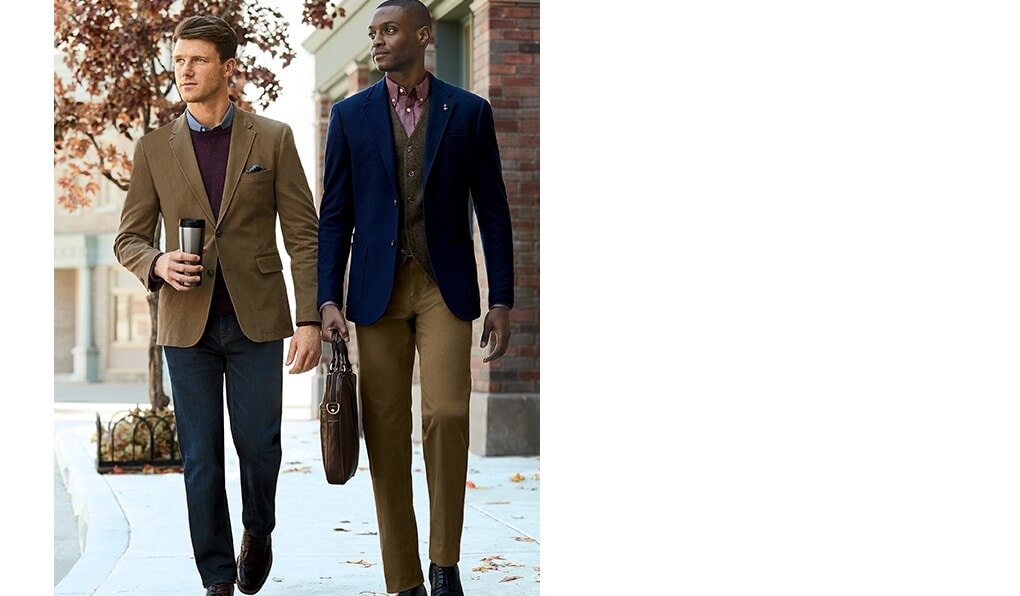
Credit: www.josbank.com
Business Casual For Special Occasions
Sometimes you need to dress up for a client meeting or event. Here’s what works:
- Add a tie to your usual outfit
- Wear a blazer over a patterned shirt
- Choose formal shoes
If unsure, ask your boss or HR for guidance. It’s better to be slightly overdressed than too casual.
How To Care For Business Casual Clothes
Proper care makes clothes last longer and look better:
- Wash shirts and pants in cold water to preserve color
- Iron or steam shirts before wearing
- Use shoe polish for leather shoes
- Hang blazers and trousers to avoid wrinkles
Dry cleaning is not always needed. Many cotton shirts and chinos can be machine washed.
Comparing Chinos Vs Dress Slacks
Choosing between chinos and dress slacks can be tricky. Here’s a quick comparison:
| Feature | Chinos | Dress Slacks |
|---|---|---|
| Material | Cotton or blends | Wool or polyester |
| Fit | Relaxed to slim | Usually tailored |
| Care | Machine washable | Often dry-clean only |
| Style | Casual to semi-formal | Formal |
| Best for | Everyday office | Meetings, events |
Chinos are best for daily wear, while dress slacks suit more formal days.
How To Choose The Right Shoes
Shoes can make or break your business casual outfit. Consider these points:
- Material: Leather is best for durability and style.
- Color: Brown and black are most versatile.
- Style: Loafers are easy to wear. Oxfords are more formal.
- Comfort: Try shoes on before buying; walk around to test fit.
Some men overlook shoe care. Keep shoes clean and polished—they last longer and look sharper.

Credit: southerntide.com
Business Casual For Tall And Short Men
Height affects clothing choices:
Tall Men
- Choose regular fits, not long
- Avoid vertical stripes, which make you look taller
Short Men
- Try slim-fit shirts and pants
- Avoid oversized jackets
A good tailor can help adjust lengths. Even changing sleeve or pant length makes a big difference.
Sustainable Business Casual Choices
Eco-friendly clothing is becoming popular. Here’s how to make better choices:
- Buy clothes made from organic cotton or recycled fabrics
- Choose brands with fair labor practices
- Buy fewer, better-quality items
Sustainable clothes often cost more but last longer. Look for labels and check brand policies.
Non-obvious Insights About Business Casual
Many beginners miss these points:
- Fabric texture can change the feel of an outfit. For example, a cotton shirt looks softer, while a crisp Oxford feels more formal.
- Layering adds depth. Wearing a sweater over a shirt, or a cardigan under a blazer, creates interest without breaking the dress code.
- Sock choice matters. Simple, solid socks look best. Patterned socks can work but should match your outfit.
- Rolling sleeves on shirts is fine, but only if the shirt is neat and fits well.
Paying attention to small details can help you stand out in a positive way.
Real Examples Of Business Casual Outfits
Here are practical outfit ideas for different situations:
- Monday Meeting: Navy blazer, white shirt, gray slacks, black loafers
- Casual Friday: Light blue Oxford, khaki chinos, brown shoes
- After-Work Event: Patterned shirt, dark jeans, dress boots
- Winter Day: Gray sweater, blue shirt, black slacks, leather shoes
Mix and match these looks depending on your office and personal style.

Credit: southerntide.com
Business Casual For Different Workplaces
Not all offices have the same standard. For example:
- Tech companies: More relaxed, may allow jeans and polos
- Finance firms: Expect more formal business casual
- Creative agencies: Style and color freedom, but still neat
If you’re new, observe what others wear. Ask HR or your manager if unsure.
Business Casual Clothing Cost Comparison
Here’s a simple breakdown of typical prices:
| Item | Low Price | Average Price | High Price |
|---|---|---|---|
| Shirt | $25 | $60 | $120 |
| Chinos | $30 | $70 | $150 |
| Blazer | $80 | $180 | $400 |
| Shoes | $50 | $120 | $250 |
Spending more usually means better fabric and fit, but you can find good deals at outlet stores or during sales.
Where To Shop For Business Casual Clothes
Some of the best places to find business casual:
- Department stores: Wide selection
- Brand outlets: Lower prices for last season’s styles
- Online shops: Easy to compare prices, but check sizing charts
- Tailors: Custom fit, higher cost
Try clothes on when possible. Check return policies for online stores.
How Business Casual Helps Your Career
Dressing well affects how others see you. A neat, stylish outfit:
- Makes a good first impression
- Shows you care about your role
- Helps you feel confident and ready
Research shows that employees who dress professionally are more likely to get promotions and positive feedback (Forbes). Even in casual offices, looking your best pays off.
Frequently Asked Questions
What Is The Easiest Business Casual Outfit For Men?
The simplest option is a button-down shirt, chinos, and leather loafers. Add a belt and watch for a complete look. This works for most offices and is easy to put together.
Can I Wear Jeans For Business Casual?
Dark, clean jeans are sometimes allowed, but only if your office approves. Always pair with a collared shirt and smart shoes—never sneakers or T-shirts.
Should I Wear A Tie With Business Casual?
A tie is usually optional. Wear it for meetings or special events. If unsure, ask your manager or follow what others do.
How Do I Keep Business Casual Clothes Looking New?
Wash in cold water, iron shirts and pants, polish shoes, and hang jackets. Avoid over-washing, and use gentle detergent for delicate fabrics.
What Shoes Are Best For Business Casual?
Leather loafers, Derby shoes, and dress boots are top choices. They look professional and are comfortable for daily use. Avoid athletic shoes or sandals.
Looking good in business casual is not just about buying clothes—it’s about finding the right fit, caring for your items, and choosing styles that match your workplace. With these tips, you can build a wardrobe that helps you feel confident and succeed at work.
