

Does Business Casual Require a Tie? Dress Code Explained
Does Business Casual Require A Tie
The world of business casual confuses many people. You might wonder: Do you need a tie with business casual? Is it better to skip the tie, or does leaving it out look unprofessional? These questions matter, especially if you want to make the right impression at work, a job interview, or a networking event. Business casual dress codes are everywhere, but they’re not always clear. Different companies, industries, and cultures see business casual in their own ways. Sometimes, a tie is expected. Other times, it’s not. This guide will help you understand the true meaning of business casual, when a tie fits in, and how to make smart choices. You’ll learn the history, see examples, and get practical advice for real situations. Let’s clear up the confusion and help you dress confidently for any business casual setting.
What Is Business Casual?
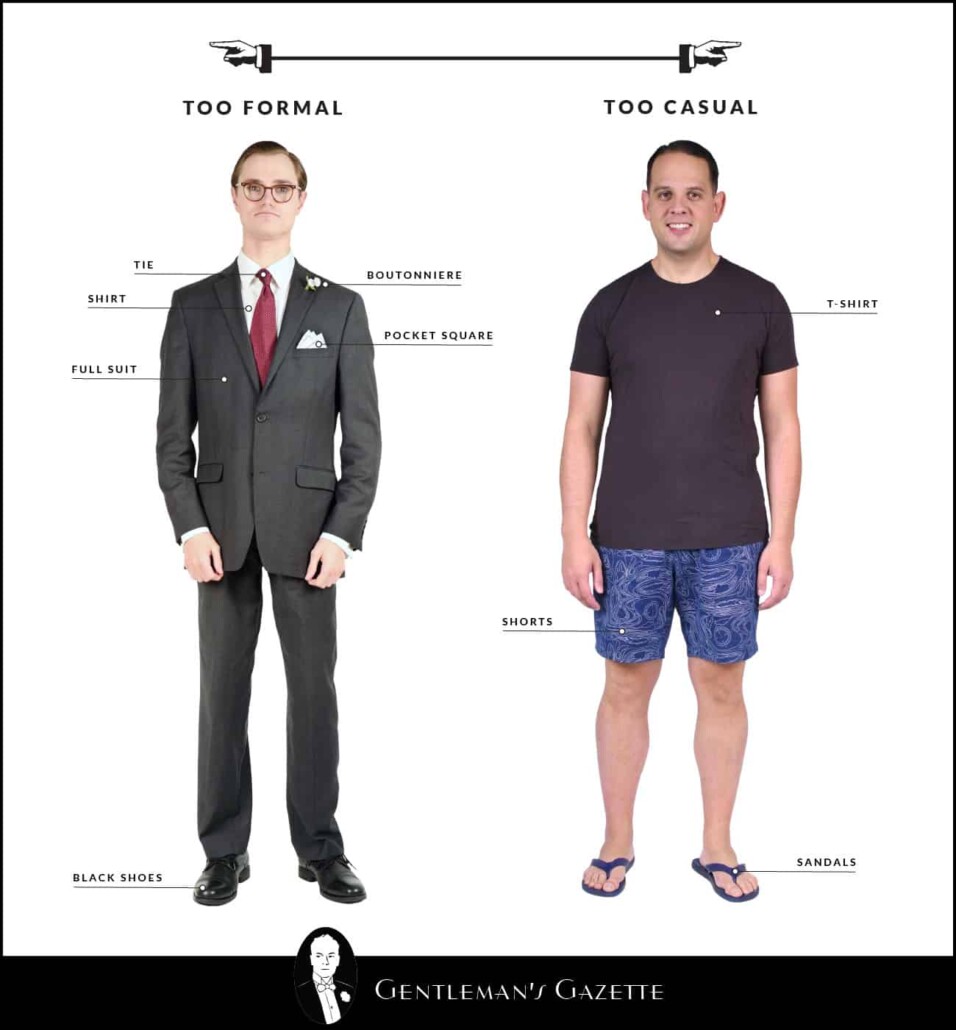
Business casual is a mix of professional and relaxed clothing. It sits between formal business wear and everyday casual clothes. You won’t see full suits, but you also won’t see t-shirts or jeans. The goal is to look smart and comfortable at the same time.
Common Elements Of Business Casual
- Collared shirts: Button-downs, polos, or sometimes blouses.
- Slacks or chinos: No jeans or shorts.
- Dress shoes: Loafers, oxfords, or flats.
- Sweaters or blazers: Optional, but often included.
You can express your personality with colors and patterns, but the look stays neat and tidy. For men, this usually means no jacket and no tie. For women, it means no formal suit or dress, but still polished.
Business Casual Vs. Formal Business
Let’s compare business casual to formal business wear:
| Formal Business | Business Casual |
|---|---|
| Suits (jacket & pants/skirt) | Slacks, chinos, skirts |
| Dress shirt with tie | Button-down or polo (tie optional) |
| Dress shoes (black or brown) | Loafers, flats, dress boots |
| Conservative colors | More color freedom |
| Strict dress codes | Flexible guidelines |
You can see that the tie is a must in formal business, but not always in business casual.
The History Behind Business Casual
Business casual started in the US, but its roots go deeper. In the past, office workers wore full suits and ties every day. As companies began to value comfort and creativity, they relaxed the dress code. The shift was slow, but it changed how people dress for work.
How Business Casual Spread
- Tech companies: Silicon Valley led the change by allowing jeans and t-shirts.
- Finance and law: These fields stayed formal longer, but now allow business casual on certain days.
- Global influence: Many countries adopted business casual, but each added local twists.
The tie became optional as workplaces focused more on results than appearance. Some industries still expect a tie for meetings or client visits. In others, ties are rare.
Non-obvious Insight
Many beginners think business casual is just about clothes. But it’s also about company culture. How you dress shows respect for your workplace. Before you decide to wear a tie, consider your company’s values and the people you work with.

Credit: www.bows-n-ties.com
Does Business Casual Require A Tie?
This is the big question. The answer: A tie is not required in most business casual settings. However, there are exceptions. Let’s break it down.
When A Tie Is Not Needed
- Daily office wear in most companies
- Creative industries (marketing, design, tech)
- Casual Fridays in traditional fields
If your office does not mention ties in its dress code, you are usually safe leaving it out.
When A Tie Might Be Expected
- Client meetings where formality matters
- Job interviews (especially in conservative industries)
- Special events (presentations, conferences)
Some companies use “business casual” but expect a tie for important occasions. If you’re unsure, check with HR or observe what others wear.
Real Examples
- At a tech startup, people wear polos and chinos. No ties.
- At a bank, business casual means slacks and a button-down. Ties appear for client meetings.
- At a law firm, business casual is strict. Some lawyers wear ties even on relaxed days.
Non-obvious Insight
Many beginners think adding a tie makes any outfit more professional. This is not always true. If the rest of your clothes are too casual, a tie can look out of place. Always match the tie to the setting and the outfit.
How To Decide: Tie Or No Tie?
Making the right choice is easier if you ask yourself a few key questions.
1. What Does Your Company Expect?
Read the dress code or ask your manager. If the policy is vague, watch what leaders wear. If nobody wears a tie, you don’t need one.
2. Who Will You Meet?
If you’re meeting clients or upper management, it’s safer to wear a tie. For team meetings, a tie is less important.
3. What Is The Occasion?
Special events may require a tie, even if your daily outfit doesn’t. For presentations, important visitors, or interviews, a tie shows extra effort.
4. What Is Your Role?
If you’re a manager or leader, dressing slightly more formal can show authority. Sometimes, wearing a tie sets you apart in a positive way.
5. What Is The Industry Standard?
Some fields stay more formal. Finance, law, and consulting often expect ties. Tech, marketing, and creative jobs rarely do.
Practical Advisor Tip
When in doubt, bring a tie with you. You can decide to wear it or leave it off after seeing what others wear. This saves you from feeling underdressed or overdressed.
The Tie: Style, Types, And Alternatives
If you choose to wear a tie, there are many options. The right tie makes your outfit look sharp without being too formal.
Types Of Ties For Business Casual
- Solid color ties: Simple and safe for most settings.
- Patterned ties: Stripes, dots, or subtle prints add personality.
- Knitted ties: Soft and less formal. Good for relaxed offices.
- Skinny ties: Modern look, but not always appropriate in traditional fields.
Avoid flashy or novelty ties. Stick to muted colors and small patterns.
Alternatives To Ties
If you want to skip the tie, you can still look polished:
- Open-collar shirts: Button-down with the top button undone.
- Sweaters or vests: Layer over a shirt for a smart look.
- Blazer without a tie: Adds formality without being too strict.
Some people use accessories like pocket squares or lapel pins. These add style without needing a tie.
Data Table: Tie Vs. No Tie In Business Casual
Here’s a quick comparison:
| With Tie | Without Tie |
|---|---|
| More formal appearance | Relaxed and approachable |
| Good for meetings, interviews | Good for daily office wear |
| Shows extra effort | Shows comfort and confidence |
| Can feel out of place if too casual | Matches most modern workplaces |
Experience-based Guide Tip
If you are new to a company, start slightly more formal. Over time, adjust your outfit to match the office culture. A tie is easy to remove if you see that nobody else wears one.
How Women Approach Business Casual
Women’s business casual outfits do not usually include ties. Instead, the focus is on blouses, slacks, skirts, and accessories.
Common Business Casual Choices For Women
- Blouses: Plain or patterned, with or without collars.
- Dress pants or skirts: Knee-length or longer.
- Sweaters or cardigans: For layering.
- Closed-toe shoes: Flats, loafers, or low heels.
Accessories like scarves, necklaces, and earrings replace ties. Some creative industries welcome bolder styles, but most offices prefer simple, classic looks.
Women’s Equivalent To A Tie
In formal business, women might wear a silk scarf or a statement necklace. In business casual, these are optional. The goal is the same: look professional, feel comfortable, and express personality.
Cultural Differences In Business Casual
Business casual means different things around the world. In some countries, a tie is still part of the dress code. In others, ties are rare.
Examples From Different Countries
- United States: Ties are optional in most business casual offices.
- United Kingdom: Ties are more common, especially in finance and law.
- Japan: Many companies expect ties, even with relaxed dress codes.
- Australia: Ties are less common, especially in creative fields.
Table: Business Casual Tie Expectation By Country
| Country | Tie Expected? |
|---|---|
| United States | No, except for meetings/interviews |
| United Kingdom | Often, especially in traditional fields |
| Japan | Yes, for most business settings |
| Australia | No, mostly relaxed |
| Germany | No, unless client-facing |
Calm Expert Advice
If you work in an international company, learn about the local dress code. Wearing a tie in one country may look out of place in another. Ask colleagues or check company guidelines before deciding.
The Role Of Accessories In Business Casual
Accessories can help you look polished even without a tie. For men and women, smart accessories are a big part of business casual.
Smart Accessories For Men
- Belts: Match with shoes for a coordinated look.
- Watches: Simple styles add professionalism.
- Pocket squares: For blazers, subtle colors only.
- Lapel pins: Small and classic designs.
Smart Accessories For Women
- Scarves: Light fabrics, simple patterns.
- Jewelry: Small earrings, simple necklaces.
- Handbags: Clean and structured styles.
Why Accessories Matter
They show attention to detail. If you skip the tie, choose one or two smart accessories. This keeps your outfit interesting and professional.
Non-obvious Insight
Some beginners forget about grooming. Well-kept hair, clean nails, and tidy shoes matter as much as your clothes. Business casual is about the whole look, not just the clothing.
Mistakes To Avoid In Business Casual
Even if you know the rules, mistakes can happen. Here are common problems and how to avoid them.
1. Wearing A Tie With Very Casual Clothes
A tie with a polo or jeans looks mismatched. Always pair a tie with a collared shirt and dress pants.
2. Choosing Loud Or Novelty Ties
Business casual is not the place for cartoon ties or bright colors. Stick to classic styles.
3. Ignoring Company Culture
Dressing too formally or too casually can make you stand out in the wrong way. Watch what others wear.
4. Over-accessorizing
Too many accessories can look messy. Choose one or two simple pieces.
5. Neglecting Fit
Clothes should fit well. Baggy or tight clothes look unprofessional, even in casual settings.
Straight-to-the-point Helper Tip
If you’re unsure, ask someone who has been at the company longer. They know what works and what doesn’t.
Business Casual For Different Occasions
Business casual is flexible. You can adjust your outfit for different events.
Office Work
- No tie needed for daily tasks.
- Add a blazer or sweater for meetings.
Job Interviews
- Wear a tie if the company is conservative.
- If the company is creative, skip the tie but wear a blazer.
Networking Events
- Ties are optional, but a smart outfit is a must.
- Add a unique accessory to stand out.
Presentations
- A tie shows extra effort, but is not always required.
- Focus on neatness and confidence.
Company Parties
- Skip the tie unless the event is formal.
- Express personality with colors and patterns.
The Impact Of Business Casual On Workplace Culture
Business casual affects how people feel at work. It can make offices more relaxed and creative. But it also sets boundaries.
Benefits Of Business Casual
- Comfort: Employees feel better and work longer.
- Creativity: Less strict dress codes allow more expression.
- Team spirit: People feel equal, not divided by status.
Risks Of Business Casual
- Confusion: Unclear rules can lead to mistakes.
- Professionalism: Too casual can hurt the company’s image.
Statistics
A survey by LinkedIn found that 68% of employees prefer business casual over formal wear. But 22% worry that unclear dress codes cause stress. Companies with clear guidelines see fewer problems.
Friendly Mentor Advice
If your company changes its dress code, ask for examples. Clear photos or lists help people understand what’s expected.
How To Build A Complete Business Casual Wardrobe
You don’t need a huge wardrobe for business casual. Focus on key pieces that work together.
Essentials For Men
- 3–5 collared shirts (button-down or polo)
- 2–3 pairs of dress slacks or chinos
- 1–2 blazers or sweaters
- 2 pairs of dress shoes (brown and black)
- Belts, watches, pocket squares
Essentials For Women
- 3–5 blouses or tops
- 2–3 pairs of dress pants or skirts
- 1–2 cardigans or blazers
- 2 pairs of flats or low heels
- Scarves, jewelry, handbags
Buy neutral colors first. Then add color and pattern as you get comfortable. Make sure everything fits well.
Experience-based Guide Tip
Check the company calendar for events. Build your wardrobe around your real needs, not just the dress code.
Business Casual In Remote Work
Remote work has changed how people dress. Many companies relax dress codes for video calls. But business casual still matters.
Video Calls
- No tie needed unless meeting clients.
- Wear a collared shirt or blouse.
- Avoid t-shirts, even if only your top half shows.
Hybrid Offices
- Some days require business casual in person.
- Keep a tie and blazer handy for surprise meetings.
Practical Advisor Tip
Dress slightly better than you think you need for video calls. This shows respect and helps you feel confident.
How To Upgrade Your Business Casual Look
If you want to stand out, there are easy ways to upgrade your outfit without a tie.
1. Layer Smartly
Add a blazer or sweater over your shirt. This adds depth and makes you look polished.
2. Use Subtle Patterns
Choose shirts or blouses with small checks, stripes, or dots. Avoid bold prints.
3. Pick High-quality Fabrics
Good fabric looks better and lasts longer. Cotton, wool, and blends work well.
4. Keep Shoes Clean
Dirty shoes ruin a smart outfit. Clean and polish them often.
5. Pay Attention To Grooming
Neat hair and clean nails matter. They complete your professional look.
Credit: www.gentlemansgazette.com
When To Break The Business Casual Rules
Sometimes, breaking the rules is the right move. If you work in a creative field, bold colors or unique accessories can help you stand out.
Creative Industries
- Bright shirts or blouses
- Patterned slacks or skirts
- No tie, but stylish accessories
Startups
- Jeans with a blazer
- Sneakers with a dress shirt
- No tie needed
Non-obvious Insight
If you break the rules, do it with purpose. Make sure your outfit fits the company’s vibe and your role.
Frequently Asked Questions
Is A Tie Ever Required For Business Casual?
A tie is not required in most business casual settings. However, some companies or events expect a tie. Always check the dress code or observe what leaders wear.
Can I Wear A Tie With Business Casual?
Yes, you can wear a tie if you want a more formal look. Make sure your outfit matches—pair the tie with a collared shirt and dress pants, not with casual clothes like polos or jeans.
What Is The Best Alternative To A Tie For Business Casual?
Open-collar shirts, sweaters, or blazers are popular alternatives. Accessories like pocket squares or lapel pins can add style without needing a tie.
Should Women Wear Ties In Business Casual?
Women do not usually wear ties in business casual. Scarves, necklaces, or blouses with unique collars are more common.
How Can I Know If My Business Casual Outfit Is Right?
Check your company’s dress code, observe what others wear, and ask HR if you’re unsure. If you feel comfortable and professional, your outfit is probably right.
Business casual is flexible, but it has boundaries. Understanding whether a tie is needed helps you fit in and stand out. The right choice depends on your company, industry, and role. When in doubt, start more formal and adjust as you learn the culture. Pay attention to details, keep your outfit neat, and remember: confidence is the best accessory. If you want more examples or deeper dress code guidelines, you can find helpful resources at Business News Daily. With these tips, you can master business casual and always make a positive impression.
Credit: restartyourstyle.com
