

Can Zumba Be Done Without Shoes? Pros, Cons, and Tips
Can Zumba Be Done Without Shoes
Many people love Zumba because it is energetic, fun, and helps burn calories. But one question comes up often: Can Zumba be done without shoes? This question is important for both beginners and regular Zumba fans. You might wonder if dancing barefoot will improve your experience, cause any problems, or even help with your foot health. The answer is not simple; it depends on your goals, your body, and the space where you practice Zumba.
In this article, you’ll find everything you need to know about doing Zumba without shoes. We’ll look at safety, comfort, performance, health effects, and how bare feet compare to other options. You’ll also get tips for safe barefoot Zumba, learn about common mistakes, and see what experts and trainers recommend.
By the end, you’ll have a clear idea of whether Zumba without shoes is right for you.
What Is Zumba?
Zumba is a dance fitness program that mixes Latin and international music with energetic movements. The routines combine aerobic exercise and dance steps. Zumba is popular because it is easy to join, doesn’t require advanced dance skills, and makes people sweat while having fun.
Zumba classes usually happen in gyms, studios, or at home. People of all ages and fitness levels join. The sessions are designed to improve cardiovascular health, tone muscles, and boost confidence.
One key detail about Zumba is the variety of moves. You’ll jump, spin, slide, and twist. This puts pressure on your feet, ankles, and knees. That’s why footwear is often discussed in Zumba circles.
Why Do Most People Wear Shoes For Zumba?
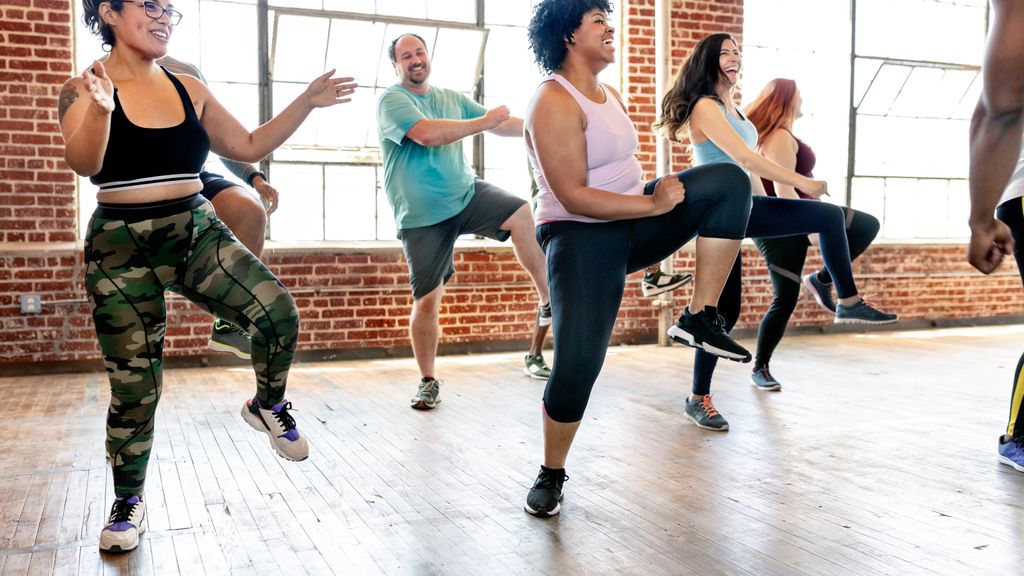
Most Zumba instructors recommend wearing shoes during classes. There are several reasons for this:
- Shock absorption: Shoes cushion your feet, reducing stress on your joints.
- Grip and traction: Shoes help you stay stable during quick moves and turns.
- Protection: Shoes keep your feet safe from rough floors, dirt, or sharp objects.
- Support: Good shoes provide arch and ankle support, reducing risk of injuries.
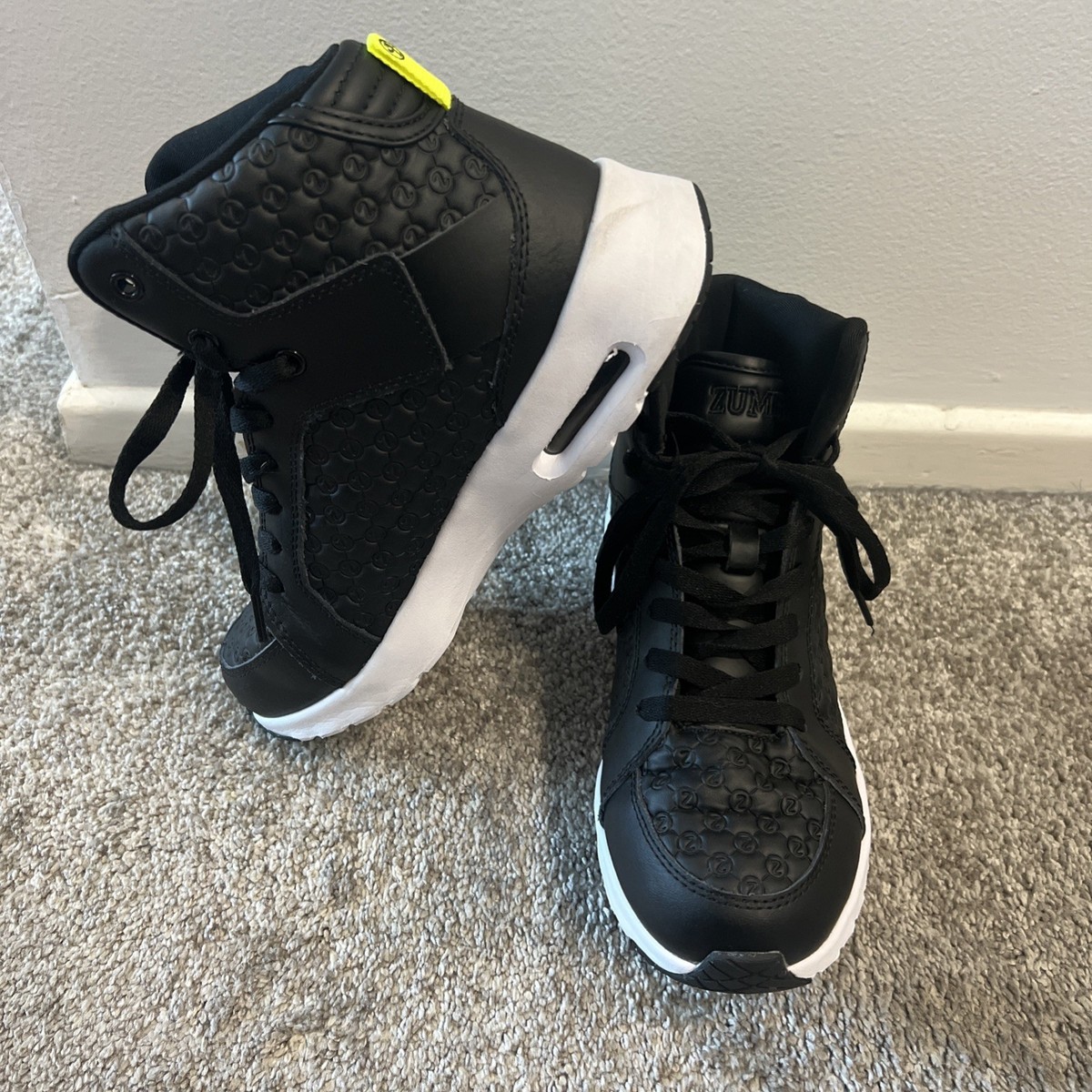
Zumba shoes are usually lightweight with flexible soles. They allow easy movement and quick direction changes. People who have foot problems or sensitive skin may find shoes especially helpful.
Credit: www.gymbird.com
Why Consider Zumba Without Shoes?
Even though shoes are the norm, some people prefer to do Zumba barefoot or in minimalist footwear. Here are common reasons:
- Better connection with the floor: Bare feet let you feel the ground, which can improve balance and control.
- Improved foot strength: Dancing barefoot works the muscles in your feet and lower legs.
- More natural movement: Some dancers say shoes change their posture or limit their range of motion.
- Comfort: In hot weather, shoes can feel tight or sweaty.
- Cultural roots: Many dance styles, especially traditional ones, are done barefoot.
For some, going barefoot feels liberating and enhances their Zumba experience. Others try it for health reasons, such as plantar fasciitis or bunions.
Risks Of Doing Zumba Without Shoes
Before deciding, it’s important to understand the risks:
Foot Injuries
Zumba involves jumping, sliding, and twisting. Bare feet are more exposed to:
- Cuts and scrapes: Sharp objects or rough floors can injure your skin.
- Bruises: Hard surfaces may hurt your feet during energetic moves.
- Toenail damage: Repeated sliding or bumping can harm nails.
Joint And Muscle Stress
Without shoes, your feet absorb all the impact. This can lead to:
- Heel pain: Especially for people with flat feet or high arches.
- Ankle sprains: Less support makes twisting injuries more likely.
- Knee strain: Lack of cushioning increases stress on joints.
Hygiene Concerns
Bare feet sweat more and touch the floor directly. This raises the risk of:
- Fungal infections: Like athlete’s foot.
- Warts: Caused by viruses in public spaces.
Slipping And Falling
Shoes are designed for grip. Bare feet may slip, especially on polished or sweaty floors.
Credit: www.ebay.com
Possible Benefits Of Barefoot Zumba
Despite the risks, many people report positive effects:
Improved Balance
Bare feet allow better sensory feedback, helping you adjust quickly and stay upright.
Stronger Foot Muscles
Shoes can weaken your feet over time. Barefoot dancing builds muscles, improves foot flexibility, and may prevent future injuries.
Natural Alignment
Without shoes, your posture may change. Some people notice less back pain or hip tightness.
Enhanced Performance
Some dancers say their spins, slides, and jumps feel smoother barefoot. They can pivot with less resistance.
Mind-body Connection
Barefoot movement makes you more aware of your body. You pay attention to how your feet land and move, which improves technique.
Who Should Avoid Barefoot Zumba?
While barefoot Zumba has benefits, it’s not for everyone. You should avoid it if you have:
- Diabetes: Foot injuries heal slowly and can lead to serious problems.
- Peripheral neuropathy: Loss of feeling increases risk of unnoticed injuries.
- Severe plantar fasciitis: Bare feet may worsen pain.
- Very weak arches: Your feet need extra support.
- Open wounds or skin issues: Barefoot dancing can make these worse.
If you’re unsure, speak with a healthcare provider or trainer before trying barefoot Zumba.
Comparing Shoes, Bare Feet, And Minimalist Footwear
To understand your options, let’s compare the three main choices for Zumba:
| Option | Pros | Cons |
|---|---|---|
| Shoes | Support, protection, grip, shock absorption | Can limit movement, may feel hot or tight, weakens foot muscles over time |
| Bare Feet | Better balance, stronger feet, natural movement | Risk of injury, less grip, hygiene concerns |
| Minimalist Footwear | Some protection, improved flexibility, allows natural movement | Less support than shoes, not as much sensory feedback as bare feet |
Minimalist shoes include options like barefoot-style sneakers, dance slippers, or thin socks. They offer a middle ground, providing some protection while allowing your feet to move naturally.
What Floor Types Are Safe For Barefoot Zumba?
Not all floors are suitable for barefoot Zumba. Here’s a look at common surfaces:
| Floor Type | Safety for Bare Feet | Notes |
|---|---|---|
| Wood | Good | Soft, flexible, less risk of injury. Check for splinters. |
| Tile | Risky | Hard and slippery, increases injury risk. |
| Carpet | Moderate | Softer but can cause friction burns. |
| Rubber | Excellent | Soft, grippy, protects feet. |
| Concrete | Poor | Very hard, high impact on joints. |
If you practice Zumba at home, choose a wood or rubber floor. Avoid concrete or tile. Studios often have suitable floors, but always check before going barefoot.
How To Safely Try Zumba Without Shoes
If you want to try Zumba barefoot, follow these steps for safety:
- Inspect the floor: Make sure it is clean, smooth, and free of sharp objects.
- Start slow: Begin with easy routines to let your feet adjust.
- Warm up: Spend extra time warming your feet and ankles.
- Listen to your body: Stop if you feel pain or discomfort.
- Check hygiene: Wash your feet before and after class. Use foot powder if needed.
- Moisturize: Prevent dry skin and cracks.
- Watch for warning signs: If you notice blisters, cuts, or redness, rest and treat your feet.
Practical Tips For Barefoot Zumba Beginners
Many beginners make mistakes when starting barefoot Zumba. Here’s how to avoid them:
- Don’t rush: Your feet need time to get stronger. Try barefoot Zumba once or twice a week at first.
- Use toe spreaders: These help stretch and relax your feet after class.
- Strengthen your feet: Do exercises like toe curls and calf raises.
- Trim nails: Short nails reduce risk of injury.
- Wear grip socks if needed: These provide some traction and protection.
Some people think going barefoot is easy, but it requires patience and attention. Don’t ignore discomfort or push through pain.
What Do Zumba Trainers Say?
Zumba instructors have different opinions about barefoot dancing. Many encourage shoes for beginners, but some allow barefoot practice in safe environments. Trainers say:
- Shoes are needed for most gyms: Due to insurance, safety, and hygiene rules.
- Barefoot is possible at home: If the floor is safe and you don’t have health issues.
- Minimalist footwear is a good compromise: It gives some protection without losing flexibility.
A few trainers report that their students improved balance and technique after trying barefoot Zumba. Others saw increased injuries in those who ignored safety. Always follow your instructor’s advice.
Barefoot Zumba For Different Age Groups
Age affects how your body reacts to barefoot movement.
Children
Kids adapt quickly to barefoot dancing. Their feet are flexible and strong. But parents should check the floor and watch for injuries.
Adults
Most adults can try barefoot Zumba if they don’t have foot problems. Older adults may need more support and should be careful.
Seniors
For seniors, barefoot Zumba may not be safe unless supervised. Falls and injuries are more likely. Shoes or minimalist footwear are better options.
Health Effects: Long-term Impact
Doing Zumba barefoot may change your feet over time. Some effects include:
- Stronger arches: Your feet learn to support themselves.
- Better flexibility: You can move toes and feet more freely.
- Improved proprioception: Your body senses the floor and adjusts balance.
- Possible calluses: Skin thickens to protect against friction.
However, long-term barefoot dancing can also cause problems:
- Overuse injuries: Stress fractures, tendonitis, or heel pain.
- Skin issues: Cracks, blisters, or infections.
Monitor your feet regularly and adjust your routine as needed.
Real-world Examples: Barefoot Zumba Experiences
Let’s look at people who tried Zumba without shoes:
Case 1: Home Practice
Maria, a Zumba fan, started barefoot at home. She found her balance improved and her feet got stronger. She had to stop twice for blisters but recovered quickly.
Case 2: Studio Class
John tried barefoot Zumba in a studio with a wood floor. He noticed more freedom in his spins but slipped once during a fast move. He switched to minimalist shoes for safety.
Case 3: Group Class
A group in a community center tested barefoot Zumba. Some felt more connected to the music. Others complained of sore feet and changed back to shoes.
These stories show that barefoot Zumba is personal. What works for one person may not work for another.
Common Myths About Barefoot Zumba
Several myths surround barefoot Zumba:
- Myth 1: Barefoot is always better for your feet. Truth: It depends on your foot shape and health.
- Myth 2: Shoes are required for every class. Truth: Some classes allow barefoot dancing if it’s safe.
- Myth 3: Barefoot Zumba causes injuries quickly. Truth: Proper technique and gradual adjustment reduce risks.
Don’t believe everything you hear. Research and try things safely.
What Science Says About Barefoot Exercise
Studies show mixed results. Some research suggests barefoot exercise improves foot strength and balance. Other studies warn about increased risk of injuries and skin problems.
A study found that barefoot runners had stronger arches but more stress fractures. For dancers, barefoot movement improved flexibility but required careful adaptation.
If you want to learn more, check this article from the Harvard Health site.
How To Choose The Right Option For You
Choosing between shoes, barefoot, or minimalist footwear depends on:
- Your health: Foot shape, injuries, medical conditions.
- The floor: Safe, clean, and soft surfaces are best for bare feet.
- Class rules: Studios may require shoes.
- Personal preference: Comfort and performance matter.
Try each option and see how your body responds. Don’t ignore warning signs.
Expert Advice For Safe Barefoot Zumba
Here are tips from podiatrists and trainers:
- Check your feet often: Look for cuts, swelling, or pain.
- Use a yoga mat: If your floor is hard, add a mat for protection.
- Alternate footwear: Mix barefoot and shoe sessions to prevent overuse.
- Stay hydrated: Sweaty feet slip more easily.
- Rest if needed: Don’t force your feet to work through pain.
Experts say barefoot Zumba is safe for healthy people on proper floors. If you feel discomfort, stop and reconsider your routine.
Comparison: Zumba Vs. Other Dance Fitness Programs
How Does Barefoot Zumba Compare To Other Programs?
| Program | Footwear Norm | Barefoot Friendly? |
|---|---|---|
| Zumba | Shoes | Sometimes |
| Yoga | Bare feet | Always |
| Pilates | Bare feet or socks | Usually |
| Jazzercise | Shoes | Rarely |
| Ballet | Slippers | Sometimes |
Zumba is unique because it can be done with shoes or barefoot, depending on your situation. Other programs, like yoga, require bare feet.
Preparing For Your First Barefoot Zumba Session
If you’re ready to try, follow these steps:
- Clean your space: Remove dirt and objects from the floor.
- Stretch your feet: Warm up with toe curls and ankle rotations.
- Wear comfortable clothes: Shorts or leggings work best.
- Have water nearby: Stay hydrated.
- Start with simple routines: Avoid high-impact moves at first.
- Stay aware: Listen to your body and check your feet during breaks.
Preparation helps reduce risks and improves your experience.

Credit: www.walmart.com
How To Build Foot Strength For Barefoot Zumba
Stronger feet make barefoot Zumba safer and more enjoyable. Try these exercises:
- Toe curls: Pick up objects with your toes.
- Heel raises: Stand on your toes, then lower your heels.
- Arch lifts: Sit and lift your arch, keeping your heel and toes on the ground.
- Balance drills: Stand on one foot for 30 seconds.
Do these daily for best results.
Signs That Barefoot Zumba Is Not Right For You
Some warning signs mean you should stop barefoot Zumba:
- Persistent pain: Lasts more than a day.
- Redness or swelling: May signal injury.
- Difficulty moving: Trouble walking after class.
- Skin problems: Blisters, cracks, or infections.
If you notice these, switch back to shoes and see a doctor if needed.
Final Thoughts: Should You Try Zumba Without Shoes?
Zumba without shoes is possible for many people, but it’s not for everyone. The main benefits are stronger feet, better balance, and a natural feel. The main risks are injuries, hygiene, and discomfort. Your choice depends on your health, floor, and preferences.
Start slowly, pay attention to your body, and don’t ignore warning signs. Minimalist footwear can be a good compromise. Always follow safety guidelines and trainer advice. If you enjoy barefoot Zumba, it can add a new dimension to your fitness routine.
Frequently Asked Questions
Is It Safe To Do Zumba Barefoot?
It can be safe for healthy people on soft, clean floors. Avoid barefoot Zumba if you have foot problems or practice on rough, hard surfaces.
Can I Get Injuries From Zumba Without Shoes?
Yes, barefoot Zumba increases risk of cuts, bruises, and joint stress. Proper technique and gradual adaptation reduce these risks.
What Type Of Floor Is Best For Barefoot Zumba?
Wood or rubber floors are safest. Avoid concrete, tile, or dirty surfaces.
Is Barefoot Zumba Allowed In Gyms And Studios?
Most gyms require shoes for safety and hygiene. Some studios may allow barefoot practice in certain classes.
How Can I Prepare My Feet For Barefoot Zumba?
Build strength with toe curls, heel raises, and balance drills. Warm up your feet before class and check for injuries afterward.
