

Can You Wear Rash Guard for Running: Ultimate Comfort & Protection Guide
Have you ever wondered if a rash guard could be the perfect gear for your running sessions? You might think rash guards are only for water sports, but what if they could actually boost your comfort and performance on the track or trail?
Imagine running without feeling weighed down or overheated, while also protecting your skin from the sun and chafing. If you want to discover whether a rash guard could be your new favorite running companion, keep reading—this article will clear up the mystery and help you decide if it’s the right fit for your workout.

Credit: rashuelite.com
Benefits Of Rash Guards For Running
Rash guards offer many benefits for runners. They improve comfort and performance during your runs. These specially designed shirts help your body stay dry and protected. Wearing a rash guard can make running easier and more enjoyable.
Moisture Wicking And Breathability
Rash guards pull sweat away from your skin. This keeps you dry and stops your shirt from sticking. The fabric allows air to flow, helping your body cool down. Breathable material reduces overheating and makes running more comfortable.
Uv Protection Advantages
Many rash guards block harmful UV rays from the sun. This protects your skin from sunburn and damage. It is important for outdoor runners who spend long hours outside. Rash guards reduce the risk of skin problems caused by sun exposure.
Chafe Prevention And Skin Comfort
Rash guards have smooth, soft fabric that stops skin rubbing. This prevents painful chafing during long runs. The snug fit keeps the shirt in place without tight spots. Comfortable skin means you can run longer without irritation.
Material Features To Look For
Choosing the right rash guard for running depends on its material features. The fabric needs to support your movement and keep you comfortable. Some materials suit running better than others. Focus on key traits that improve your running experience.
Lightweight And Stretchable Fabrics
Rash guards made from lightweight fabrics reduce extra weight. They help you move freely and easily. Stretchable materials fit close to your body but do not restrict movement. This flexibility prevents chafing and discomfort during long runs. Look for fabrics with a good balance of stretch and support.
Quick-drying Properties
Running causes sweat, so quick-drying materials are essential. These fabrics pull moisture away from your skin fast. They keep you dry and cool during your run. Quick-drying rash guards also prevent overheating and skin irritation. Choose fabrics that dry quickly to maintain comfort.
Seam Construction And Durability
Strong seams make rash guards last longer. Flatlock seams reduce rubbing and skin irritation. Durable stitching withstands constant movement and washing. Well-made seams keep the rash guard in good shape over time. Check the seam quality before buying for better durability.
Comparing Rash Guards With Traditional Running Gear
Rash guards and traditional running gear serve different purposes but overlap in many ways. Comparing them helps runners choose the right clothing. Each type offers unique features that affect running performance and comfort. Understanding these differences can improve your running experience.
Performance Differences
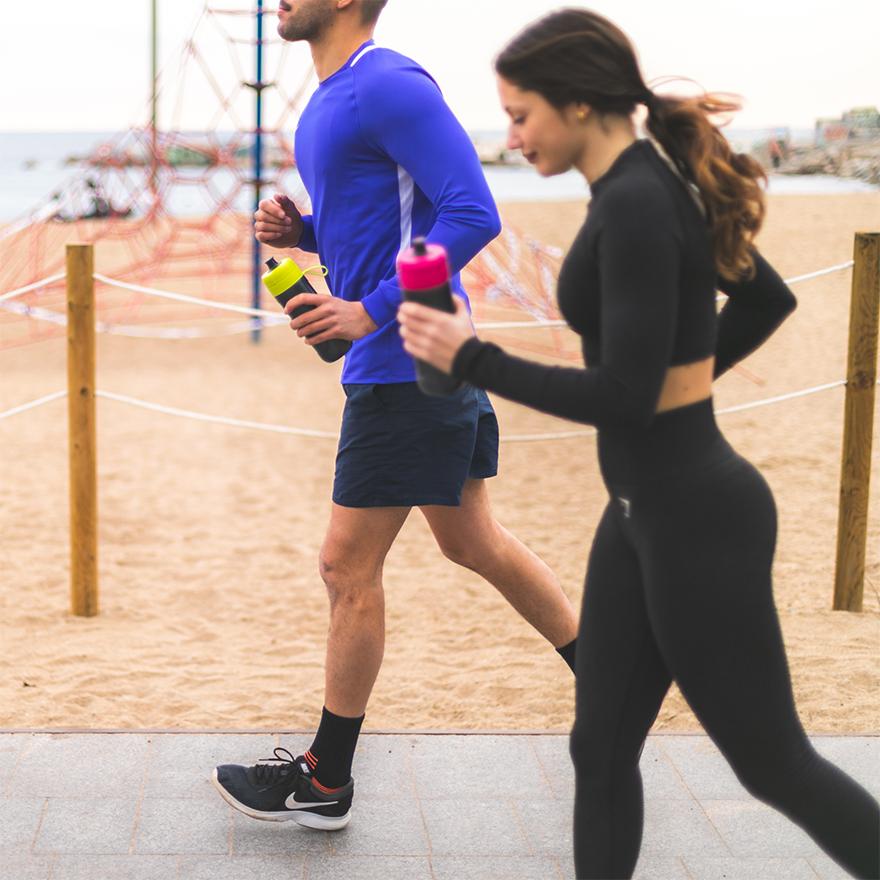
Rash guards fit tightly and reduce air resistance. They wick sweat quickly to keep the skin dry. Traditional running shirts often have looser fits. They allow more air to flow but may trap moisture. Rash guards also prevent chafing with smooth seams. Running gear varies in breathability and flexibility. Choose what suits your running style best.
Comfort Levels
Rash guards feel like a second skin, offering support and snugness. They reduce friction on sensitive areas. Some runners find them too tight for long distances. Traditional gear feels looser and more relaxed. It may be better for those who prefer less pressure. Comfort depends on fabric and fit. Testing different options helps find your best fit.
Weather Adaptability
Rash guards protect from sun exposure and wind. They keep muscles warm in cooler weather. Some have UV protection built in. Traditional running clothes vary from lightweight to insulated. Layering is easier with looser gear. Rash guards work well as a base layer in cold weather. Both types have options for hot or cold climates.
Credit: www.brita.co.uk
When To Choose Rash Guards For Running
Choosing the right gear for running helps improve comfort and performance. Rash guards offer unique benefits that fit specific running conditions. Knowing when to wear them can make your run safer and more enjoyable.
Hot And Sunny Conditions
Rash guards protect skin from harmful UV rays. They are lightweight and breathable. This helps keep the body cool while running under the sun. The fabric often has moisture-wicking properties. It draws sweat away from the skin. This reduces chafing and irritation during long runs.
Trail And Off-road Running
Running on trails means facing rough terrain and plants. Rash guards provide a barrier against scratches and insect bites. Their snug fit stops debris from sticking to the skin. The durable material can handle more wear and tear. This keeps runners comfortable and protected on uneven paths.
Cold Weather Layering
Rash guards work well as a base layer in cold weather. They trap body heat and keep muscles warm. The tight fit prevents cold air from entering. Wearing a rash guard under a jacket adds extra insulation. This helps maintain body temperature during chilly runs.
Tips For Wearing Rash Guards During Runs
Wearing a rash guard during your run can offer comfort and protection. It helps reduce chafing and keeps sweat away from your skin. To get the best experience, follow some simple tips. These tips will help you choose the right rash guard and care for it properly.
Proper fit, pairing with other clothes, and good care make a big difference. Let’s explore how to wear rash guards for running with ease and comfort.
Sizing And Fit Recommendations
Choose a rash guard that fits snugly but not too tight. It should stretch with your movements. Avoid loose rash guards that can cause friction. Check the size chart before buying. Look for materials with good stretch and breathability. A well-fitted rash guard prevents chafing and keeps you cool.
Pairing With Other Running Apparel
Wear your rash guard with lightweight shorts or leggings. Pick fabrics that wick moisture away from your body. Avoid heavy or thick clothing that traps heat. Choose breathable socks and running shoes for comfort. Layering with a rash guard helps regulate body temperature during runs.
Care And Maintenance
Wash your rash guard after each run to remove sweat and dirt. Use cold water and mild detergent. Avoid bleach or fabric softeners as they damage the fabric. Air dry your rash guard away from direct sunlight. Proper care keeps the material stretchy and lasts longer.
Popular Brands And Styles
Rash guards are not just for water sports anymore. Many runners choose rash guards for their comfort and protection. These shirts fit tight and help reduce chafing during long runs. They also protect the skin from sun and wind. Different brands offer various styles to meet runner needs.
Top Rash Guard Options For Runners
Nike offers lightweight rash guards with great breathability. Under Armour has options with moisture-wicking fabric to keep you dry. Adidas provides rash guards with UV protection and stretchy material for ease of movement. Other brands like ASICS and 2XU make rash guards designed for athletes. These choices focus on comfort, fit, and durability for running.
Price Range And Quality Considerations
Rash guards for running usually cost between $30 and $80. Cheaper options may lack durability and breathability. Mid-range brands often balance price and quality well. Higher-end rash guards use better fabric and last longer. Choosing the right price depends on your budget and how often you run. Good quality rash guards improve your running experience.
Credit: lekiusa.com
Frequently Asked Questions
Can You Wear A Rash Guard For Running?
Yes, rash guards are suitable for running. They offer moisture-wicking and breathability, keeping you dry and comfortable. Their snug fit reduces chafing, enhancing your running experience.
Are Rash Guards Better Than Regular Running Shirts?
Rash guards provide superior moisture management and UV protection. Their compression fit supports muscles and reduces fatigue. Unlike regular shirts, they prevent skin irritation during long runs.
Will Rash Guards Keep Me Cool While Running?
Rash guards use breathable, quick-dry fabrics that help regulate body temperature. They wick sweat away, allowing faster evaporation. This keeps you cooler and more comfortable on hot runs.
Can Rash Guards Protect Against Sunburn While Running?
Yes, many rash guards offer UPF 50+ sun protection. This shields your skin from harmful UV rays during outdoor runs. It reduces the risk of sunburn and long-term skin damage.
Conclusion
Wearing a rash guard for running offers many benefits. It helps keep your skin dry and comfortable. The fabric protects you from sun and wind. Rash guards fit snugly, reducing chafing during long runs. They also help regulate body temperature in different weather.
Choosing the right rash guard can improve your running experience. Give it a try on your next run and feel the difference. Comfort and protection matter, and rash guards provide both.
