

Can You Wash Gym Clothes at 60 Degrees for Best Results?
Can You Wash Gym Clothes At 60 Degrees
Keeping gym clothes clean is a challenge for anyone who works out regularly. Sweat, bacteria, and tough stains can build up fast. Many people wonder if washing these clothes at 60 degrees is the best way to get them truly clean. But is it safe for all types of workout gear? Will your clothes last longer, or will they get damaged? This article will help you make the right choice for your gym clothes, your washing machine, and your health.
We will break down what happens to your sportswear at different temperatures, look at the science behind killing bacteria, and discuss the effects on fabrics. You will also learn about 60 different types of gym clothing and accessories, and if they can handle a 60-degree wash.
This guide will answer all your questions, with practical examples and tips that even experienced athletes often miss.
The Science Of Washing Gym Clothes
Sweat, body oils, and bacteria easily collect in gym clothes. Many washing machines let you pick different temperatures. A 60-degree wash is often seen as a deep-clean setting. But what actually happens at this temperature?
Washing at 60 degrees can:
- Kill bacteria and germs more effectively than lower temperatures.
- Help remove stubborn stains and odors.
- Potentially damage certain fabrics and colors.
However, some gym clothes are made from synthetic materials like polyester and elastane, which can be sensitive to heat. Washing at high temperatures might cause shrinking, fading, or loss of stretch.
How Temperature Affects Cleaning Power
Most modern detergents work well at 30 or 40 degrees, but bacteria and fungi may survive at these lower temperatures. A 60-degree wash can destroy up to 99% of common bacteria and viruses, which is important if you sweat a lot or share equipment.
But, if you wash at 60 degrees too often, you might wear out your gym clothes faster, especially if they have special finishes for sweat-wicking or odor-resistance.
Credit: www.reddit.com
60 Types Of Gym Clothes And Accessories: Can You Wash Them At 60 Degrees?
Every gym item is different. Below are 60 common gym clothing types and accessories. For each, you’ll find out if a 60-degree wash is safe, and any special tips you need to know.
1. Polyester T-shirts
Most polyester gym shirts can be washed at 60 degrees, but it’s safer to use 40 degrees. High heat may damage the fibers and reduce their moisture-wicking abilities.
2. Cotton T-shirts
Cotton shirts handle 60 degrees well. This temperature can help remove odors and stains. However, repeated hot washes may cause shrinking.
3. Nylon Shorts
Nylon shorts are sensitive to high heat. Stick to 30-40 degrees to keep their shape and color.
4. Spandex/elastane Leggings
Elastane-rich leggings can lose stretch at 60 degrees. Wash at 30 or 40 degrees for best results.
5. Sports Bras
Most sports bras have elastic bands that weaken at 60 degrees. Use 30-40 degrees, or check the label for high-heat options.
6. Compression Tights
High heat can damage the compression fibers. Wash at 30-40 degrees, unless the care label says otherwise.
7. Microfiber Towels
Microfiber towels are designed for lower temperatures. Washing at 60 degrees can reduce their absorbency.
8. Cotton Socks
Cotton gym socks can handle 60 degrees well. This helps kill bacteria and remove odor.
9. Synthetic Socks
Synthetic socks may lose elasticity if washed hot. Keep to 40 degrees unless very dirty.
10. Headbands
Most headbands are made from blends of cotton and elastic. Wash at lower temperatures to maintain shape.
11. Sweatbands
High heat can break down sweatbands. Use 30-40 degrees.
12. Gym Gloves
Most gym gloves are not made for hot washes. Hand wash or use a gentle cycle at 30 degrees.
13. Tank Tops
Polyester or cotton tank tops can often handle 60 degrees, but check for elastic trims.
14. Running Shorts
Running shorts are usually synthetic. Wash at 30-40 degrees to keep them in good condition.
15. Sports Caps
Caps with synthetic parts or visors can warp at high heat. Wash at 30 degrees.
16. Tracksuits
A polyester tracksuit may lose shape at 60 degrees. Stick to 40 degrees.
17. Joggers
Cotton joggers can handle 60 degrees, but synthetic blends should be washed cooler.
18. Sweatpants
Sweatpants made from thick cotton can survive a 60-degree wash, but shrinkage is possible.
19. Fleece Hoodies
Fleece may pill and lose softness at 60 degrees. Wash at 30-40 degrees.
20. Lightweight Windbreakers
Windbreakers often have special coatings. High heat can ruin these. Cold wash is better.
21. Waterproof Jackets
Never wash waterproof jackets at 60 degrees. Use a gentle, cool cycle to protect waterproofing.
22. Base Layers
Most base layers are thin and synthetic. Wash at 30-40 degrees.
23. Thermal Tops
Thermal tops can shrink at high temperatures. Use 30 degrees.
24. Cycling Jerseys
Cycling jerseys often have zippers and prints. Wash at 30 degrees to preserve them.
25. Padded Cycling Shorts
Padded shorts contain foam or gel. Hot water can ruin the padding. Use 30 degrees.
26. Yoga Pants
Yoga pants with a lot of stretch do best at 30-40 degrees.
27. Pilates Socks
Pilates socks often have grip dots that may come off in hot washes. Use 30 degrees.
28. Gym Bags (fabric)
Some fabric gym bags can handle a 60-degree wash, but many will shrink or fade. Check the label.
29. Gym Bags (synthetic)
Synthetic gym bags should be wiped clean or washed cool.
30. Weightlifting Belts
Never machine wash weightlifting belts. Wipe clean only.
31. Arm Sleeves
Arm sleeves are usually elastic and synthetic. Wash cold to maintain stretch.
32. Calf Sleeves
Same as arm sleeves—use 30 degrees.
33. Sweat Shorts
Cotton sweat shorts can handle 60 degrees; synthetics are safer at 40.
34. Compression Socks
Compression socks lose elasticity at 60 degrees. Wash at 30-40 degrees.
35. Swimwear
Swimsuits degrade quickly in hot water. Always wash cold.
36. Swim Caps
Rinse swim caps with cool water only.
37. Rash Guards
Rash guards are sensitive to heat. Wash at 30 degrees.
38. Sports Hijabs
Most sports hijabs are synthetic. Wash at 30-40 degrees.
39. Visors
Plastic parts in visors can warp at high temperatures. Use a cold wash.
40. Ankle Braces
Check the label, but most ankle braces prefer a cold wash.
41. Knee Braces
Same as ankle braces—use cool water.
42. Shin Guards (fabric)
If machine washable, use 30-40 degrees. Remove inserts first.
43. Shin Guards (plastic)
Wipe clean only.
44. Mouth Guards
Never wash in a machine. Use warm, soapy water and rinse well.
45. Wrist Wraps
Wrist wraps can lose elasticity in hot water. Wash at 30 degrees.
46. Crossfit Grips
Hand wash or use a gentle, cool cycle.
47. Weightlifting Straps
Cotton straps can handle 60 degrees, but synthetics should be washed cooler.
48. Lifting Chalk Bags
Empty, then wash at 30 degrees.
49. Jump Ropes (fabric Handles)
Spot clean only; avoid machine washing.
50. Jump Ropes (plastic Handles)
Wipe with a damp cloth.
51. Resistance Bands
Never machine wash. Wipe with a damp, soapy cloth.
52. Fitness Trackers (bands)
Remove electronics. Wash bands at 30-40 degrees.
53. Smartwatch Bands
Same as fitness trackers.
54. Shoe Insoles
Most shoe insoles will lose shape at 60 degrees. Wash at 30 degrees.
55. Running Shoes
Never wash at 60 degrees—glue and foam will break down. Use cold water.
56. Training Shoes
Same as running shoes.
57. Weightlifting Shoes
Spot clean only.
58. Flip-flops (shower Shoes)
Some plastic flip-flops can go in the washer, but use a cold setting.
59. Sports Towels (cotton)
Cotton sports towels can handle 60 degrees for deep cleaning.
60. Sports Underwear
Synthetic underwear should be washed at 30-40 degrees. Cotton can take 60 degrees, but repeated hot washes may cause wear.
What Fabrics Need Special Care?
Gym clothes are often made from blends of polyester, nylon, elastane, and cotton. Each fabric reacts differently to heat:
- Polyester: Can melt or lose shape at high temperatures. Best at 30-40 degrees.
- Nylon: Loses stretch and can yellow at 60 degrees.
- Elastane/Spandex/Lycra: High heat breaks down elasticity.
- Cotton: Can handle 60 degrees but may shrink.
- Wool: Rare in gym wear but will shrink at 60 degrees.
If your gym gear mixes fabrics, always follow the most delicate care instructions.
When Should You Use A 60-degree Wash?
There are times when a 60-degree wash makes sense:
- After illness (to kill germs).
- When clothes are heavily soiled with mud or sweat.
- When removing strong odors (bacteria-related).
- Washing cotton towels and socks.
If you need to deep clean, use a short 60-degree wash, and let your clothes air dry. For regular cleaning, lower temperatures will keep your clothes lasting longer.
Risks Of Washing Gym Clothes At 60 Degrees
While a hot wash cleans well, it isn’t always the best for your gear. Here are some risks:
- Shrinkage: Especially for cotton and blended fabrics.
- Color fading: Bright colors may lose vibrancy.
- Loss of stretch: Elastane and spandex break down.
- Damage to technology: Coatings for water resistance or anti-odor can be ruined.
- Shorter lifespan: Clothes wear out faster.
One non-obvious tip: Even if a garment survives a 60-degree wash once, repeated washing at this temperature will cause damage over time.
Tips For Washing Gym Clothes Effectively
You can keep your workout gear clean and fresh without always using hot water.
- Turn clothes inside out: This exposes sweat and bacteria to detergent.
- Use sports detergents: These are made for synthetic fabrics.
- Wash soon after use: Don’t let sweat dry in the fabric.
- Skip fabric softener: It can block sweat-wicking properties.
- Air dry: Heat from dryers can also damage elastic fibers.
- Use a mesh bag: This protects delicate items in the washer.
- Pre-treat stains: Use a bit of detergent directly on stains before washing.
A mistake beginners often make is soaking gym clothes for long periods. This can lead to mildew and stubborn odors.
Comparing Washing Temperatures
To help you decide, here’s a comparison of typical washing temperatures for gym clothes:
| Temperature | Best For | Risks | Recommended Items |
|---|---|---|---|
| 30°C | Delicate/synthetics | Less bacteria killed | Leggings, base layers, sports bras |
| 40°C | General gym wear | Some shrinkage for cotton | T-shirts, shorts, socks |
| 60°C | Deep cleaning, towels | Shrinkage, fading, elasticity loss | Cotton towels, socks (not synthetics) |
How Often Should You Wash At 60 Degrees?
You should not make a 60-degree wash your regular choice for gym clothes. Instead, use it only when:
- You need to disinfect after illness.
- Items are visibly dirty or smelly.
- Washing cotton towels or socks.
Most other times, 30-40 degrees is enough for cleaning and fabric care.
Can You Mix Gym Clothes In A 60-degree Wash?
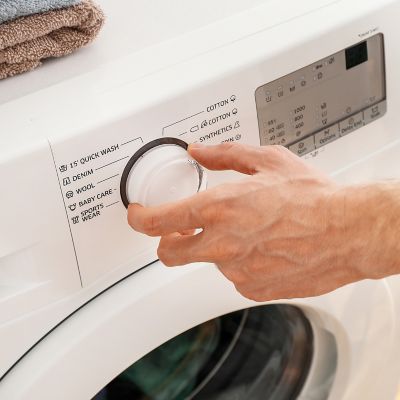
Mixing different gym clothes in one hot wash can be risky. Some items will survive, but others may shrink or lose elasticity. Always separate:
- Cotton from synthetics
- Bright colors from whites
- Delicate from heavy items
If you must mix, use a lower temperature, or put delicate items in a mesh bag.
Credit: www.askteamclean.com
Laundry Detergent And Additives
Choosing the right detergent is important. Sports detergents are made to fight sweat and odor without damaging stretch fabrics. Regular powders can be too harsh for synthetic gym clothes.
Some people add white vinegar to the rinse cycle to help remove odors and bacteria. This is safe at any temperature, but don’t use too much—half a cup is enough.
Avoid bleach unless you’re washing white cotton towels or socks. Bleach will break down stretch fabrics and ruin colors.
Drying Your Gym Clothes
Even if you wash at the right temperature, drying matters. Tumble dryers use heat that can damage elastic fibers and shrink cotton. Air drying is best:
- Hang clothes in a well-ventilated area.
- Lay flat delicate items like sports bras and compression wear.
- Avoid direct sunlight for bright colors (they may fade).
If you must use a dryer, pick a low-heat setting and remove clothes while slightly damp to finish drying in the air.
Credit: steamery.us
Common Mistakes With Washing Gym Clothes
- Washing everything at 60 degrees: Not all items can handle it.
- Using fabric softener: Blocks sweat-wicking and can cause odors.
- Leaving clothes in the washer: Causes mildew and smells.
- Overloading the machine: Clothes don’t get clean.
- Skipping pre-treatment: Stains and odors set in.
- Not checking care labels: Every item is different.
A useful habit: Check care labels before every wash, especially for new gear.
Real-world Examples
- Team sports: After a muddy football or rugby session, a 60-degree wash for cotton socks and towels is fine. Wash synthetic jerseys at 30-40 degrees.
- Yoga class: Leggings and bras with high elastane content should be washed cool, even if they smell. Pre-treat, don’t use high heat.
- Marathon training: Daily washing wears clothes out. Use 30-40 degrees for routine washes, and 60 degrees only for socks and towels once a week.
Environmental Impact Of Washing At 60 Degrees
Higher temperatures use more energy, increasing your carbon footprint. Most bacteria are removed at 30-40 degrees with modern detergents. Save hot washes for when you really need them.
According to Which?, washing at lower temperatures is usually enough for lightly soiled gym clothes, saving energy and protecting fabrics.
When To Replace Gym Clothes
Even with perfect care, gym clothes wear out over time. Signs you need to replace them:
- Loss of stretch or shape
- Odors that don’t wash out
- Thinning fabric or holes
- Faded colors
If you wash at 60 degrees often, expect to replace your gear sooner.
Sample Gym Wash Routine
Here’s how to get the best results:
- Sort clothes by fabric and color.
- Pre-treat stains and extra-sweaty areas.
- Use a sports detergent.
- Choose 30-40 degrees for most items.
- Use 60 degrees only for cotton socks and towels, when needed.
- Air dry everything.
This routine keeps your clothes clean, fresh, and long-lasting.
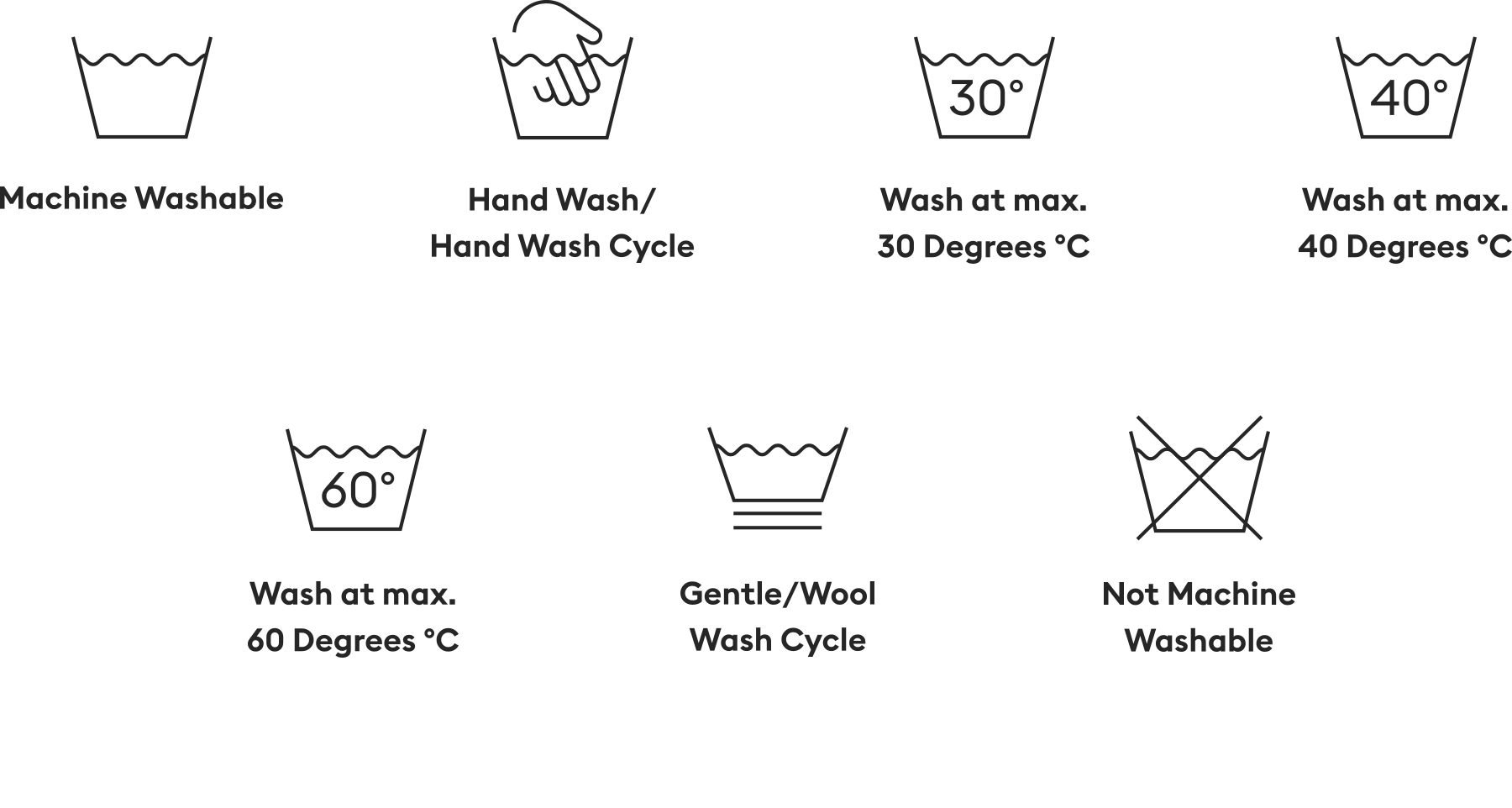
Fabric Care Labels: What Do They Mean?
Understanding care symbols prevents damage:
- Tub with 30/40/60: Maximum wash temperature.
- Triangle: Bleach allowed.
- Square with circle: Tumble dry.
- Iron: Safe to iron (rare for gym wear).
- Circle: Dry clean only.
Always trust the label over general advice.
How To Remove Tough Odors From Gym Clothes
Sometimes, even a 60-degree wash doesn’t remove smells. Try these steps:
- Soak in a mix of water and white vinegar for 30 minutes before washing.
- Use an enzyme-based sports detergent.
- Wash inside out.
- Air dry in sunlight if possible.
If the odor stays, it may be time for new clothes.
What To Do If You Accidentally Washed Gym Clothes At 60 Degrees
If you notice damage, here’s what you can do:
- For shrunken cotton: Gently stretch the item while damp.
- For lost elasticity: Unfortunately, this can’t be fixed.
- For faded colors: Wash with similar colors only, and avoid hot washes next time.
Prevention is better than cure—always check labels and sort clothes properly.
Gym Clothes Storage Tips
Store clean, dry gym clothes:
- In a cool, dry place.
- Folded neatly to avoid stretching.
- Away from sunlight to prevent fading.
- Don’t store damp clothes in a bag; bacteria will grow.
Table: Quick Reference – Can You Wash At 60 Degrees?
Here’s a summary for common items:
| Item | 60-Degree Wash? | Best Practice |
|---|---|---|
| Cotton T-Shirts | Yes | Occasionally, to deep clean |
| Polyester Leggings | No | Wash at 30-40 degrees |
| Socks (Cotton) | Yes | Good for killing bacteria |
| Socks (Synthetic) | No | Wash cool to protect fibers |
| Sports Bras | No | Cool wash, air dry |
| Towels | Yes | Regular hot washes ok |
Frequently Asked Questions
Is It Safe To Wash All Gym Clothes At 60 Degrees?
No, it is not safe for all gym clothes. While cotton socks and towels can handle 60 degrees, most synthetic items like leggings, bras, and jerseys should be washed at lower temperatures to avoid damage.
Does Washing At 60 Degrees Kill All Bacteria And Viruses?
A 60-degree wash is very effective for killing most bacteria and viruses. It is recommended after illness or when deep cleaning is necessary. However, regular use is not needed for most gym clothes.
What Happens If I Wash My Synthetic Gym Clothes At 60 Degrees?
Synthetic fabrics like polyester, nylon, and spandex can shrink, fade, or lose their stretch when washed at 60 degrees. Stick to 30-40 degrees for these items.
How Can I Remove Bad Smells From Gym Clothes Without Using Hot Water?
Use a sports detergent, wash clothes inside out, and add a half cup of white vinegar to the rinse cycle. Pre-soak extra smelly items in vinegar and water before washing.
Should I Use Fabric Softener With Gym Clothes?
No. Fabric softener can block sweat-wicking fabrics and make odors worse. Skip it for all workout gear, especially synthetics.
Washing your gym clothes at the right temperature keeps them clean, fresh, and long-lasting. Use 60 degrees only when you need deep cleaning, and follow care labels for every item. With these tips, your workout gear will always be ready for your next session.
