

Can You Flare Pants? Easy Ways to Update Your Wardrobe
Can You Flare Pants
Flared pants have a special place in the world of fashion. They have traveled through history, changing shapes and styles, always coming back with a fresh twist. Maybe you have a pair of straight or skinny pants in your closet, and you’re wondering, can you flare pants yourself? Is it possible to turn an ordinary pair of trousers into a stylish, flared statement piece? The answer is yes, and doing so can be easier than many people think.
This article explores everything you need to know about flaring pants. Whether you want to do it as a DIY project, get it done by a tailor, or understand the different styles and methods, you’ll find all the answers here.
We’ll also cover what makes flared pants unique, who can wear them, what fabrics work best, and practical tips that go beyond the basics. By the end, you’ll be ready to decide if flaring your own pants is right for you, and you’ll know exactly how to get started.
What Are Flared Pants?
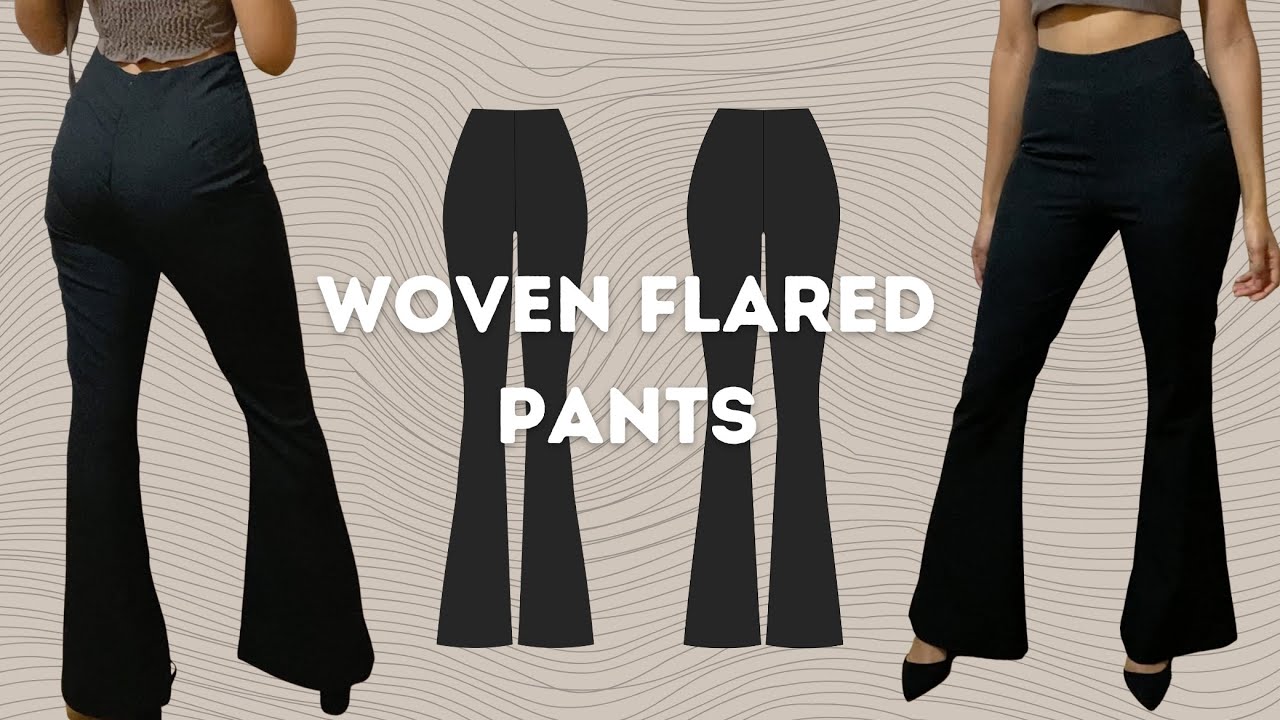
Flared pants are trousers that widen out from the knee or lower leg, creating a bell-like shape. They are also called bell-bottoms when the flare is dramatic. The key feature is the extra width at the hem, which makes the pants swing or move more as you walk.
Key Features Of Flared Pants
- Fitted at the waist and hips: Most flared pants hug the top part of your legs.
- Gradual widening: The pants start to get wider at the knee or calf.
- Wide hem: The bottom of each leg is much wider than the knee area.
How They Differ From Other Styles
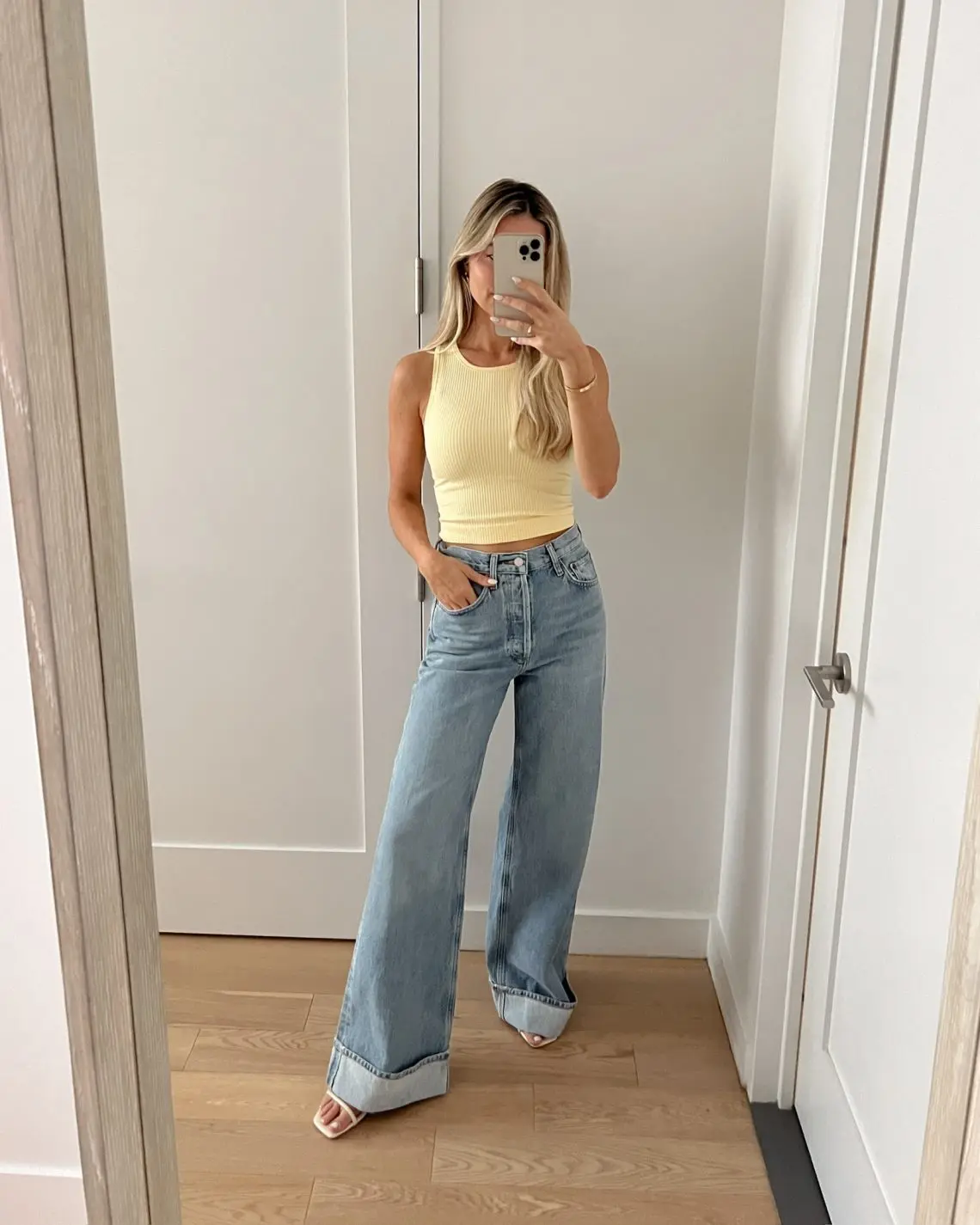
Flared pants are not the same as bootcut or wide-leg pants. Bootcut pants have a small flare, mainly to fit over boots. Wide-leg pants are loose from the hip down, with no clear flare point.
| Pants Style | Where It Widens | Hem Width | Fit at Thighs |
|---|---|---|---|
| Flared | Knee or calf | Very wide | Fitted |
| Bootcut | From ankle | Slightly wide | Fitted |
| Wide-leg | From hip | Wide | Loose |
Understanding these differences helps you decide what kind of look you want before you start flaring your pants.
Reasons People Flare Pants
People choose to flare their pants for many reasons. Some do it to update their style. Others want to recycle old clothes, save money, or stand out with a unique look. Here are the most common motivations:
- Personal style: Flared pants can show off your creativity and fashion sense.
- Comfort: The wider leg gives more room for movement and can be cooler in warm weather.
- Trend following: Flared pants often come back in style, especially with retro or vintage looks.
- Sustainability: Modifying old pants instead of buying new ones reduces waste.
- Body shape balance: Flared pants can balance wider hips or create the look of longer legs.
A non-obvious benefit is that flared pants can help with shoe choices. The extra width at the bottom hides chunky shoes or platforms, letting you pick comfort over style in footwear.
Credit: www.whatwonderwomenwear.com
Can You Flare Any Type Of Pants?
Not all pants are equally good for flaring. Some fabrics, cuts, and designs work better than others.
Best Types Of Pants To Flare
- Straight-leg jeans or trousers: These are easiest to modify, as they provide enough material for a natural-looking flare.
- High-waisted styles: The flare works well with a higher waist, as it elongates the legs.
- Sturdy fabrics: Denim, cotton blends, or twill hold their shape after flaring.
Types To Avoid
- Stretchy leggings: These rarely hold the new shape and may look baggy.
- Very tight skinny jeans: There may not be enough fabric to flare unless you add extra panels.
- Pants with heavy decorations: Zippers, embroidery, or patches can make the process difficult.
Important Fabric Considerations
Fabrics with a bit of weight, like denim or corduroy, create a dramatic flare. Lightweight materials, such as linen or jersey, give a softer look but may not hold the shape as well. If you want a crisp, structured flare, avoid thin or super-stretchy fabrics.
Methods To Flare Pants
You can flare pants in different ways. Each method gives a slightly different look and has its own advantages.
1. Sewing In A Flare
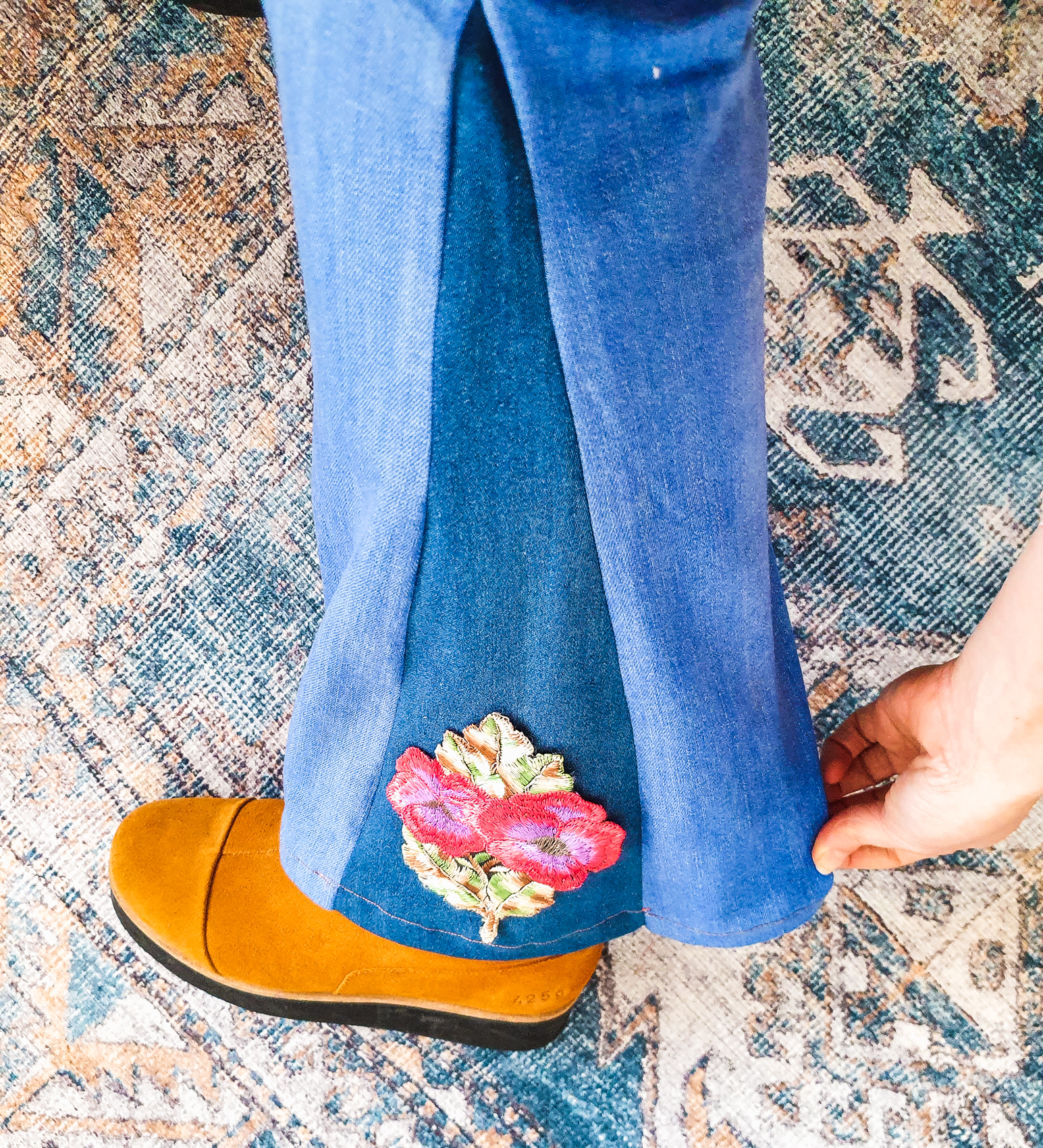
This is the most common and long-lasting way. It involves opening the side seam of the pants, adding a triangle-shaped fabric panel (called a gusset), and sewing it in place.
Steps:
- Open the outer seams from the knee down.
- Cut matching fabric in a triangle shape for each leg.
- Pin and sew the fabric into the opening.
- Finish the edges for a clean look.
Why choose this method: It creates a dramatic, customized flare and works for both jeans and trousers.
2. Cutting And Re-sewing
Some people prefer to cut along the inside or outside seam, add fabric, and sew everything back together. This is similar to the first method but can be more complex if the pants have double seams or topstitching.
3. Using Inserts Without Cutting
You can add flare by opening only a small part of the seam and inserting a godet (another word for a triangle fabric piece). This is less invasive and can sometimes be removed later.
4. Creating A Faux Flare
If you don’t want to cut or sew, you can add the look of a flare by sewing buttons, snaps, or zippers along the seam. When opened, the pants flare out, but you can close them again for a straight-leg look.
Hidden insight: Some people add a flare with iron-on fabric. This is quicker, but less durable. It’s good for costumes or one-time events.
Diy Guide: How To Flare Your Own Pants
If you want to try flaring pants at home, you’ll need some basic sewing skills, patience, and the right materials. Here’s a step-by-step guide to flaring straight-leg jeans or trousers.
Materials Needed
- Pair of straight-leg jeans or trousers
- Matching or contrasting fabric for the insert (about ½ yard)
- Sewing machine
- Fabric scissors
- Pins or clips
- Measuring tape
- Chalk or fabric marker
- Iron (optional but helpful)
- Seam ripper (if opening seams)
Step-by-step Process
- Try on the pants and mark the flare start point. Usually, this is just above the knee.
- Use chalk to draw a line from this point to the bottom hem on both sides of each leg.
- Open the seams carefully with a seam ripper from the hem up to your mark.
- Measure the opening’s length and decide how wide you want the flare to be at the bottom (usually 4-8 inches added to each side).
- Cut two triangle-shaped panels from your extra fabric. The base of the triangle should match the flare width you want, and the height should match the opening.
- Pin the panels into the openings with the right sides facing each other.
- Sew the panels in place with a straight stitch, making sure the seams are neat.
- Finish the seams with a zigzag stitch or serger to prevent fraying.
- Press the seams with an iron for a professional look.
- Try on your new flared pants and adjust if needed.
Pro tip: Always wash and dry your fabric before starting. This prevents shrinking or misshaping after the first wash.
Common Mistakes To Avoid
- Cutting too much: Start small and increase the flare if needed.
- Using the wrong fabric: Heavy panels on lightweight pants will pull the shape down.
- Uneven flares: Use a measuring tape and mark both legs the same.
- Not finishing seams: Raw edges will fray and ruin your pants.
Professional Tailoring: Is It Worth It?
If you’re not confident with a sewing machine, a tailor can help. Professional tailoring ensures a perfect fit and a high-quality finish. Here’s what to expect:
What Tailors Do
- Discuss your desired flare shape and width.
- Find matching fabric or use material from the hem if possible.
- Open seams, add inserts, sew, and finish cleanly.
- May adjust the waist or hips for overall balance.
Cost And Time
Prices vary, but you can expect to pay more for complex flares, especially if the pants need extra fabric or lining. Simple jobs may cost less, but always ask for a quote first. Turnaround is usually a few days to a week.
When To Choose A Tailor
- The pants are expensive or sentimental.
- You want a perfect, professional look.
- The fabric is delicate or tricky (like silk, leather, or lined pants).
- You don’t have sewing skills or tools.
Insider tip: Good tailors can also suggest the best flare style for your body shape and help select the right insert fabric, making the result look store-bought.
Choosing The Right Flare Style
There is no single way to flare pants. The style you pick will depend on your taste, body shape, and where you plan to wear them.
Popular Flare Shapes
- Subtle bootcut: Small flare, easy for everyday wear.
- Classic bell-bottom: Wide flare, dramatic and retro.
- Extreme flare: Very wide, often used in costumes or for bold fashion statements.
- Asymmetrical flare: One side is wider than the other, a modern twist.
How To Pick The Best Flare For You
- For short legs: Start the flare just below the knee to elongate your silhouette.
- For tall or slim figures: Try a wider, dramatic flare for balance.
- For curvy bodies: A mid-width flare helps balance hips and thighs.
Fashion Examples
Many celebrities and influencers have brought back flared pants, pairing them with crop tops, fitted blazers, or chunky boots. Look for inspiration in fashion magazines or social media to see different ways to style them.
What To Wear With Flared Pants
Flared pants can be the main focus of your outfit. Here’s how to style them for different occasions:
Tops
- Fitted tops: Balance the wide bottom with a slim top.
- Cropped jackets: Show off the waist for a classic retro look.
- Tucked-in shirts: Makes your legs look longer.
Shoes
- Heels or platforms: Add height and keep the flare from dragging.
- Ankle boots: Great for cooler weather.
- Chunky sneakers: For a casual, modern twist.
Accessories
- Wide belts: Emphasize your waistline.
- Big sunglasses or hoop earrings: Play up the retro vibe.
Non-obvious insight: Flared pants are great for layering. Add tights or leggings underneath in cold weather; the extra space means you won’t feel squeezed.
Different Ways To Add A Flare
Not all methods require sewing. Here are alternative ways to get the flared look:
1. Temporary Flare With Clips
Some companies sell special hem clips that attach to the inner or outer seam, pulling the fabric outward. It’s a temporary fix, perfect for parties or testing out the look.
2. Using Fabric Tape
Double-sided fabric tape can hold an insert in place for a short time. This is useful for costumes or fashion shows.
3. Adding Zippers
Adding a zipper from the knee down lets you control when your pants are flared. Zip up for a straight look, unzip for more volume. This is a fun choice for creative or experimental styles.
4. Layering Over Skirts
Wearing a skirt or tulle under pants and letting it peek out creates a fake flare effect. It’s not common, but it’s a trick used by stylists for photo shoots.
How To Care For Flared Pants
After you have flared your pants, proper care helps them last longer.
Washing Tips
- Turn pants inside out before washing.
- Use cold water to prevent shrinking.
- Avoid heavy dryers; air dry if possible.
Ironing And Storage
- Iron on a low setting, especially on seams.
- Hang pants to keep the flare crisp.
- Avoid folding at the flare, which can create creases.
Repairing Seams
If the added panels start to come loose, reinforce with extra stitches. Use matching thread for a clean look.
Credit: www.youtube.com
Flared Pants For Different Body Types
Anyone can wear flared pants with the right adjustments. Here’s how to make them work for you:
Petite Figures
- Start the flare just below the knee.
- Keep the flare moderate, not too wide.
- Wear with heels for added height.
Plus Size
- Choose sturdy fabrics that hold their shape.
- Try a mid-width flare for balance.
- Avoid overly thin materials that might cling.
Tall And Slim
- Go bold with a wide flare.
- High-waisted designs add shape.
- Play with colors and patterns.
Athletic Build
- Flared pants add curves to straight shapes.
- Try bright or printed inserts for interest.
Sustainability And Upcycling: Flaring As Eco-friendly Fashion
Flaring old pants is a sustainable way to refresh your wardrobe. Instead of throwing out jeans or trousers you don’t wear, give them new life.
Environmental Impact
- Reduces textile waste
- Saves energy and water used to make new pants
- Cuts down on pollution from clothing production
Creative Upcycling
Use leftover fabric scraps, old scarves, or thrifted materials for inserts. This not only saves money but also makes each pair unique.
Community And Sharing
Many online communities share ideas, patterns, and before-and-after photos. Search for upcycling or DIY fashion forums for support and inspiration.
Flared Pants In Modern Fashion
Flared pants are not just a thing of the past. Many designers and brands are bringing them back in new ways.
Current Trends
- Patchwork flares: Using different fabrics or colors for a bold look.
- Minimalist flares: Soft, subtle flares in neutral colors.
- Patterned flares: Prints like stripes, florals, or checks.
Where To Buy Or Find Inspiration
Look at vintage shops, online marketplaces, or designer collections. Even if you don’t want to DIY, these places show what’s possible.
For more on the history and influence of flared pants, visit Wikipedia’s Bell-bottoms page.
Common Questions Before Flaring Your Pants
Before you start, think about these important points:
- Do you have enough fabric for inserts? Match the color and weight for best results.
- Is the original seam easy to open? Some jeans have double or flat-felled seams that are harder to work with.
- Will you wear the pants often? Consider your daily style and comfort.
- Do you need the flare to be permanent or temporary?
- Are you ready for trial and error? The first time may not be perfect, but you’ll improve with practice.
Credit: www.lindsaysilberman.com
Style Mistakes To Avoid With Flared Pants
Even with the best flare, your outfit can fall flat if you make common mistakes.
Proportion Problems
Wearing a long, loose top with flared pants can make you look shorter or wider. Balance is key—keep the top fitted or tucked in.
Wrong Shoes
If the pants are too long, they’ll drag on the ground and get dirty or torn. Always check the length with your favorite shoes before hemming.
Over-accessorizing
Let the pants be the focus. Too many bold accessories can distract from the stylish flare.
Flared Pants In Different Cultures
Flared pants have appeared in many cultures, from sailor uniforms to Bollywood films. In some places, they were a symbol of rebellion. In others, they were simply practical.
Fun Fact
In naval history, wide-legged pants helped sailors roll up their trousers when working. The style later became part of street fashion and pop culture.
Table: Pros And Cons Of Flaring Pants Yourself
Here’s a quick comparison to help you decide if you should DIY or go to a tailor.
| Option | Pros | Cons |
|---|---|---|
| DIY Flare | - Cheaper - Custom design - Good for learning |
- Time-consuming - Mistakes possible - Needs sewing skills |
| Tailor | - Professional finish - Fast - Advice on style |
- More expensive - Less personal - Not always near you |
Style Ideas For Flared Pants
Looking for inspiration? Here are ways to style your new flared pants:
- With a tucked-in t-shirt and sneakers for a casual day.
- Paired with a fitted blazer and heels for work.
- Matched with a vintage blouse and boots for a retro vibe.
- Styled with a crop top and chunky jewelry for nights out.
Don’t be afraid to try new combinations and see what fits your personality.
When Not To Flare Pants
Sometimes, flaring pants is not the best option:
- If the fabric is weak or thin and won’t hold a new shape.
- If the pants are already too short; flaring will make them look even shorter.
- If you need the pants for a formal or uniformed setting where changes are not allowed.
In these cases, consider other styles or buy ready-made flared pants.
Table: Best Fabrics For Flared Pants
Choosing the right fabric is key to success. Here’s a quick guide:
| Fabric | Holds Shape Well | Comfort | Best for Flare Type |
|---|---|---|---|
| Denim | Yes | Medium | Classic or extreme |
| Cotton twill | Yes | High | Subtle or classic |
| Corduroy | Yes | Medium | Retro |
| Linen | No | High | Soft, flowy flare |
| Polyester blends | Sometimes | High | Minimalist or modern |
Frequently Asked Questions
Can I Flare Pants Without A Sewing Machine?
Yes, it’s possible to flare pants by hand-sewing the inserts, using fabric tape, or even using safety pins for a temporary look. However, a sewing machine gives a cleaner, stronger finish.
Do I Need Special Fabric For The Inserts?
It’s best to use fabric with a similar weight and stretch as the original pants. For a creative twist, try a contrasting color or pattern, but make sure it’s not too heavy or light compared to the main fabric.
How Wide Should The Flare Be?
This depends on your style. A classic flare adds about 4-6 inches to the bottom of each leg. For a dramatic bell-bottom, you might add up to 10 inches or more. Always start with a smaller flare and adjust as needed.
Will Flared Pants Suit My Body Type?
Almost everyone can wear flared pants with the right adjustments. Petite people should keep the flare small and start it higher on the leg. Curvier bodies can balance hips with a moderate flare. Tall people can try bold, wide flares.
Is It Better To Diy Or Use A Tailor?
If you have basic sewing skills and enjoy creative projects, DIY can be rewarding and cost-effective. For expensive or delicate pants, or if you want a perfect finish, a tailor is a better option.
Flared pants are more than a trend—they’re a way to express your style and creativity. Whether you sew your own, visit a tailor, or try a simple DIY method, flaring pants can refresh your wardrobe and give old clothes new life.
Take your time, experiment, and enjoy the process. You might discover a new favorite look along the way.
