

Can Sports Clothes Go in Dryer? Essential Care Tips Explained
Can Sports Clothes Go In Dryer
Sports clothes are designed for activity. They keep you cool, move with your body, and dry quickly. But when it comes to laundry day, many people wonder: Can sports clothes go in dryer safely, or will it damage them? The answer is not simple. It depends on the fabric, the type of dryer, and how you care for your gear. This guide will help you understand what happens when you put sports clothes in the dryer, how to make them last longer, and how to avoid common laundry mistakes. Whether you’re a runner, gym lover, or weekend athlete, the right laundry habits can protect your investment and keep your sportswear looking and performing its best.
Understanding Sports Clothes Fabrics
Sports clothes use special materials. Most are not made from regular cotton. Instead, brands use synthetic fibers like polyester, nylon, spandex, and elastane. These materials have unique properties:
- Moisture-wicking: Pulls sweat away from the skin so you feel dry.
- Stretch: Allows for a full range of movement.
- Quick-drying: Dries faster than cotton.
- Breathable: Keeps you cool during exercise.
But these benefits come with extra care needs. Synthetic fibers can be sensitive to high heat and friction. Some sports gear also uses mesh panels, reflective strips, or heat-sealed logos. These can melt, shrink, or warp if exposed to the wrong dryer setting.
Common Sportswear Materials And Dryer Sensitivity
Here’s a quick comparison of popular athletic fabrics and how they react to dryers:
| Material | Heat Sensitivity | Dryer Recommendation |
|---|---|---|
| Polyester | Moderate | Low heat or air dry |
| Nylon | High | Air dry preferred |
| Spandex/Elastane | Very High | Air dry only |
| Cotton blends | Low | Low-medium heat |
| Wool blends | High | Air dry or wool setting |
Labels Don’t Lie
Always check the care label inside your sports clothes. Brands test their fabrics and give the best advice for drying. Sometimes, they recommend tumble dry low or line dry only. Ignoring these instructions is one of the fastest ways to ruin your favorite workout gear.
What Happens When You Put Sports Clothes In The Dryer?
The dryer is a fast way to dry clothes, but it can also cause problems for sportswear. Understanding these risks helps you avoid them.
Shrinking And Loss Of Shape
High heat can shrink synthetic fibers. This makes your clothes tighter and less comfortable. Stretchy parts, like waistbands or cuffs, may lose their snap and become loose.
Melting And Warping
Some materials, especially spandex and nylon, can actually melt under high heat. This may cause shiny patches, holes, or warped textures. Logos and designs applied with heat may also peel or crack.
Static And Odor Build-up
Synthetic fabrics are more likely to hold static electricity after drying. This can attract lint and dust. Also, if not dried properly, moisture trapped in the fabric can lead to bad smells or even mildew.
Reduced Performance
Repeated drying at high heat can break down the fibers that give sportswear its special qualities. Moisture-wicking technology and stretchiness can fade. Over time, your clothes may feel less comfortable and stop performing as well.
Dryer Settings: What Do They Mean For Sports Clothes?
Most dryers have several settings. Knowing which to use can protect your sports clothes.
- High heat: Dries clothes quickly, but is risky for synthetic sportswear.
- Medium heat: Safer, but still not ideal for delicate or elastic fabrics.
- Low heat: Best for most sports clothes, but drying takes longer.
- Air dry/no heat: The safest option. Only tumbles clothes with room temperature air.
Some newer dryers have a sportswear or activewear setting. This uses gentle heat and motion to protect delicate fibers. If your machine has this feature, use it for your athletic gear.
Air Drying Vs. Machine Drying: Pros And Cons
Both drying methods have their place. Here’s a comparison to help you decide:
| Drying Method | Advantages | Disadvantages |
|---|---|---|
| Air Drying | - Preserves fabric quality - Prevents shrinking and melting - Saves energy |
- Takes longer - Needs space - Clothes may feel stiff |
| Machine Drying | - Fast and convenient - Good for large loads - Can fluff clothes |
- Risk of heat damage - May cause static - Higher energy use |
Pro tip: Even if you use a dryer, try air drying for very stretchy or expensive sportswear. This is one of the best ways to extend the life of your gear.
How To Safely Dry Sports Clothes In The Dryer
If you need to use a dryer, there are ways to reduce the risk of damage. Follow these steps:
- Sort by Fabric: Do not mix heavy cotton towels with light sports clothes. The dryer will over-dry the lighter items.
- Turn Clothes Inside Out: This protects the outside surface and any printed logos.
- Use a Mesh Laundry Bag: Delicate items like sports bras or compression gear are safer in a bag.
- Select Low or No Heat: Always choose the lowest setting your dryer offers.
- Remove Promptly: Take clothes out as soon as the cycle ends. This prevents wrinkles and overheating.
- Skip Dryer Sheets: These can coat technical fabrics, making them less breathable and less able to wick moisture.
Extra Tip: Drying Balls
Wool or plastic drying balls can help separate clothes and improve air flow. This can speed up drying and reduce static, without the chemicals found in dryer sheets.
Common Mistakes When Drying Sports Clothes
Even experienced laundry-doers make errors. Here are mistakes to avoid:
- Using high heat: It’s tempting when you’re in a rush, but it’s the fastest way to ruin your gear.
- Ignoring the care label: Each brand may use different blends and finishes. One-size-fits-all does not work for sportswear.
- Overloading the dryer: Clothes need space to tumble and dry evenly. Packed loads can cause uneven drying and more wrinkles.
- Leaving clothes in too long: Over-drying can be almost as bad as high heat.
- Mixing with linty items: Towels and fleece jackets shed lint that sticks to synthetic fabrics.

Credit: tippytoad.com
Special Cases: When To Never Use A Dryer
Some items should never go in the dryer, no matter how careful you are:
- Compression gear: High heat ruins elasticity.
- Clothing with glued or heat-sealed parts: Logos, reflective strips, or pockets can peel off.
- Waterproof or water-resistant jackets: Heat can damage the special coating.
- Bras and padded sports bras: Padding can clump or warp.
- Merino wool or delicate blends: These shrink and lose shape easily.
If you’re ever unsure, air drying is the safest option.
How To Air Dry Sports Clothes Efficiently
Air drying is easy but can be slow, especially in humid or cold weather. Here’s how to make it work faster:
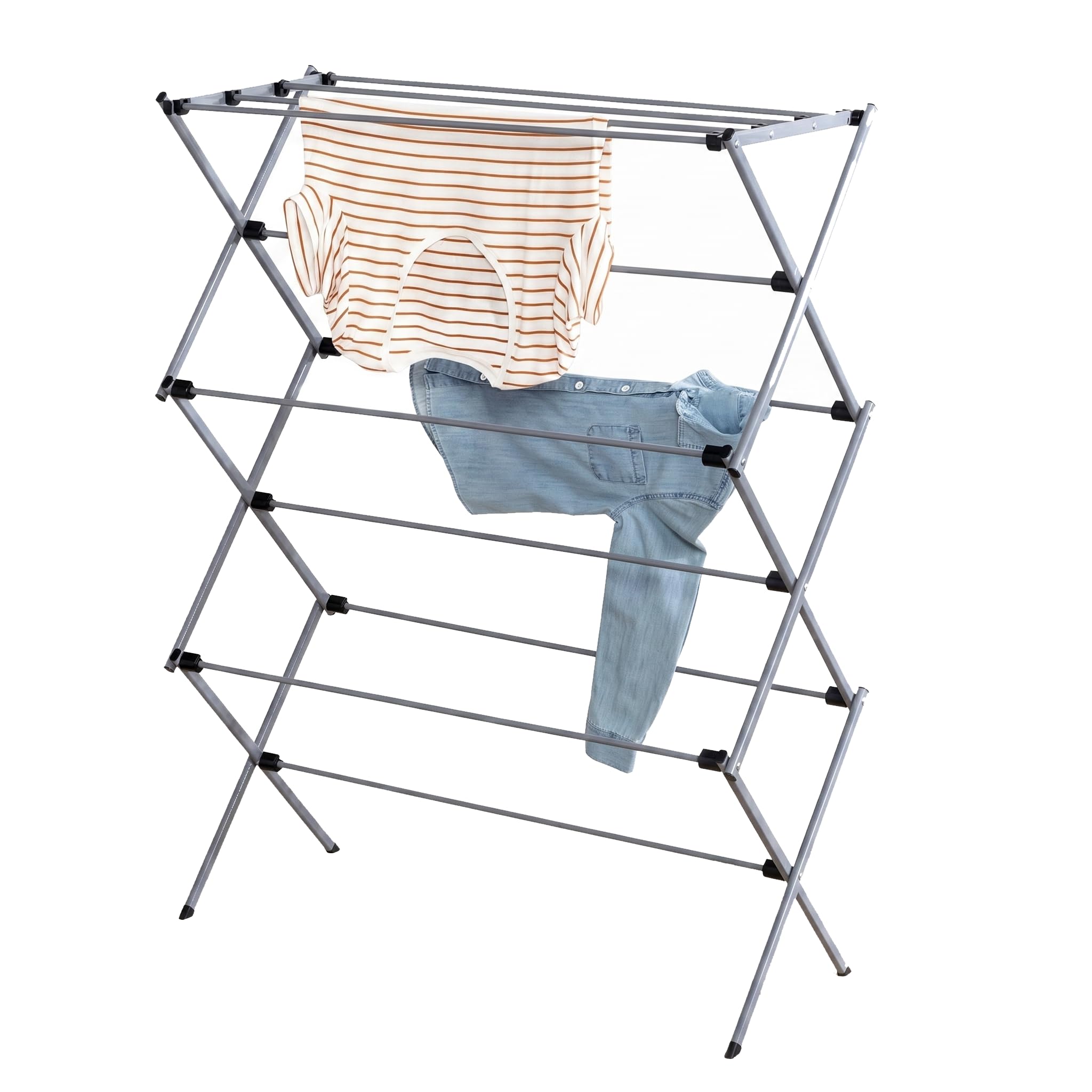
- Use a drying rack: Spreads clothes out and lets air flow on all sides.
- Hang from hangers: Useful for shirts and jackets, especially if space is tight.
- Avoid direct sunlight: The sun can fade colors and weaken fibers. Dry in a shaded, breezy place.
- Flip clothes: Turn over halfway through to speed drying and prevent stiffness.
- Use a fan or open window: Moving air dries clothes faster.
Extra Insight: Preventing Odor
Sports clothes can hold onto smells. To keep them fresh, always dry them as soon as possible. Never leave damp clothes in a pile or gym bag. Bacteria and mildew grow quickly in wet, warm fabrics.

Credit: www.walmart.com
The Science: Why Heat Damages Sports Clothes
Sportswear fabrics are a mix of polymers (long chains of molecules). When exposed to high heat, these chains can break or change shape. This leads to:
- Reduced stretch: Elastane and spandex lose their ability to bounce back.
- Deformed fibers: The fabric may look shiny or feel rough.
- Loss of moisture-wicking: Special coatings or treatments may wear off faster.
Once these changes happen, they cannot be reversed. Protecting your gear from heat keeps it performing like new.
Sports Clothes And Energy Savings
Air drying is not just better for your clothes—it’s also better for your energy bill. Dryers are one of the most energy-hungry appliances in a home. According to the US Department of Energy, using a dryer less often can save significant electricity.
If you must use a dryer, filling it only halfway helps clothes dry faster and saves energy. Always clean the lint filter before each load for best performance.
How Long Does It Take To Dry Sports Clothes?
The exact time depends on the method and conditions:
- In the dryer (low heat): 20 to 40 minutes for most lightweight sportswear
- Air drying (indoors): 4 to 12 hours, depending on humidity
- Air drying (outdoors, shade): 1 to 4 hours with good airflow
If you are in a hurry, towel-drying sports clothes first (gently rolling them in a towel to squeeze out extra water) can cut down air drying time.
Odor Control: Keeping Sports Clothes Fresh
Sports clothes can sometimes smell even after washing. Here’s why:
- Synthetic fibers trap oils and sweat.
- Heat sets odors: Drying smelly clothes in a hot dryer can “bake in” the smell.
To prevent this:
- Wash soon after wearing.
- Use sports-specific detergents if possible.
- Avoid fabric softeners and dryer sheets, which can trap odors.
- Always dry completely before storing.
Credit: www.amazon.com
What The Experts Say
Laundry experts and sports clothing brands agree: low heat or air drying is best for preserving technical fabrics. Some brands even warn that using a dryer can void warranties on their clothes.
The International Association for Textile Care recommends following care labels and choosing gentle drying methods. For more details on fabric care, see this Consumer Reports guide.
When Is It Okay To Use A Dryer?
Sometimes, you need your clothes dry fast. Maybe it’s raining, or you need your favorite shirt for a morning run. If you must use a dryer:
- Choose low heat or air fluff.
- Dry for the shortest time possible.
- Remove items while slightly damp and let them finish air drying.
- Never dry delicate items like compression gear or sports bras.
Real-world Examples: What Happens When You Ignore The Rules
Many athletes have learned the hard way. For example:
- A runner puts his new running shorts in the dryer on high. The logo melts and sticks to the inside of the machine.
- A cyclist washes her padded shorts, then dries them on medium. The chamois padding clumps, making the shorts uncomfortable.
- A gym-goer tosses all her workout clothes in with towels. After several cycles, her leggings lose stretch and become baggy.
These are common stories. Taking a few extra minutes to care for your gear pays off in the long run.
How To Read And Understand Care Labels
Sports clothes often come with symbols instead of words. Here’s a simple guide:
| Symbol | Meaning |
|---|---|
| Square with a circle inside | Safe for tumble drying |
| Square with a circle and dot(s) | Number of dots = heat level (1 dot = low, 2 = medium, 3 = high) |
| Square with a circle and X | Do not tumble dry |
| Square with a horizontal line | Lay flat to dry |
| Square with three vertical lines | Drip dry (hang up while wet) |
Recognizing these icons helps you make quick decisions, even if the label is in a language you don’t read well.
Sports Clothes Drying For Different Activities
Not all sportswear is created equal. Here are some tips for popular types:
- Running gear: Lightweight and often synthetic; air dry or use low heat.
- Yoga pants and leggings: High in spandex; always air dry.
- Soccer jerseys: Mesh panels can melt or warp; low heat only.
- Swimwear: Never use a dryer; air dry flat to keep shape.
- Cycling kits: Padded and multi-layered; air dry to protect padding.
Quick Reference: Do’s And Don’ts For Sports Clothes Drying
Do:
- Read care labels every time.
- Use mesh bags for delicate items.
- Dry on low or air only if you must use a dryer.
- Remove clothes promptly.
Don’t:
- Use high heat.
- Overload the dryer.
- Mix with linty items.
- Use fabric softener or dryer sheets.
Upgrading Your Laundry Routine
Small changes can make a big difference in how your sports gear performs and lasts.
- Wash after every use: Sweat and oils break down fabric faster if left in.
- Use the right detergent: Regular laundry soap can leave residue; sports detergents are better for synthetics.
- Dry immediately: Never leave wet clothes in the washer or gym bag.
- Store dry: Damp clothes in a drawer or closet can grow mildew.
Two Non-obvious Insights Most People Miss
- Even low heat builds up over time: You might not see damage after one or two cycles, but repeated low-heat drying slowly weakens stretch fibers and technical coatings. Consistent air drying, even part of the time, can double the life of your gear.
- Invisible coatings matter: Many sports clothes have special finishes for odor control, water resistance, or UV protection. Dryers can strip these invisible layers long before you see fabric damage, making your clothes less effective without obvious signs.
Frequently Asked Questions
Can I Dry My Sports Clothes With Regular Laundry?
Mixing sports clothes with regular laundry, especially towels or fleece, is not recommended. Lint from cotton can stick to synthetic fabrics, and heavier items may cause over-drying. It’s better to wash and dry sportswear separately for best results.
What Happens If I Accidentally Dry My Sports Clothes On High Heat?
One mistake might not ruin your clothes, but repeated drying on high heat can cause shrinking, melting, or loss of stretch. Check the clothes after drying. If you notice shiny spots, warping, or loss of shape, switch to air drying in the future.
Is It Okay To Dry Sports Bras In The Dryer?
Most sports bras use elastic materials and padding that can be damaged by heat. It’s best to air dry them, especially if they have molded cups or underwire. If you must use a dryer, use a mesh bag and the lowest heat setting.
Why Do My Sports Clothes Smell After Washing And Drying?
Synthetic fibers can trap oils and bacteria, which are hard to remove with regular detergent. Heat can set odors, making them harder to remove. Use a sports-specific detergent, wash soon after use, and always dry completely to help prevent smells.
Can I Use Dryer Sheets Or Fabric Softener With Sports Clothes?
Avoid dryer sheets and fabric softener with athletic wear. They can coat the fibers, reducing breathability and moisture-wicking ability. This can make your gear less comfortable and less effective during workouts.
Taking a few extra steps to care for your sports clothes means they’ll work better and last longer. By understanding fabric needs, following care labels, and choosing the right drying method, you can keep your gear fresh, comfortable, and ready for action—every workout, every time.
