

Can Sports Clothes Go in Dryer? Essential Care Tips
Can Sports Clothes Go In Dryer
Sports clothes are designed for movement, sweat, and high performance. But after a tough workout, many people wonder: Can sports clothes go in dryer? This question matters because the wrong drying method can ruin your favorite leggings, shrink your jersey, or destroy the stretch in your compression shirt. With so many fabrics and care instructions, it’s easy to get confused.
Let’s clear up the confusion. In this article, you’ll learn what happens when you put sports clothes in the dryer, how different fabrics react, and the best ways to keep your activewear in top condition. Whether you’re a runner, gym-goer, or just love the comfort of sportswear, these tips will help your clothes last longer and perform better.
Why Sports Clothes Need Special Care
Sports clothes are made to handle sweat, stretching, and frequent washing. But these same qualities mean they need a bit more attention in the laundry room. Most athletic wear uses synthetic fibers like polyester, nylon, spandex, and elastane. These materials wick moisture, dry quickly, and stretch with your body.
However, heat can be tough on these fibers. High temperatures can cause:
- Shrinkage: Tightening or loss of shape, especially in elastic materials.
- Damage to fibers: Heat can break down the structure of synthetic fabrics.
- Loss of stretch: The elastic parts lose their bounce and recovery.
- Pilling: Small balls of fuzz appear, making clothes look old.
The care instructions on your clothing tag exist for a reason. Ignoring them can shorten the life of your gear and affect performance.
Common Types Of Sports Clothes And Their Fabrics
Not all sports clothes are the same. Here’s a look at the most common types and what they’re made from:
- Compression gear (tights, tops): Mostly spandex, elastane, or a blend with polyester.
- Moisture-wicking shirts: Typically polyester or a polyester blend.
- Mesh shorts and jerseys: Usually nylon or polyester.
- Sports bras: Often a mix of spandex, nylon, and polyester.
- Socks: Can include cotton blends, polyester, and spandex for stretch.
- Base layers: Wool, synthetic blends, or even bamboo fibers.
- Running jackets: Polyester, nylon, sometimes with water-resistant coatings.
Each fabric reacts differently to heat and tumbling. A quick look at the tag will usually tell you the blend.
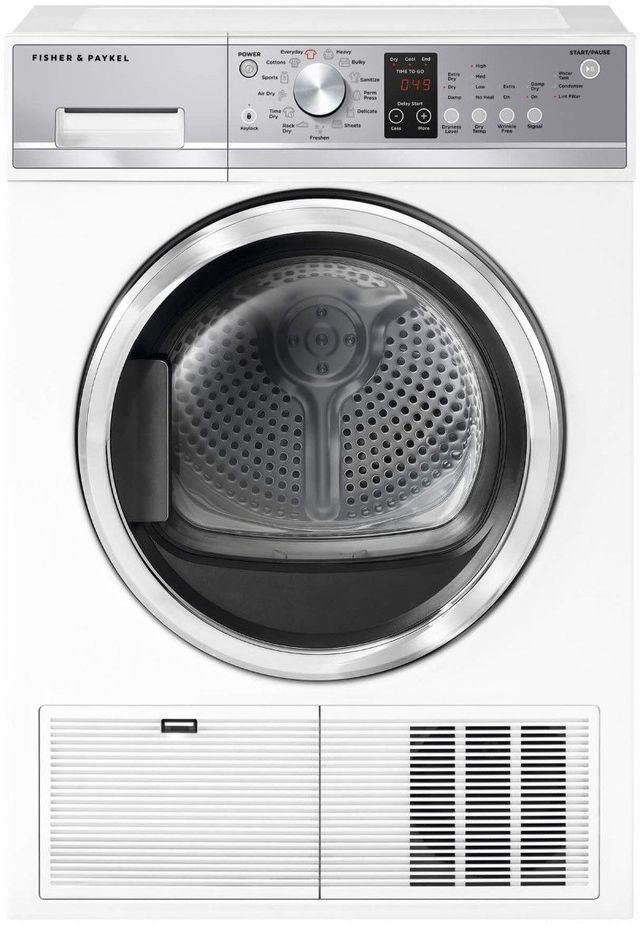
Credit: www.applianceandelectronics.com
What Happens When You Put Sports Clothes In The Dryer
Let’s get straight to the point: Most sports clothes can go in the dryer, but not always safely. Here’s what can happen:
- Elastic breakdown: The heat weakens spandex and elastane fibers, causing sagging or loss of support.
- Fading and pilling: High heat and tumbling can cause color fading and fabric pilling.
- Shrinking: Even synthetic blends can shrink if exposed to high dryer settings.
- Damage to special finishes: Some items have reflective or water-resistant coatings that can melt or peel under heat.
- Odor problems: Heat may not remove deep odors; sometimes it "bakes" them in.
A study on synthetic sports fabrics found that frequent high-heat drying reduced the lifespan of clothes by up to 30%. It’s not just about looks—performance can drop too.
How To Read Care Labels On Sports Clothes
Most sports clothes come with a care label inside. These tiny tags pack in a lot of information. Here’s how to read them:
- Machine wash cold: Use cold water to prevent shrinking and protect fibers.
- Do not tumble dry: Air-dry is recommended; dryer can damage the fabric.
- Tumble dry low: If you must use a dryer, use the lowest heat setting.
- Do not iron/bleach/dry clean: These instructions protect special coatings and synthetic fibers.
If you see a symbol with a square and a circle inside, that’s the dryer symbol. A single dot means low heat, two dots for medium, and a cross means "do not tumble dry".
Pro tip: If the label is faded or missing, assume it’s safest to air-dry.
Pros And Cons Of Using A Dryer For Sports Clothes
Dryers are convenient, but not always the best choice. Let’s compare the advantages and disadvantages.
| Dryer Use | Pros | Cons |
|---|---|---|
| Sports Clothes in Dryer |
|
|
In short, using a dryer saves time but risks damaging your gear.
Best Practices For Drying Sports Clothes In A Dryer
If you’re in a hurry and need to use the dryer, follow these tips to reduce damage:
- Use the lowest heat setting: High heat is the main enemy of sportswear.
- Turn clothes inside out: Protects color and coatings.
- Dry with similar fabrics: Keep synthetics together to avoid rough contact with zippers or towels.
- Remove promptly: Take clothes out as soon as they’re dry to prevent wrinkles and odor.
- Avoid dryer sheets: These can coat technical fabrics and reduce moisture-wicking.
Non-obvious tip: If your dryer has an "air dry" or "fluff" setting, use it. It uses no heat, just air circulation, which is much gentler on sportswear.
When You Should Never Use A Dryer
Some sports clothes should never go in the dryer, no matter what. Here’s when to avoid:
- Items with glued seams: High heat can melt the glue.
- Anything with reflective strips: The coating can peel off.
- Waterproof or water-repellent gear: Heat may break down special coatings.
- Clothes labeled "do not tumble dry": Trust the tag, even if the fabric feels sturdy.
A common mistake is putting everything in the dryer "just once". Even a single cycle can damage certain finishes or elastic fibers.
Air-drying: The Safest Method
The best way to dry sports clothes is air-drying. Here’s why:
- No heat damage: Fibers keep their stretch and shape.
- Lower risk of pilling: Less friction than tumbling.
- Better for coatings and prints: Reflective strips, logos, and finishes last longer.
How to air-dry:
- Lay flat on a towel for heavy items (like jackets or bras) to keep their shape.
- Hang on a drying rack for shirts, shorts, and leggings.
- Keep out of direct sunlight to prevent fading.
Quick insight: Air-drying is not just for gentle care. It also saves energy and lowers your electricity bill.
How Different Sports Fabrics React In The Dryer
Not all sports fabrics are equal. Here’s a comparison:
| Fabric Type | Dryer Reaction | Recommended Drying |
|---|---|---|
| Polyester | Can shrink at high heat; possible pilling | Low heat or air-dry |
| Nylon | Prone to melting if too hot | Low heat or air-dry |
| Spandex/Elastane | Loses stretch with heat | Air-dry |
| Cotton blends | May shrink slightly; less durable | Low heat or air-dry |
| Wool | Can felt or shrink badly | Air-dry flat |
| Bamboo | Can lose softness; weakens with heat | Air-dry |
This shows why one-size-fits-all advice doesn’t work for sports clothes. Always check your fabric type first.
Real-life Examples: What Happens In The Dryer
Let’s look at a few examples from regular users:
- Compression tights: After just a few high-heat cycles, the waistband may lose its grip. The tights start to slide down during a workout.
- Moisture-wicking shirts: Frequent drying on "normal" settings leads to pilling and faded logos.
- Sports bras: Elastic straps stretch out and lose support, even when the rest of the bra looks fine.
- Socks: Some lose their shape, while others shrink and get stiff.
Hidden risk: Odor-causing bacteria can survive if clothes don’t dry fully, especially in thick fabrics. Using a dryer on low heat may not kill all germs. Wash sports clothes promptly and let them dry completely.

Credit: www.dreamstime.com
How To Remove Odors From Sports Clothes
Sports clothes often hold onto sweat smells. Dryers alone don’t always solve this problem. Here’s how to keep them fresh:
- Wash soon after use: Don’t let sweaty clothes sit in a gym bag.
- Use a sports detergent: These break down body oils and bacteria better than regular soap.
- Avoid fabric softener: It can block fibers and trap smells.
- Double rinse: Removes all detergent and sweat residue.
- Air-dry in sunlight: Sun can help kill odor-causing germs, but don’t overdo it or colors will fade.
If odors remain, try soaking in a mix of water and white vinegar before washing.
How Dryer Use Affects The Lifespan Of Sports Clothes
Research and user experience agree: frequent use of the dryer can shorten the life of your sportswear. Here’s why:
- Fiber breakdown: Each cycle weakens elastic and synthetic fibers.
- Shape loss: Stretchy clothes may not snap back as well.
- Visual wear: Colors fade, prints crack, and pilling appears.
- Performance drop: Moisture-wicking and compression effects weaken.
For example, a runner who air-dries gear often gets twice as many wears from a pair of shorts compared to someone who always uses the dryer.
Non-obvious advice: If you invest in high-quality sports clothes, air-drying protects your investment and keeps your gear feeling new.
Special Considerations For Team Jerseys And Personalized Gear
Team jerseys, uniforms with numbers, or custom-printed gear need extra care. The decorations are often heat-sensitive.
- Screen-printed numbers and logos: High heat can crack or peel prints.
- Sewn-on patches: Threads may shrink or loosen.
- Reflective strips: Essential for safety, but can melt or flake.
Always turn these items inside out and use air-dry or the lowest dryer setting if you must use a machine.
Caring For Sports Accessories
Don’t forget about accessories:
- Hats and headbands: The elastic can stretch out with heat. Air-dry only.
- Gloves: Synthetic or wool gloves may shrink or lose shape in a dryer.
- Shin guards and pads: Never machine-dry; wipe clean and air-dry.
Pro tip: Always remove accessories before washing or drying to prevent damage to both the clothes and the accessories.

Credit: www.warnersstellian.com
Comparing Dryer Settings For Sports Clothes
If you must use a dryer, not all settings are equal. Here’s a quick comparison:
| Dryer Setting | Heat Level | Best For | Risks |
|---|---|---|---|
| High Heat | Very hot | Towels, heavy cotton | Shrinks and damages sports clothes |
| Medium Heat | Moderate | Cotton blends, thicker synthetics | Can still harm elastic fibers |
| Low Heat | Gentle | Most sportswear | Slower but safer drying |
| Air Dry/Fluff | No heat | All delicate fabrics | May need extra time |
The best option for most sports clothes is Low Heat or Air Dry.
Tips For Drying Sports Shoes
Sports shoes sometimes get soaked with sweat or rain. Can they go in the dryer? Usually, it’s risky.
- Running shoes: High heat can melt glue, warp soles, or shrink uppers.
- Soccer cleats: The studs or leather can crack.
- Insoles: May lose their shape or cushioning.
Safe method: Remove insoles and laces, stuff shoes with newspaper, and let them air-dry in a well-ventilated area.
Time-saving tip: Place shoes near a fan to speed drying, but avoid direct heat.
The Truth About Dryer Sheets And Sports Clothes
Dryer sheets make clothes soft and static-free, but they’re not great for sportswear.
- Coat fibers: They leave a residue that blocks moisture-wicking.
- Reduce breathability: Clothes may feel less cool and fresh.
- Trap odors: Smells can linger when fibers are coated.
For static, try using wool dryer balls instead—they bounce clothes around without leaving residue.
How To Spot Damage From The Dryer
It’s not always obvious when sports clothes have suffered in the dryer. Here’s what to look for:
- Loss of stretch: Waistbands or cuffs feel loose.
- Worn logos or prints: Cracked, peeling, or faded.
- Rough texture: Clothes feel less smooth, especially on the inside.
- Odors remain: Clothes smell musty, even after drying.
If you notice these signs, switch to air-drying and avoid further damage.
Preventing Common Mistakes
Many people make the same errors when drying sports clothes. Here’s how to avoid them:
- Don’t mix sports clothes with towels or jeans: The rougher fabrics can cause snags and pilling.
- Don’t overload the dryer: Clothes won’t tumble well and may not dry evenly.
- Don’t ignore care labels: Each item may need different handling.
- Don’t use high heat for speed: It’s better to wait than to ruin your gear.
Extra insight: If drying outdoors, avoid hanging clothes by the shoulders or waistband—they can stretch out of shape. Use a flat rack for best results.
Simple Steps For Long-lasting Sports Clothes
Want your workout clothes to last longer? Stick to these basics:
- Wash after every use: Sweat and bacteria break down fibers.
- Avoid fabric softener: It blocks performance features.
- Dry on low heat or air-dry: Protects fit and color.
- Store flat or folded: Hanging can stretch out some fabrics.
- Repair small snags quickly: Prevents further damage.
A little extra care pays off in more wears and better performance.
When It’s Okay To Use A Dryer
Sometimes, you need your sports clothes dry fast. It’s usually safe to use a dryer if:
- The care label says "tumble dry low".
- The fabric is mostly polyester or nylon, without much spandex.
- There are no glued seams, special coatings, or printed numbers.
- You use the lowest heat setting.
- You remove clothes as soon as the cycle ends.
But even then, don’t make it a habit. Save the dryer for emergencies or when the weather is too humid to air-dry.
How Professional Athletes And Teams Handle Sports Clothes
Ever wonder how pros keep their uniforms looking new? Most teams have strict laundry routines:
- Air-drying as much as possible: Especially for uniforms with numbers and logos.
- Special detergents: Designed for synthetic fabrics.
- Low-heat drying: Only when absolutely necessary.
- Quick turnaround: Washing and drying gear right after use to prevent odors and stains.
If you want your gear to last like a pro’s, copy their habits.
The Environmental Impact Of Drying Sports Clothes
Air-drying isn’t just good for your gear—it’s good for the planet. Dryers use a lot of energy. If every household air-dried their sports clothes, it would save a significant amount of electricity over time.
- Energy savings: Lower bills and fewer carbon emissions.
- Less microfiber pollution: Tumbling in the dryer can release tiny plastic fibers from synthetic clothes into the air.
Small changes, like using a drying rack, make a big difference for both your clothes and the environment.
Can Sports Clothes Go In Dryer? The Bottom Line
So, can sports clothes go in dryer? Yes, but only with caution. Most sportswear survives the dryer on low heat, but air-drying is always safer. Check care labels, understand your fabrics, and use the gentlest settings possible.
If you want your sports clothes to last, look good, and keep performing, treat them with care—especially when drying. A few extra minutes on a drying rack can make a world of difference to your favorite workout gear.
For more on fabric care, see this detailed guide from the Consumer Reports.
Frequently Asked Questions
Can I Put All Types Of Sports Clothes In The Dryer?
Not all sports clothes are dryer-safe. Items with elastane, glued seams, reflective strips, or special coatings should not go in the dryer. Always check the care label and use low heat if you must use a dryer.
What Setting Should I Use If I Put Sports Clothes In The Dryer?
The safest option is low heat or the "air dry/fluff" setting. This helps protect fibers, prevent shrinking, and keep moisture-wicking features working. Avoid medium or high heat.
Why Do My Sports Clothes Smell Even After Using The Dryer?
Dryers often don’t remove deep sweat odors. Bacteria can survive mild heat. Wash sports clothes promptly with a sports detergent, double rinse, and air-dry in sunlight if possible to help eliminate odors.
Will Using The Dryer Ruin The Stretch In My Leggings Or Sports Bras?
Frequent dryer use—especially on high heat—weakens elastic fibers like spandex. This causes loss of stretch and support. Air-drying is best for leggings, bras, and any stretchy sports gear.
Is Air-drying Always Better For Sports Clothes?
Yes, air-drying protects fibers, colors, and prints much better than machine drying. It also saves energy and reduces microfiber pollution. If you want your sportswear to last, make air-drying your first choice.
