

Can Sports Clothes Be Tumble Dried? Essential Care Tips
Can Sports Clothes Be Tumble Dried
Sports clothes are everywhere—on runners, in gyms, and even for relaxing at home. These clothes are made to handle sweat, movement, and frequent washing. But after a sweaty workout, many people wonder: Can sports clothes be tumble dried? You probably want your clothes clean and dry, ready for your next session. But using a tumble dryer is not always simple with these special fabrics. Drying sportswear the wrong way can ruin it, shrink it, or make it lose its shape. The answer depends on the type of fabric, the care label, and a few other factors. Let’s explore what happens when you put sports clothes in a tumble dryer, the risks, and the best ways to keep your activewear in top shape for longer.
Understanding Sports Clothes Fabrics
Sports clothes are not just made of regular cotton. They are designed for performance and comfort. Here are the main types of materials you’ll find:
- Polyester: Most common in sportswear. It’s lightweight, dries fast, and is durable.
- Nylon: Strong, smooth, and often used in leggings or compression wear.
- Spandex (also called Lycra or elastane): Very stretchy, used for tight-fitting items.
- Polypropylene: Water-resistant, used in base layers.
- Cotton blends: Sometimes mixed with synthetic fibers for softness and breathability.
- Merino wool: Used in premium sports clothes for its odor resistance and temperature control.
Each material reacts differently to heat and movement in a tumble dryer. For example, polyester and nylon can melt or warp with high heat, while spandex can lose its stretchiness.
How These Fabrics Work
Sports fabrics are made to wick moisture away from your skin, keeping you dry. Their fibers are often thinner or woven in special ways. This makes them sensitive to rough treatment or high heat.
Non-obvious insight: Even if a sports shirt looks strong, the special coatings or finishes (like water-repellent or anti-odor treatments) can break down quickly in a hot tumble dryer.
The Science Of Tumble Drying
A tumble dryer removes moisture using hot air and spinning motion. The heat makes water evaporate, and the tumbling helps air reach all parts of the fabric.
What Tumble Drying Does To Clothes
- Shrinks or stretches fabrics: Heat can cause fibers to shrink. Spandex and polyester may become misshapen.
- Breaks down fibers: Repeated drying can make fabric thin, rough, or weak.
- Damages special finishes: Anti-bacterial, odor-resistant, and water-repellent finishes wear off faster.
Why Sports Clothes Are Sensitive
Many sports clothes use glue or bonding at seams, reflective tapes, or elastic bands. High heat can melt glue, crack prints, or ruin elastic. Even the mesh panels in running shirts can become stiff or brittle.

Credit: odikafurniture.com
Care Labels: Your First Guide
Before drying any sports item, check the care label. It gives instructions for washing and drying. Here’s what you might see:
- Tumble dry low: Safe to use a dryer, but only on a gentle, cool setting.
- Do not tumble dry: Air drying is best.
- No heat symbols: Indicates the fabric is very sensitive.
How To Read The Symbols
| Symbol | Meaning |
|---|---|
| ● | Tumble dry, low heat |
| × | Do not tumble dry |
| — | Lay flat to dry |
Ignoring these labels is a common mistake. Even similar-looking clothes can have different rules.
Non-obvious insight: Brands often change their fabric blends from one season to the next. Always check the new label, even if you had a similar item before.
What Happens If You Tumble Dry Sports Clothes?
Let’s look at real effects of tumble drying sportswear:
- Loss of shape: Leggings may become baggy at the knees or waist.
- Peeling logos: Heat can cause prints, stripes, or logos to crack and peel off.
- Weaker fabric: Clothes may tear more easily, especially at seams or in mesh panels.
- Less stretch: Compression shorts or bras lose their snug fit.
- Static cling: Synthetic fibers can attract static after high-heat drying.
Example: Polyester T-shirts
A polyester running shirt can survive low-heat tumble drying a few times. But after repeated cycles, the armpit areas may become stiff, and the fit changes. High heat can even leave a shiny mark.
Example: Spandex Leggings
Tumble drying spandex leggings can make them loose their stretch. After a few cycles, they won’t hug your legs properly, and the waistband may roll down.
When Is It Safe To Tumble Dry Sports Clothes?
Some sports clothes can go in the dryer—if you do it correctly.
Signs It’s Probably Safe:
- The care label clearly says “tumble dry low.”
- The fabric is mostly polyester or nylon (with no spandex).
- The item is not too tight, like loose shorts or t-shirts.
- There are no glued seams, rubber prints, or reflective tapes.
How To Reduce Risk
If you must use a dryer, follow these steps:
- Turn clothes inside out: Protects the outer surface and prints.
- Use a mesh laundry bag: Reduces friction and stretching.
- Select the lowest heat setting: High heat is the main danger.
- Remove clothes while slightly damp: Finish drying them flat or on a rack.
- Never overload the dryer: Clothes need space to move, or they wrinkle and stretch.
Air Drying: The Safer Option
For most sportswear, air drying is the safest way to keep it in good shape.
Why Air Drying Works Best
- No heat damage: Fabrics keep their stretch and finish.
- Less wear: No rubbing or pulling from the machine.
- Saves energy: Better for the environment and your bills.
How To Air Dry Properly
- Lay flat on a clean towel to avoid stretching.
- Hang on a drying rack, not thin hangers, to keep the shape.
- Never dry in direct sunlight; UV rays can fade colors and weaken fabric.
Comparing Drying Methods
Below is a simple comparison of tumble drying and air drying for sports clothes:
| Drying Method | Pros | Cons |
|---|---|---|
| Tumble Dry (Low Heat) | Fast, convenient, softens some fabrics | Risk of damage, higher energy use, can shrink/stretch |
| Air Dry (Flat or Hanging) | Gentle, preserves fabric and fit, energy saving | Takes more time, needs space, can feel stiff |
Common Mistakes When Drying Sports Clothes
Many people unknowingly ruin their sportswear. Here are mistakes to avoid:
- Using high heat: This is the fastest way to damage synthetic fibers.
- Ignoring the care label: Each garment can have unique needs.
- Drying with towels or jeans: Heavy items can stretch or crush delicate sports fabrics.
- Overdrying: Leaving clothes in the dryer too long makes them stiff and weak.
- Hanging heavy items: This can stretch out shoulders and waistbands.
How Different Brands Recommend Drying
Major sports brands have their own guidance:
- Nike: Usually recommends air drying, especially for Dri-FIT products.
- Adidas: Advises tumble drying only on low or not at all.
- Under Armour: Often says “do not tumble dry” for compression items.
- Lululemon: Suggests laying flat to dry, especially for yoga gear.
Non-obvious insight: Some premium brands use special fiber blends that lose warranty if machine dried. Always check the brand’s website for updates.
The Impact On Performance Features
Sports clothes often come with extra features:
- Moisture-wicking: Helps sweat dry faster.
- Odor resistance: Uses anti-microbial treatments.
- UV protection: Blocks sunlight.
Tumble drying can reduce or destroy these features. For example, high heat can make moisture-wicking less effective. Odor control can fade after a few cycles.
How To Dry Different Types Of Sportswear
Every item is a bit different. Here are tips for common types:
Running Shirts
- Usually polyester or blends.
- Turn inside out, air dry, or tumble dry on low.
Compression Leggings
- Contain spandex.
- Air dry flat. Never use high heat.
Sports Bras
- Often have foam, elastic, or mesh.
- Lay flat to dry. Avoid dryer to keep elastic strong.
Socks
- Synthetic blends or wool.
- Tumble dry on low is usually safe, but air drying makes them last longer.
Athletic Shorts
- Usually tougher, but check label for mesh panels.
- Low heat is possible, air drying safer.
Jackets And Windbreakers
- May have waterproof coatings or glued seams.
- Air dry only. Tumble drying can ruin coatings and seams.
How Tumble Dryers Differ
Not all dryers are the same. Features that matter:
- Heat settings: Some dryers allow very low heat, which is better for sports clothes.
- Sensor drying: Stops when clothes are just dry, preventing overdrying.
- Delicate cycles: Gentler spinning and lower temperatures.
If your dryer is old or only has “high” and “low,” always pick “low”—never “high. ”
Drying Sports Shoes And Accessories
Sports clothes aren’t just shirts and shorts. What about shoes, hats, or gloves?
Shoes
- Never put running shoes in a hot dryer. The glue melts, and the shape changes.
- Stuff with paper and air dry.
Caps And Headbands
- Most have elastic or foam.
- Air dry only, flat if possible.
Gloves
- Check label. Wool or synthetic gloves last longer air dried.
How To Speed Up Air Drying
If you don’t want to wait hours, try these:
- Spin cycle: Use your washing machine’s extra spin to remove more water.
- Towel roll: Lay clothes on a towel, roll up, and press to absorb water.
- Use a fan: Point a fan at clothes to increase airflow.
- Dehumidifier: Helps in humid weather to dry clothes faster.
Caring For Sports Clothes After Drying
Proper care after drying keeps your clothes working longer:
- Fold, don’t hang, stretchable items like leggings or bras.
- Store in a cool, dry place.
- Don’t use fabric softener; it can block moisture-wicking.
What To Do If You Accidentally Tumble Dry Sports Clothes
Everyone makes mistakes. If you tumble dry by accident:
- Check for damage: Look for shrinkage, stiff spots, or peeling prints.
- Wash again gently and air dry to soften fibers.
- If logos have peeled, they can’t be fixed, but the garment is still usable.
- If fit is ruined, retire the item for less important workouts.
Cost Of Replacing Damaged Sports Clothes
Sportswear can be expensive. Damaging clothes in the dryer means buying new ones more often. For example:
| Item | Average Cost | Estimated Lifespan (Air Dry) | Estimated Lifespan (Tumble Dry) |
|---|---|---|---|
| Running Shirt | $30 | 2-3 years | 1 year |
| Compression Leggings | $50 | 2 years | 6-9 months |
| Sports Bra | $40 | 18 months | 6 months |
Air drying can double or triple the life of your gear.
Environmental Impact
Using a tumble dryer for every load uses a lot of energy. According to the U.S. Department of Energy, dryers are one of the highest energy users in homes. Air drying saves energy and reduces your carbon footprint.
Non-obvious insight: The environmental cost is not just energy—replacing damaged clothes means more waste and pollution from making new items.

Credit: www.amazon.com
How To Build A Quick Sports Clothes Routine
To make laundry less stressful:
- Wash sports clothes separately from towels or jeans.
- Use gentle, cool cycles.
- Shake out clothes before drying to reduce wrinkles.
- Hang or lay flat to dry as soon as possible.
- Have enough gear to rotate while one set dries.
Is There Ever A Reason To Tumble Dry?
Sometimes, you may need to tumble dry:
- If you’re in a hurry and the care label allows.
- For socks or older clothes you don’t mind risking.
- To soften up stiff air-dried clothes (use no heat or air fluff).
But even then, use the lowest heat and shortest time.
Real-world Examples
Many athletes and gym-goers share experiences online:
- “My yoga pants lost all their stretch after three months of tumble drying.”
- “Running shirts started peeling at the logo after using high heat.”
- “I always air dry my compression gear, and it still fits perfectly after a year.”
Most agree: tumble drying is risky, air drying is safer.
Tips For Drying In Small Spaces
If you live in an apartment or dorm:
- Use a foldable drying rack.
- Hang clothes on shower rods or door frames.
- Place a fan nearby to speed up drying.
- Roll clothes in a towel to soak up water before hanging.
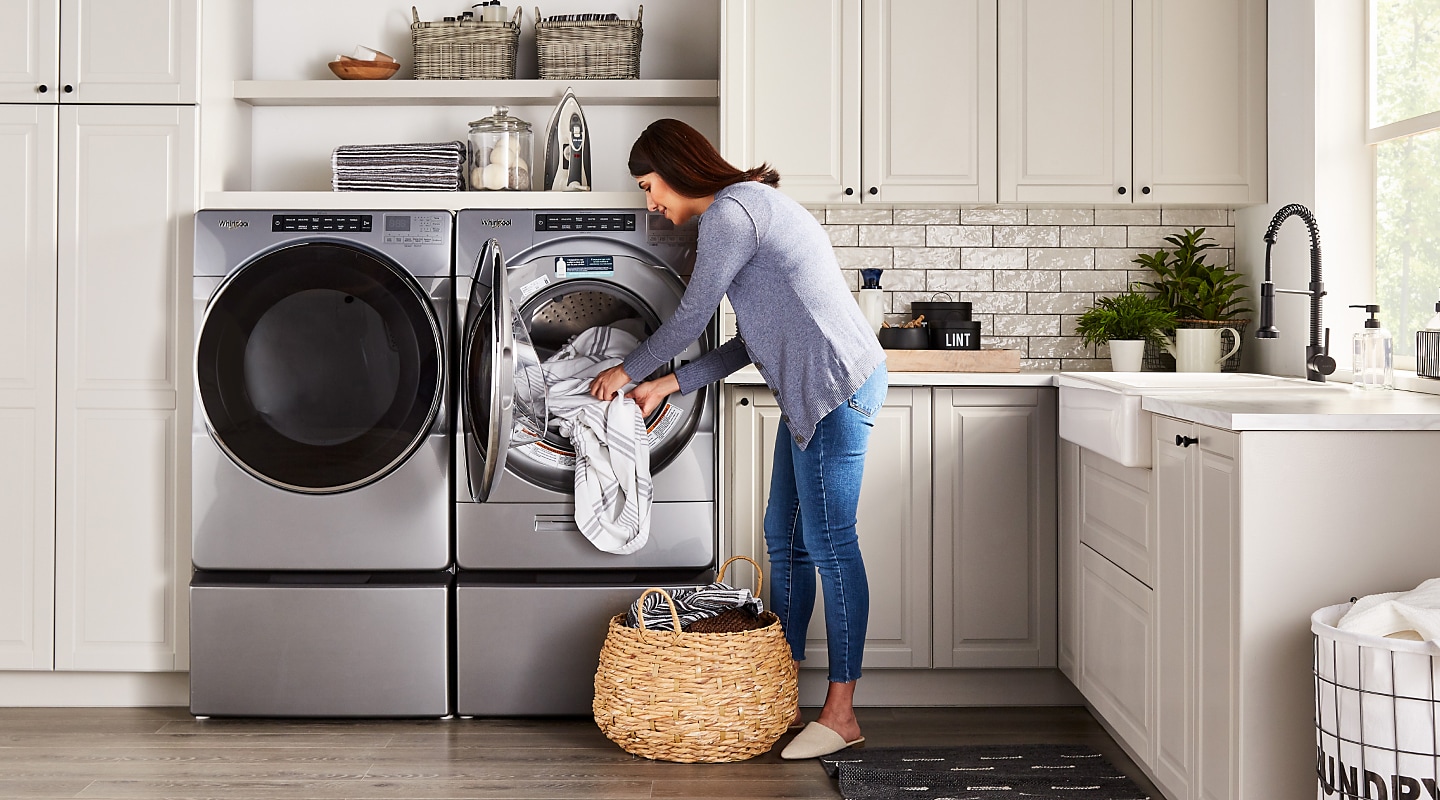
Credit: www.whirlpool.com
Summary: Can Sports Clothes Be Tumble Dried?
In short, some sports clothes can be tumble dried, but only on low heat, and only if the care label says so. Even then, air drying is almost always safer and helps your gear last longer. High heat can ruin fabric, prints, and fit. Check every label, use low temperatures, and air dry whenever possible. This keeps your sports clothes comfortable, functional, and looking good.
Frequently Asked Questions
Can I Tumble Dry Sports Clothes If I’m In A Hurry?
If the care label allows tumble drying, use the lowest heat and the shortest time. Take the clothes out while they are still slightly damp and finish drying flat. Never use high heat, even if you’re in a rush.
Will Tumble Drying Ruin The Moisture-wicking Feature?
High heat can damage the moisture-wicking finish on many sports clothes. Over time, tumble drying makes this feature less effective. Air drying preserves the wicking ability much longer.
Are There Any Sports Clothes That Should Never Go In The Dryer?
Yes. Clothes with high spandex or elastane, glued seams, foam pads, or special coatings (like waterproof jackets) should never be tumble dried. Always check the label to be sure.
What Should I Do If My Sportswear Shrinks In The Dryer?
Once sportswear shrinks, it’s hard to fix. You can try gently stretching the fabric while damp, but results are limited. In most cases, the item will not return to its original size.
Is Using A Dryer Better For Killing Bacteria On Sports Clothes?
Tumble dryers can help reduce bacteria, but high heat can damage fabrics. Washing in warm water and air drying in sunlight (UV rays kill bacteria) is a good balance. For tough odors, use a sports detergent designed for synthetic fabrics.
If you want your sportswear to last, treat it gently. Tumble drying is sometimes okay, but air drying is almost always the best choice. Always follow the care label and your clothes will stay fresh, stretchy, and ready for every workout.
