

Can Shin Guards Cause a Rash: Surprising Skin Irritation Facts
Have you ever noticed red, itchy spots on your legs after wearing shin guards? You might wonder, can shin guards cause a rash?
If this sounds familiar, you’re not alone. Many athletes and sports enthusiasts face this uncomfortable problem, and it can make playing your favorite game less enjoyable. Understanding why this happens and how to prevent it can save you from irritation and keep you focused on the game.
Keep reading to discover the surprising reasons behind shin guard rashes and simple ways to protect your skin.

Credit: www.shinnerz.com
Why Shin Guards Cause Rashes
Shin guards protect your legs during sports but can cause rashes. Understanding why rashes happen helps prevent discomfort. Several factors play a role in skin irritation under shin guards. These include allergies, moisture, and friction. Each factor affects your skin in different ways. Knowing them can help you choose better gear and care for your skin.
Material Allergies
Many shin guards use synthetic materials like plastic and foam. Some people have allergies to these materials. Allergic reactions cause redness, itching, and rash. Latex is a common allergen found in some guards. Choosing hypoallergenic shin guards can reduce this risk. Always check the materials before buying your shin guards.
Sweat And Moisture Build-up
Shin guards trap sweat against your skin. This moisture creates a warm, damp environment. Bacteria and fungi grow in these conditions. They irritate the skin and cause rashes. Wearing guards without proper ventilation worsens the problem. Use shin guards with breathable materials to keep your skin dry.
Friction And Chafing
Movement during sports causes shin guards to rub against skin. This constant rubbing leads to friction and chafing. The skin becomes sore and inflamed. Tight or poorly fitted guards increase friction. Properly fitting shin guards reduce rubbing and skin damage. Applying protective creams can also help prevent chafing.

Credit: storelli.com
Common Skin Reactions
Shin guards protect your legs but can also irritate your skin. Many players experience mild to moderate skin reactions from wearing them. These reactions vary depending on skin type, sweat, and shin guard material. Understanding common skin reactions helps you know what to watch for and how to ease discomfort.
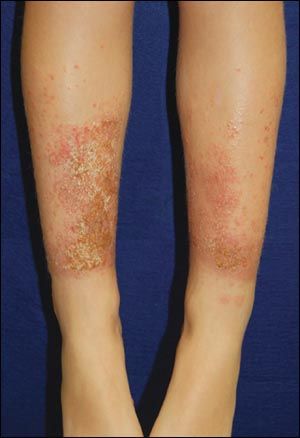
Redness And Itching
Redness and itching often appear after wearing shin guards for some time. The skin under the guard may become irritated due to friction. Sweat trapped inside the guard can worsen the irritation. Itching can lead to scratching, which may cause more redness or small wounds.
Blisters And Bumps
Blisters form when the skin rubs hard against the shin guard. This happens if the guard is too tight or moves a lot during play. Small bumps may also appear as a reaction to sweat or an allergic response to the guard’s material. Both blisters and bumps can be painful and need care.
Dryness And Peeling
Wearing shin guards can cause dryness on the skin underneath. Sweat and heat trapped inside reduce skin moisture. Over time, the skin may start peeling or flaking. This condition makes the skin sensitive and prone to further irritation.
Preventing Shin Guard Rashes
Shin guard rashes can cause discomfort and disrupt your practice or play. Preventing these rashes helps keep your skin healthy and pain-free. Simple steps can reduce irritation and keep your legs safe.
Choosing The Right Material
Select shin guards made from soft, breathable materials. Look for guards with padding that reduces friction. Avoid hard plastics that trap sweat and irritate skin. Lightweight, moisture-wicking fabrics help keep skin dry and comfortable.
Proper Cleaning And Maintenance
Clean shin guards regularly to remove sweat and bacteria. Use mild soap and warm water for washing. Let them dry completely before the next use. Dirty guards can cause itching and rashes. Replace worn-out guards to avoid skin problems.
Using Protective Barriers
Wear thin socks or sleeves under shin guards. These barriers reduce direct contact with the skin. They help absorb sweat and reduce rubbing. Choose soft, breathable fabrics for the best protection. This simple step can prevent most rashes.
Treatment Options For Skin Irritation
Skin irritation from shin guards can be uncomfortable. Treating it early helps avoid more trouble. There are several ways to soothe and heal the skin. Simple care and some products can reduce redness and itching.
Topical Creams And Ointments
Use creams with hydrocortisone to calm itching and swelling. Antibacterial ointments prevent infection if the skin is broken. Apply these gently to the irritated area twice daily. Avoid heavy creams that block skin pores. Choose products made for sensitive skin.
Home Remedies
Cold compresses reduce heat and ease discomfort. Aloe vera gel cools and soothes irritated skin naturally. Oatmeal baths help calm inflammation and dryness. Keep the area clean and dry to speed healing. Change shin guard padding to softer materials to avoid more irritation.
When To See A Doctor
Seek medical advice if rash worsens or spreads. Visit a doctor if pain, swelling, or pus develops. Persistent irritation lasting more than a week needs professional care. Skin infections require prescription antibiotics or stronger creams. Early treatment prevents complications and promotes faster recovery.
Tips For Comfortable Shin Guard Use
Wearing shin guards can sometimes cause discomfort or skin irritation. Simple steps help keep your skin safe and comfortable. These tips improve your experience and reduce rash risks.
Proper Fit And Adjustment
Choose shin guards that fit snugly but not too tight. Guards that are too loose move and rub skin. Guards that are too tight block blood flow. Adjust straps carefully. Check for any sharp edges or seams. A good fit stops chafing and skin irritation.
Breathable Sock Choices
Wear socks made from breathable materials. Cotton or moisture-wicking socks keep skin dry. Dry skin prevents rashes and itching. Avoid thick or tight socks that trap sweat. Thin, breathable socks add a soft layer between skin and guard.
Regular Breaks And Skin Care
Take breaks during practice to let skin breathe. Remove guards for a few minutes when possible. Clean your skin and guards after use. Use mild soap and dry everything well. Apply moisturizer to prevent dryness and irritation. Healthy skin resists rash and discomfort better.
Credit: www.contemporarypediatrics.com
Frequently Asked Questions
Can Shin Guards Cause Skin Rashes?
Yes, shin guards can cause skin rashes due to friction, sweat, or allergic reactions to materials. Proper hygiene and breathable materials help prevent rashes.
What Materials In Shin Guards Trigger Rashes?
Materials like latex, nylon, or synthetic foam in shin guards often cause allergic reactions or irritation. Choosing hypoallergenic guards reduces rash risks.
How To Prevent Rashes From Shin Guards?
To prevent rashes, wear moisture-wicking socks, keep guards clean, and use guard liners. Proper fit and ventilation also minimize skin irritation.
When Should I See A Doctor For Shin Guard Rash?
See a doctor if the rash worsens, shows signs of infection, or causes severe pain. Early treatment prevents complications and speeds healing.
Conclusion
Shin guards can sometimes cause a rash due to friction or sweat. Wearing clean, well-fitting guards helps reduce skin irritation. Choosing guards with soft padding also protects your skin better. Taking breaks to air your legs can prevent rashes too.
Always keep your skin dry and clean after playing. Small steps make a big difference in comfort. Protect your skin and enjoy the game without worry.
