

Can Gym Clothes Cause Thrush? What You Need to Know
Can Gym Clothes Cause Thrush
Most people love the feeling after a good workout. But sometimes, after hitting the gym, you might notice an uncomfortable itch or irritation. Many wonder if their gym clothes could be the reason for thrush, a common yeast infection. This topic is often ignored or misunderstood. Let's explore the link between gym clothes and thrush—what science says, how to protect yourself, and what mistakes to avoid.
What Is Thrush?
Thrush is an infection caused by a yeast called *Candida*. It often affects areas like the mouth, throat, and especially the genital region. In women, vaginal thrush is common, but men can get it too, though less often. Symptoms can include itching, redness, soreness, and sometimes a white discharge.
Yeast like *Candida* naturally live on our bodies. Normally, they cause no problems because other bacteria keep them in check. But sometimes, this balance is disturbed, allowing yeast to grow too much.
Why Does Thrush Happen?
Several things can let *Candida* grow more than it should:
- Warm, moist environments: Yeast loves warmth and moisture.
- Tight or non-breathable clothing: These can trap sweat and heat.
- Antibiotics: They can kill good bacteria, letting yeast grow.
- Weakened immune system: The body cannot fight off the yeast as well.
- Hormonal changes: Such as during pregnancy or menstruation.
Many people do not realize that daily habits, like what you wear to the gym, can also play a role.
How Gym Clothes Affect Your Skin And Body
When you exercise, your body heats up and sweats. Gym clothes are often designed to fit tightly. Some are made from materials that do not let your skin breathe well. This creates a perfect place for yeast to grow.
Let’s look at how gym clothes can contribute to thrush:
Tightness
Tight leggings, shorts, or underwear can press against your skin and make it hard for sweat to evaporate. This keeps the area warm and wet, helping yeast multiply.
Fabric Type
Synthetic fabrics like polyester or nylon are popular for gym wear. But they do not absorb sweat well. Instead, sweat stays on your skin, making things damp. Natural fabrics like cotton absorb sweat better and let your skin breathe.
Duration Of Wear
Many people keep their gym clothes on long after a workout. Some even wear them all day. The longer you stay in sweaty clothes, the more time yeast has to grow.
Personal Hygiene
If you do not shower or change clothes soon after exercise, sweat and bacteria build up. This increases the risk of thrush and other skin problems.
Is There Proof? What The Science Says
Research shows that occlusive clothing (tight and non-breathable) can lead to increased yeast infections. In studies, women who wore tight gym clothes and did not change quickly after workouts had a higher risk of vaginal thrush.
One study found that people who wore synthetic underwear were more likely to report yeast infections than those who wore cotton. Another study highlighted that moist, warm conditions under gym clothes are a common reason for skin infections, including thrush.
But it’s important to know: gym clothes alone do not "cause" thrush. They create conditions where yeast can grow if other factors are present.
Common Mistakes People Make With Gym Clothes
Understanding what not to do is just as important as knowing what to do. Here are mistakes that can raise your risk:
- Wearing sweaty clothes too long: This is the biggest mistake. Change as soon as you can.
- Using the same gym clothes without washing: Dirty clothes can carry yeast and bacteria.
- Choosing only synthetic fabrics: These trap heat and moisture.
- Skipping underwear: Some people wear leggings or shorts with no underwear, which increases friction and moisture.
- Not drying off completely after showering: Wet skin under clothes is more likely to develop thrush.
Who Is Most At Risk?
Not everyone has the same chance of developing thrush from gym clothes. You are more at risk if:
- You sweat a lot during workouts
- You have a history of thrush or yeast infections
- You use antibiotics often
- You have diabetes (high blood sugar feeds yeast)
- You wear gym clothes for long periods
Men can also get thrush, especially in the groin area, but women are affected more often due to anatomy.
The Role Of Different Gym Clothes: A Comparison
Some gym clothes are safer than others. Here’s a quick comparison of common gym wear:
| Clothing Type | Breathability | Moisture Control | Risk Level |
|---|---|---|---|
| Cotton Underwear | High | Good (absorbs sweat) | Low |
| Polyester Leggings | Low | Poor (traps sweat) | High |
| Nylon Shorts | Medium | Fair | Medium |
| Loose Cotton Shorts | High | Good | Low |
Key insight: Many beginners believe that "moisture-wicking" always means better for skin. In fact, some synthetic "moisture-wicking" fabrics move sweat to the surface but do not let skin breathe, trapping heat underneath.
How To Lower Your Risk Of Thrush From Gym Clothes
If you love working out, you do not need to stop or avoid gym clothes. Instead, make smart choices:
1. Choose The Right Fabric
Pick cotton or bamboo underwear and gym clothes. These let your skin breathe and absorb sweat. If you prefer synthetic fabrics for their stretch, choose blends with at least 50% cotton.
2. Go Loose, Not Tight
Wear looser gym shorts or pants when possible. This allows air to flow and reduces friction.
3. Change Quickly
After working out, change out of your gym clothes as soon as you can. If you cannot shower right away, at least swap into dry underwear and pants.
4. Wash Gym Clothes After Every Use
Use hot water if possible and let them dry completely. Avoid fabric softeners, which can make clothes less breathable.
5. Use A Towel
Sit on a clean towel in the gym or sauna. This keeps your skin away from bacteria and yeast on shared surfaces.
6. Dry Off After Showering
Take a few extra seconds to dry your groin and underarms well before putting on clothes.
7. Wear Underwear
Even under leggings, underwear adds a layer that absorbs sweat and reduces friction.
8. Avoid Scented Soaps Or Sprays
These can irritate your skin and make it easier for yeast to grow.
9. Consider Menstrual Products
If you wear pads or liners during workouts, change them often. Moist pads create a perfect place for yeast.
10. Eat A Balanced Diet
Too much sugar can feed yeast. Include yogurt or kefir, which have good bacteria that help fight yeast.
What To Do If You Notice Symptoms
If you feel itching, burning, or see unusual discharge, do not ignore it. Here’s what to do:
- Change clothes and shower right away
- Use a gentle, fragrance-free soap
- Do not scratch or rub the area
- If symptoms last more than a few days, see a doctor
Some people use over-the-counter creams, but these do not work for everyone. Your doctor can check if it’s really thrush or another infection.
Myths About Gym Clothes And Thrush
Many myths surround this topic. Let’s clear up the most common ones:
Myth 1: "Only women get thrush from gym clothes."
Truth: Both men and women can get skin yeast infections.
Myth 2: "Wearing gym clothes all day is fine if you do not sweat much."
Truth: Even mild moisture can help yeast grow. It is about the environment, not just how much you sweat.
Myth 3: "Moisture-wicking fabric prevents all infections."
Truth: Some moisture-wicking fabrics trap heat and can still raise the risk.
Myth 4: "Washing clothes with cold water is enough."
Truth: Hot water cleans better and kills yeast.
Myth 5: "You can treat thrush with only home remedies."
Truth: Some home remedies may help, but medical treatment is often needed.
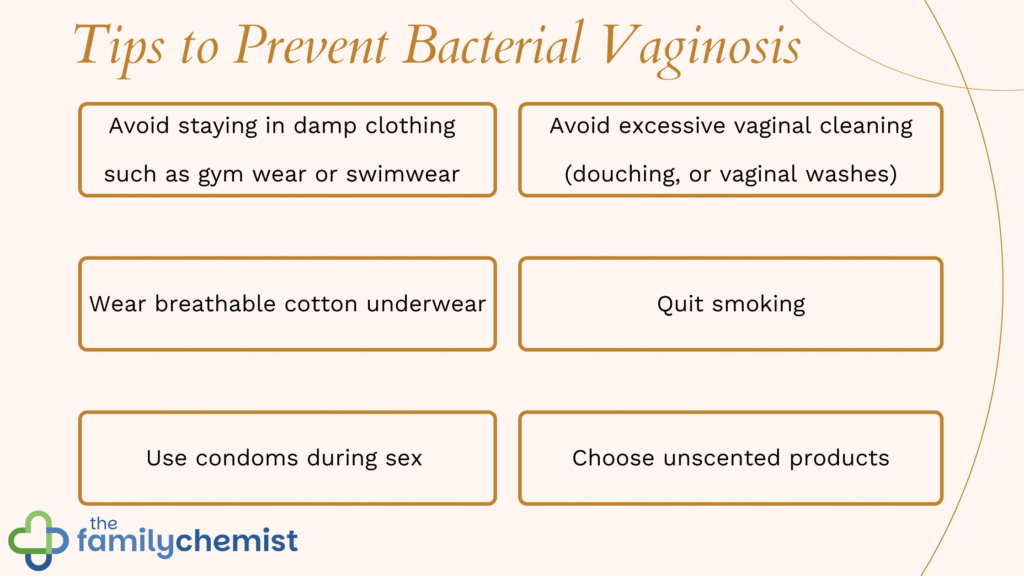
Credit: www.thefamilychemist.co.uk
Practical Tips For Gym-goers
If you go to the gym often, these tips can help you stay healthy:
- Bring a change of clothes and underwear in your gym bag.
- Use gym towels provided, or bring your own.
- Avoid sitting in sweaty clothes after your workout.
- Wipe down equipment before and after use.
- Consider using powders like cornstarch (not talc) to keep skin dry.
Thrush In Different Body Areas
Thrush does not only affect the genital area. It can also appear in:
- Armpits: Tight tops trap sweat.
- Under breasts: Sports bras can hold moisture.
- Feet: Wet socks and shoes are a risk.
Here’s a table comparing common places thrush can occur and what gym clothes are most related.
| Body Area | Common Gym Clothing | Risk Factor |
|---|---|---|
| Genital Area | Tight leggings, underwear | High |
| Armpits | Tight shirts, synthetic bras | Medium |
| Feet | Non-breathable socks, shoes | High |
| Under Breasts | Sports bras | Medium |

Credit: my.clevelandclinic.org
When To See A Doctor
Some symptoms need medical attention:
- Severe itching or redness
- Pain, swelling, or blisters
- Symptoms lasting more than a week
- Repeated infections
A doctor can confirm if it’s thrush or another problem. They might take a swab or prescribe medicine. Do not feel embarrassed—these infections are very common.
How Clothing Choices Affect Other Skin Infections
Yeast is not the only problem with sweaty gym clothes. You can also get:
- Jock itch: A fungal infection, very similar to thrush
- Bacterial infections: Like folliculitis (infected hair follicles)
- Heat rash: From blocked sweat glands
All these are more common when clothes are tight, synthetic, and wet.
Special Considerations For Athletes
If you are an athlete, you might work out more often or for longer times. This raises your risk for thrush and other skin issues. Coaches and trainers should advise athletes to:
- Change clothes between sessions
- Use shower shoes in locker rooms
- Wash and dry uniforms fully
- Rotate shoes to let them dry out
Athletes who share equipment or spend time in pools need to be even more careful.
Can Certain Detergents Or Laundry Habits Make Things Worse?
Laundry choices matter too. Using fragrance-heavy detergents can irritate skin. Not drying clothes completely leaves them damp, a perfect place for yeast to grow. Wash gym clothes in hot water and dry them fully.
Some people use a vinegar rinse to kill yeast spores, but this is not a replacement for hot water washing.
The Role Of Immune Health
Your immune system helps keep yeast under control. If you are sick, stressed, or have another condition, you are more likely to get thrush from sweaty clothes. Taking care of your overall health is just as important as your clothing choices.
Two Non-obvious Insights
- Gym Bag Hygiene: Many people forget to clean their gym bags. Dirty bags can transfer yeast and bacteria back to clean clothes. Wash or wipe down your gym bag every week.
- Underwear Style Matters: Thong underwear, often worn under leggings, can increase friction and trap sweat. Choose full-coverage styles made from breathable fabrics for better protection.
How To Build A Thrush-safe Gym Routine
- Plan your workouts so you can shower soon after.
- Keep a spare set of clothes and underwear in your bag.
- Schedule laundry days to ensure you always have clean gym clothes.
- Track any skin changes in a notebook or phone. Early signs are easier to treat.
How To Talk About Thrush Without Embarrassment
Talking about yeast infections can feel awkward. But remember, they are common and nothing to be ashamed of. If you are unsure how to bring it up with your doctor or gym friends, you can say:
- “I have noticed some irritation after workouts. Is this normal?”
- “Do you have any tips for keeping skin healthy at the gym?”
You may be surprised how many people face the same problems.
Summary: Do Gym Clothes Cause Thrush?
So, can gym clothes cause thrush? The answer is: Not directly, but they can make it much more likely. Tight, non-breathable, or sweaty clothes create a perfect environment for yeast to grow—especially if you do not change and wash them quickly.
To lower your risk:
- Choose breathable fabrics
- Change and wash clothes often
- Practice good hygiene
If you ever have symptoms, do not wait—get checked and treated. There’s no reason to let a common problem like thrush get in the way of your fitness goals.
For more on skin infections and prevention, check resources like the Centers for Disease Control and Prevention.
Frequently Asked Questions
Can Men Get Thrush From Gym Clothes?
Yes, men can develop thrush, especially in areas like the groin if they wear tight, sweaty clothes. While less common than in women, men can still have redness, itching, or a rash due to yeast overgrowth.
Are Synthetic Gym Clothes Always Bad For Thrush?
Not always, but synthetic fabrics are more likely to trap heat and moisture. Some newer fabrics are designed to breathe better, but natural fabrics like cotton are usually safer for people prone to thrush.
How Soon Should I Change After Working Out To Avoid Thrush?
As soon as possible. Ideally, change out of sweaty gym clothes within 30 minutes after your workout. The longer you wait, the higher your risk.
Can Washing Gym Clothes In Cold Water Remove Yeast?
Cold water does not kill yeast as well as hot water. Use hot water and let clothes dry completely before wearing them again to reduce the risk of infection.
Does Wearing Underwear Under Gym Leggings Help Prevent Thrush?
Yes, wearing breathable cotton underwear adds a layer that absorbs sweat and reduces friction, lowering your risk of thrush. Avoid skipping underwear, especially with tight leggings or shorts.
With the right choices and habits, you can enjoy your workouts without worrying about thrush. Stay aware, stay clean, and keep moving!

Credit: azoproducts.com
