

Can Gym Clothes Cause BV? What Every Woman Should Know
Can Gym Clothes Cause Bv?
Hitting the gym is a great way to stay healthy, but many women have quietly wondered if their workout clothes might be behind some less-welcome side effects—like bacterial vaginosis, or BV. If you've ever felt discomfort, noticed an unusual odor, or experienced irritation after exercise, you might question if your leggings or shorts are to blame. The truth is, the relationship between gym attire and BV is complex, but understanding it can help you protect your health without giving up your favorite fitness routine.
This article dives deep into the science and practical realities of gym clothes, sweat, and their connection to bacterial vaginosis. You'll learn what BV is, how it develops, and why your choice of clothing matters. We'll also cover prevention, healthy gym habits, and what to do if you notice symptoms.
If you care about your health and love being active, this guide offers clear, straightforward advice you can use right away.
What Is Bacterial Vaginosis?
Bacterial vaginosis is a common vaginal infection caused by an imbalance in the normal bacteria that live in the vagina. Normally, lactobacilli (good bacteria) help keep the vagina healthy by maintaining an acidic environment. But when harmful bacteria grow too much, BV can occur.
Some key symptoms include:
- Thin, grayish vaginal discharge
- Fishy or unpleasant vaginal odor
- Mild itching or irritation
- Sometimes, no symptoms at all
BV is not a sexually transmitted infection, but sex can increase your risk. It is also not caused by poor hygiene. Instead, it relates to changes in the vaginal environment. BV is common and treatable, but it can be uncomfortable and may increase the risk of other health problems if left untreated.
How Gym Clothes Could Affect Bv
You might wonder, "How can something I wear cause a vaginal infection?" The answer lies in how gym clothes interact with your body's natural environment.
Moisture And Heat: The Perfect Storm
When you exercise, you sweat. Tight, non-breathable clothing can trap moisture and heat around your genital area. This warm, damp environment can encourage the growth of certain bacteria, including those that upset your vagina’s natural balance.
Fabric Choices Matter
Synthetic fabrics like polyester and nylon are common in athletic wear because they stretch and wick away sweat. However, these materials can sometimes hold moisture close to the skin instead of letting it evaporate. Cotton, on the other hand, is more breathable and absorbs moisture, which can help keep you dry.
Tightness And Friction
Clothes that are very tight—like leggings, yoga pants, or bike shorts—can increase friction and irritation. This can disturb the skin and the vaginal area, making it easier for bad bacteria to grow.
Hygiene Habits
Leaving sweaty clothes on for long periods after a workout gives bacteria more time to multiply. Changing out of gym clothes quickly and showering can help prevent this problem.
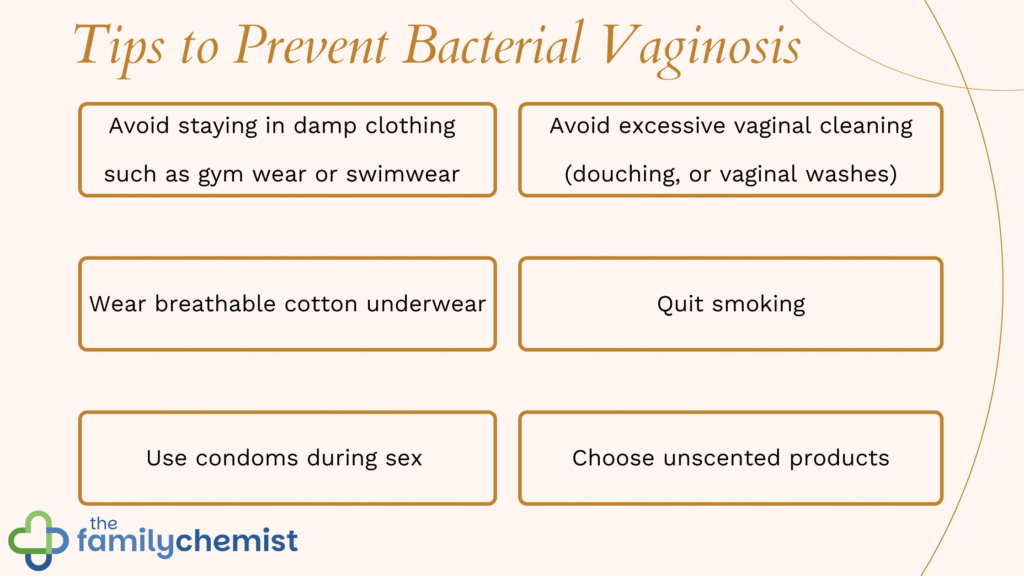
Credit: www.thefamilychemist.co.uk
What Science Says About Gym Clothes And Bv
Researchers have studied how clothing and hygiene habits affect vaginal health. While there's no direct evidence that gym clothes alone cause BV, studies show that moisture, heat, and skin irritation are important risk factors for vaginal infections.
One research review found that tight, non-breathable clothing is linked to a higher risk of vaginal irritation and infections. Another study on athletic women showed that those who stayed in sweaty clothes for hours were more likely to report vaginal discomfort and odor.
It's important to know that BV develops from a mix of factors, not just one. Sexual activity, douching, antibiotics, and hormonal changes also play a role. But your clothing choices—and how you care for them—are factors you can control.
Comparing Gym Clothing Materials
Understanding which fabrics are best for vaginal health can help you make better choices. Here’s how some common materials compare:
| Fabric Type | Moisture Absorption | Breathability | Risk for BV (If Not Changed Promptly) |
|---|---|---|---|
| Cotton | High | Good | Low |
| Polyester | Low | Poor | Higher |
| Nylon | Medium | Fair | Moderate |
| Spandex | Low | Poor | Higher |
| Bamboo | Good | Excellent | Low |
Cotton and bamboo fabrics are the best for breathability and moisture absorption, which means they help keep the vaginal area dry and less friendly to harmful bacteria.
Common Gym Habits That Increase Bv Risk
Certain habits can make BV more likely, especially when combined with gym clothes. Here are some practices that may raise your risk:
- Wearing sweaty clothes for hours after exercise
- Not showering soon after a workout
- Re-wearing unwashed gym clothes
- Using strong detergents or fabric softeners that irritate skin
- Sitting in wet swimsuits after swimming
- Sharing towels or gym equipment without cleaning
Many women don’t realize that even small delays in changing clothes or showering can make a difference. The longer you stay in sweaty, tight clothing, the more likely bacteria will multiply.
How To Choose Gym Clothes To Lower Bv Risk
Making smart choices about your athletic wear can help keep you comfortable and healthy.
Tips For Picking The Right Gym Clothes
- Choose breathable fabrics: Cotton and bamboo are best. Some athletic brands now offer moisture-wicking, breathable blends.
- Pick clothes that fit well: Avoid clothing that is extremely tight in the crotch area. Look for a comfortable fit that allows airflow.
- Change quickly: Always change out of sweaty clothes as soon as possible.
- Wash clothes after each use: Don’t re-wear gym clothes without washing. Bacteria can survive on fabric.
- Consider cotton underwear: Even if your leggings are synthetic, wearing cotton underwear underneath adds a layer of protection.
Comparing Popular Gym Wear Brands
Some brands focus on performance, others on breathability. Here’s a look at how a few popular types compare:
| Brand/Type | Main Fabric | Breathability | Moisture Management |
|---|---|---|---|
| Lululemon Align | Nylon/Spandex | Moderate | Good |
| Old Navy Active | Polyester/Spandex | Poor | Moderate |
| Organic Basics | Organic Cotton | Excellent | High |
| Adidas Aeroready | Recycled Polyester | Poor | Good |
| Bamboo Sportswear | Bamboo Viscose | Excellent | High |
While high-performance synthetic fabrics are designed to wick sweat, they don’t always allow skin to breathe as well as natural fibers. If you’re prone to vaginal infections, this is worth considering.
:max_bytes(150000):strip_icc()/how-to-stop-recurring-bacterial-vaginosis-5323943-final-ee4de0ebaf6041d4be8b17d08d34d915.png)
Credit: www.verywellhealth.com
Good Hygiene Practices At The Gym
Keeping your vaginal health strong isn’t just about what you wear—how you care for yourself before, during, and after workouts matters too.
Before Your Workout
- Wear clean clothes: Always start with freshly washed gym clothes and underwear.
- Skip scented products: Avoid using scented pads, panty liners, or sprays near your vagina. These can irritate the area and upset the natural balance.
During Your Workout
- Use a clean towel: Bring your own towel to wipe sweat and create a barrier between your skin and gym equipment.
- Stay hydrated: Drinking water helps your body regulate temperature and may reduce the amount you sweat.
After Your Workout
- Change immediately: The sooner you get out of sweaty clothes, the better.
- Shower with gentle soap: Use warm water and a mild, unscented soap for the external area only. Do not douche or use harsh cleansers inside the vagina.
- Dry thoroughly: Pat the vaginal area dry before putting on new clothes.
Laundry Tips
- Wash gym clothes in hot water: This kills most bacteria and fungi.
- Avoid strong detergents: Pick mild, fragrance-free detergents to reduce irritation.
- Fully dry clothes: Make sure all items are completely dry before wearing again.
Many women overlook laundry habits, but these can make a big difference. Bacteria can linger in damp or poorly washed fabrics.
Non-obvious Insights On Gym Clothes And Bv
Some factors are not obvious, especially to beginners:
- Seam placement matters: Some leggings and shorts have seams that run directly against the vulva. This can increase friction, irritation, and risk of infection—especially during high-movement activities.
- Panty liners and pads trap moisture: Many women wear liners for sweat, but these products often have plastic backings that block airflow and keep moisture close to the skin.
- Not all "moisture-wicking" is equal: Some synthetic fabrics wick sweat from the skin but don’t let it evaporate quickly, keeping the area damp.
- Gyms can harbor germs: Shared equipment, benches, and mats can transfer bacteria to clothing. Always use a towel as a barrier.
- Hormonal fluctuations affect risk: During parts of your menstrual cycle, your vaginal environment is more sensitive. You might need to be extra careful with clothing and hygiene at these times.
Who Is Most At Risk For Bv From Gym Clothes?
While any woman can develop BV, certain groups are more vulnerable:
- Women with a history of BV: If you've had BV before, you’re more likely to get it again, especially with poor hygiene or tight, synthetic clothing.
- Women who sweat a lot: Some people naturally sweat more, making moisture control harder.
- Those with sensitive skin: Irritation from fabrics or detergents can disrupt the vaginal barrier.
- Athletes: Daily training and long hours in workout gear increase exposure to sweat and bacteria.
If you fall into one of these groups, taking extra steps to protect your vaginal health is wise.
What To Do If You Suspect Bv
If you notice symptoms like unusual discharge, odor, or itching after exercise, it’s important not to panic. Most cases are mild and treatable. Here’s what you should do:
- Change clothes and shower: Remove sweaty gym clothes as soon as possible and wash the area gently.
- Monitor symptoms: If they go away within a day or two, you may not need treatment.
- See a healthcare provider: If symptoms persist, get checked. Only a doctor can diagnose BV and recommend the right treatment.
- Complete any prescribed treatment: Finish your medication even if symptoms improve.
- Avoid douching or home remedies: These can make the problem worse.
BV is common and nothing to be ashamed of. Prompt care helps prevent complications.
How To Prevent Bv While Staying Active
You don’t have to give up your workout routine to stay healthy. Here’s a summary of the most effective prevention steps:
- Wear loose-fitting, breathable clothing as often as possible.
- Change out of gym clothes immediately after exercise.
- Shower soon after workouts with gentle, unscented products.
- Choose cotton underwear or natural fiber blends.
- Avoid panty liners and pads unless needed for menstruation.
- Wash gym clothes after each use and let them dry fully.
- Don’t sit in wet swimsuits for long periods.
- Bring your own towel to the gym and use it on equipment.
- Listen to your body: If you notice irritation, change your habits or clothing choices.
Small changes can make a big difference in your comfort and health.
The Role Of Diet And Lifestyle
While gym clothes and hygiene are important, your overall health also affects your risk of BV.
- Eat a balanced diet: Probiotic-rich foods like yogurt may help support healthy vaginal bacteria.
- Stay hydrated: Water flushes toxins and supports your body’s natural defenses.
- Manage stress: High stress can disrupt hormonal balance, making infections more likely.
- Get enough sleep: Rest helps your immune system function well.
Lifestyle changes support your body in fighting off infections, not just BV.
When To See A Doctor
Most mild irritation or odor after exercise can be managed at home. But you should see a healthcare provider if:
- Symptoms last more than a few days
- You notice pain, burning, or severe itching
- You see blood (outside of your period)
- You’re pregnant or have a weakened immune system
- You have frequent or recurring BV
Proper diagnosis and treatment can prevent complications like pelvic inflammatory disease or problems during pregnancy.
Debunking Common Myths About Bv And Gym Clothes
Many women believe myths that can make the problem worse. Here are the facts:
- Myth: Only dirty people get BV.
Fact: BV is not caused by poor hygiene. Over-cleaning can actually make it worse.
- Myth: You should always wear panty liners when working out.
Fact: Liners can trap moisture and increase infection risk.
- Myth: Synthetic fabrics are always bad.
Fact: Some blends are breathable and okay for short periods, but cotton is best for long wear.
- Myth: Douching prevents infections.
Fact: Douching upsets the vaginal balance and raises BV risk.
- Myth: If you get BV, you must stop exercising.
Fact: You can keep working out—just practice better hygiene and clothing choices.
Understanding the truth helps you make smarter decisions for your health.
Other Gynecological Issues Linked To Gym Clothes
BV isn’t the only concern with workout attire. Other issues include:
- Yeast infections: Like BV, these thrive in warm, moist conditions and can be triggered by synthetic fabrics and sweat.
- Folliculitis: Sweat and tight clothes can cause hair follicle irritation, leading to small red bumps.
- Chafing and rashes: Friction from seams or tightness can cause uncomfortable rashes in the groin area.
- UTIs (Urinary Tract Infections): Although not directly caused by gym clothes, sweaty fabrics can increase the risk if bacteria move from the anus to the urethra.
Good hygiene and fabric choices help prevent all of these.
Real-life Example: A Case Study
Consider this scenario: A woman who works out five days a week starts experiencing a strong, fishy odor and grayish discharge after each gym session. She wears tight polyester leggings and waits an hour before showering. Her doctor diagnoses BV and advises her to switch to cotton underwear, wear looser shorts, and change immediately after workouts. She also uses a prescribed cream. Within a week, her symptoms are gone and do not return when she follows these habits.
This example shows how simple changes in gym clothing and hygiene can make a big difference.
Summary Table: Bv Risk Factors Related To Gym Habits
To wrap up, here’s a quick overview of how gym habits affect BV risk:
| Habit | BV Risk Level | Prevention Tip |
|---|---|---|
| Wearing tight, synthetic leggings | High | Switch to cotton or bamboo blends |
| Staying in sweaty clothes | High | Change and shower right after exercise |
| Using scented laundry products | Moderate | Choose fragrance-free detergents |
| Re-wearing unwashed gym clothes | High | Wash after each use |
| Wearing panty liners for sweat | Moderate | Use only when necessary |
Frequently Asked Questions
Can Leggings Or Tight Gym Pants Directly Cause Bv?
Leggings or tight gym pants don't directly cause BV, but they can create a warm, moist environment that encourages the growth of bacteria linked to BV. If you wear tight synthetic pants for long periods, your risk of BV goes up—especially if you don’t change or shower soon after working out.
Is It Safe To Wear Synthetic Gym Clothes If I Have Sensitive Skin?
Synthetic gym clothes can irritate sensitive skin, especially if they’re tight or trap moisture. If you have sensitive skin, choose breathable, natural fabrics like cotton or bamboo, and avoid re-wearing unwashed items. Always change and shower after workouts to protect your skin.
Does Wearing Underwear Under Gym Clothes Make A Difference?
Yes. Wearing cotton underwear under gym leggings can add a layer of protection by absorbing sweat and allowing better airflow. This helps reduce moisture and lowers the risk of BV. Just make sure to change underwear after each workout and avoid tight, synthetic options.
How Soon Should I Change After Exercise To Prevent Bv?
Change out of sweaty gym clothes as soon as you finish your workout—ideally within 15–30 minutes. The longer you stay in damp, tight clothing, the higher your risk for BV and other infections. Showering right away is best.
Are There Any Resources For More Information On Bv And Vaginal Health?
Yes, reputable sources like the Centers for Disease Control and Prevention offer detailed, up-to-date information on BV, symptoms, prevention, and treatment.
Protecting your health doesn’t mean giving up exercise or your favorite gym clothes. With the right choices and habits, you can stay comfortable, active, and BV-free. Listen to your body, keep your routine clean, and don’t hesitate to ask your doctor for advice if you notice changes.
Your health is worth it.

Credit: happyv.com
