

Can Gym Clothes Be Used for Swimming? Pros, Cons, and Tips
Can Gym Clothes Be Used For Swimming
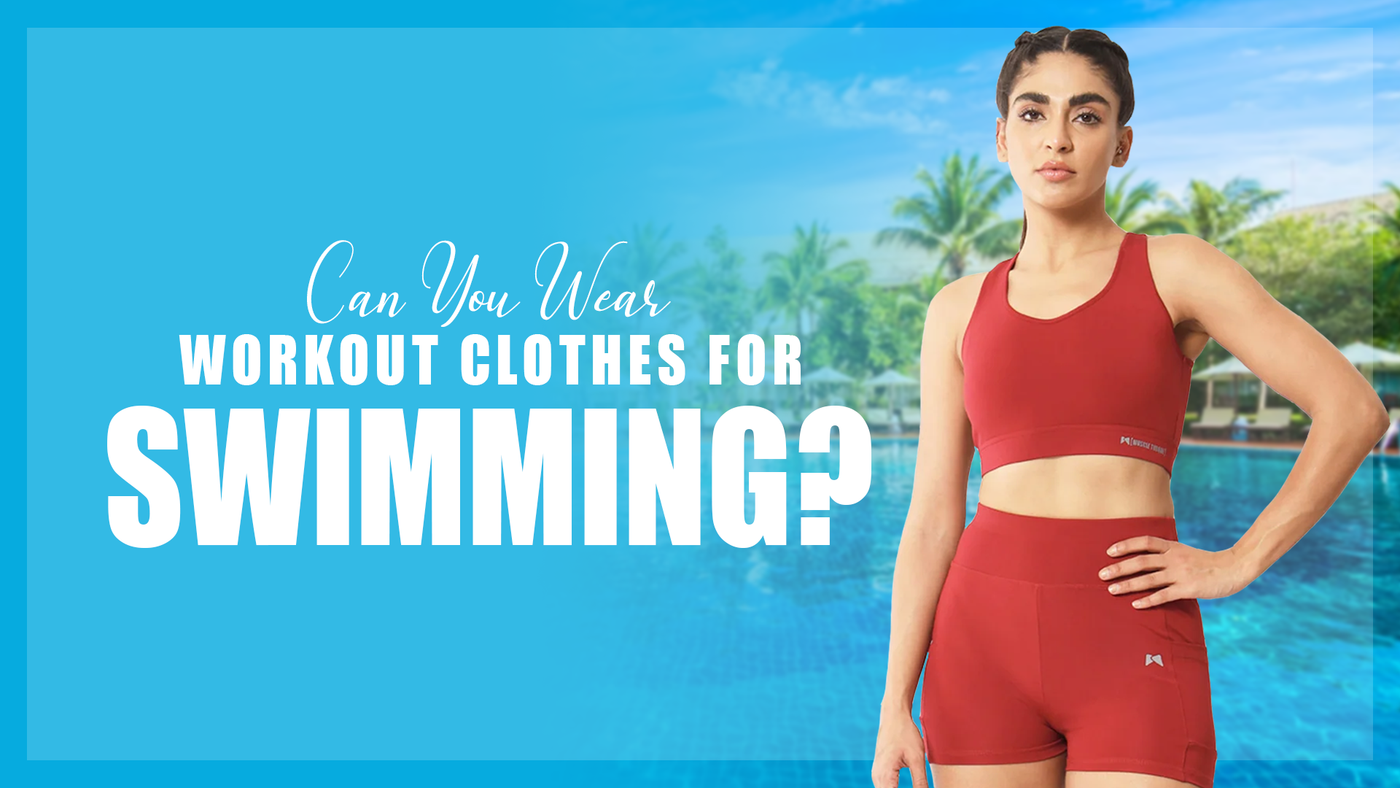
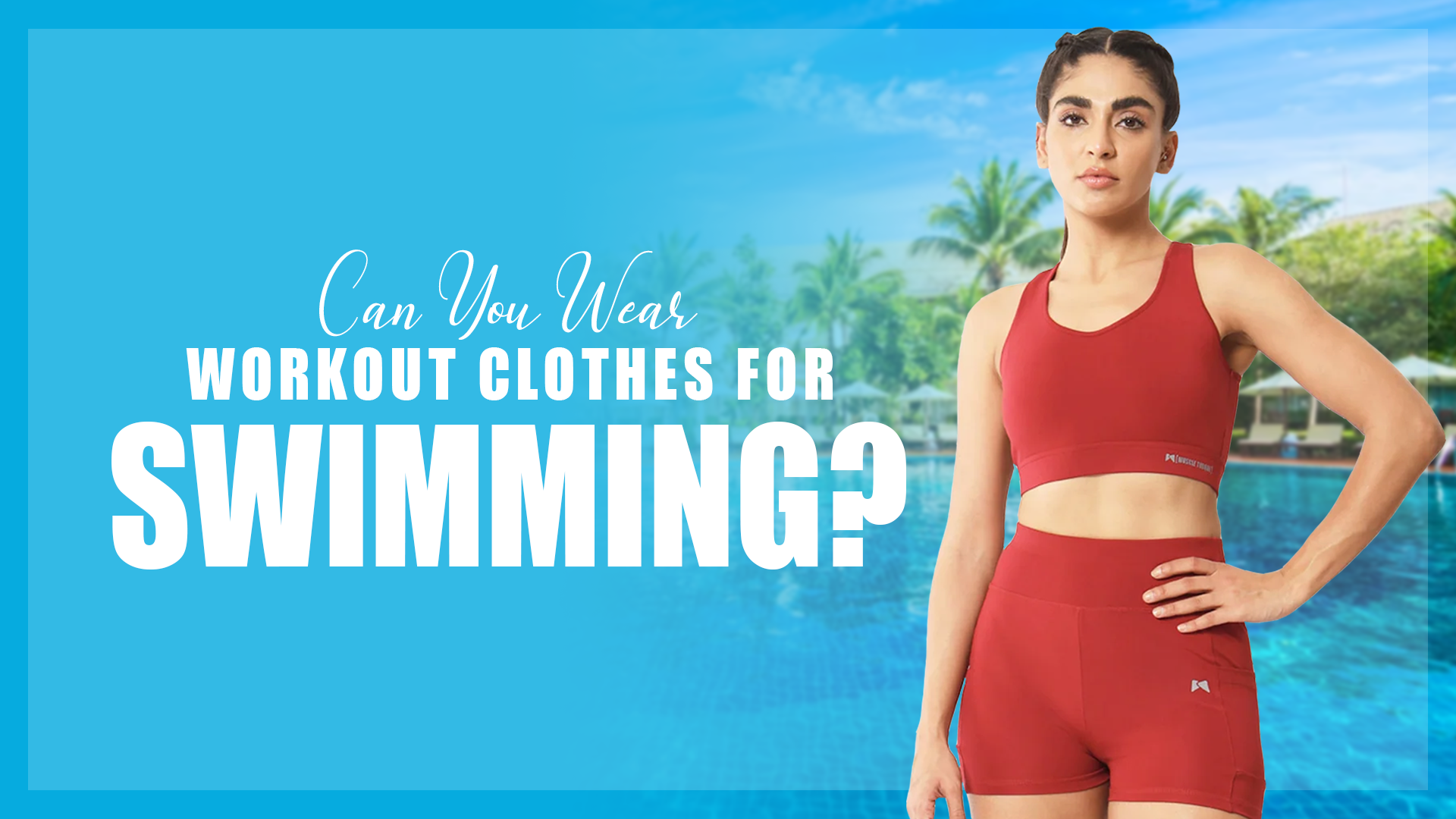
Have you ever stood at the edge of a pool, wearing your favorite gym t-shirt and shorts, and wondered, “Can gym clothes be used for swimming?” This question pops up for many people, especially when a swimsuit isn’t available or you want to save money. Gym clothes are everywhere: they’re comfy, easy to move in, and most of us already own a few pairs. But do they really work in the water? And what could go wrong if you decide to jump in wearing them?
Understanding the differences between gym wear and swimwear is important for your safety, comfort, and the longevity of your clothes. While both are made for physical activities, their purpose, design, and materials are quite different. This article breaks down everything you need to know before you swap your swim trunks for gym shorts at the pool, lake, or beach.
You’ll learn about material science, safety, hygiene, pool rules, and even the environmental impact. If you want to make an informed choice, keep reading. You might be surprised by some of the hidden details most beginners never consider.
Key Differences Between Gym Clothes And Swimwear
At first glance, gym clothes and swimwear might look similar. Both are designed for movement, comfort, and sometimes style. However, when you take a closer look, their differences become clear.
Materials And Fabric Technology
Gym clothes are usually made from cotton, polyester, spandex, or blends of these. The fabrics are chosen for breathability, stretch, and moisture-wicking—great for handling sweat, not water. Swimwear, on the other hand, uses special materials like nylon, Lycra, or polyester blends that can handle being submerged in water for long periods. These fabrics are lightweight, quick-drying, and resist chlorine and salt damage.
A simple comparison:
| Feature | Gym Clothes | Swimwear |
|---|---|---|
| Primary Fabric | Cotton, Polyester, Spandex | Nylon, Lycra, Polyester blends |
| Chlorine Resistance | Poor | Good |
| Drying Speed | Slow to Moderate | Fast |
| Stretch in Water | Can sag or lose shape | Maintains fit |
| UV Protection | Usually low | Often built-in |
Design And Function
Gym clothes are designed for land-based activities like running, lifting, or cycling. They often have seams, pockets, zippers, and loose fits for freedom of movement and cooling. Swimwear is streamlined to reduce drag in water, often with flat seams or no seams at all. The fit is usually snug to avoid ballooning or slipping off in the pool.
Durability In Water
Gym fabrics are not designed for constant exposure to chlorine, salt, or the friction caused by moving in water. Over time, these elements break down fibers, causing colors to fade, fabrics to lose shape, and even to tear. Swimwear fabrics are made to resist these effects, lasting much longer in water environments.
What Happens When You Swim In Gym Clothes?
Jumping into the water with your gym shorts and shirt might seem harmless, but several things can happen that you might not expect.
Water Absorption And Weight
Most gym clothes, especially those with cotton, absorb a lot of water. When wet, they become heavy and cling to your body. This can make swimming much harder because you have to fight against the extra weight and drag. In some cases, this added weight can increase the risk of fatigue or even drowning, especially for beginners or weak swimmers.
Drag And Mobility
Wet gym clothes create a lot of drag in the water. This means you have to work harder to move. Gym shorts can balloon out, and t-shirts can stick to your skin in odd ways, making it difficult to swim efficiently or even float properly.
Comfort And Chafing
Wet seams, tags, and loose fabric can rub against your skin, causing chafing and discomfort. Swimwear designs avoid these problems by using flat seams or seamless construction, reducing the risk of skin irritation, especially during long swims.
Drying Time
After swimming, gym clothes take much longer to dry than swimwear. This can be uncomfortable if you need to change quickly or if you’re outdoors and want to stay warm.
Wear And Tear
Chlorine in pools or salt in the sea damages gym fabrics quickly. You’ll notice fading colors, stretched-out shapes, and even holes after a few uses. Swimwear is built to resist these effects, so it lasts much longer.
Credit: muscletorque.shop
Safety Considerations
Safety is the most important factor when deciding what to wear in the water. Many people don’t realize how much clothing can affect their ability to swim or stay safe.
Increased Drowning Risk
The extra weight and drag from wet gym clothes can make swimming difficult. For strong swimmers, it might just be a workout. For others, it can mean real danger. If you get tired or caught in a current, heavy clothes can pull you down.
Reduced Mobility
Gym clothes may restrict your arm and leg movements, especially when they stick to your skin or balloon out. This makes it harder to perform swimming strokes or even float on your back.
Slipping Hazards
Getting out of the pool or walking on slippery surfaces in wet gym clothes increases your risk of slipping and falling. The heavy, loose fabric can get caught or tangled, especially with gym shorts that have pockets or drawstrings.
Emergency Situations
In emergencies, every second counts. If you need to remove your clothes quickly (for example, if they get snagged or stuck), gym clothes are much harder to take off when wet compared to streamlined swimwear.
Hypothermia Risk
Wet cotton gym clothes can hold cold water against your skin. This pulls heat away from your body, increasing the risk of hypothermia in cooler water or windy conditions.
Hygiene And Health Impacts
Many public pools and water parks have strict rules for what you can wear in the water, and hygiene is a big reason why.
Trapping Dirt And Bacteria
Gym clothes are usually worn for sweating and exercise. Even if they look clean, they can hold onto oils, dirt, and bacteria. When these get into the pool, they can affect water quality and lead to infections or rashes for you and other swimmers.
Pool Filtration Problems
Loose threads, fibers, or lint from gym clothes can clog pool filters. This increases cleaning costs and can even shut down pools temporarily for maintenance.
Spreading Contaminants
If you’ve worn your gym clothes outside, they may carry small pieces of grass, dirt, or other debris. This can end up in the pool, making the water dirty and affecting everyone’s experience.
Chemical Reactions
Some gym fabrics react badly with chlorine, releasing chemicals into the water. These can irritate your skin or cause allergic reactions.
Pool And Water Park Rules
If you plan to swim in a public pool, water park, or hotel, it’s important to know the rules. Most facilities have clear policies for what you can and cannot wear in the water.
Common Rules
- Only swimwear allowed: Most places require you to wear proper swimwear made from approved materials.
- No street clothes: Gym shorts, t-shirts, and leggings are usually not allowed.
- No loose or baggy clothing: To prevent entanglement and reduce risk.
- No cotton fabrics: Cotton absorbs water, holds bacteria, and sheds fibers.
Reasons For The Rules
- Safety: To prevent accidents.
- Hygiene: To keep the water clean.
- Equipment protection: To avoid clogging filters or damaging pumps.
If you break these rules, you might be asked to leave or not allowed into the water. Some pools may even fine or ban repeat offenders.
Environmental Impact
It’s easy to forget that what we wear in the pool can affect the environment, but it does.
Microfiber Pollution
When gym clothes made from synthetic fibers like polyester are worn in water, they can shed microfibers. These tiny plastic particles are too small to be filtered out by most pool or wastewater treatment systems. They eventually end up in rivers, lakes, and oceans, harming fish and other wildlife.
Chemical Leaching
Some gym clothes have dyes, coatings, or chemicals that are not meant for water use. When these fabrics are exposed to chlorine or salt, the chemicals can leach out, adding to water pollution.
Waste From Damaged Clothes
Because gym clothes are damaged quickly in pools, they need to be replaced more often. This creates more textile waste, which often ends up in landfills.
Credit: muscletorque.shop
Special Situations: When Gym Clothes Are Used For Swimming
There are some situations where people do swim in gym clothes, but these are usually for special reasons.
Survival Training
Some swimming lessons and lifeguard training classes teach people to swim in clothes to prepare for real-life emergencies. The idea is to practice swimming with extra weight and drag, so you’re better prepared if you ever fall into water fully dressed.
Water Sports And Activities
Some water sports allow or require special types of clothing, like rash guards or athletic shirts. These are designed to handle water and provide extra sun protection, but they are not the same as regular gym clothes.
Modesty Or Religious Reasons
People from certain cultures or religions may wear t-shirts, leggings, or shorts over their swimwear for modesty. In these cases, many companies offer special swimwear that looks like gym clothes but is made from proper swimming materials.
Lack Of Access
In some places, people use gym clothes for swimming because they don’t have access to proper swimwear. While this is understandable, it’s important to be aware of the risks and to look for alternatives if possible.
The Science Behind Swimwear Materials
Why are swimwear fabrics so different from gym clothes? The answer lies in material science.
Nylon And Lycra
Nylon is strong, lightweight, and dries quickly. It keeps its shape even after many uses in water. Lycra (also called Spandex) adds stretch, making swimwear fit snugly without feeling tight. These materials resist chlorine and UV rays, so they last longer.
Polyester Blends
Modern swimwear often uses polyester blends. These are very resistant to chlorine and UV damage and hold color well. They also dry quickly, making them comfortable to wear in and out of the water.
Features Of Quality Swimwear
- Flat seams: Reduce chafing and irritation
- UV protection: Blocks harmful sun rays
- Quick-drying: Reduces time spent in wet clothes
- Chlorine resistance: Lasts longer in pools
A closer look at performance:
| Material | Chlorine Resistance | Stretch | Drying Speed | Comfort |
|---|---|---|---|---|
| Nylon | Good | High | Fast | Soft |
| Lycra/Spandex | Moderate | Very High | Fast | Excellent |
| Polyester | Excellent | Moderate | Very Fast | Durable |
| Cotton (Gym Clothes) | Poor | Low | Slow | Can cause chafing |
Practical Examples And Real-life Experiences
Hearing from people who have tried swimming in gym clothes can help you understand what to expect.
Example 1: The Heavy Shorts
A beginner swimmer tried using loose cotton gym shorts in a pool. After jumping in, the shorts quickly filled with water, becoming heavy and ballooning out. The swimmer struggled to keep them up and found swimming strokes much harder to perform.
Example 2: Chafing And Discomfort
Someone wore a regular gym t-shirt for a long swim. The shirt clung to their skin, and the seams rubbed against their underarms, causing painful chafing after just 20 minutes.
Example 3: Fast Wear And Tear
A regular gym-goer used polyester gym leggings for a few pool sessions. Within a week, the leggings faded, stretched out, and developed small holes, especially at the seams.
Example 4: Pool Rules Enforcement
At a public pool, a person tried to swim in a gym tank top and shorts. The lifeguard stopped them and explained that only swimwear was allowed for safety and hygiene reasons.
These real-life examples show that while it’s possible to swim in gym clothes, it’s rarely a good experience.
What To Do If You Don’t Have Swimwear
If you find yourself at the pool without a swimsuit, you do have some options.
- Ask the facility: Some pools rent or sell proper swimwear at the front desk.
- Look for alternatives: Athletic brands now make modest swimwear and rash guards that look like gym clothes but are made for swimming.
- Buy affordable swimwear: Many stores offer inexpensive swimsuits that are safer and more comfortable than gym clothes in the water.
- Plan ahead: Keep a spare swimsuit in your gym bag or car so you’re always ready.

Credit: olaben.com
Common Myths About Swimming In Gym Clothes
Many people believe it’s okay to swim in gym clothes because “they’re made for exercise. ” Here are some myths and the facts behind them.
- Myth: “Polyester gym shorts are the same as swim trunks.”
- Fact: Swim trunks use special polyester blends that resist chlorine and dry faster than normal gym shorts.
- Myth: “My gym shirt wicks away moisture, so it’s fine for swimming.”
- Fact: Moisture-wicking technology is designed for sweat, not for full water immersion.
- Myth: “No one will notice if I wear gym clothes in the pool.”
- Fact: Lifeguards and staff are trained to spot non-swimwear for safety and hygiene reasons.
- Myth: “Wearing gym clothes is safer because there’s more coverage.”
- Fact: More fabric can actually increase the risk of drowning if it gets heavy and restricts movement.
The Cost Factor: Saving Money Vs. Staying Safe
Many people use gym clothes for swimming to save money. However, this choice can end up costing more in the long run.
- Damaged gym clothes: Chlorine and saltwater ruin gym clothes quickly, meaning you’ll have to replace them sooner.
- Fines or fees: Some pools charge fees for breaking dress code rules.
- Health risks: Skin irritation, infections, or accidents can lead to medical costs.
Buying a simple swimsuit is usually cheaper and safer in the long run.
Special Considerations For Children
Children are especially at risk when swimming in gym clothes.
- Extra weight: Wet clothes can be too heavy for kids, making it harder for them to swim or stay afloat.
- Supervision: Lifeguards may not allow children to enter the pool in gym clothes due to higher risk.
- Comfort: Kids may not notice discomfort or chafing until it’s too late.
Always choose proper swimwear for children to keep them safe and comfortable.
Comparing Gym Clothes And Swimwear: Quick Reference
For a quick guide, here’s a summary of key points:
| Feature | Gym Clothes | Swimwear |
|---|---|---|
| Water Absorption | High | Low |
| Drying Time | Slow | Fast |
| Comfort in Water | Low | High |
| Durability in Chlorine | Poor | Excellent |
| Risk Level | Higher | Lower |
| Allowed in Public Pools | Usually No | Yes |
Two Non-obvious Insights Beginners Miss
- Chlorine and Salt Shorten Lifespan: Gym clothes may look fine after one swim, but their fibers are silently breaking down. Even if you rinse them, repeated exposure to pool chemicals or saltwater will make them lose shape and color much faster than you expect.
- False Sense of Security: Gym clothes can make you feel more covered, but in the water, loose fabric can tangle around your arms or legs. This is especially dangerous if you panic or get tired in deep water, and can even trap you if caught on pool equipment.
Confident Guidance: What Should You Do?
If you care about safety, comfort, and getting the most out of your clothing, stick to proper swimwear for swimming. Gym clothes are great for the gym, but they fall short in the water. Investing in a swimsuit is a small cost for much greater safety, better hygiene, and a more enjoyable experience.
If you’re interested in the science behind clothing materials, you can read more from the Wikipedia Swimsuit Entry.
Frequently Asked Questions
Why Aren’t Gym Clothes Allowed In Public Pools?
Public pools want to protect swimmers’ safety and keep the water clean. Gym clothes absorb more water, carry dirt and bacteria, and shed fibers, which can damage pool equipment and reduce water quality. Swimwear is designed to avoid these problems.
Can I Wear Gym Leggings Or Yoga Pants For Swimming?
While gym leggings may feel comfortable, they are not made for swimming. They absorb water, become heavy, and can restrict movement. Swim leggings made from proper materials are a safer choice.
What Should I Do If I Forgot My Swimwear?
Check if the pool rents or sells swimwear. Otherwise, it’s best not to swim until you have proper swimwear. Some pools may allow you to swim in quick-drying athletic shirts made for water use, but always ask first.
Are There Any Gym Clothes Designed For Both Land And Water?
Some brands make hybrid clothing, like rash guards or board shorts, that work for both gym and water activities. These are made from quick-drying, chlorine-resistant materials and are labeled for water use.
Is Swimming In Gym Clothes Ever Recommended?
It’s generally not recommended, except for survival training or special situations. For regular swimming, always use proper swimwear for safety, comfort, and hygiene.
Swimming should be safe, enjoyable, and good for your health. Choosing the right clothing is a simple step that makes a big difference.
