

Can Flare Pants Be Altered? Expert Tips for a Perfect Fit
Can Flare Pants Be Altered?
Flare pants have a unique charm that brings personality and style to almost any outfit. Their wide, sweeping bottoms can make legs appear longer and add a touch of drama to your look. But what happens when your flare pants don’t fit just right?
Maybe they’re too long, too loose, or the flare is a bit too bold for your taste. Many people wonder if these striking pants can actually be altered—and if so, how easy or effective the process really is.
Altering flare pants is a common request at tailor shops, but it's not as simple as hemming a straight-leg pair of jeans. The structure, fabric, and even the size of the flare influence what’s possible. With the right approach, flare pants can be customized to fit your unique shape and style preferences. This article will guide you through everything you need to know about altering flare pants: what can be changed, what to watch out for, and how to get the results you want.
Understanding Flare Pants
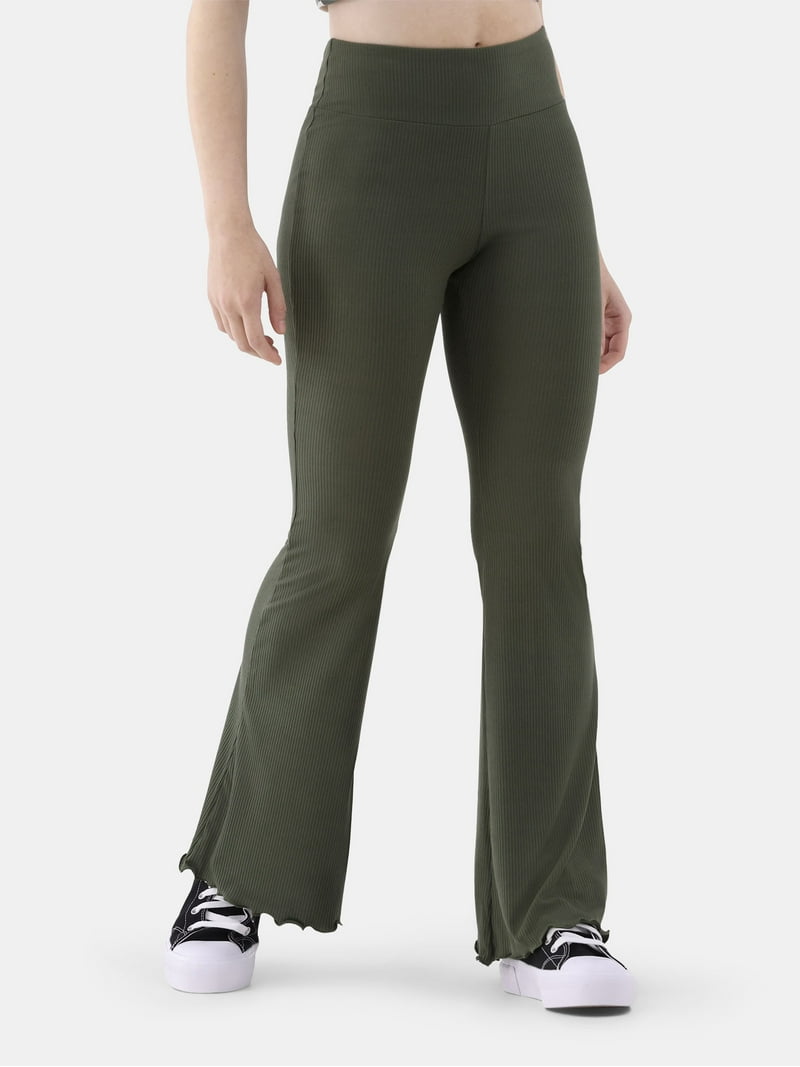
Before considering alterations, it’s important to know what sets flare pants apart from other styles. Flare pants are fitted at the waist and thighs, then widen out from the knee or mid-calf. The degree of flare can range from a subtle bootcut to an exaggerated bell-bottom.
Most flare pants are made from fabrics like denim, polyester blends, or stretchy knits. The choice of material affects how easy it is to alter them and how the final result looks. Denim, for example, is sturdy but can be tricky to adjust without leaving marks, while polyester blends are softer but can be delicate.
The stitching and seam structure also play a key role, especially with wide flares.
Common Reasons For Altering Flare Pants
Many people seek alterations for flare pants for both fit and fashion reasons. Some of the most common motivations include:
- Length adjustment: Flare pants are often designed to be long, but not everyone is the same height. Shortening the hem ensures the pants don't drag on the ground.
- Waist and hip fit: Sometimes, flare pants fit perfectly in the leg but are too loose or tight around the waist or hips.
- Flare width modification: The flare can look overwhelming or underwhelming depending on personal style. It’s possible to make the flare subtler or more dramatic.
- General tailoring: People may want the pants to be more fitted in certain areas or to fix gaping, sagging, or other shape issues.
- Repairing damage: Tears, frays, or worn hems are common issues, especially with floor-length flares.
Understanding the reason for alteration helps in deciding which tailoring method to use and sets realistic expectations for the final look.
What Parts Of Flare Pants Can Be Altered?
Not every part of a flare pant is easy to change, but many areas can be adjusted with skillful tailoring. Here’s a closer look at what’s possible:
Length (hemming)
Shortening flare pants is one of the most frequent alterations. Because the bottom is wider than the top, hemming must be done carefully to maintain the original shape. If done incorrectly, the flare can be lost, or the pants can look uneven.
Waist And Seat Adjustments
The waist and seat (hip area) can often be taken in or let out. Tailors usually open the waistband and resew for a snugger fit. If there’s not enough fabric in the seam allowance, letting out may not be possible.
Reducing Or Increasing The Flare
Some people prefer a more subtle flare. Tailors can taper the pant legs to reduce the width, although this may involve opening up the inseam or outseam and restitching. Increasing the flare is less common and usually requires adding fabric inserts or panels.
Taking In The Thighs
If the pants are too loose around the thighs, they can often be taken in for a slimmer fit. This must be done carefully to maintain the balance and drape of the flare.
Repairing Or Replacing Zippers And Buttons
Broken zippers, buttons, or hook closures are easy fixes and don’t impact the look of the flare.
The Alteration Process: Step-by-step
Altering flare pants involves several steps, whether you’re doing it yourself or working with a professional tailor. Here’s an overview of what happens during a typical alteration:
1. Assessment And Marking
The tailor will ask you to try on the pants. They’ll check the fit, discuss what you want changed, and mark the new hem or adjustment lines with chalk or pins. It’s important to wear the shoes you plan to use with the pants for accurate length measurement.
2. Cutting And Pinning
If shortening, the tailor will cut off any excess fabric. For tapering or reshaping, they’ll pin along the seam lines to indicate where the fabric will be taken in or let out.
3. Sewing
Using a sewing machine (and sometimes by hand for delicate fabrics), the tailor will stitch along the marked lines. They’ll use matching thread and try to replicate the original seam style, especially with denim or visible topstitching.
4. Finishing
The edges are finished to prevent fraying. For denim, a matching hem is important to keep the look authentic. Pressing with an iron sets the new seams.
5. Fitting And Final Adjustments
You’ll try on the pants again. If the fit isn’t perfect, small tweaks are made before the tailor declares the job done.
What Makes Flare Pant Alterations Challenging?
Altering flare pants is more complex than working with straight-leg or skinny pants. Here are some challenges tailors often face:
- Maintaining the flare shape: When shortening, there’s a risk of losing the dramatic flare. The hem must be even and follow the original angle.
- Matching thread and stitching: Especially with denim, thread color and stitch type must match to avoid obvious signs of alteration.
- Pattern and design details: If the pants have embellishments, embroidery, or unique seam lines, these can be disrupted during alteration.
- Fabric limitations: Some fabrics stretch or shrink differently, making it hard to predict the final fit.
Diy Vs. Professional Tailoring
You might be tempted to alter flare pants at home, but is it a good idea? Here’s a comparison to help you decide.
| Aspect | DIY Alteration | Professional Tailoring |
|---|---|---|
| Cost | Lower (just tools and materials) | Higher (labor and expertise) |
| Result Quality | Can vary, risk of mistakes | Consistent, high-quality finish |
| Time | Usually longer, especially for beginners | Faster, often 1-2 days for simple jobs |
| Tools Needed | Sewing machine, thread, pins, scissors, iron | All professional tools included |
| When to Choose | For simple adjustments and practice | For complex or expensive items |
If your flare pants are expensive, have sentimental value, or are made from tricky fabrics, professional tailoring is usually the safer choice.
Types Of Alterations For Flare Pants
Let’s dive into the specific types of alterations and what you should know about each.
Hemming (shortening)
Most flare pants are made intentionally long to suit platform shoes or heels. If you’re shorter or prefer flats, hemming is a must. The challenge is to keep the bottom edge wide and even. A skilled tailor will use a wide hem or sometimes reattach the original hem for a factory-finish look.
Tip: Always wash the pants before hemming to avoid post-alteration shrinking.
Tapering The Legs
Some people find the flare too dramatic. In this case, tailors can make the leg less wide by taking in fabric along the side seams. The result is a pant that’s more bootcut than bell-bottom.
Non-obvious insight: If you taper too much, the pants can lose their balance and hang awkwardly. Always try on after pinning to check the silhouette.
Letting Out Or Taking In The Waist
Flare pants sometimes gap at the back or squeeze at the waist. Letting out or taking in the waistband is possible, but only if there’s enough seam allowance inside. Some pants have extra fabric hidden in the seams, but not all.
Example: Many vintage flares have generous seam allowances, while modern fast-fashion pairs do not.
Adjusting The Flare
If you want a bigger flare, a tailor can add a panel of fabric (a “godet”) to increase the width. This is a dramatic change and works best with matching or contrasting fabric for a unique look.
Repairing Damage
If the flare hem frays or the bottom gets torn, it can be fixed with patching or careful hemming. This is common with pants that drag on the ground.
Choosing The Right Tailor
Not all tailors are familiar with flare pants, especially those with unique designs or vintage pairs. Here’s how to find the right person:
- Look for experience: Ask if the tailor has worked with wide-leg pants before.
- Check reviews or samples: Look at before-and-after photos if possible.
- Discuss your vision: Be clear about how much flare you want to keep.
- Ask about costs: More complex alterations cost more; get a quote before starting.
Cost Of Flare Pant Alterations
Prices can vary based on location, tailor reputation, and the complexity of the job. Here’s a general breakdown:
| Alteration Type | Average Price (USD) | Turnaround Time |
|---|---|---|
| Hemming | $15 – $30 | 1–2 days |
| Waist Adjustment | $20 – $40 | 2–3 days |
| Leg Tapering | $25 – $50 | 2–5 days |
| Adding Flare Panels | $40 – $80+ | Up to 1 week |
| Repair Work | $10 – $25 | 1–2 days |
Non-obvious insight: Some tailors may charge more for designer or heavily embellished pants because they require extra care.
How To Prepare Your Flare Pants For Alterations
To get the best results, take these steps before heading to the tailor:
- Wash your pants: This ensures any shrinking happens before alteration, not after.
- Choose your shoes: The hem length depends on your preferred footwear.
- Try on and mark: Use safety pins or chalk to show your ideal length or fit.
- Discuss details: Be clear about whether you want to keep the original hem, how dramatic you want the flare, and any other preferences.
Bringing reference photos can also help the tailor understand your vision.
What Can’t Be Altered In Flare Pants?
While a lot can be done, some changes are either very difficult or not practical:
- Making pants much larger: If there’s not enough fabric in the seams, letting out is limited.
- Major flare changes: Turning a flare into a skinny pant is rarely successful, as the proportions and pockets are different.
- Complex embellishments: Beading, embroidery, or unique hem details can be damaged during alteration.
- Stretch fabrics: Some stretchy knits don’t hold new seams well and may pucker or lose shape.
When in doubt, ask the tailor what’s possible and what risks are involved.
Common Mistakes When Altering Flare Pants
Many people make errors when altering flare pants, especially when doing it themselves. Avoid these pitfalls:
- Ignoring the flare shape: Cutting the hem straight can ruin the look.
- Using the wrong thread or stitch: Mismatched thread is very visible on denim.
- Skipping pre-wash: Fabric can shrink after the first wash, leading to short pants.
- Over-tapering: Removing too much flare changes the style completely.
- Not checking seam allowances: Trying to let out seams with no extra fabric leads to weak, ugly seams.

Credit: www.ebay.com
Real-life Examples
Hearing real stories helps you understand what to expect.
- Case 1: A woman bought vintage flare jeans that were too long. A local tailor shortened them, keeping the original hem by cutting it off and sewing it back on. The result looked completely original.
- Case 2: A man wanted his high-street flare pants to look more subtle. The tailor tapered the legs slightly, but warned him that too much would make the pants look odd. He was happy with the balance.
- Case 3: Someone tried to adjust their own flare pants at home and accidentally made one leg shorter than the other. A professional had to fix it, but the pants ended up shorter than desired.
How Flare Pants Compare To Other Styles For Alterations
Flare pants are more challenging to alter than most other pant styles. Let’s compare:
| Pant Style | Ease of Hemming | Flare/Shape Adjustments | Risk Level |
|---|---|---|---|
| Flare | Medium (requires skill) | Medium-High | Higher |
| Skinny | Easy | Low | Low |
| Straight-leg | Easy | Medium | Medium |
| Bootcut | Medium | Medium | Medium |
| Wide-leg | Medium | Medium-High | Medium-High |
Altering flare pants requires more attention to detail, especially at the hem and seams, to preserve the original style.
Credit: www.walmart.com
Tips For Getting The Best Results
Follow these tips to get the most from your alteration:
- Communicate clearly: Show the tailor exactly what you want.
- Don’t skimp on quality: Cheap tailors or DIY jobs can lead to poor results.
- Try on during the process: Fittings help catch problems early.
- Be realistic: Not all changes are possible without affecting style or comfort.
- Save fabric scraps: If the tailor cuts extra, keep the scraps in case future repairs are needed.
How To Care For Altered Flare Pants
Once your pants are altered, it’s important to care for them properly:
- Follow washing instructions: Some fabrics need gentle cycles or air drying.
- Iron carefully: Press seams flat, but avoid overheating synthetic blends.
- Check hems and seams: Periodically look for loose threads or fraying.
- Store properly: Hang flare pants to keep their shape, especially after alteration.

Credit: americantall.com
Sustainable Fashion And Flare Pant Alterations
Altering flare pants is not only about style and fit—it’s also a sustainable choice. Instead of buying new pants, you can adjust what you already own. This reduces waste and extends the life of your clothes. Many eco-conscious consumers now see tailoring as a smart way to build a unique, long-lasting wardrobe.
For more on sustainable fashion and tailoring, explore Sustainable Fashion.
Frequently Asked Questions
Can All Flare Pants Be Shortened Without Losing The Flare?
Most flare pants can be shortened if the tailor follows the angle of the original hem. However, if the flare is very wide and you need to take off a lot of length, the shape may change slightly. Always ask the tailor to preserve as much flare as possible and check the result before finalizing.
Is It Expensive To Alter Flare Pants Compared To Other Pants?
Altering flare pants is usually a bit more expensive than altering straight or skinny pants. This is because the wide bottom and unique shape require more careful work. Prices range depending on the complexity of the alteration and the tailor’s experience.
Can You Make Flare Pants Tighter At The Thighs But Keep The Flare At The Bottom?
Yes, you can slim the thighs while keeping the flare. The tailor will take in fabric at the inner or outer seams above the knee. Just be careful not to overdo it, or the pants can look unbalanced.
Is It Possible To Add More Flare To Existing Flare Pants?
It is possible but requires adding extra fabric as a panel or “godet. ” This is a more advanced alteration and can be a fun way to personalize your pants. Choose matching or contrasting fabric for a unique look.
How Do I Find A Good Tailor For Flare Pant Alterations?
Look for tailors with positive reviews, especially for working with wide-leg or vintage styles. Ask to see examples of their work. Be clear about your expectations and bring reference photos if possible.
Whether you want a subtle change or a bold transformation, flare pants can be altered to fit your style, size, and comfort. With the right approach and a skilled tailor, your favorite pair can last for years and look like they were made just for you.
