

Can Activewear Be Used As Swimwear? Pros, Cons, and Tips
Can Activewear Be Used As Swimwear
Choosing what to wear for a swim can seem simple, but the world of clothing designed for movement—especially activewear and swimwear—offers more options than many people realize. Have you ever looked at your favorite pair of leggings or sports bra and wondered if you could wear them in the pool? Or maybe you forgot your swimsuit but have activewear in your bag. The question is: can activewear be used as swimwear? The answer is not as clear as “yes” or “no.” It depends on many factors, such as material, comfort, safety, and even where you plan to swim.
Understanding the differences and similarities between activewear and swimwear can save you time, money, and even embarrassment. This article explores if—and when—activewear can double as swimwear. We’ll look at the science of fabrics, practical examples, expert advice, and the risks you might not expect.
If you love both swimming and working out, or just want to make your wardrobe more versatile, this guide will help you make smart choices.
What Is Activewear?
Activewear refers to clothing designed for physical activities such as running, gym workouts, yoga, cycling, and more. The main goal is to keep you comfortable and allow freedom of movement.
Common features of activewear:
- Made from stretchy, breathable fabrics (like polyester, nylon, spandex)
- Designed to wick away sweat
- Often includes flat seams to reduce chafing
- Focus on flexibility and support
Some popular examples of activewear are leggings, sports bras, tank tops, compression shirts, and athletic shorts. These items are made to handle sweat, quick movements, and repeated washing. While activewear is usually meant for dry-land activities, its fabric technology sometimes overlaps with swimwear.
What Is Swimwear?
Swimwear is made specifically for use in water. Typical swimwear includes swimsuits (one-piece, bikini, trunks), swim shorts, and rash guards. These garments are designed not just for style, but for function in water.
Key characteristics of swimwear:
- Made from water-resistant or quick-drying fabrics (such as specialized nylon, polyester, or blends with spandex)
- Designed to keep their shape and color when wet
- Provide freedom of movement in water
- Often offer protection from UV rays and chlorine
Swimwear has to handle unique challenges like chlorine, salt water, and sun exposure. The fabric, stitching, and even the way garments are lined are made to survive these elements.
Comparing Activewear And Swimwear: Key Differences
At first glance, activewear and swimwear can look very similar. Both can be tight-fitting and stretchy. However, some crucial differences make each better suited for its intended use.
| Feature | Activewear | Swimwear |
|---|---|---|
| Main Purpose | Land-based physical activities | Swimming and water-based activities |
| Fabric | Polyester, spandex, cotton blends | Chlorine-resistant nylon, polyester blends |
| Water Resistance | Not designed for water use | Engineered for water exposure |
| UV Protection | Usually minimal | Often built-in (UPF-rated) |
| Durability in Water | Low to moderate | High |
| Fit When Wet | May become heavy, stretch out | Designed to stay snug |
One non-obvious insight: even when activewear uses similar base fabrics as swimwear, the way those fabrics are finished and treated is very different. Swimwear fabrics are often treated to resist chlorine and UV rays, while activewear is not.
Can Activewear Be Used As Swimwear? (short Answer)
Sometimes, activewear can be used as swimwear, but there are important limits. If you’re just splashing around in a pool, or need a backup when you forget your swimsuit, some activewear pieces will work. However, for regular swimming, water sports, or public pools, it’s better to use clothes made specifically for swimming.
Let’s break down when activewear might work, when it won’t, and what you should consider before jumping into the water.
When Is It Safe To Use Activewear As Swimwear?
There are situations where wearing activewear in water is acceptable:
- Private swimming: If you’re swimming in your own pool or a friend’s, most rules are up to you. Activewear can be fine for short, casual swims.
- Water parks or beaches with relaxed dress codes: Some places allow activewear as long as it’s not made of cotton.
- Backup option: If you forget your swimsuit and only have activewear, it’s usually okay for one-time use.
- Low-impact water activities: For paddleboarding, kayaking, or gentle wading, some activewear (like compression shorts or leggings) can work.
However, always check the dress code of the pool, beach, or facility. Many public swimming pools do not allow regular activewear in the water for hygiene and safety reasons.
When Should You Avoid Using Activewear As Swimwear?
There are clear times when using activewear in water is a bad idea:
- Public pools with strict rules: Many require swim-specific clothing for hygiene and filtration reasons.
- Intense swimming or water sports: Activewear may become heavy, drag you down, or lose shape.
- Saltwater or chlorinated pools: These environments can quickly damage most activewear fabrics.
- Cotton-based activewear: Cotton absorbs water, becomes heavy, dries slowly, and is not safe or comfortable.
One critical point beginners miss: chlorine and saltwater do not just fade color. They break down the fibers of non-swimwear materials, causing sagging, stretching, and permanent damage after just a few uses.

Credit: www.etsy.com
Fabric Science: What Makes Swimwear Different?
Both activewear and swimwear often use synthetic fibers. But swimwear fabrics go through extra steps to ensure they handle water well.
Swimwear fabrics are:
- Chlorine-resistant (for pool use)
- Saltwater-resistant (for oceans)
- Treated to block UV rays (often with a UPF rating)
- Quick-drying
- Designed to keep shape and elasticity when wet
Activewear fabrics are:
- Sweat-wicking (for dry-land workouts)
- Stretchy and breathable
- Not always resistant to chlorine or salt
- Sometimes made with cotton blends, which are not suitable for swimming
Here is a comparison of common fabric properties:
| Property | Activewear | Swimwear |
|---|---|---|
| Chlorine Resistance | Low to none | High |
| Quick Drying | Moderate | Fast |
| UV Protection | Rare | Common |
| Elastic Recovery (Shape Retention) | Medium | High |
| Comfort When Wet | Varies | Designed for comfort |
Risks Of Using Activewear For Swimming
Wearing activewear in water comes with some risks and downsides, especially if you do it often.
1. Fabric Damage
Activewear is not made to survive exposure to chlorine, salt, or extended moisture. After a few swims, you may notice:
- Fading colors
- Weakening or breaking fibers
- Loss of stretch and shape
- Lingering chlorine smell
2. Increased Drag And Weight
Activewear absorbs more water than swimwear. This can:
- Make you feel heavier in the water
- Slow down your movements
- Cause your clothes to sag, which may be embarrassing
3. Hygiene And Pool Maintenance
Public pools often ban activewear because:
- Lint, threads, and fibers can clog pool filters
- Non-swim fabrics may carry more dirt, oils, or detergents
- Cotton can harbor bacteria and is hard to clean
4. Safety Concerns
Loose or heavy activewear can become a drowning risk if it weighs you down or restricts your movement. For children or weak swimmers, this is a serious concern.
5. Comfort And Fit
Most activewear is not designed to stay snug when wet. You may experience:
- Chafing or rubbing
- Fabric becoming transparent
- Garments slipping or falling off
A non-obvious insight: sports bras and leggings often have hidden seams, padding, or pockets that can hold water, making them uncomfortable or even dangerous in a pool.
Are There Types Of Activewear That Work Better For Swimming?
Not all activewear is equal when it comes to water. Some items are much better suited for a quick swim than others.
Best choices:
- Compression shorts or leggings (without cotton)
- Seamless sports bras made from synthetic blends (nylon, polyester, spandex)
- Racerback tanks or crop tops made entirely from synthetic, non-absorbent fabrics
Worst choices:
- Anything with cotton (t-shirts, blends)
- Loose-fitting shorts or tops
- Activewear with zippers, metal, or thick seams
How To Check If Your Activewear Is Swim-safe
- Read the label: Look for 100% polyester, nylon, or spandex. Avoid cotton.
- Stretch test: Pull the fabric—does it snap back quickly? Swimwear fabrics have stronger “memory.”
- Transparency test: Hold up to the light. If it becomes see-through, it may be embarrassing when wet.
- Stitching: Flat, reinforced seams hold up better in water.
Activewear Brands That Make Swim-friendly Pieces
Some brands now create hybrid clothing meant for both land and water. These items are usually labeled as “athleisure,” “surf leggings,” or “multi-use activewear.” While these are not traditional swimwear, they are designed to handle a dip in the pool or ocean.
Look for these signs:
- “Chlorine-resistant” or “water-friendly” on the tag
- UV protection or UPF rating
- Quick-dry claims
Still, these are not always as durable as real swimwear, especially for regular swimmers.
Practical Examples: When People Use Activewear For Swimming
Here are some real-world situations where people successfully use activewear in water:
- Triathletes often wear compression shorts and sports bras that double as swimwear for training.
- Surfers sometimes use athletic leggings for sun protection and flexibility.
- People at water parks may prefer modest activewear for comfort and coverage.
- Outdoor fitness classes (like paddleboard yoga) often recommend synthetic leggings and tops that dry quickly.
But remember, these are usually special cases, and most people still use real swimwear for regular swimming.
Expert Opinions: What Do Coaches And Pool Staff Say?
Swimming coaches and pool managers usually recommend using dedicated swimwear. Their reasons:
- Better performance: Real swimwear reduces drag and helps you swim more efficiently.
- Safety: Swimwear stays in place and doesn’t become heavy.
- Hygiene: Swimwear is easier to clean and does not shed fibers.
Some fitness professionals recognize that for occasional, light swimming, high-quality synthetic activewear can work. However, they caution against regular use, especially in public pools.
How Does Activewear Hold Up Over Time In Water?
If you use activewear as swimwear, expect it to wear out much faster than normal. Chlorine and salt can break down elastic fibers, leading to sagging and see-through spots after a few swims.
A study from a sports textile lab found that non-chlorine-resistant fabrics lost up to 50% of their original elasticity after just five exposures to pool water. That means your favorite leggings could be ruined after only a few uses in the pool.
How To Care For Activewear After Swimming
If you do use activewear in water, taking care of it is crucial to extend its life:
- Rinse immediately: Wash out chlorine or saltwater with fresh water as soon as possible.
- Hand wash with gentle detergent: Avoid harsh soaps and fabric softeners.
- Air dry flat: Heat from dryers can damage elastic fibers.
- Avoid wringing out: This can stretch the fabric.
This routine helps prevent the worst damage, but your activewear still won’t last as long as real swimwear.
Fashion And Modesty: Why Some Prefer Activewear For Swimming
Not everyone feels comfortable in traditional swimsuits. For modesty, sun protection, or body confidence, some people prefer more coverage.
Benefits of using activewear for swimming:
- More coverage for arms, legs, or torso
- Can feel more secure or supportive
- Offers some sun protection (but check for UPF rating)
However, special modest swimwear is now available that combines the best features of both worlds. These garments are designed for water but provide the coverage of activewear.
Environmental Impact: Is Using Activewear As Swimwear Sustainable?
One argument in favor of using activewear for swimming is that it reduces the need to buy extra clothes. But frequent swimming in activewear means replacing items more often, which can lead to more waste.
Swimwear is designed to last longer in water, so you’ll buy less over time. Some eco-friendly swim brands now use recycled materials, which may be a better choice for the environment.
What About Kids? Special Considerations
For children, using activewear as swimwear can be risky. Kids are more likely to tire quickly in heavy, wet clothing, and loose garments can pose a drowning risk.
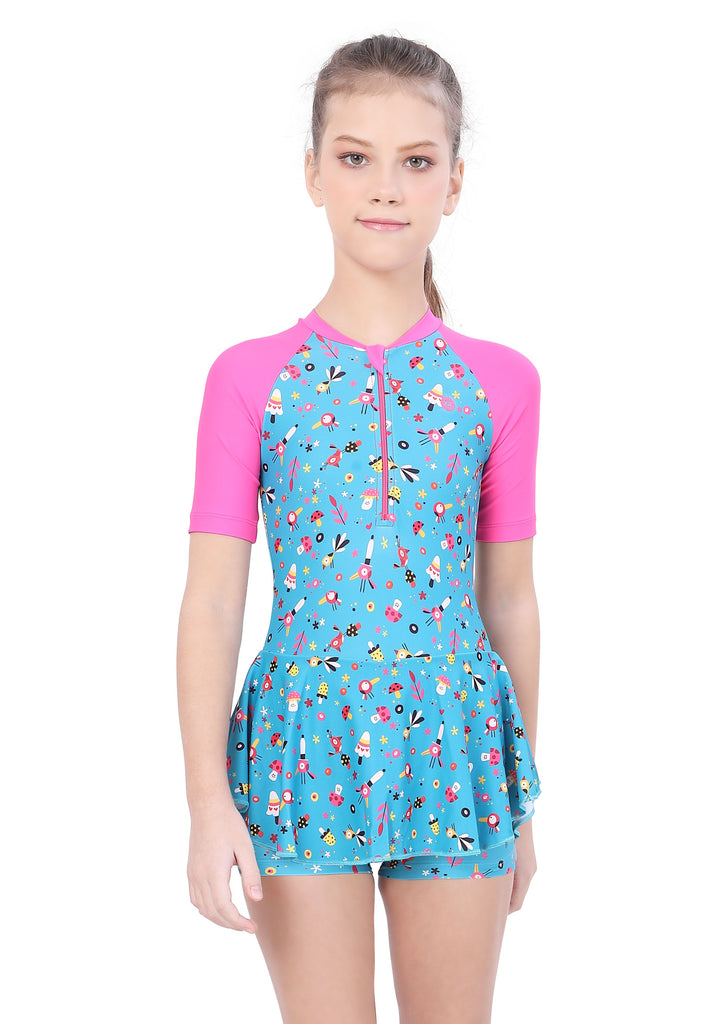
Most public pools require children to wear proper swimwear for safety and hygiene. For modesty or sun protection, choose swim leggings or rash guards designed for kids.
Legal And Facility Rules: Know Before You Go
Many pools, water parks, and beaches have strict dress codes. Reasons include:
- Preventing fibers from clogging filters
- Keeping water clean
- Ensuring safety for all swimmers
Some places allow swim shirts, rash guards, or specific types of activewear, but many ban regular gym clothes, especially cotton. Always check the rules before you go.
Activewear Vs Swimwear: Cost Comparison
You might wonder if using activewear for swimming saves money. At first, it seems cheaper to use one set of clothes for everything. But since activewear breaks down faster in water, you may end up replacing it more often.
Here’s a cost comparison for typical use:
| Item | Average Cost | Expected Lifespan (Water Use) | Cost per Use |
|---|---|---|---|
| Activewear leggings | $40 | 5-10 swims | $4-$8 |
| Swim leggings | $60 | 30-50 swims | $1.20-$2 |
| Sports bra (activewear) | $30 | 5-10 swims | $3-$6 |
| Swim top | $35 | 30-50 swims | $0.70-$1.16 |
Over time, real swimwear saves money and gives better performance.
Alternatives To Using Activewear As Swimwear
If you want the comfort, coverage, or style of activewear, but need something swim-appropriate, consider these options:
- Rash guards: These tops are made for swimming and offer sun protection.
- Swim leggings or tights: Designed for water, they look and feel like activewear.
- Board shorts: Offer more coverage than swim briefs.
- Swim dresses or skirts: Combine modesty with water-friendly design.
Many modern brands make swimwear in styles similar to activewear, so you can find something for every taste.
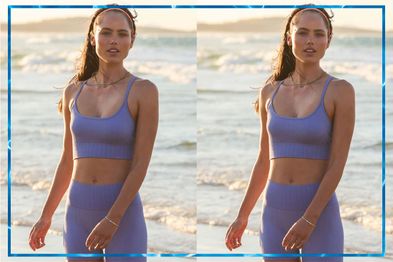
Credit: www.nine.com.au
The Verdict: Should You Use Activewear As Swimwear?
Activewear can sometimes be used as swimwear, but it’s not the best choice for most people or most situations. For one-time or emergency use, high-quality, all-synthetic activewear may work. But for regular swimming, water sports, or any public pool, choose clothing made for the water.
Key takeaways:
- Activewear and swimwear are not interchangeable
- Swimwear lasts longer and protects better in water
- Using activewear in water can be uncomfortable, unsafe, and expensive over time
- Always check facility rules before swimming in activewear
If you want to learn more about the science of sports textiles, check out this Wikipedia article on activewear.
Frequently Asked Questions
Can I Wear Leggings In The Pool?
Some synthetic leggings (without cotton) can be worn for a short swim, especially in private pools. However, they are not designed for water, may become heavy, and can be banned in public pools. For regular use, choose leggings made for swimming.
Is It Safe To Swim In A Sports Bra?
A snug, synthetic sports bra can work for a casual swim, but it may not stay in place or dry quickly. Some sports bras contain foam or padding that soaks up water, which can be uncomfortable. Swim tops are designed to avoid these problems.
Will Chlorine Damage My Activewear?
Yes, chlorine is harsh on activewear fabrics. It breaks down elastic fibers, causes fading, and weakens the material. Activewear is not treated to resist chlorine, so it will wear out quickly if used in pools.
Why Do Public Pools Ban Activewear?
Public pools often ban activewear because it can shed fibers, carry dirt and detergent, and become heavy or unsafe in water. Swimwear is designed for hygiene, safety, and to protect the pool’s filtration system.
Are There Clothes I Can Use For Both Workouts And Swimming?
Some modern brands make hybrid garments labeled as “multi-use,” “athleisure swim,” or “surf leggings. ” These are designed for both dry and wet activities. However, always check the label for water resistance and durability.
Choosing the right clothing helps you enjoy swimming safely, comfortably, and with confidence. While activewear offers flexibility for land-based movement, swimwear is built for the unique demands of water. When in doubt, use the right gear for the job—your comfort and safety are worth it.
Credit: www.lactra.in
