

Business Casual vs Smart Casual Men: Key Differences Explained
Business Casual Vs Smart Casual Men
Choosing the right outfit for work or social events can be confusing. Many men struggle to understand the difference between business casual and smart casual. These styles sound similar, but they serve different purposes and follow unique rules. Picking the wrong one can impact your confidence, first impression, or even your professional reputation. Let’s clear up the confusion, so you can dress with confidence and style for any occasion.
What Is Business Casual For Men?
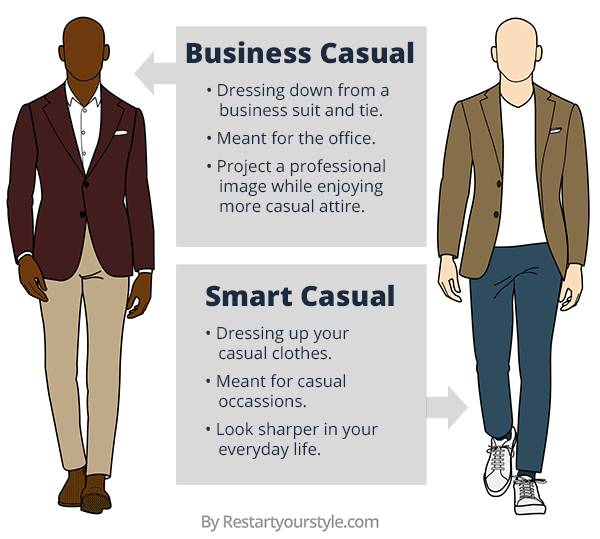
Business casual is a popular dress code in offices, meetings, and professional events. It is less formal than a suit and tie, but more polished than jeans and a T-shirt. The goal is to look neat, reliable, and ready for work—without being stiff or overdressed.
A typical business casual outfit includes:
- Dress slacks or chinos
- Button-down shirt
- Leather shoes (like loafers or oxfords)
- Optional blazer or sport coat
Ties are not required, but sometimes they are accepted. Sweaters or vests over shirts are common in colder months. The colors are usually neutral or muted—think navy, gray, beige, or white.
Business Casual In Practice
Imagine you are heading to a modern office. You wear beige chinos, a crisp light blue shirt, brown loafers, and a navy blazer. You look professional but approachable. You could also add a brown belt and watch for a touch of detail.
Business casual is not about flashy trends or bold colors. It is about showing respect for your workplace, your role, and the people around you.
What Is Smart Casual For Men?
Smart casual is a flexible, stylish dress code. It is common in dinner parties, networking events, dates, or creative workplaces. Smart casual mixes elements of formal and casual wear, letting you look sharp without feeling restricted.
A smart casual outfit often includes:
- Dark jeans or tailored trousers
- Collared shirts (button-downs, polos)
- Smart shoes (derby, loafers, brogues)
- Optional blazer or jacket
- Casual accessories (like a slim belt or watch)
Smart casual allows more color and personality. You might wear a patterned shirt, a colorful pocket square, or trendy sneakers (if the event allows). It’s about looking well put-together, but not “corporate. ”
Smart Casual In Practice
Picture yourself at a rooftop party. You wear dark jeans, a white button-down shirt, a gray blazer, and brown brogues. You add a slim leather belt and a simple watch. You feel comfortable and stylish, ready to socialize.
Smart casual lets you experiment with textures, patterns, and accessories. It’s a great way to show your personal style while staying appropriate for most modern occasions.
Key Differences: Business Casual Vs Smart Casual
Many men mix up these styles. Let’s break down the main differences, so you can spot them easily.
| Feature | Business Casual | Smart Casual |
|---|---|---|
| Setting | Office, meetings, professional events | Social gatherings, creative workplaces, dates |
| Pants | Dress slacks, chinos | Dark jeans, chinos, tailored trousers |
| Shirts | Button-down, collared shirts (plain) | Button-down, polos (patterns allowed) |
| Shoes | Leather dress shoes | Loafers, brogues, smart sneakers |
| Accessories | Belt, watch, minimal jewelry | Belt, watch, pocket square, creative accessories |
| Colors | Neutral, muted | Can be bold, patterned |
| Fit | Classic, tailored | Slim, trendy |
Notable Insights
- Business casual always leans toward formality and respect. It prioritizes a clean, professional look.
- Smart casual is more flexible. It adapts to different events, letting you add personality with accessories and colors.
When To Wear Business Casual
Understanding where to wear business casual is key. You don’t want to look too relaxed in a serious setting.
Common places for business casual:
- Traditional offices
- Job interviews
- Client meetings
- Networking events
- Conference presentations
If you work in finance, law, or consulting, business casual is often the standard. It’s also a safe choice if you’re unsure about the dress code.
Practical Tips
- If the office is formal, stick with dress slacks and a blazer.
- If your company is more relaxed, you can try chinos and a sweater.
- Avoid jeans, loud patterns, and sports shoes.
When To Wear Smart Casual
Smart casual is ideal for settings where you want to look stylish but not stiff.
Best occasions for smart casual:
- Dinner parties
- Date nights
- Casual Fridays
- Art galleries
- Startup offices
- Social networking events
Creative industries like tech, design, or advertising often prefer smart casual. You can show personality without breaking the rules.
Practical Tips
- Start with dark jeans or slim trousers.
- Add a button-down or polo shirt.
- Layer with a blazer or lightweight jacket.
- Finish with loafers or trendy sneakers.
Building A Business Casual Wardrobe
If you want to look sharp at work, you need a reliable business casual wardrobe.
Essential Pieces
- Dress slacks (navy, charcoal, beige)
- Chinos (khaki, gray)
- Button-down shirts (white, light blue, pale pink)
- Blazer (navy or gray)
- Leather shoes (brown or black loafers)
- Sweater (v-neck or crewneck)
- Dress belt
- Minimal accessories (classic watch)
How To Combine
- Pair navy slacks with a pale blue shirt and brown loafers.
- Add a gray blazer for meetings or presentations.
- Swap in a sweater for cold days.
Common Mistakes
- Wearing jeans or sneakers—these are too casual.
- Choosing shirts with bold patterns—stick to plain or subtle stripes.
- Forgetting to iron clothes—wrinkled shirts look unprofessional.
Building A Smart Casual Wardrobe
Smart casual gives you more room to experiment.
Essential Pieces
- Dark jeans (slim fit, no rips)
- Chinos (olive, navy, tan)
- Button-down shirts (patterns, solid colors)
- Polo shirts
- Unstructured blazer (light gray, navy)
- Smart sneakers (white or black)
- Brogues or loafers
- Casual belt
- Creative accessories (bracelets, pocket squares)
How To Combine
- Pair dark jeans with a patterned shirt and loafers.
- Add an unstructured blazer for extra polish.
- Try a polo shirt with chinos for a relaxed look.
Common Mistakes
- Wearing baggy jeans—fit matters.
- Over-accessorizing—keep it simple.
- Mixing too many bright colors—balance is key.
Business Casual Vs Smart Casual: Fit And Comfort
The fit of your clothes is as important as the style. Both business casual and smart casual rely on a good fit, but they approach comfort differently.
| Aspect | Business Casual | Smart Casual |
|---|---|---|
| Fit | Tailored, classic | Slim, modern |
| Comfort | Structured, less stretch | Flexible, soft fabrics |
| Movement | Limited, formal | Easy, relaxed |
Examples
- A business casual blazer is structured and formal. It fits close to the body but may limit arm movement.
- A smart casual blazer is softer, with less padding. It feels comfortable for long events or social gatherings.
Hidden Insight
Many beginners focus on style, but comfort is critical. If you feel stiff or restricted, you will not look confident. Choose clothes that fit well, but also allow you to move and sit comfortably.

Credit: thedarkknot.com
Colors And Patterns: How To Choose
Colors and patterns set the tone for your outfit.
Business Casual Colors
- Navy, gray, beige, white, pale blue
- Avoid bright colors, flashy prints
Smart Casual Colors
- Olive, burgundy, tan, pastel shades
- Patterns like checks, stripes, small prints
Examples
- Business casual: Navy slacks, pale pink shirt, gray sweater.
- Smart casual: Olive chinos, checkered shirt, light gray blazer.
Practical Tip
If you’re unsure, start with classic colors. Add patterns or brighter shades as you get more comfortable.
Accessories: The Finishing Touch
Accessories can make or break your look. They must match the dress code.
Business Casual Accessories
- Leather belt (brown or black)
- Classic watch
- Minimal jewelry (simple cufflinks or tie clip)
Smart Casual Accessories
- Slim belt (can be suede or canvas)
- Trendy watch
- Pocket square, bracelet, sunglasses
How To Use
- For business casual, keep accessories simple and professional.
- For smart casual, add creative touches but avoid being flashy.
Credit: restartyourstyle.com
Shoes: Picking The Right Pair
Shoes are important for both styles.
Business Casual Shoes
- Leather loafers
- Oxfords
- Derby shoes
Avoid sneakers or sandals.
Smart Casual Shoes
- Loafers
- Brogues
- Smart sneakers
You can wear clean, stylish sneakers if the occasion allows.
Hidden Insight
Many men overlook shoe care. Clean, polished shoes make a big difference. Shoes should match your belt for a balanced look.
Business Casual Vs Smart Casual: Seasonal Tips
Weather affects your clothing choices.
Summer
- Business casual: Lightweight cotton shirts, chinos, loafers.
- Smart casual: Short-sleeve button-downs, polos, canvas sneakers.
Winter
- Business casual: Wool trousers, sweaters, leather shoes.
- Smart casual: Layered jackets, scarves, boots.
Common Mistake
Wearing heavy fabrics in hot weather. Choose breathable materials like cotton or linen.
How To Transition Between Styles
Sometimes, you need to switch from business casual to smart casual in one day. Here’s how to do it smoothly.
Quick Changes
- Swap dress slacks for dark jeans.
- Change your formal shirt for a patterned button-down.
- Remove the tie, add a pocket square.
- Replace leather shoes with smart sneakers.
Example
After work, you head to a bar with friends. You remove your blazer, roll up your sleeves, and change into jeans and sneakers. Now, you look relaxed but stylish.
Real-life Examples: What Successful Men Wear
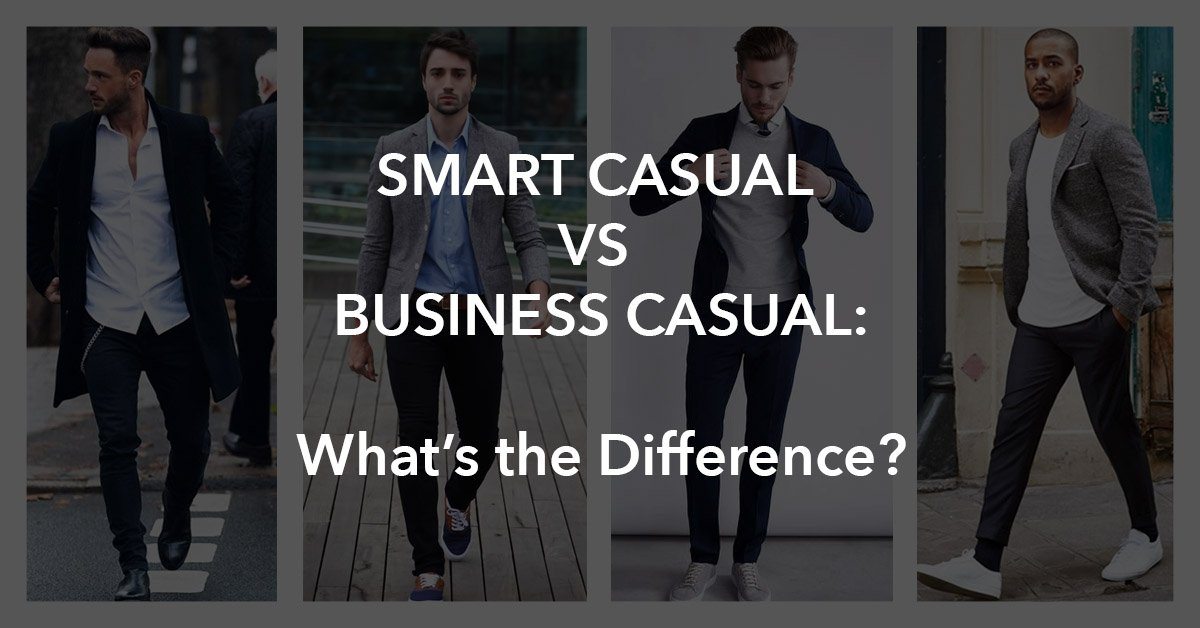
Let’s look at how real people use these styles.
Business Casual Example
- John, a project manager, wears gray slacks, a white button-down shirt, brown loafers, and a navy blazer. He adds a slim brown belt and a classic watch. He feels confident in meetings and presentations.
Smart Casual Example
- David, a startup founder, wears dark jeans, a checkered shirt, a light gray blazer, and white sneakers. He adds a leather bracelet and a colorful pocket square. He is comfortable networking and presenting new ideas.
Hidden Insight
Notice how both men use layers and accessories to add detail, but never overdo it. The best outfits are balanced, not overloaded.
Credit: mysocietysocks.com
Dressing For Your Body Type
Not every style fits every body type. Knowing your shape helps you choose the best clothes.
Business Casual
- If you are slim, choose tailored shirts and trousers.
- If you are broad, try relaxed-fit slacks and avoid tight blazers.
Smart Casual
- Slim men can wear slim-fit jeans and shirts.
- Broad men should use straight-leg trousers and avoid skinny fits.
Common Mistake
Trying to fit into trendy styles that do not suit your body. Comfort and fit are more important than following every trend.
Business Casual Vs Smart Casual: Dress Code Confusion
Sometimes, dress codes are not clear. Here’s how to avoid mistakes.
Steps To Follow
- Ask your host or company for clarification.
- Look for photos from past events.
- When in doubt, dress slightly more formal.
- Bring a blazer or jacket—you can add or remove as needed.
Example
If you are invited to a “smart casual” dinner, bring a blazer. If everyone is more relaxed, take it off. If people are dressier, keep it on.
Hidden Insight
Dress codes change with location, culture, and industry. Always observe and adapt.
How Business Casual And Smart Casual Affect Impressions
Your clothes affect how others see you.
Business Casual
- Shows professionalism, reliability, respect.
- Good for job interviews, presentations, formal meetings.
Smart Casual
- Shows creativity, confidence, social skill.
- Good for networking, social events, creative workplaces.
Study Data
According to a survey by LinkedIn, 68% of professionals believe that dressing well at work improves confidence and productivity. Another study found that 54% of hiring managers prefer candidates who follow business casual dress codes for interviews.
Cost: Building Each Wardrobe
Price matters when building a wardrobe.
| Item | Business Casual Average Price | Smart Casual Average Price |
|---|---|---|
| Shirt | $40–$80 | $30–$70 |
| Pants | $60–$120 | $50–$100 |
| Blazer | $120–$250 | $80–$200 |
| Shoes | $90–$180 | $70–$150 |
| Accessories | $30–$60 | $20–$50 |
Practical Tip
Mix expensive pieces with affordable basics. Invest in shoes and blazers—they last longer and make a bigger impact.
Sustainable Choices: Business Casual Vs Smart Casual
Sustainability is important. Many men overlook this.
- Buy less, choose quality over quantity.
- Look for brands using organic cotton, recycled materials.
- Care for your clothes—wash gently, store properly.
Smart casual often allows vintage or secondhand finds. Business casual is stricter, but you can still choose eco-friendly brands.
Grooming: The Unsung Hero
Grooming is part of your style.
- Keep hair neat and clean.
- Trim facial hair—avoid messy looks.
- Iron clothes and polish shoes.
- Use subtle cologne.
Grooming shows respect for yourself and others. It completes your outfit.
Adapting To Culture And Location
Dress codes change around the world.
- In some countries, business casual is more formal.
- Smart casual might mean jeans and sneakers in some places, but not others.
Always research local norms. If you travel, adapt your wardrobe.
For more detailed dress code guidance, see the Dress Code article on Wikipedia.
Frequently Asked Questions
What Is The Main Difference Between Business Casual And Smart Casual?
Business casual is more formal, focusing on a professional look with dress slacks, button-down shirts, and leather shoes. Smart casual is flexible, blending formal and casual elements, allowing dark jeans, patterned shirts, and creative accessories.
Can I Wear Jeans In Business Casual?
Usually, jeans are not allowed in business casual. Some modern offices accept dark, tailored jeans, but classic business casual means dress slacks or chinos.
Are Sneakers Allowed In Smart Casual?
Yes, clean and stylish sneakers are acceptable in smart casual. Avoid athletic or worn-out sneakers. Stick to classic colors like white, black, or navy.
How Do I Know Which Dress Code To Choose?
Consider the event, workplace, or host. If in doubt, dress slightly more formal. You can always remove a blazer or switch shoes to adapt.
What Are Common Mistakes Men Make With These Styles?
Men often wear baggy or wrinkled clothes, mix too many bright colors, or over-accessorize. Choosing the wrong shoes or ignoring grooming is also common.
---
Picking between business casual and smart casual is not just about clothes—it’s about confidence, comfort, and making the right impression. By understanding the differences, choosing smartly, and focusing on fit and detail, you can master both styles. Remember, your wardrobe is an investment in your personal brand.
Dress well, stay true to yourself, and adapt as needed. That’s the secret to looking good in any situation.
