

Business Casual Vs Business Formal Women: Style Guide Explained
Business Casual Vs Business Formal Women
Choosing the right work outfit can feel confusing, especially for women. Some offices expect strict dress codes, while others are more relaxed. You may see terms like business casual or business formal in job offers, company policies, or event invitations. But what do these phrases really mean? And how can you dress confidently for each situation?
Understanding the difference between business casual and business formal is more than just picking clothes. It helps you look professional, feel comfortable, and make a positive impression. If you’re unsure about what to wear, you’re not alone. Many women ask these questions, especially when starting a new job or attending important meetings.
This article will guide you through the differences, give practical examples, and show you how to avoid common mistakes. You’ll see real outfits, advice for different industries, and even tips for shopping smart. With clear explanations and useful tables, you’ll quickly learn how to match your style to the occasion.
What Is Business Casual For Women?
Business casual is a relaxed form of office dress. It offers more freedom compared to formal styles. But it’s not the same as weekend or party clothes. It’s a balance between comfort and professionalism.
Key Features Of Business Casual
- Flexible choices: You can mix and match tops, pants, skirts, and dresses.
- Subtle colors: Neutral shades like navy, gray, and beige are common.
- Simple patterns: Small prints or stripes are fine, but avoid loud designs.
- Comfortable fabrics: Cotton, wool, and soft blends are popular.
Business casual is popular in creative offices, tech companies, and many modern workplaces. It lets you show personality without looking unprofessional.
Typical Business Casual Outfits
- Blouse + tailored pants: A solid blouse with black or navy pants is a classic.
- Knit sweater + pencil skirt: Soft sweaters pair well with knee-length skirts.
- Button-down shirt + chinos: Easy to wear and looks neat.
- Dress + cardigan: Simple dresses with a cardigan are both smart and comfortable.
Shoes can include flats, loafers, or low heels. Accessories should be minimal, like a small necklace or stud earrings.
What To Avoid In Business Casual
- Flip-flops, sneakers, or sandals
- Torn jeans or leggings
- T-shirts with slogans or large graphics
- Heavy makeup or flashy jewelry
These items can make you look less professional, even in a casual office.
What Is Business Formal For Women?
Business formal is the highest standard of office dress. It is used in law firms, finance, government, and high-profile meetings. This style is strict and leaves little room for personal expression.
Key Features Of Business Formal
- Structured clothing: Suits, blazers, and tailored dresses are must-haves.
- Classic colors: Black, navy, gray, and white are safest.
- High-quality fabrics: Wool, silk, and linen are preferred.
- Minimal patterns: Usually solid colors, sometimes thin pinstripes.
Business formal signals authority and professionalism. It is often required for job interviews, board meetings, or important presentations.
Typical Business Formal Outfits
- Matching suit set: A blazer with a skirt or pants, both in the same color.
- Formal dress: A knee-length dress with a blazer.
- Button-down shirt + tailored pants: Always tucked in and paired with a blazer.
Shoes are usually closed-toe pumps or low heels. Accessories are very subtle: a watch, small earrings, or a simple leather bag.
What To Avoid In Business Formal
- Bright colors or bold patterns
- Casual shoes (sneakers, boots)
- Large bags or backpacks
- Excessive jewelry or strong perfumes
These can distract from your professional image.
Business Casual Vs Business Formal: Main Differences
Let’s see the main differences side by side. This helps you compare quickly.
| Feature | Business Casual | Business Formal |
|---|---|---|
| Color Palette | Neutrals + soft colors | Mostly dark neutrals |
| Fabrics | Cotton, blends | Wool, silk, linen |
| Outfit Structure | Flexible, mix and match | Strict, matching sets |
| Shoes | Flats, loafers, low heels | Closed-toe pumps, classic heels |
| Accessories | Minimal, small pieces | Very subtle, classic |
| Allowed Patterns | Small prints, stripes | Solid, pinstripe |
| Formality Level | Moderate | High |
This table gives a clear overview. Business formal is stricter, while business casual offers more flexibility.
When To Wear Business Casual Or Business Formal
Picking the right style depends on your workplace and occasion. Here’s how to decide.
Business Casual Is Best For:
- Day-to-day office work in relaxed settings
- Team meetings
- Company lunches or after-work events
- Startups or creative industries
- Casual Fridays
Business Formal Is Best For:
- Job interviews (especially in traditional sectors)
- Client presentations
- Board meetings
- Corporate events
- Law firms, finance, government jobs
If you’re unsure, it’s better to dress formal. You can always remove a blazer or switch shoes if needed.
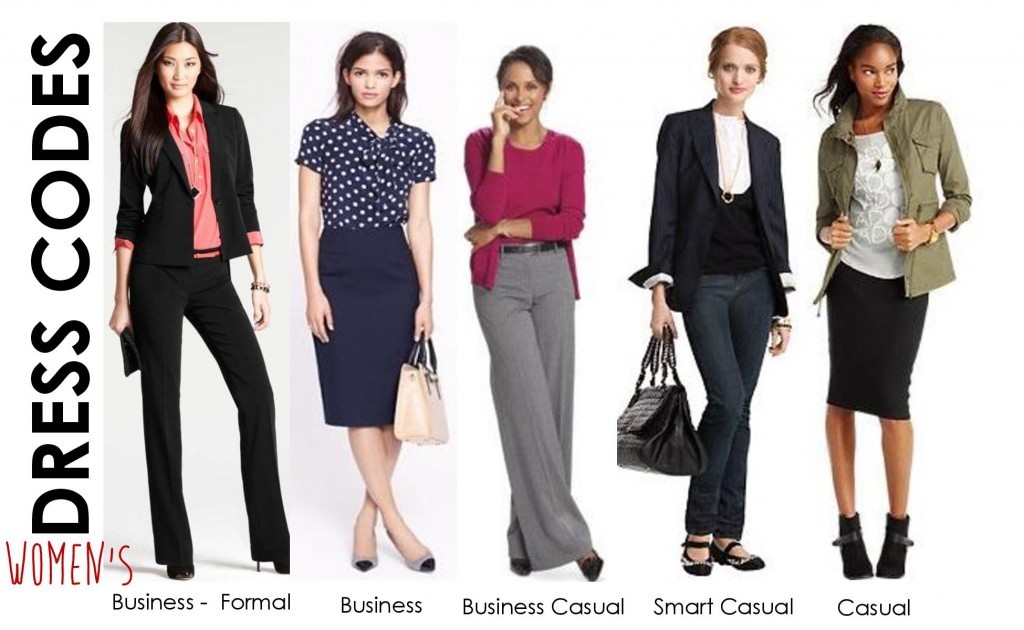
Credit: gardner-webb.edu
Examples Of Real Outfits For Each Style
Seeing real-life outfit examples helps. Here are combinations that work well.
Business Casual Outfit Examples
- Light blue blouse + gray ankle pants + nude flats
- Cream knit sweater + black pencil skirt + loafers
- Patterned dress (small dots) + navy cardigan + tan heels
- White button-down shirt + khaki chinos + simple watch
Business Formal Outfit Examples
- Black suit (blazer + skirt) + white shirt + closed-toe pumps
- Navy pantsuit + light blue blouse + leather handbag
- Gray dress (knee-length) + matching blazer + pearl earrings
- Charcoal skirt suit + silk shell top + classic black heels
Each outfit matches the tone of the dress code. Formal looks are sharper and more uniform.
Business Casual And Business Formal Across Industries
Not all workplaces have the same rules. Here’s how different industries use these styles.
| Industry | Business Casual | Business Formal |
|---|---|---|
| Tech/Startups | Common | Rare |
| Finance | Sometimes | Expected |
| Law | Rare | Required |
| Education | Common | Sometimes |
| Marketing | Common | For meetings |
| Government | Rare | Expected |
Tech and creative jobs allow business casual. Law, finance, and government expect formal clothing. If you switch industries, check the dress code first.
How To Build A Business Casual Wardrobe
Building a business casual wardrobe is simple if you focus on key pieces.
Essential Items
- 2-3 tailored pants in neutral colors
- 2 pencil skirts (black, gray)
- 5-6 blouses (solid and subtle prints)
- 2 cardigans or knit sweaters
- 1-2 dresses (knee-length)
- 2 pairs of comfortable flats or loafers
Mix and match these items for many outfits. Stick to colors that match easily.
Shopping Tips
- Choose quality over quantity. Good fabrics last longer.
- Try items before buying. Comfort matters.
- Avoid trendy pieces that may go out of style.
- Look for washable materials for easy care.
Some stores offer business casual sections. Ask staff for help if unsure.
How To Build A Business Formal Wardrobe
Business formal wardrobes require careful planning. Focus on structure and quality.
Essential Items
- 1-2 matching suit sets (blazer + skirt or pants)
- 3-4 button-down shirts (white, light blue)
- 1 tailored dress with a blazer
- 2 pairs of closed-toe pumps
- 1 classic handbag
- 1 trench coat or formal outerwear
Choose dark, neutral colors for most items. Invest in tailoring for a perfect fit.
Shopping Tips
- Buy suits from reputable brands.
- Check stitching and material quality.
- Choose shoes with comfortable insoles.
- Avoid cheap jewelry that can tarnish.
Formal clothes are an investment. They help you look confident and professional.
Accessories: What Works For Each Style
Accessories can improve your outfit or ruin it. Here’s how to pick wisely.
Business Casual Accessories
- Small necklaces, stud earrings
- Simple watch or bracelet
- Thin belts
- Structured tote bags
Colorful scarves or light makeup are acceptable. Avoid large, shiny pieces.
Business Formal Accessories
- Pearl or diamond stud earrings
- Thin chain necklace
- Leather handbag (black or brown)
- Classic watch
Strong perfumes or chunky jewelry are not suitable. Keep everything subtle.
Common Mistakes Women Make
Even experienced professionals make mistakes. Here are some to avoid.
- Wearing casual shoes (like sneakers) with formal outfits
- Using bright nail polish or heavy makeup in formal settings
- Mixing business casual and formal pieces (like a suit jacket with jeans)
- Wearing short skirts or revealing tops in any professional setting
- Carrying large backpacks instead of structured bags
One non-obvious mistake: Some women skip ironing or steaming clothes. Wrinkles can make even expensive outfits look sloppy.
Another common issue: Not checking the company’s dress code before the first day. Always ask HR if you’re unsure.
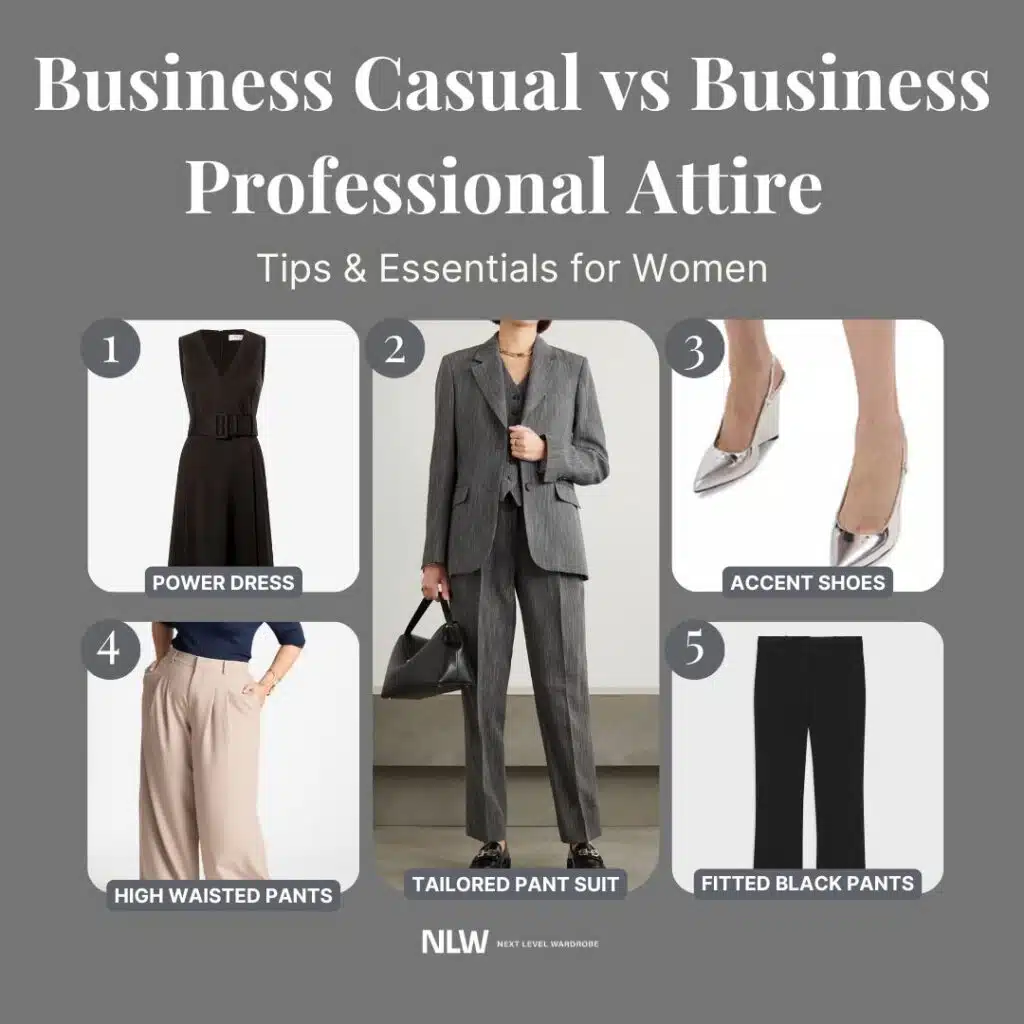
Credit: nextlevelwardrobe.com
How To Transition Between Styles
Sometimes you need to switch styles during the day. For example, you may have a formal meeting after a casual morning.
Easy Ways To Transition
- Keep a blazer or suit jacket at your desk
- Swap casual shoes for formal pumps
- Add subtle jewelry or a structured handbag
- Change into a formal dress or suit if needed
These quick changes help you adapt without stress.
The Psychology Of Workplace Dress Codes
How you dress affects how people see you. Studies show that formal clothing increases perceptions of authority and competence. Business casual can make you look more approachable and creative.
A survey by the Society for Human Resource Management found that 44% of companies allow business casual dress. But 56% keep formal standards for special occasions.
Dressing appropriately helps you feel confident and respected. It also builds trust with clients and colleagues.
Global Differences In Dress Codes
Dress codes vary around the world. In some countries, business formal is always expected. Others prefer a relaxed approach.
For example:
- In Japan and South Korea, business formal is standard.
- In the US and Europe, business casual is common in tech and creative fields.
- In Middle Eastern countries, modesty is important, so formal wear covers arms and legs.
Always check local customs before traveling for work.
How To Care For Professional Clothes
Proper care keeps your clothes looking new. Here’s how:
- Use gentle detergents for blouses and shirts.
- Air dry pants and skirts to avoid shrinking.
- Iron or steam suits and dresses before wearing.
- Store shoes in dust bags to prevent scuffs.
- Take formal items to dry cleaners when needed.
Keep a sewing kit for quick fixes. Well-maintained clothes help your image.
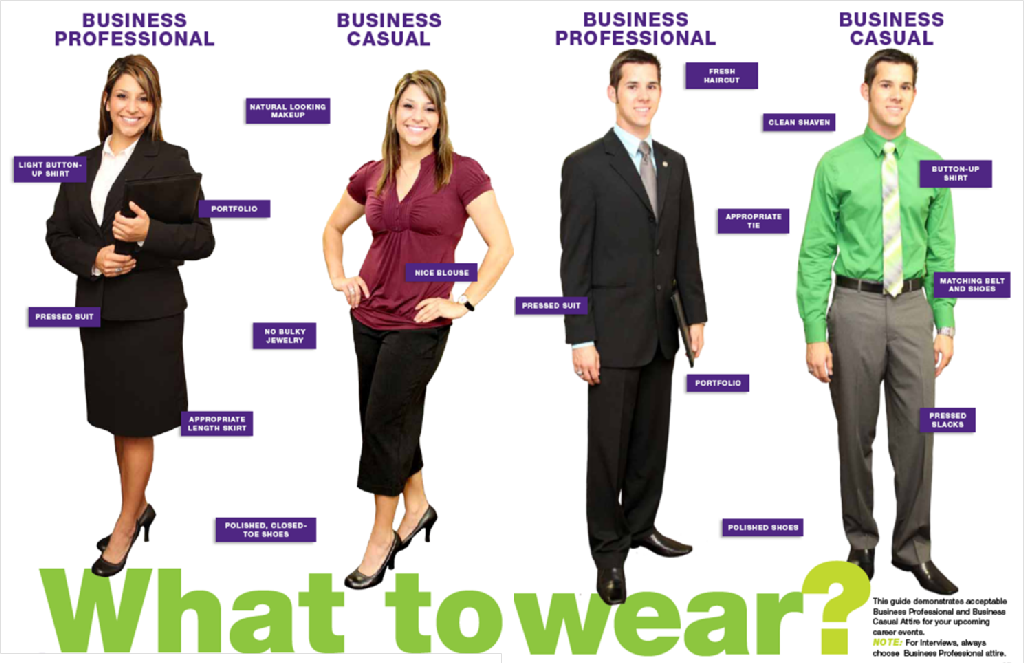
Credit: www.morganhunter.com
Budget-friendly Tips For Professional Dressing
You don’t need to spend a fortune on work clothes. Here’s how to save:
- Buy during sales or clearance events
- Shop at outlet stores for top brands
- Mix high and low-cost items (splurge on shoes, save on tops)
- Rent formal outfits for special occasions
- Use thrift shops for basics
A study by NPD Group found that most women spend less than $500 per year on work clothes. Smart shopping stretches your budget.
Real-life Examples: How Women Adapt Dress Codes
Let’s look at how women handle dress codes in real offices.
- Sarah works in tech. She wears knit sweaters and chinos, but keeps a blazer for client calls.
- Maria works in a law firm. She wears gray suits and low heels every day, switching to business casual only on Fridays.
- Aisha works in marketing. She mixes blouses and skirts, adding fun accessories for creative meetings.
Each woman adapts to her company’s culture. Observing colleagues helps you fit in.
Non-obvious Insights For Beginners
- Fit matters more than price. Even cheap clothes look great if tailored well.
- Layering is powerful. A cardigan or blazer can change your look from casual to formal quickly.
These tips help you get more from your wardrobe.
Business Casual Vs Business Formal: Quick Checklist
Use this checklist before leaving home:
- Are my clothes clean and wrinkle-free?
- Do my shoes match the outfit?
- Is my jewelry subtle?
- Does my outfit fit the occasion?
- Have I checked the company dress code?
These steps prevent mistakes and boost confidence.
Where To Find Inspiration And Guidance
If you need ideas, look at:
- Company websites for dress code photos
- Pinterest and Instagram for outfit inspiration
- Professional women’s magazines
You can also ask HR or managers for advice. Some companies publish detailed guides.
For further reading, see this The Balance Careers guide to business dress.
Frequently Asked Questions
What Is The Difference Between Business Casual And Business Formal For Women?
Business casual is more relaxed, allowing flexible outfits like blouses, cardigans, and comfortable shoes. Business formal is strict, requiring suits, blazers, and classic heels. Formal is used for important meetings and traditional jobs; casual works for day-to-day office life.
Can I Mix Business Casual And Business Formal Pieces?
It’s risky. Mixing a formal blazer with casual jeans can look unprofessional. It’s better to keep styles separate. If you need to transition, use layering or swap shoes and accessories.
How Do I Know What My Company Expects?
Check the company’s dress code policy. Ask HR or observe what managers and colleagues wear. If unsure, start formal and adjust later.
Are Dresses Allowed In Business Formal?
Yes, but only structured, knee-length dresses. They should be paired with a blazer and closed-toe heels. Avoid bright colors or patterns.
What If I Don’t Have Business Formal Clothes For A Job Interview?
Borrow from a friend, rent from a local shop, or buy basic pieces from affordable stores. Make sure clothes fit well and are clean. First impressions matter.
Choosing between business casual and business formal is easier than you think. With the right knowledge, you can dress confidently for any occasion, impress your colleagues, and feel comfortable every day. Remember, professional style is about respect—for yourself, your company, and those you work with.
If you pay attention to details, you’ll always be ready for success.
