

Business Casual vs Business Formal: Key Differences Explained
Business Casual Vs Business Formal: Understanding the Differences and Making the Right Choice
The way you dress for work sends a strong message. Clothes can build confidence, create trust, and even affect how people treat you. But when it comes to business casual and business formal, many people feel confused. What do these terms really mean? How do you know which style is right for your job, your industry, or your next big meeting?
This article will help you understand the key differences between business casual and business formal. You’ll learn what each style looks like, why companies use them, and how to dress for different situations. You’ll also find practical tips, real-world examples, and answers to common questions. Whether you’re starting a new job, attending an interview, or simply want to look sharp, this guide will help you make smart choices.
What Is Business Casual?
Business casual is a dress code that combines professionalism with comfort. It’s less strict than business formal, but still neat and respectful. People often wear business casual clothes in office settings, creative workplaces, and some meetings.
Business casual allows you to express your personality while looking polished. For example, you might wear a collared shirt instead of a suit, or comfortable shoes instead of dress shoes. It’s about balancing work-ready appearance with relaxed style.
Typical Business Casual Outfits
For men:
- Collared shirts (button-down or polo)
- Chinos or dress pants (not jeans)
- Sweaters or cardigans
- Loafers, dress shoes, or clean sneakers
- Optional: Blazer (without a tie)
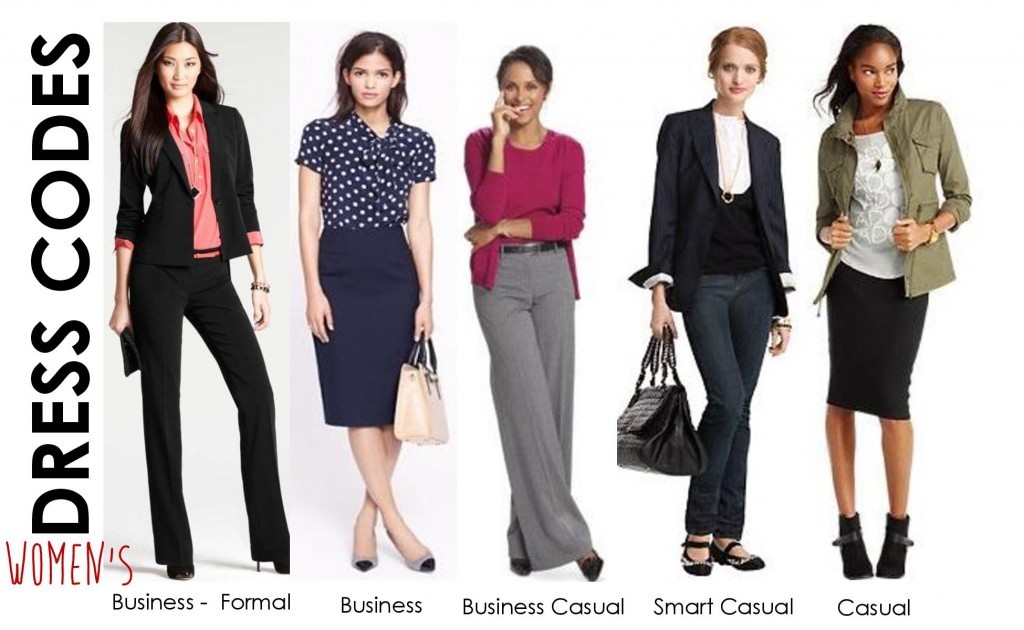
For women:
- Blouses or smart tops
- Dress pants, skirts, or tailored dresses
- Cardigans or blazers
- Flats, loafers, or low heels
- Minimal jewelry
What’s Not Business Casual
Many beginners think business casual means “anything but a suit.” This is not true. Avoid:
- Ripped jeans
- T-shirts
- Flip-flops
- Athletic wear
- Shorts
- Loud prints
Even in casual offices, these items can look unprofessional. Always aim for clothes that are clean, pressed, and fit well.
What Is Business Formal?
Business formal is the most traditional and professional dress code. It’s used in industries like law, banking, government, and at formal events or important meetings.
Business formal means a full suit for men and a tailored dress or suit for women. The goal is to look serious, trustworthy, and ready for business.
Typical Business Formal Outfits
For men:
- Dark suit (navy, black, or gray)
- Dress shirt (white or light color)
- Tie
- Dress shoes (leather, polished)
- Belt matching the shoes
For women:
- Tailored suit (pantsuit or skirt suit)
- Conservative dress (knee-length or longer)
- Dress shoes (closed toe, mid to high heel)
- Minimal accessories
When To Wear Business Formal
Business formal is expected:
- At job interviews in traditional industries
- During client meetings or presentations
- At corporate events or conferences
- In courtrooms or government offices
Some offices require business formal every day, while others use it only for special occasions.
Key Differences Between Business Casual And Business Formal
It’s easy to confuse these two styles. The table below shows the main differences:
| Aspect | Business Casual | Business Formal |
|---|---|---|
| Suit | Optional, often not required | Mandatory |
| Tie | Usually not worn | Required |
| Shoes | Loafers, flats, clean sneakers | Polished dress shoes |
| Colors | More variety, subtle patterns allowed | Mostly neutral, solid colors |
| Accessories | Minimal, some personal style | Very minimal, conservative |
| Formality | Moderate | High |
These differences matter because they set the tone for your workplace. Wearing the wrong style can make you look unprepared or out of place.
Why Dress Codes Matter In Business
Dress codes are more than rules. They send signals about company culture, values, and expectations.
A business formal dress code tells employees to act with seriousness and respect. It’s common in places where trust and authority are important. Business casual, on the other hand, suggests flexibility and creativity.
Some companies mix both styles, using formal for big events and casual for regular days. Understanding the reason behind the dress code helps you fit in and build good relationships.
Impact On Career
Studies show that people judge others within seconds based on appearance. In one survey, 65% of managers said clothing affects how they see an employee’s competence. Dressing correctly can make you seem more confident and trustworthy.
But there’s a hidden insight: overdressing can be just as risky as underdressing. If you wear a suit in a casual office, you may look stiff or out of touch. Always match your outfit to the company culture.
Business Casual And Business Formal Across Industries
Different industries have different standards. Here’s a comparison:
| Industry | Common Dress Code | Typical Example |
|---|---|---|
| Finance | Business Formal | Suits, ties, conservative dresses |
| Tech | Business Casual | Smart shirts, chinos, clean sneakers |
| Law | Business Formal | Dark suits, dress shirts, polished shoes |
| Marketing | Business Casual | Blouses, cardigans, tailored pants |
| Government | Business Formal | Suit and tie, formal dresses |
| Creative Agencies | Business Casual | Polo shirts, smart jeans, stylish shoes |
Always research your industry before choosing your outfit. If you’re not sure, ask HR or observe what others wear.
How To Choose The Right Style For Your Situation
Picking the right dress code is not always simple. Consider these steps:
1. Know The Company Culture
Look at the company website, social media, or ask someone who works there. Some firms use photos to show employee dress.
2. Check The Event Type
Is it a regular day, a client meeting, or a formal presentation? Adjust your outfit to match the occasion.
3. Ask For Guidelines
HR departments often provide dress code guides. Don’t be afraid to ask for clarity.
4. Observe Colleagues
When you start a new job, notice what others wear. This helps you avoid mistakes.
5. Aim For Neatness
Whatever style you pick, clothes should be clean, pressed, and fit properly.
Real-life Example: First Day At A New Job
Imagine you join a tech company. The company website shows employees in jeans and t-shirts, but you’re unsure if this is okay for your role.
A smart move: Wear business casual (collared shirt, chinos, loafers) on your first day. You look professional, but not overdressed. Then, observe what others wear and adjust your style.
This avoids the common mistake of dressing too informally before you know the culture.

Credit: michaeltailors.com
Common Mistakes People Make
Dressing for business can be tricky. Here are mistakes to avoid:
1. Mixing Casual And Formal Pieces Wrongly
Wearing a suit jacket with jeans may look sloppy instead of stylish.
2. Ignoring Fit
Baggy or tight clothes look unprofessional. Get your clothes tailored if possible.
3. Wearing Distracting Accessories
Loud jewelry, big watches, or flashy ties can be distracting.
4. Misunderstanding Business Casual
Don’t wear gym shoes, shorts, or graphic tees to work, even if the dress code is relaxed.
5. Neglecting Grooming
Wrinkled clothes, messy hair, or dirty shoes ruin even the best outfit.
6. Overdressing
In a casual office, a three-piece suit can make you stand out in the wrong way.
7. Forgetting Cultural Differences
Dress codes can change based on country or region. Always check local customs.
Practical Tips For Building A Work Wardrobe
Building your business wardrobe doesn’t need to be expensive or stressful. Here’s how to start:
For Business Casual
- Buy 3-5 collared shirts in neutral colors.
- Get 2-3 pairs of dress pants or chinos.
- Add a blazer for meetings or special days.
- Choose comfortable shoes that look smart.
- Pick simple accessories (watch, belt, small earrings).
For Business Formal
- Invest in at least one dark suit (navy or charcoal).
- Buy 2-3 dress shirts (white or light blue).
- Get a few ties in solid or subtle patterns.
- Choose polished dress shoes and a matching belt.
- Keep accessories minimal and classic.
Non-obvious Insight: Quality Over Quantity
Many beginners buy lots of cheap clothes, thinking more is better. But a few well-made items last longer and look better. A tailored blazer or good shoes can be worn with many outfits.
Non-obvious Insight: Seasonal Adjustments
Dress codes don’t change much with seasons, but fabrics do. In summer, choose lightweight materials like cotton or linen. In winter, wool suits or sweaters look professional and keep you warm.
How Dress Codes Evolve In Modern Workplaces
Workplaces are changing. Remote work, casual Fridays, and creative industries are making dress codes more flexible. Many companies let employees choose business casual most days, switching to business formal only for important events.
Some firms offer “dress for your day” policies. This means you pick your outfit based on your tasks. If you have client meetings, wear formal. If you’re working alone, go casual.
However, traditional industries like banking and law still expect business formal. It’s wise to check company policies before dressing down.
The Role Of Gender And Diversity
Dress codes can feel different for men and women. For example, women have more options, but sometimes face stricter rules about skirt length or shoe type. It’s important to choose clothes that are professional, comfortable, and respectful.
Modern companies are also adapting to cultural and religious needs. For example, some allow head coverings or offer relaxed rules for people with disabilities.
Business Casual Vs Business Formal: Pros And Cons
Understanding the advantages and disadvantages helps you make better choices.
| Dress Code | Pros | Cons |
|---|---|---|
| Business Casual | Comfortable, flexible, allows personal style, easier to maintain | Can be confusing, risk of being too informal, less authority |
| Business Formal | Professional, builds trust, clear rules, strong first impression | Less comfortable, more expensive, less personal expression |
Some companies switch between styles based on the situation. Knowing the pros and cons makes it easier to decide what to wear.
The Psychology Of Dressing Up For Work
Clothes affect how you feel and act. Studies show that people who dress well feel more confident, focus better, and are taken seriously. This is called enclothed cognition.
Wearing business formal can help you prepare mentally for important meetings or presentations. Business casual makes it easier to relax and connect with coworkers.
But, the hidden insight is: confidence comes from fit and neatness, not just style. Even casual clothes can make you feel powerful if they fit well and are clean.
Business Casual And Business Formal For Remote Work
Remote work is changing dress codes. Many people work from home in casual clothes, but some companies still expect professional appearance for video calls.
To look good on camera:
- Wear solid colors (avoid busy patterns)
- Choose collared shirts or blouses
- Keep accessories minimal
- Make sure your background is tidy
Even online, your clothes send a message about your attitude and professionalism.
How To Transition Between Styles
Sometimes you need to switch from business casual to formal quickly. For example, you may have a casual day but a formal meeting in the afternoon.
Tips for easy transitions:
- Keep a blazer or suit jacket at work
- Have a tie or formal shoes ready
- Use neutral colors that fit both styles
Women can switch from flats to heels, or add a blazer to a dress. Men can put on a tie and jacket. This flexibility helps you stay prepared.
Dress Codes And Job Interviews
Job interviews are special situations. Dressing correctly can help you make a strong first impression.
- For traditional industries, wear business formal
- For creative or tech jobs, wear business casual (but err on the formal side)
- Research the company beforehand
Many beginners don’t realize: it’s better to be slightly overdressed than underdressed for interviews. But avoid going too far—don’t wear a tuxedo or evening dress.
The Role Of Dress Codes In Company Branding
Some companies use dress codes as part of their brand. For example, luxury firms require formal dress to match their image. Creative agencies allow casual dress to show innovation.
Smart employees use dress codes to reflect the company’s values. If your firm is formal, dress to impress. If it’s casual, show personality but stay neat.
Global Differences In Business Dress Codes
Dress codes change by country and culture. For example:
- In Japan, business formal is standard. Dark suits are common.
- In Silicon Valley, business casual dominates. Jeans and hoodies are okay.
- In Europe, business formal is expected in finance, but business casual is common in creative fields.
If you work with global clients, always check local customs. Never assume that your style fits everywhere.
Credit: gardner-webb.edu
Frequently Asked Questions
What Does “business Casual” Really Mean?
Business casual is a style that blends professional and comfortable clothing. It includes collared shirts, dress pants, skirts, and smart shoes. Avoid jeans, t-shirts, and athletic wear. The goal is to look neat, polite, and ready for work without being formal.
Can I Wear Sneakers In Business Casual?
Yes, but only clean, simple sneakers. Avoid athletic or flashy styles. Loafers, flats, or dress shoes are safer choices. Always check your company’s dress code, as some firms prefer no sneakers at all.
Is A Blazer Required For Business Formal?
Yes, a blazer or suit jacket is a must for business formal. For men, it’s usually part of a matching suit. For women, a tailored blazer or jacket completes the look. Without it, your outfit may seem incomplete.
How Do I Know If My Company Is Business Casual Or Formal?
Look at what your colleagues wear, check the company website, or ask HR. If most people wear suits and ties, it’s formal. If you see collared shirts and cardigans, it’s casual. When in doubt, start more formal and adjust as you learn.
Are Dress Codes Changing In Modern Workplaces?
Yes, many companies are shifting to business casual or flexible dress codes. Remote work, creative industries, and casual Fridays are making formal dress less common. But some industries, like law or banking, still expect business formal.
Closing Thoughts
Choosing between business casual and business formal is about more than just clothes. It’s about understanding your company, your industry, and your role. Dressing well can boost your confidence, help you build trust, and support your career goals.
Always start by learning what your workplace expects. Invest in quality pieces that fit well. Pay attention to grooming, accessories, and seasonal changes. And remember, your outfit is a tool—not just a fashion statement.
If you want to learn more about workplace dress codes, visit Wikipedia for detailed information.
By making smart choices, you can look professional, feel comfortable, and stand out for the right reasons.

Credit: www.hockerty.com
