

Business Casual Not Polo: Elevate Your Work Wardrobe Style
Business Casual Not Polo: Dress Sharp Without The Polo Shirt
Business casual is a dress code that should be simple, but often causes confusion. Many people think a polo shirt is the go-to business casual top. In reality, business casual is much broader and more flexible. You can look professional and stylish without reaching for a polo. In this guide, you’ll learn how to master business casual without polos, so you always look sharp and feel comfortable.
When you avoid polos, you open doors to more versatile and elevated outfit choices. This article will show you why skipping polos is smart, what to wear instead, and how to build a business casual wardrobe that works in real offices—not just fashion magazines.
You’ll find practical examples, real comparisons, and tips that most beginners miss. Whether you work at a tech startup, a law firm, or anywhere in between, you’ll find clear answers here.
What Does Business Casual Really Mean?
The term business casual can feel vague. It depends on your workplace, industry, and even the region. But generally, business casual means you look neat, put together, and professional—without wearing a full suit and tie. The goal is to be comfortable, but still show respect for the workplace.
Common Elements Of Business Casual
- Dress shirts (button-downs, Oxford shirts)
- Chinos or dress pants
- Blazers or sports jackets (optional)
- Leather shoes or clean loafers
- Minimal accessories
It’s about balance. You want to look smart, but not stuffy. You don’t have to wear a tie. You don’t need a blazer every day. But you do need to avoid anything too casual—like graphic tees, ripped jeans, or, yes, sometimes even polos.
Why Avoid Polos In Business Casual?
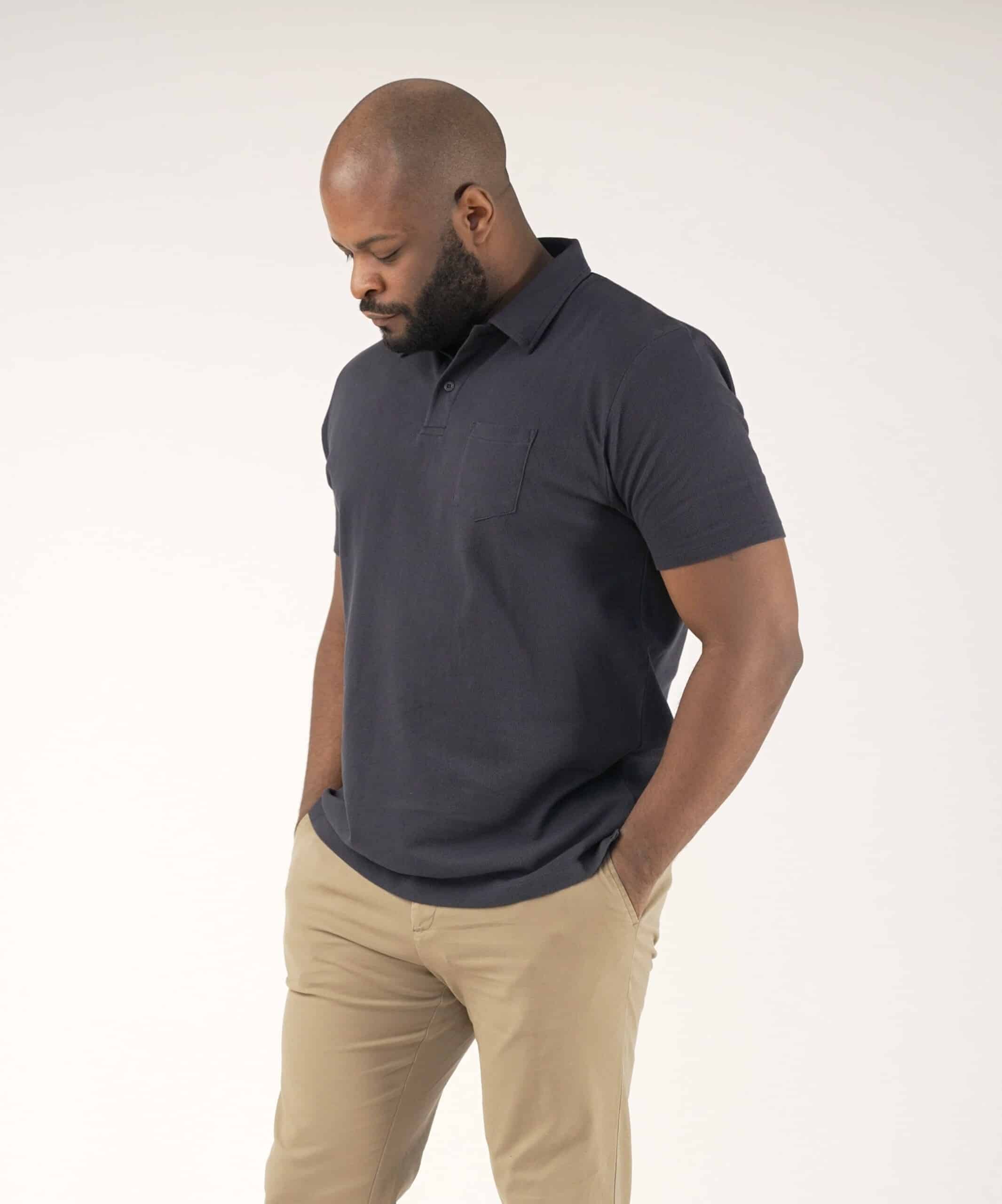
Polos are often labeled as “business casual” because they are nicer than a T-shirt but less formal than a dress shirt. However, polos can look sloppy, especially after a few washes. Their soft collars lose shape quickly, and the fabric can fade or wrinkle.
In many offices, polos are considered too relaxed or even outdated.
Smart business casual means choosing pieces that hold their structure and look professional all day. Skipping polos pushes you to explore better options, which can give you a confidence boost and help you stand out—in a good way.
Key Alternatives To Polo Shirts
You don’t have to settle for the same look every day. Here are the top shirt options for business casual, each with its own strengths.
1. The Classic Button-down Shirt
A button-down shirt is the backbone of any business casual wardrobe. It comes in many fabrics, fits, and colors. You can wear it tucked or untucked, with or without a jacket.
Why It Works
- The collar stays crisp and sharp.
- It pairs well with chinos, dress pants, or even dark jeans.
- Looks professional, even without a tie.
Pro Tip
Choose non-iron or wrinkle-resistant fabrics. They hold up better during a long workday.
2. The Oxford Shirt
The Oxford shirt is a type of button-down made with thicker, textured cotton. It’s slightly more relaxed than a formal shirt but more polished than a polo.
Why It Works
- The fabric gives structure and resists wrinkles.
- Works well in all seasons.
- Goes with or without a blazer.
3. The Dress Shirt
A dress shirt is more formal than an Oxford. It’s made from smooth cotton and often has a stiffer collar. If your office leans formal, a dress shirt (without a tie) is a safe choice.
Why It Works
- Always looks sharp when ironed.
- Easy to layer with sweaters or jackets.
- Available in many colors and subtle patterns.
4. The Sweater Or Cardigan
Wearing a sweater over a collared shirt is a great way to add warmth and style. Choose a fine-gauge knit for a professional look.
Why It Works
- Adds texture and interest to your outfit.
- Helps transition between seasons.
- Works well with dress pants or chinos.
5. The Henley Shirt
A Henley is a collarless shirt with a few buttons at the neck. While more casual, a long-sleeve Henley in quality fabric can work in creative offices.
Why It Works
- Offers variety for less formal days.
- Looks good under a blazer or cardigan.
- Feels comfortable but not sloppy.
6. The Turtleneck
A turtleneck is a bold choice, especially in cool weather. It can replace a collared shirt entirely or be worn under a blazer.
Why It Works
- Modern, creative look.
- Keeps you warm without bulk.
- Works best in neutral colors (black, gray, navy).
7. The Lightweight Dress T-shirt
Some tech companies or creative offices allow a high-quality, plain T-shirt under a blazer. The shirt must be clean, fitted, and free from logos or graphics.
Why It Works
- Simple and comfortable.
- Pairs well with sharp outer layers.
- Only for relaxed dress codes.
Comparing Shirt Options (polos Vs. Alternatives)
To make this easier, let’s compare polos with top alternatives in a quick reference.
| Shirt Type | Formality | Durability | Best For |
|---|---|---|---|
| Polo Shirt | Low-Medium | Low (collar loses shape) | Very casual offices, summer |
| Button-Down | Medium | High | Most offices |
| Oxford Shirt | Medium | High | Business casual, layering |
| Dress Shirt | Medium-High | Medium | Formal offices |
| Sweater (over shirt) | Medium | High | Cool weather, layering |
| Henley | Low-Medium | Medium | Casual tech/creative |
| Turtleneck | Medium | High | Winter, creative |
Building A Business Casual Wardrobe Without Polos
If you want to avoid polos, you need a solid plan for your wardrobe. Here’s how to do it step by step.
Step 1: Start With The Essentials
Begin with 3-5 button-down shirts in neutral colors (white, light blue, gray). Add 2-3 Oxford shirts for texture and variety. Include at least 2 dress shirts for more formal days.
Step 2: Add Layers
Buy 1-2 fine-gauge sweaters (in navy, charcoal, or burgundy). Add a lightweight blazer in navy or gray. These pieces add depth and flexibility to your outfits.
Step 3: Choose Proper Pants
Stick with chinos and dress pants. Neutral colors like navy, gray, and khaki are best. Make sure they fit well—too baggy or too tight will look sloppy.
Step 4: Select Shoes And Belts
Invest in leather shoes (oxfords, derbies, or loafers). Match your belt to your shoes for a unified look. Avoid running shoes or sandals.
Step 5: Accessorize Wisely
Keep accessories simple. A classic watch, a leather belt, and maybe a pocket square (if you wear a blazer) are all you need.
Business Casual Wardrobe Checklist
Here’s a quick checklist for a week’s worth of business casual outfits (no polos).
- 3-5 button-down shirts
- 2-3 Oxford shirts
- 2 dress shirts
- 2 sweaters or cardigans
- 1 blazer or sports jacket
- 2-3 pairs chinos/dress pants
- 1 pair of dark jeans (if allowed)
- 2 pairs leather shoes
- 1-2 belts
Common Mistakes When Skipping Polos
Avoiding polos is smart, but there are pitfalls. Here are mistakes to watch out for:
1. Choosing Shirts That Are Too Formal
Some people swap polos for stiff, formal shirts. If your shirt looks like it belongs with a tuxedo, it’s too much for business casual. Stick with shirts that work both tucked and untucked.
2. Overusing T-shirts
A plain T-shirt under a blazer can work in creative offices, but overdoing it looks lazy. Wear T-shirts only if your workplace allows it, and always choose high-quality fabric.
3. Ignoring Fit
Even the best shirt looks bad if it doesn’t fit well. Too loose or too tight ruins the look. Try shirts on before buying, and tailor them if needed.
4. Forgetting About Maintenance
Wrinkled shirts, faded colors, or worn collars can kill your outfit. Take care of your clothes—wash and iron them as needed, and replace worn-out items.
5. Neglecting Seasonal Needs
Don’t wear the same fabrics year-round. Swap in lighter shirts for summer and layer with sweaters in winter.
Business Casual In Different Workplaces
Business casual means different things in different fields. Here’s how to adapt without polos.
Corporate Offices
Stick to button-downs, Oxfords, and dress shirts. Add a blazer for meetings or presentations. Avoid anything too bold or trendy.
Tech Companies
You have more freedom. Dress shirts, Oxfords, and even high-quality T-shirts work. Add a casual jacket or cardigan for variety.
Creative Agencies
Try turtlenecks, patterned shirts, or even a Henley. Layer with a unique blazer or sweater. Express your style, but keep it tidy.
Law, Finance, Or Consulting
Stay classic: dress shirts, Oxfords, and fine knits. Neutral colors are best. A blazer is a good idea for client meetings.
Education Or Nonprofit
Mix Oxfords, sweaters, and chinos for comfort and style. Avoid anything too formal or too casual.
How To Style Business Casual Outfits Without Polos
It’s easy to get stuck in a routine. Here are outfit ideas for a full workweek, using only business casual shirts (no polos).
Monday: Classic And Sharp
- White button-down shirt
- Navy chinos
- Brown leather shoes
- Gray sweater (optional)
Tuesday: Layered Look
- Light blue Oxford shirt
- Charcoal dress pants
- Navy blazer
- Black loafers
Wednesday: Creative Edge
- Black turtleneck
- Slim-fit khaki chinos
- Dark brown derby shoes
Thursday: Relaxed Yet Professional
- Patterned dress shirt (small checks or stripes)
- Gray chinos
- Navy cardigan
- Burgundy loafers
Friday: Smart Casual
- Light gray Henley (long sleeve, quality fabric)
- Dark jeans (if allowed)
- Clean white sneakers or loafers
This rotation keeps your style fresh and professional—no polos needed.
Real-life Examples: Office Feedback On Polos Vs. Alternatives
Many people who switch from polos to button-downs or Oxfords notice a change in how they’re seen at work. For example, a marketing manager shared that after replacing his polos with crisp Oxfords, colleagues took him more seriously. Clients responded better in meetings, and he felt more confident.
Another worker in IT explained that switching to turtlenecks and Henleys (with blazers) helped him stand out positively in a sea of casual T-shirts and polos. These subtle upgrades can influence how others perceive your professionalism and attention to detail.
Credit: www.walmart.com
Business Casual For All Genders
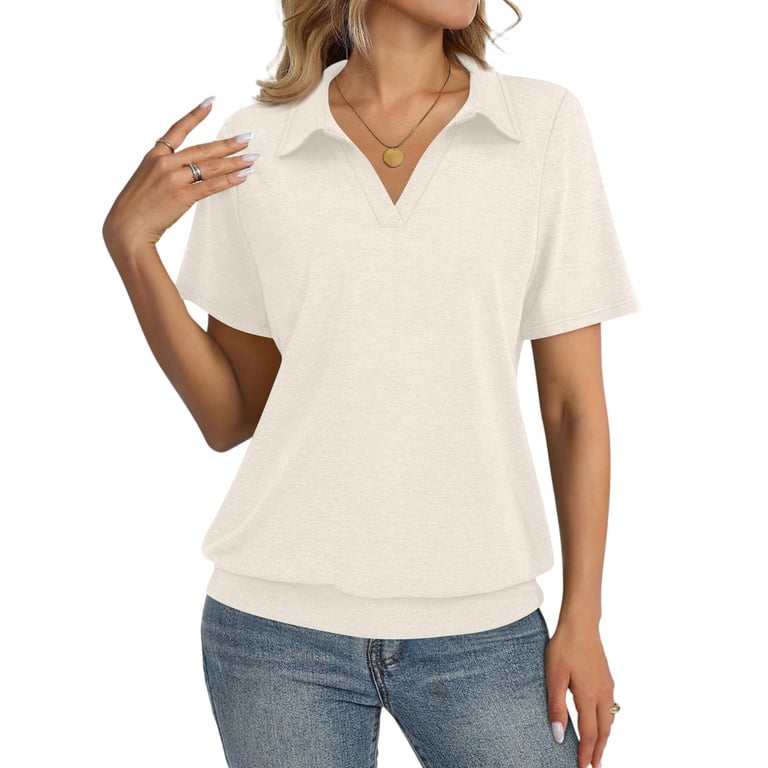
While men’s fashion gets the most attention, women can also skip polos and still fit business casual perfectly.
Shirt Options For Women
- Blouses (solid, patterned, or with details like ties or ruffles)
- Button-down shirts (fitted or relaxed)
- Sweaters or knit tops
- Turtlenecks
- Shell tops (sleeveless, for layering)
Pants And Skirts
- Slim-fit dress pants or chinos
- Midi or knee-length skirts (A-line, pencil)
- Tailored culottes
Shoes
- Loafers, flats, low heels, or ankle boots
Outfit Example
- Navy blouse
- Gray ankle-length chinos
- Black flats
- Light cardigan
Women have even more ways to look business casual without polos. The key is neatness, fit, and simplicity.
Weather And Season: Adapting Business Casual
Dressing well means adapting to the weather. Here’s how to keep your look on point all year.
Warm Weather
- Lightweight cotton or linen shirts (button-downs, Oxfords)
- No heavy layers
- Light-colored pants to reflect heat
Cool Weather
- Layer with sweaters, cardigans, or blazers
- Heavier fabrics like wool or brushed cotton
- Add scarves for extra warmth and style
Wet Weather
- Waterproof shoes or boots
- Bring a compact umbrella
- Avoid dragging pants—hem them to the right length
Credit: www.gentlemansgazette.com
How To Shop For Business Casual (no Polos)
Shopping for work clothes can be overwhelming. Here’s a simple process:
- Know your size—get measured for shirts and pants.
- Start neutral—buy shirts and pants in basic colors first.
- Check the fabric—choose wrinkle-resistant or easy-care blends.
- Try everything on—fit is more important than brand.
- Invest in quality basics—one good shirt is better than five cheap ones.
- Buy slowly—add pieces over time as you learn what works.
Where To Shop
- Department stores (Macy’s, Nordstrom)
- Specialty shops (Banana Republic, J.Crew)
- Online retailers (Uniqlo, Bonobos)
- Thrift stores for unique finds
Always check return policies, especially for online orders.
The True Cost Of A Polished Business Casual Look
You don’t need to spend a fortune. Here’s a basic cost breakdown for a starter wardrobe (no polos):
| Item | Quantity | Estimated Cost (USD) | Notes |
|---|---|---|---|
| Button-down shirts | 3 | $120 | $40 each, mix colors |
| Oxford shirts | 2 | $80 | $40 each |
| Dress pants/chinos | 3 | $180 | $60 each |
| Sweater/Cardigan | 2 | $100 | $50 each |
| Blazer | 1 | $120 | Optional but adds value |
| Leather shoes | 2 | $160 | $80 each |
| Belt | 1 | $30 | Match shoes |
| Total | — | $790 | Flexible, can be less with sales |
You can build your wardrobe for less by shopping sales or secondhand. The key is buying pieces that mix and match easily.
Non-obvious Insights Most People Miss
Many people new to business casual focus only on shirts and pants. But there are two critical details that often get overlooked:
1. The Importance Of Laundering And Storage
Well-maintained shirts last longer and look better. Use gentle detergents and avoid over-drying. Hang shirts right after washing to prevent wrinkles. A little effort here keeps you looking sharp without buying new clothes all the time.
2. The Power Of Outer Layers
A well-chosen blazer or cardigan can make even a plain shirt look professional. Outer layers help you adapt to temperature changes and add visual interest. Don’t underestimate the value of investing in at least one good jacket.
How To Handle Dress Code Questions
If you’re unsure about your office’s rules, ask HR or observe what respected colleagues wear. It’s better to be slightly overdressed at first. Avoid making assumptions based on old information or what you see in TV shows—dress codes change over time and by industry.
Many companies post dress code guidelines. For more details, see this Wikipedia entry on business casual.

Credit: www.gentlemansgazette.com
Frequently Asked Questions
What Is The Main Difference Between A Polo Shirt And A Button-down For Business Casual?
A polo shirt has a soft collar and is made from knit fabric, making it feel more like casual wear. A button-down shirt has a structured collar and woven fabric, looking more professional and holding its shape better throughout the day.
Are Dark Jeans Acceptable In Business Casual If I Avoid Polos?
In some offices, dark jeans are allowed as part of business casual—especially on Fridays or in tech/creative workplaces. Make sure jeans are free from rips and fit well. Always check your company's specific policy.
Can Women Wear Dresses In A Business Casual Setting?
Yes, dresses are a great business casual choice for women. Choose styles that are knee-length or longer and avoid anything too revealing or flashy. Pair with cardigans, blazers, or simple accessories for a polished look.
How Do I Keep My Shirts Looking Crisp Without Much Ironing?
Choose wrinkle-resistant fabrics and hang shirts immediately after washing. Use a handheld steamer for quick touch-ups. Store shirts on good hangers to help them keep their shape.
Is It Okay To Wear Sneakers With Business Casual Outfits?
Some modern offices allow clean, minimalist sneakers in business casual outfits. Stick to plain, neutral colors and avoid athletic or flashy styles. When in doubt, choose loafers or leather shoes for a safer option.
Business casual doesn’t mean boring or predictable. By skipping polos, you get more chances to express your style and show respect for your workplace. With the right pieces and a little attention to detail, you can look sharp, feel confident, and never worry about dress code confusion again.
