

Business Casual Ideas Men: Stylish Outfits for Every Office
Finding the right business casual outfit can feel confusing for many men. You want to look professional, but not overdressed. You want comfort, but you also want style. If you’re a non-native English reader, you may also wonder about the real meaning of “business casual.” This guide explains everything clearly, using simple language, practical advice, and real examples. You’ll learn how to build a wardrobe, which pieces to buy, and how to mix them. By the end, you’ll know exactly how to dress for any business casual setting. You’ll also discover practical tips for different seasons, special occasions, and how to avoid common mistakes. Whether you are starting your first job, changing workplaces, or simply want to feel more confident, this guide will help you step forward with style and ease.
What Does Business Casual Mean For Men?
Business casual is a mix of professional and relaxed clothing. It is less formal than a suit, but more polished than jeans and a T-shirt. In most offices, business casual means:
- No full suits or ties (unless optional)
- Collared shirts (such as button-downs or polos)
- Dress pants or chinos
- Closed-toe shoes (not sneakers)
- Layers like blazers, sweaters, or cardigans
The main idea: look neat, comfortable, and ready for work, but not stiff or too relaxed. Business casual gives you freedom to express your personal style, but still keeps the look professional enough for meetings and client visits.
For example, if your office has a “business casual” policy, you might wear a button-down shirt with khaki pants and brown loafers. You can skip the tie, but your outfit should still look organized and clean.
Common Mistakes
Many men confuse business casual with “smart casual” or “casual Fridays. ” They wear jeans, sports shoes, or loud prints. This can look unprofessional. Some people also think business casual means wearing whatever is comfortable, but that can lead to sloppy choices.
Another mistake is wearing clothes that fit poorly, like baggy pants or tight shirts. Clothes that are too big hide your shape, while clothes that are too tight make you look uncomfortable. Sometimes, men forget to check their company’s dress code and end up feeling out of place.
It’s always smart to observe what your colleagues wear and, if possible, ask your manager for clear guidelines.
Essential Pieces For A Business Casual Wardrobe
Building your business casual wardrobe is easier if you focus on key pieces. Here are the basics every man should own.
1. Button-down Shirts
A button-down shirt is the most important piece. Choose solid colors (white, blue, gray), subtle stripes, or small checks. Avoid shirts with bold patterns or short sleeves. Make sure the shirt fits your body—not too loose, not too tight.
You can wear a button-down alone or layer it under a sweater or blazer. Oxford shirts and poplin shirts are good choices because they look crisp and feel comfortable. If you sweat easily, look for shirts with moisture-wicking fabric.
2. Polo Shirts
Polo shirts are a good option for warmer days or relaxed offices. Pick polos in plain colors or small patterns. The collar keeps them looking professional.
Polo shirts also work well under a light sweater or with a cardigan. For summer, choose polos made from breathable cotton or performance fabrics. Avoid logos that are too big, and make sure the shirt covers your belt line.
3. Dress Pants Or Chinos
Choose dress pants in navy, gray, or black. Chinos are also good—they come in beige, olive, or khaki. Avoid jeans unless your office allows them.
Dress pants usually have a sharper crease and a finer fabric. Chinos are softer and easier to care for. Both styles should fit well at the waist and have a clean line down the leg. If you want extra comfort, look for pants with a bit of stretch.
4. Blazers And Sport Coats
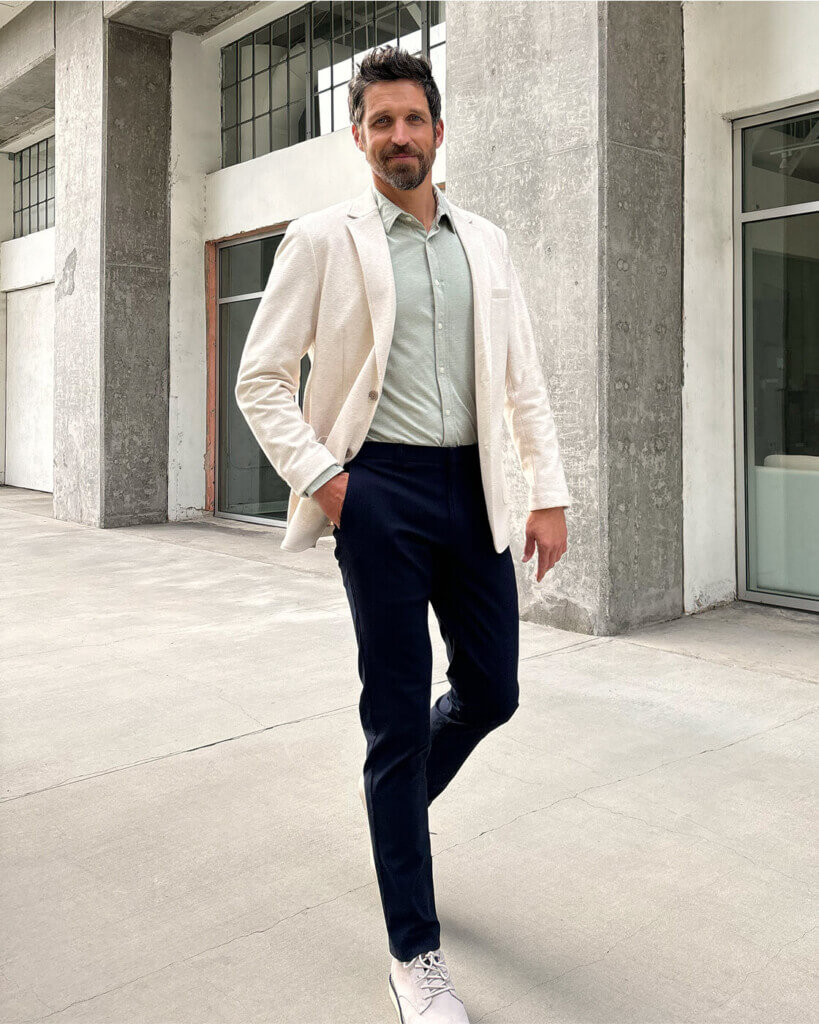
A blazer or sport coat adds sharpness. You don’t need a full suit. Wear your blazer with chinos or dress pants, and keep colors neutral.
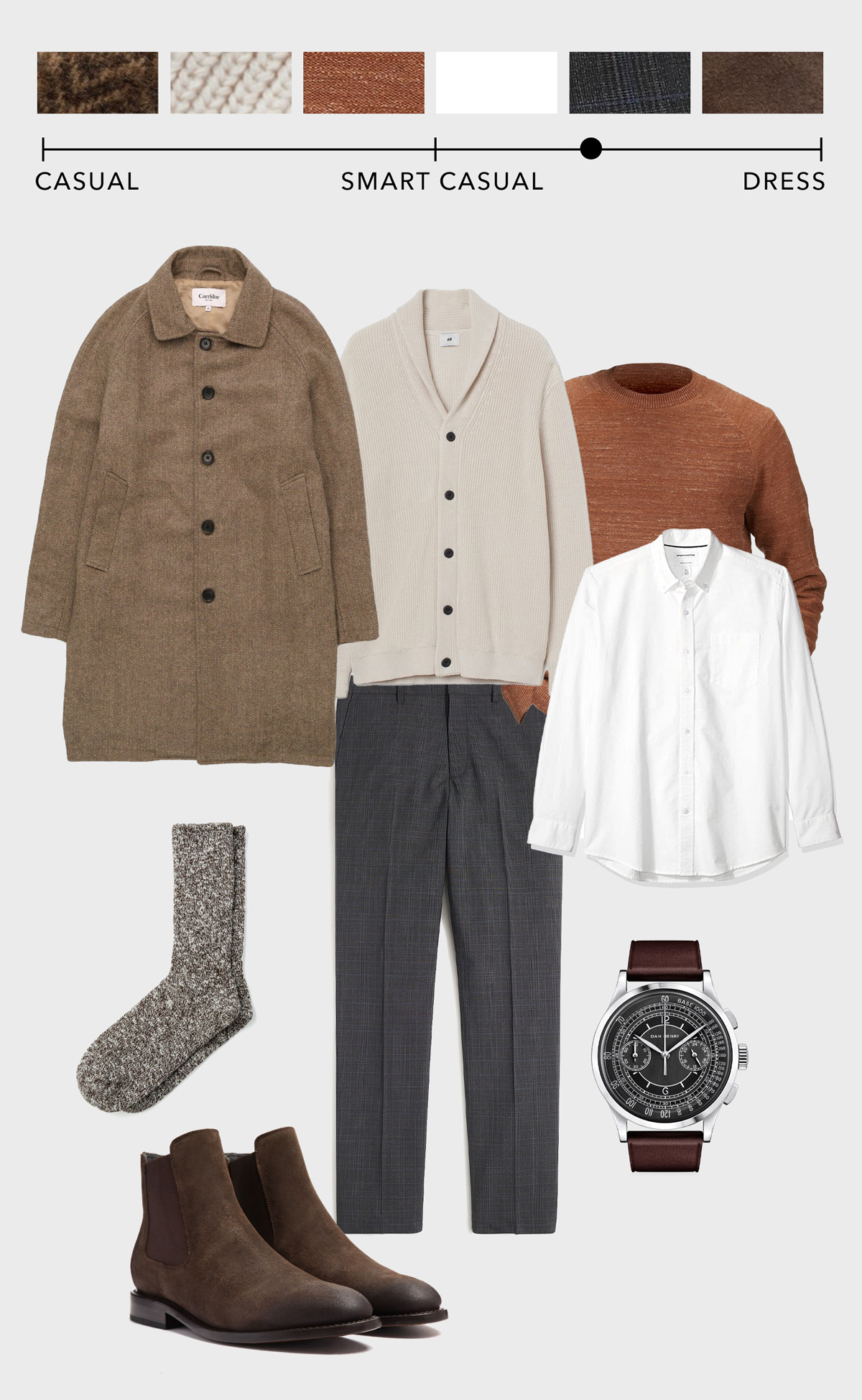
Blazers with subtle textures (like herringbone or tweed) can add interest without being too bold. For summer, try lightweight cotton or linen blazers. Sport coats are a bit more relaxed and sometimes have elbow patches or softer fabric.
5. Sweaters And Cardigans
A sweater over a shirt looks smart and keeps you warm. Choose v-neck or crewneck styles. Cardigans are another option—easy to layer and comfortable.
Pick fine-gauge knits for a sleek look. Wool and cotton blends work for most seasons. For a classic style, stick to simple colors and avoid heavy prints.
6. Shoes
Wear leather dress shoes like loafers, oxfords, or brogues. Avoid sneakers, sandals, or boots that look too casual.
Brown and black are the safest shoe colors. Leather loafers are comfortable and easy to slip on. For winter, you can wear dress boots if they are clean and polished.
7. Accessories
Keep accessories simple. A belt that matches your shoes, a classic watch, and a neat briefcase are enough. Avoid flashy jewelry or loud ties.
A pocket square or small lapel pin can add personality. If you wear glasses, make sure they are clean and fit your face shape.
How To Mix And Match Business Casual Outfits
Knowing how to mix and match helps you create many looks with a few pieces. Follow these tips:
- Pair a light blue button-down with navy chinos and brown loafers.
- Wear a white polo under a navy blazer, with gray dress pants.
- Combine a gray sweater with a checked shirt and beige chinos.
- Match a black sport coat with a light gray shirt and dark dress pants.
The secret is to keep colors balanced and styles simple. If you want to add variety, try changing just one element, like swapping your sweater for a blazer or wearing different shoes.
Layering is another useful technique. You can start with a shirt and pants, then add a sweater or blazer as needed. This makes your outfit more flexible for changing temperatures during the day.
Example Outfits
Here are three sample combinations for inspiration:
- White button-down + gray chinos + navy blazer + black loafers
- Light blue polo + beige chinos + brown belt + brown loafers
- Checked shirt + navy dress pants + gray cardigan + black dress shoes
You can also mix textures and fabrics. For example, a cotton shirt with a wool sweater adds depth. Use accessories like a slim leather belt or a classic watch to finish your look.
Business Casual Vs. Other Dress Codes
It helps to see how business casual compares to other dress codes. Here’s a simple table:
| Dress Code | Typical Clothing | Formality Level |
|---|---|---|
| Formal | Suit, tie, dress shoes | High |
| Business Casual | Button-down, chinos, loafers | Medium |
| Smart Casual | Polo, jeans, clean sneakers | Low-Medium |
| Casual | T-shirt, jeans, sneakers | Low |
Notice that business casual is in the middle—polished but not stiff. Business casual gives you flexibility, but still ensures you look ready for serious work. Smart casual is more relaxed, and formal dress codes are strict and traditional.
Choosing The Right Business Casual Colors
Colors matter for business casual. They affect how people see you and how professional you look.
Safe Choices
Pick neutral colors: navy, gray, beige, black, white, olive. These colors mix well and are never too bold. Neutral colors help you look mature and make it easy to combine clothes.
For example, navy chinos can match with almost any shirt, and a gray sweater can be layered with different outfits.
Adding Color
If you want some color, choose muted tones like burgundy, forest green, or dark blue. Avoid bright reds, yellows, or neon shades.
Muted colors add interest without overpowering your outfit. If you wear a burgundy sweater, balance it with neutral pants and shoes.
Practical Color Combinations
- Navy pants + white shirt + gray sweater
- Beige chinos + light blue shirt + brown belt
- Black dress pants + light gray shirt + navy blazer
These combinations are easy to match and always look professional. If you’re new to mixing colors, start with two neutral pieces and one muted color.
How To Choose The Right Fit
Fit is more important than brand or price. Clothes that fit well make you look confident and sharp.
Tips For Good Fit
- Shirts: Should touch your body, but not pull or gap. The shoulder seam should sit on your shoulder.
- Pants: Waist should fit without a belt. Legs should not be too tight or too loose. The hem should just touch your shoes.
- Blazers: Should sit on your shoulders, not hang or pull. The sleeves should end at your wrist bone.
- Sweaters: Should cover your shirt cuffs, not bunch up. The fit should allow you to move easily.
If possible, try clothes before buying. If shopping online, check size charts and reviews. Look for brands that offer slim, regular, and classic fits.
Common Fit Mistakes
Many men wear pants that are too long, or shirts that are too big. This looks sloppy. If you’re unsure, visit a tailor for small adjustments.
A tailor can shorten sleeves, adjust pants, and help your clothes fit perfectly. Small changes can make cheap clothes look expensive.
Business Casual For Different Body Types
Every man’s body is different. Business casual should make you feel comfortable and look good, no matter your shape.
Athletic Build
If you have broad shoulders, choose slim-fit shirts and jackets. They show your shape without being tight.
Avoid shirts that balloon at the waist. Look for stretch fabrics that move with you. A slightly tapered pant flatters athletic legs.
Slim Build
For slim men, avoid clothes that are too loose. Try layering—wear a sweater or cardigan over your shirt.
Patterns like checks or stripes can add width visually. Look for pants with a straight or slim cut, not skinny.
Larger Build
If you are heavier, pick clothes with structure. Avoid tight fits, but don’t go too baggy. Dark colors and vertical stripes help.
Blazers with light shoulder padding can create a balanced shape. Choose pants with a comfortable waist and avoid pleats if you want a smoother look.
Business Casual For Different Seasons
Your outfit should match the season and weather.
Spring/summer
- Light fabrics: Cotton, linen
- Short-sleeve polos, light button-downs
- Chinos or lightweight dress pants
- Loafers, boat shoes
For summer, roll up your sleeves for a relaxed look. Avoid heavy fabrics that make you sweat.
Fall/winter
- Heavier fabrics: Wool, tweed
- Sweaters, cardigans, blazers
- Darker colors
- Dress boots, oxford shoes
Layering is key in colder months. Use undershirts, scarves, and gloves for extra warmth. Wool blends hold shape and keep you comfortable.
Example: Seasonal Outfit Table
Here’s a quick comparison of seasonal business casual options:
| Season | Top | Bottom | Shoes |
|---|---|---|---|
| Spring | Light button-down | Beige chinos | Brown loafers |
| Summer | Polo shirt | Light gray chinos | Boat shoes |
| Fall | Cardigan | Navy dress pants | Oxford shoes |
| Winter | Wool sweater | Dark chinos | Dress boots |
If your climate is very humid, stick to breathable fabrics. In colder regions, invest in a good coat that matches your business casual outfits.
Business Casual Ideas For Specific Occasions
Business casual is not the same for every event. Here are some ideas for different settings:
Office
Stick to classic button-downs, chinos, and loafers. Add a blazer for meetings.
If your office is more creative, you can try subtle prints or casual jackets. For traditional offices, keep colors and styles simple.
Networking Events
Choose a sharp blazer and a neat shirt. Small accessories like a watch help you look confident.
Networking is about making a good impression. Avoid loud patterns or too many accessories. A clean, pressed shirt shows respect for others.
Job Interviews
Pick neutral colors, a clean shirt, and dark pants. Avoid anything too flashy.
Make sure your clothes are ironed and your shoes are polished. For video interviews, wear a collared shirt and check your background.
Company Parties
You can relax a bit. Try a patterned shirt or a colored sweater, but keep pants and shoes professional.
If the party is after work, bring a change of shirt or accessories to add personality.
Brands And Stores For Business Casual
You don’t need expensive brands to look good. Many stores offer business casual pieces at different prices.
Popular Options
- Uniqlo: Simple shirts, chinos, sweaters
- Banana Republic: Modern blazers, pants
- J.Crew: Casual shirts, cardigans
- Brooks Brothers: Classic button-downs
- H&M: Affordable basics
Try local stores for unique finds. Always check fit and quality before buying. If possible, read reviews or ask friends for recommendations.
Credit: www.primermagazine.com
Business Casual On A Budget
You can build a strong business casual wardrobe without spending a lot.
Tips For Saving Money
- Buy basics first: Shirts, pants, shoes.
- Choose colors that mix well.
- Shop during sales or at outlet stores.
- Use one blazer with different pants.
- Take care of your clothes—they last longer.
You can find good deals at thrift stores, online platforms, or during holiday sales.
Example: How Much To Spend?
Let’s look at a simple table showing typical prices:
| Item | Low Price | Mid Price | High Price |
|---|---|---|---|
| Button-down shirt | $25 | $60 | $120 |
| Chinos | $35 | $80 | $150 |
| Blazer | $60 | $130 | $300 |
| Loafers | $50 | $100 | $220 |
You can build a basic wardrobe with $300–$500 if you shop smart. Invest in pieces you wear often and replace items only when necessary.
Grooming And Personal Care
Clothing is only part of business casual. Grooming is just as important.
Tips For Good Grooming
- Hair: Keep it neat and trimmed.
- Face: Shave or keep beards well-groomed.
- Nails: Clean and cut.
- Hygiene: Use deodorant, keep clothes fresh.
A well-groomed man always looks more professional. Clean skin, fresh breath, and regular showers matter as much as your outfit. If you wear cologne, keep it light.
Non-obvious Insights For Business Casual
Here are two ideas many beginners miss:
- Layering Adds Depth: Adding a sweater or blazer over a shirt makes your outfit look more intentional. It also helps you adjust to different temperatures. Layering is also useful if you move between air-conditioned spaces and outdoor areas.
- Shoes Matter More Than You Think: People notice your shoes first. Clean, classic shoes can make any outfit look better—even if the rest is simple. Investing in quality shoes is smart, since they last longer and improve your posture.
A third insight: Confidence shows through clothing. If you feel good in your clothes, others will see you as more professional. Try new combinations and ask friends for honest feedback.
How To Transition From Formal To Business Casual
If your office changes the dress code, moving from formal to business casual is easy with a few steps.
- Remove the tie, keep the blazer.
- Swap dress pants for chinos.
- Try a polo instead of a button-down.
- Use accessories to add personality.
You can also add patterned shirts and lighter colors. Practice mixing formal and casual pieces until you find what works.
This makes you look relaxed, but still ready for work.
Business Casual For Remote Work
Many men now work from home or in hybrid offices. Business casual still matters, especially for video calls.
Tips For Remote Work
- Wear a collared shirt for video meetings.
- Choose comfortable pants, but avoid shorts.
- Keep grooming standards high.
- Use good lighting—your outfit looks better.
A tidy background helps your professional image. You can wear slippers off-camera, but keep your top half business casual.
You don’t need to dress up every day, but looking professional helps you feel confident.
Business Casual For Different Cultures
Business casual is not the same everywhere. In some countries, brighter colors or short sleeves are common. Always check local norms if you travel or work with international teams.
Examples
- In Japan, business casual still means dark colors and conservative styles.
- In Italy, men may wear lighter colors and stylish shoes.
- In India, short sleeves and light fabrics are normal in hot weather.
If you are unsure, ask your colleagues or research local business culture.
Business Casual And Sustainability
Many men want to buy clothes that last and are eco-friendly.
Sustainable Choices
- Buy fewer, better pieces—quality lasts longer.
- Choose natural fabrics: Cotton, wool, linen.
- Repair clothes instead of replacing.
- Shop brands with ethical practices.
Sustainable clothes often feel better and are kinder to your skin. Check labels for eco-friendly materials and certifications.
This saves money and helps the environment.
Business Casual For Men Over 40
Older men sometimes worry about looking “too young” or “too old. ” Business casual works for any age.
Tips
- Choose classic colors and styles.
- Avoid loud prints or trendy cuts.
- Focus on fit and comfort.
- Add a nice watch or simple accessories.
You can also try layering with vests or scarves for a mature look. Comfort matters more with age, so pick shoes with support.
Style Upgrades For Experienced Professionals
If you have been dressing business casual for years, small upgrades keep your look fresh.
- Try a patterned blazer or textured sweater.
- Use pocket squares for a touch of style.
- Experiment with layering—cardigans, vests, scarves.
- Update your shoes with new colors or styles.
Even changing your briefcase or adding a new watch can make your style more modern.
Caring For Business Casual Clothes
Taking care of your clothes helps them last longer and look better.
Simple Care Tips
- Wash shirts and pants gently—don’t overload the machine.
- Hang blazers and sweaters to avoid wrinkles.
- Use shoe polish and store shoes with shoe trees.
- Iron shirts and pants for a crisp look.
Read care labels. Some fabrics need special cleaning. If you spill coffee, clean it quickly to prevent stains.
Credit: www.stitchfix.com
Real-life Examples: Business Casual Success
Let’s look at two real-world stories:
- Carlos, a new office worker, started with just three shirts, two pairs of chinos, and one blazer. He mixed these to create different looks. In six months, he was seen as confident and stylish. He also learned to layer sweaters in winter and switch to polos in summer.
- James, a manager, upgraded his old wardrobe with better shoes and a new briefcase. His team noticed, and it helped him feel more professional. James also tried new color combinations and added accessories like a watch and belt.
Both men focused on fit, color, and grooming. They made small changes over time, which improved their confidence and appearance.
Frequently Asked Questions
What Is The Difference Between Business Casual And Smart Casual?
Smart casual is more relaxed. It allows jeans, clean sneakers, and T-shirts. Business casual is stricter: button-downs, chinos, and dress shoes. Business casual looks more professional and is safer for offices.
Can I Wear Jeans For Business Casual?
Usually, jeans are not business casual. Some modern offices allow dark, clean jeans without holes. If you’re unsure, stick to chinos or dress pants.
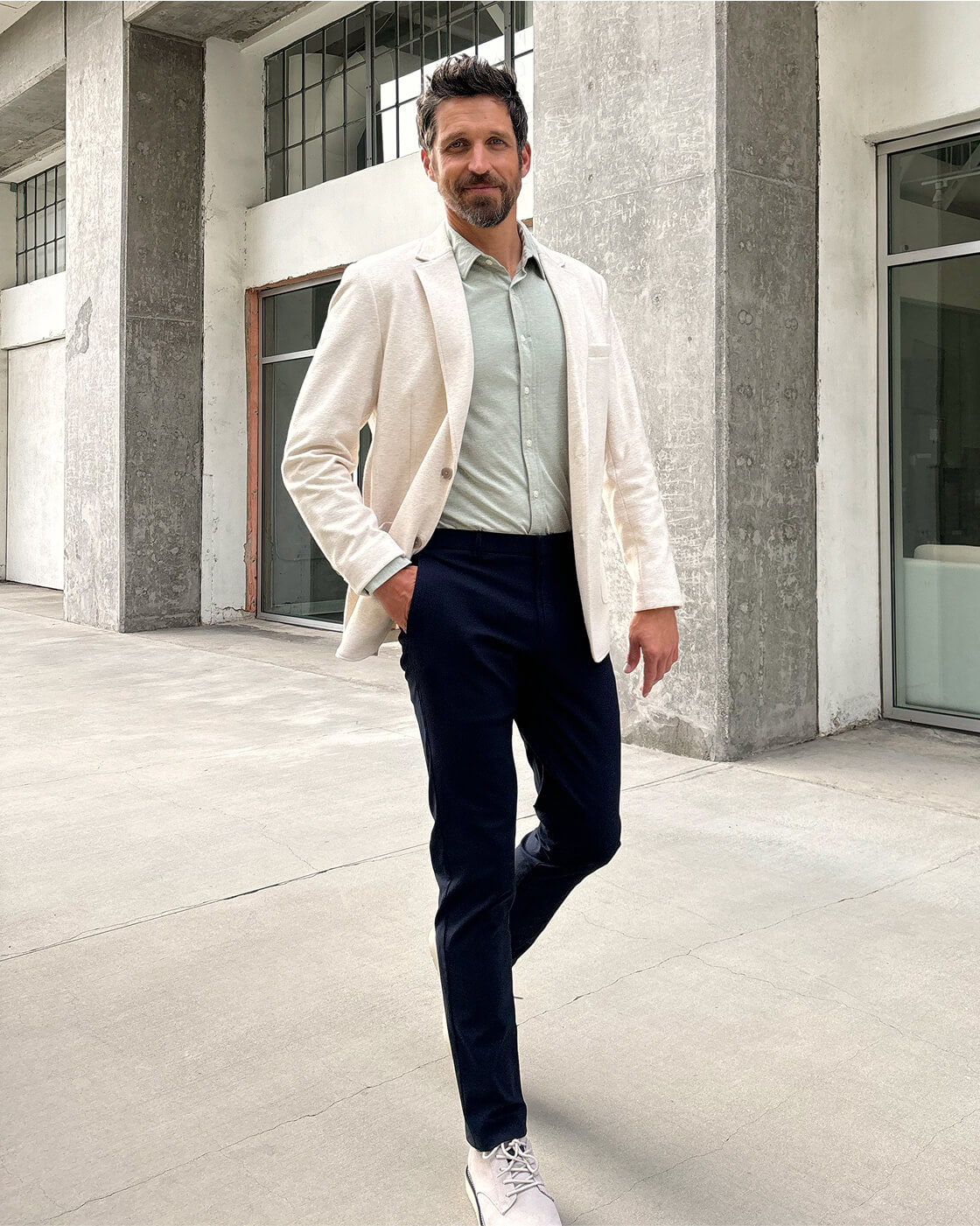
If you do wear jeans, pair them with a blazer and dress shoes to make the look smarter.
Credit: www.stitchfix.com
Are Sneakers Ever Acceptable For Business Casual?
Most offices do not accept sneakers. Some companies allow clean, leather sneakers with no logos. Always check your company’s policy. Dress shoes are a safer choice.
How Many Business Casual Outfits Do I Need?
Start with 5–7 outfits. This lets you rotate clothes and avoid wearing the same thing too often. With smart mixing, you can use fewer pieces for more combinations.
A blazer, three shirts, two pairs of pants, and two pairs of shoes can make many looks.
What Are The Best Brands For Business Casual?
Brands like Uniqlo, Banana Republic, and Brooks Brothers are popular. They offer quality basics and modern styles. You can also check GQ Style for more ideas and inspiration.
Business casual is about feeling confident, comfortable, and ready for work. With the right pieces, smart color choices, and good grooming, you’ll always make a strong impression. Remember: keep it simple, focus on fit, and let your personality show through small details. With these tips, you can build a wardrobe that works for any job, season, or occasion—and feel great every day.
