

Business Casual Ideas for Young Women: Chic Outfits for Work
Finding your style in the workplace can feel tricky, especially if you’re young and new to professional settings. Many offices ask for business casual attire, but this phrase often feels unclear. What does it mean? How formal should you be? And how can you stay comfortable and confident without losing your personality? This guide is here to help you feel ready for work every day, with practical tips, fresh ideas, and real examples.
Business casual is not just about following rules—it’s about expressing yourself and looking polished. If you’re a young woman, you may want to show energy and creativity, but also make a strong impression. Whether you’re starting your first job, heading to an internship, or just want to refresh your wardrobe, these ideas will help you build a look that feels modern, smart, and true to you.
Understanding Business Casual For Young Women
The term business casual covers a range of clothing styles. It’s less formal than classic business wear, but more polished than casual clothes. The goal is to look neat, professional, and relaxed. For young women, business casual offers room for creativity and comfort.
Business casual is flexible, but it’s important to remember the main idea: you are at work, so your outfit should help you focus and interact with coworkers respectfully. For example, you want to look ready for a surprise meeting with your manager or a client, but also comfortable enough to sit at your desk for hours.
Key Elements Of Business Casual
- Tops: Blouses, button-down shirts, fine knit sweaters, or elegant tops. Look for breathable fabrics like cotton, silk, or soft blends that are easy to wear all day. Subtle details—like a small ruffle or simple bow—can add interest without being distracting.
- Bottoms: Dress pants, chinos, pencil skirts, midi skirts, or tailored trousers. Choose pieces that are not too tight or too loose, and that let you move comfortably. High-waisted pants and A-line skirts work well on many body types.
- Shoes: Flats, loafers, low heels, ankle boots. Closed-toe shoes are usually safest. If you choose heels, keep them low (2 inches or less) for comfort.
- Accessories: Simple jewelry, structured bags, belts. A thin belt can give shape to a loose dress, and a structured bag helps you stay organized.
Business casual avoids items like ripped jeans, shorts, graphic t-shirts, and very casual sneakers. However, the details change by company. Some offices are stricter, while others allow more personal touches. Always look around and see what colleagues wear, especially in your first week.
Why Business Casual Matters
Wearing the right clothes at work helps you feel confident and respected. It shows you understand the environment and want to be part of the team. But business casual also lets you move, work, and socialize without feeling stiff.
A survey from Indeed found that 65% of workers feel better about their job when they dress in a way that fits the company culture. For young women, finding this balance can improve both your comfort and your performance.
Wearing business casual also sends a signal to managers and clients that you care about your work. For example, if you’re in a meeting and everyone else is dressed professionally, you’ll blend in and feel part of the team. If you dress too casually, you may feel out of place or less prepared.
Building Your Business Casual Wardrobe
Creating a work wardrobe doesn’t mean buying everything at once. Start with a few basics, then add pieces that show your style.
Think of your wardrobe as a small collection of pieces that all work together. This way, you spend less time in the morning deciding what to wear and more time focusing on your day.
Essential Staples
- Classic Blouse: A white or soft-colored blouse is easy to match and always looks neat. Choose a style that feels comfortable—some prefer button-downs, while others like a simple pullover blouse.
- Tailored Pants: Black, navy, or gray pants work with many tops. Try different cuts—straight, tapered, or wide-leg—to see what fits you best.
- Knit Sweater: Choose a fine knit—light enough for layering. V-neck or crew neck styles are both office-friendly.
- Blazer: Adds structure and polish, even over casual tops. Start with a neutral color like black, navy, or gray. A single-button blazer is versatile and flatters most body shapes.
- Pencil Skirt or Midi Skirt: Both are office-friendly and comfortable. Look for skirts that hit just above or below the knee for the right balance.
- Loafers or Flats: Good for walking and standing. Leather or faux leather styles last longer and look more professional.
- Structured Bag: Keeps your look tidy and organized. A medium-sized tote or satchel fits your essentials and a notebook or tablet.
These basics form the foundation. You can mix and match them for different days and add color or prints for personality.
A non-obvious tip: Consider buying a set of basic nude or black tights for colder seasons. They help skirts and dresses work year-round and add a professional finish.
How To Choose Colors And Patterns
Many young women worry about looking too plain or too bold. Here’s a simple guide:
- Neutral colors: Black, navy, white, beige, and gray are safe and easy to match. They work for any season and give you a base for colorful pieces.
- Accent colors: Soft blues, greens, blush pinks, or burgundy add interest. Choose colors that flatter your skin tone.
- Patterns: Subtle stripes, polka dots, or small florals can work, but avoid loud graphics. Patterns should not distract in meetings or look too casual.
A common mistake is buying only dark colors. You can look lively and professional by choosing one accent piece—a colored blouse, scarf, or shoes.
Pro tip: If you’re unsure about a pattern, hold it next to a plain blazer or cardigan. If it looks balanced, it’s probably a good choice for work.
Outfit Ideas For Different Seasons
Weather changes mean your work clothes need to adapt. Here are ideas for each season, with real examples.
Spring
Spring is about fresh colors and lighter fabrics.
- Soft pastel blouses with gray trousers. Add a light scarf for chilly mornings.
- Midi skirts with light sweaters and loafers. If your office is cool, bring a cardigan.
- Floral print tops under a neutral blazer. Keep patterns small for a polished look.
Layering is especially helpful in spring, as temperatures can change throughout the day.
Summer
Choose breathable fabrics and short sleeves.
- Sleeveless blouses with ankle pants. Try linen or cotton blends to stay cool.
- Short-sleeved dresses with a belt. A-line styles are comfortable and look tidy.
- Lightweight cardigans for air-conditioned offices. Pick one in a fun color for variety.
Add a pair of comfortable, closed-toe flats or sandals (if allowed) for hot days. Avoid thin, see-through fabrics—always check in bright light before wearing.
Fall
Layering is key in fall.
- Long-sleeve tops with plaid skirts and tights. Add ankle boots for a trendy but professional look.
- Knit sweaters with tailored pants. Earth tones like rust, mustard, and olive work well.
- Darker colors like burgundy or forest green. Mix with lighter items to avoid looking too heavy.
A scarf in a rich color can be both stylish and practical as the weather cools.
Winter
Stay warm but stylish.
- Wool pants with turtleneck sweaters. Look for lined trousers for extra warmth.
- Knee-length skirts with opaque tights and ankle boots. Add a long coat or pea coat.
- Thick blazers or smart coats. Choose tailored outerwear that matches your work outfits.
Layering keeps you warm—try a thin undershirt beneath your blouse, or double up on sweaters if your office is cold.
These combinations keep you comfortable and help you adjust to changing temperatures.
Comparison: Business Casual Vs. Formal Office Wear
Sometimes it’s hard to know if your clothes are “business casual” or too formal. Here’s a simple comparison:
| Business Casual | Formal Office Wear |
|---|---|
| Blouses or knit tops | Collared shirts or dressy blouses |
| Tailored pants, midi skirts | Suit pants or pencil skirts |
| Loafers, flats, ankle boots | Heels or closed-toe dress shoes |
| Subtle prints or colors | Solid, dark colors |
| Simple accessories | Minimal or classic jewelry |
Business casual is more relaxed, but still neat and tidy. Formal wear is stricter, often requiring suits or dresses.
If you’re ever unsure, it’s better to dress slightly more formal on your first day. You can always adjust once you understand your office’s culture.
Smart Ways To Personalize Your Business Casual Style
Office clothes don’t need to be boring. You can show your personality in small ways.
Adding Color
Pick one colorful item per outfit. For example:
- A bright blue blouse with neutral pants.
- Burgundy loafers with a gray skirt.
This draws attention without overpowering your look.
Try experimenting with different shades each season. In spring, choose pastels; in fall, try deep reds or greens. Even a colored belt or watch band can add a pop of interest.
Using Accessories
Simple jewelry can change an outfit. Try:
- Gold or silver stud earrings.
- A slim watch.
- Patterned scarves.
But avoid large or noisy items. A good rule: If it distracts in a meeting, it’s too much.
Switching up your accessories can make old outfits feel new. For example, a pearl necklace adds a classic touch, while a geometric pendant feels modern.
Mixing Fabrics
Combining different textures makes your outfit interesting. Try pairing:
- A silk blouse with wool pants.
- A knit sweater with a cotton skirt.
Mixing fabrics not only looks stylish, but also feels more comfortable in changing temperatures.
Non-obvious idea: Try subtle texture mixing—like a tweed blazer over a smooth cotton dress—for a unique but professional look.
Mistakes Young Women Often Make With Business Casual
Learning what to avoid can save you stress and money.
- Too Casual: Wearing jeans, sneakers, or t-shirts—even if some offices allow it, these rarely look polished.
- Too Formal: Full suits or high heels can seem stiff and uncomfortable.
- Ignoring Fit: Clothes that are too loose or too tight distract from your skills.
- Over-accessorizing: Large jewelry, bold bags, or loud prints can draw attention away from your work.
- Skipping Layers: Without a blazer or cardigan, outfits may seem unfinished.
- Not Checking Dress Codes: Each company has its own rules—always ask if you’re unsure.
An insight many miss: Fit matters more than price. A well-fitted $40 blazer looks better than an expensive, oversized one.
Another common mistake is not thinking about the whole outfit. For example, wearing a nice blouse with very casual pants or shoes can make your look feel incomplete. Try standing in front of a mirror and asking, “Would I feel comfortable if I had to meet a client right now?
”
Affordable Business Casual Shopping Tips
You don’t need a big budget to look professional. Here’s how to shop smart:
Where To Buy
- Outlet stores: Brands like Banana Republic, J.Crew, and Ann Taylor offer discounts.
- Online retailers: Sites like ASOS, H&M, and Zara have affordable options.
- Thrift stores: Gently used blazers or skirts can be found for less.
Try shopping during holiday sales or at the end of each season, when stores offer the biggest discounts. Don’t forget about local boutiques—sometimes they carry unique pieces at good prices.
How To Save Money
- Start with basics, then add special pieces over time.
- Buy mix-and-match items that work for both office and weekend.
- Look for sales at the end of each season.
A useful tip: Try on clothes before buying, or check return policies. This avoids buying items that don’t fit well.
Invest in classic pieces rather than trendy ones. Trends change quickly, but a simple blazer or black pants will last for years. When possible, spend a bit more on shoes—they need to be comfortable and durable.
Business Casual For Young Women In Different Industries
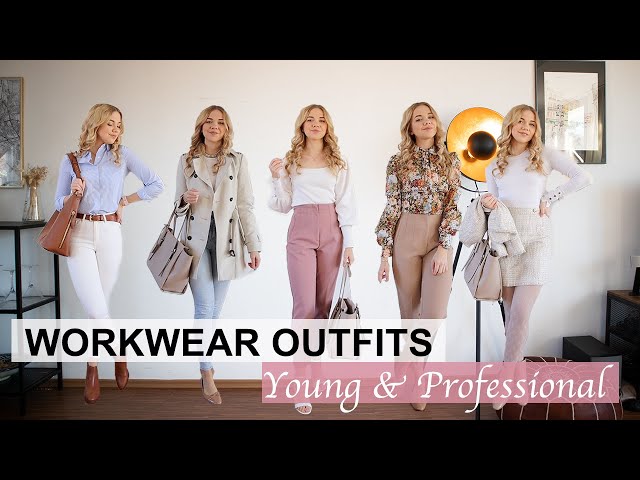
Workplaces vary. What’s business casual in a tech startup may not fit a law office. Here’s how to adapt:
Tech Or Creative Companies
- More freedom with colors, patterns, and casual shoes.
- Trendy tops, relaxed pants, and creative accessories.
You might see people wearing bold prints or bright sneakers. Still, keep your look clean and avoid anything that could be seen as sloppy.
Finance Or Law
- More structured outfits—blazers, pencil skirts, classic colors.
- Simple jewelry, closed-toe shoes, conservative styles.
In these offices, it’s safer to choose classic shapes and avoid anything too trendy or flashy.
Education Or Healthcare
- Comfortable, washable fabrics.
- Cardigans, flat shoes, and practical bags.
You may need to move around a lot, so comfort is extra important. Look for easy-care fabrics and shoes with support.
A key insight: Ask coworkers or HR about expectations. Many companies have guides or even photos of suggested outfits.
If you’re ever unsure, start with more formal pieces, then adjust as you learn more about your workplace.
Credit: www.youtube.com
How To Transition From College To Business Casual
Many young women move from college, where jeans and t-shirts are normal, to an office where business casual is expected.
Tips For A Smooth Transition
- Invest in 4–5 key pieces you can mix and match.
- Practice wearing your new clothes at home to get used to them.
- Start with simple, neutral colors, then add personality as you get comfortable.
If you’re used to carrying a backpack, try switching to a tote or laptop bag. They look more professional and help you organize your work items.
Avoid bringing old habits into the office—like wearing backpacks or sneakers. Instead, switch to a structured bag and formal shoes.
It’s normal to feel awkward at first. Give yourself time to adjust, and notice which outfits help you feel the most confident.
Creating A Week Of Business Casual Outfits
To make mornings easier, plan your outfits ahead. Here’s a sample week:
- Monday: White blouse, navy trousers, loafers, silver earrings.
- Tuesday: Soft pink knit sweater, gray skirt, flats.
- Wednesday: Patterned blouse, black pants, ankle boots.
- Thursday: Sleeveless top, midi skirt, cardigan, gold watch.
- Friday: Striped shirt, tailored pants, burgundy loafers.
You can repeat key pieces—like pants or shoes—without anyone noticing. Changing tops and accessories makes outfits feel fresh.
Lay out your clothes the night before to save time. If you spill something or change your mind in the morning, you have a backup ready.
This approach saves time and lets you focus on work, not wardrobe stress.
Business Casual For Remote Work
Even if you work from home, business casual still matters. Video meetings require a polished look.
Tips For Remote Work Style
- Wear neat tops (blouses, sweaters) that look good on camera.
- Keep pants comfortable but professional—avoid pajamas.
- Use light colors to brighten your appearance online.
Try to avoid busy prints or stripes, which may look strange on video. Solid colors often appear best.
An overlooked tip: Bright colors (blue, pink, green) help you look more engaged on video calls.
Also, keep a blazer or cardigan on the back of your chair. You can quickly put it on for meetings and look instantly more professional.
Caring For Your Business Casual Clothes
Proper care keeps your outfits looking fresh longer.
Laundry And Maintenance
- Wash delicate fabrics separately.
- Hang blouses and trousers to avoid wrinkles.
- Polish shoes regularly.
For stubborn stains, treat them right away with a gentle stain remover. Check labels before washing—many work clothes need cold water or air drying.
Storing Clothes
- Use hangers for blazers and skirts.
- Fold sweaters and knits to keep their shape.
If space is tight, hang your most-used items and store off-season clothes in bins or boxes.
A non-obvious tip: Steam your clothes instead of ironing. It’s faster and keeps fabrics safe.
Regular steaming also helps remove odors and keeps clothes looking crisp between washes.
How Accessories Can Enhance Your Business Casual Look
Accessories are powerful. They can make a simple outfit stand out, but must be chosen carefully.
Types Of Accessories
- Jewelry: Small hoops, simple necklaces, elegant bracelets.
- Belts: Add shape to loose dresses or tops.
- Scarves: Lightweight scarves for color and style.
Other options include brooches or hair clips, but keep them subtle.
Choosing The Right Accessories
- Match metals (gold, silver) to your outfit for harmony.
- Keep items small and subtle.
One accessory per outfit is often enough—like a statement necklace with a plain blouse or a patterned scarf with a simple dress.
Over-accessorizing is a common mistake. One or two pieces are enough.
Business Casual Outfits For Different Body Types
Everyone’s shape is unique. Here’s how to pick outfits that flatter you.
| Body Type | Recommended Styles | What to Avoid |
|---|---|---|
| Petite | High-waisted pants, fitted blazers | Oversized tops |
| Tall | Midi skirts, long blouses | Mini skirts |
| Curvy | Wrap dresses, structured jackets | Baggy clothes |
| Athletic | Pencil skirts, tailored trousers | Loose pants |
Choosing the right fit makes you look your best and feel confident.
If you’re unsure about sizing, visit a tailor for small adjustments. Even basic pieces look more expensive when they fit perfectly.

Credit: www.reddit.com
Sustainable Business Casual Choices
More young women want to shop responsibly. Sustainable options are growing.
How To Find Eco-friendly Workwear
- Look for brands using organic cotton or recycled fabrics.
- Buy fewer, better-quality pieces that last.
- Shop secondhand for unique finds.
You can also donate or swap clothes with friends to reduce waste. Some brands offer take-back programs to recycle old workwear.
According to the Fashion Revolution movement, buying just one less new item per month can reduce your carbon footprint by 20%.
For more tips, see Fashion Revolution.
Business Casual Dos And Don’ts
Getting business casual right is easier with clear rules.
Dos
- Do check your company’s dress code.
- Do choose clothes that fit well.
- Do add personality with color or accessories.
- Do keep shoes clean and comfortable.
Keep a lint roller in your bag or desk drawer for quick touch-ups.
Don’ts
- Don’t wear ripped or dirty clothes.
- Don’t over-accessorize.
- Don’t ignore fit or comfort.
- Don’t forget layers—blazers and cardigans finish your look.
Many beginners miss the importance of shoes. Clean, well-chosen shoes make a big difference, even if your outfit is simple.
Another don’t: Don’t forget about posture and confidence. The best outfit is one you wear proudly.
Credit: www.reddit.com
Frequently Asked Questions
What Is The Difference Between Business Casual And Smart Casual?
Business casual is more formal than smart casual. It includes tailored pants, blouses, and structured shoes. Smart casual allows jeans, trendy tops, and casual shoes, but still looks neat. Both aim for comfort, but business casual fits more traditional offices.
Can I Wear Jeans As Part Of Business Casual?
Usually, jeans are not considered business casual. Some offices allow dark, well-fitted jeans with a blazer, but avoid ripped or faded styles. Always check your company’s dress code before wearing jeans.
Are Sneakers Allowed In Business Casual Outfits?
Most business casual guidelines exclude sneakers. However, some modern offices allow clean, minimalist sneakers in neutral colors. If unsure, start with loafers or flats, then observe what others wear.
How Can I Add Personality To My Business Casual Look?
Use accessories like scarves, jewelry, or a colorful bag. Choose tops with subtle prints or unique colors. Mix textures, like pairing a silk blouse with a knit skirt. Small touches make your outfit stand out.
Is It Necessary To Wear A Blazer Every Day?
No, a blazer is not required daily. You can use cardigans, sweaters, or structured tops. However, a blazer quickly adds polish, so it’s useful for meetings or presentations.
Finding your business casual style as a young woman is a journey. With the right staples, smart choices, and a few personal touches, you can look professional and feel true to yourself. Business casual is about balance—neat, comfortable, and unique.
Start with basics, learn from experience, and don’t be afraid to try new looks. Your confidence and creativity will shine every day at work.
