

Business Casual Guide for Men: Dress Sharp and Impress Every Day
Business Casual Guide For Men
Business casual is a term most men hear often, but it’s not always clear what it really means. If you walk into an office, you may see a mix of dress shirts, chinos, blazers, and even sneakers. The right balance is important: you want to look professional but not overdressed, comfortable but not sloppy. This guide gives you everything you need to know about business casual for men, from the essential pieces to smart styling tips and common mistakes to avoid. Whether you’re starting a new job, updating your wardrobe, or just want to feel more confident at work, you’ll find practical advice and real examples here.
What Does Business Casual Mean?
Business casual is a style of dress that combines elements of formal and informal clothing. It’s meant for professional environments where a full suit is not required, but jeans and t-shirts are too relaxed. The goal is to look neat, approachable, and ready for business.
The definition of business casual can change from one company to another. Some places are stricter, others are more relaxed. Usually, business casual means:
- Collared shirts (like dress shirts or polos)
- Dress pants or chinos
- Dress shoes or clean loafers
- Optional blazer or sweater
It does not mean:
- Shorts
- Graphic t-shirts
- Flip-flops
- Ripped jeans
A good rule: if you’re not sure, dress slightly more formal. It’s easier to remove a tie or blazer than to feel underdressed.
Core Elements Of A Business Casual Wardrobe
Building a business casual wardrobe is not just about buying random clothes. You need pieces that work together and fit your lifestyle. Here are the essentials every man should own.
Shirts
Dress shirts are the foundation. Choose plain colors like white, light blue, or pale pink. Subtle patterns (like stripes or checks) are also fine. Avoid shirts with bold prints or logos.
Polo shirts are good for warmer days or very relaxed offices. Make sure they’re clean, fitted, and free of wrinkles.
Button-down oxford shirts are a versatile option. They work with or without a blazer and look smart tucked or untucked.
Pants
Chinos are the classic business casual pant. They’re comfortable, look sharp, and come in many colors. Stick to neutral shades like navy, khaki, or gray.
Dress slacks are a step up in formality. Wear them for meetings or days when you need to impress.
Dark jeans (no rips, no fading) can work in some creative or tech offices. Always check your company’s dress code.
Shoes
Leather dress shoes (like oxfords or derbies) are always safe.
Loafers and brogues add personality and comfort.
Minimalist sneakers can work in very relaxed settings, but they must be clean and simple.
Layers
Blazers are the easiest way to upgrade your look. Choose unstructured blazers for a relaxed feel.
Sweaters (crew neck or v-neck) are perfect for cold days. Wear over a shirt for a classic look.
Cardigans are less formal but comfortable for casual offices.
Accessories
Belts should match your shoes.
Watches add professionalism.
Socks should be plain or subtly patterned.
Ties are optional, but can be useful for important meetings.
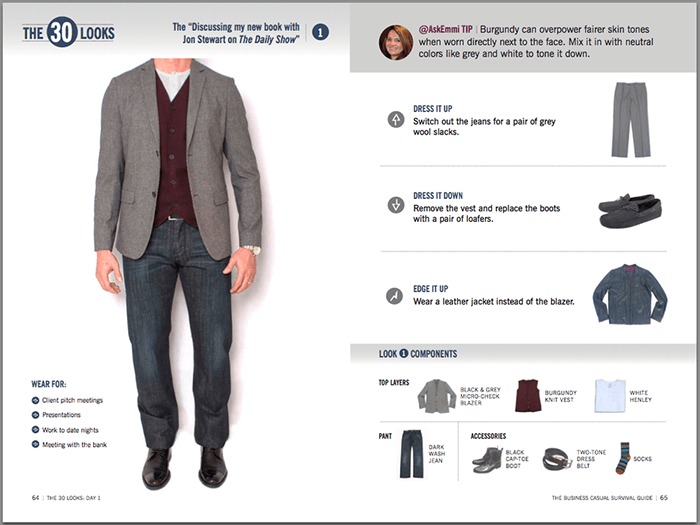
Credit: chubstr.com
How To Choose Business Casual Clothes
Picking the right pieces is about more than style. Fit, material, and color matter too. Here’s how to make smart choices.
Fit
Fit is the most important factor. Even expensive clothes look bad if they don’t fit. Your shirt should not billow out, and your pants should not bunch up.
Try these quick checks:
- Shoulders: Seams should sit at the edge of your shoulder
- Sleeves: Should end at your wrist bone
- Pants: Should break gently over your shoes
If you’re unsure, visit a tailor. Small adjustments can make a big difference.
Material
Cotton is popular for shirts and chinos. It’s breathable and easy to care for.
Wool is used for dress pants and blazers. It looks sharp and resists wrinkles.
Synthetic blends (like polyester) can be cheaper and durable, but sometimes feel less comfortable.
Choose materials based on your climate and how often you’ll wear them. For hot areas, go for lighter fabrics. For cold offices, try wool or thicker blends.
Color
Neutral colors are best. Navy, gray, white, beige, and black are easy to mix and match. You can add color through accessories or subtle shirt patterns.
Avoid overly bright colors or busy prints. They can distract and look unprofessional.
Building A Business Casual Capsule Wardrobe
A capsule wardrobe is a small set of clothes that mix well together. It saves money and makes dressing easier. Here’s an example capsule for business casual:
- Three dress shirts (white, blue, and a subtle stripe)
- Two polo shirts (navy and gray)
- Two pairs of chinos (khaki and navy)
- One pair of dress slacks (charcoal)
- One unstructured blazer (navy)
- One crew neck sweater (gray)
- One pair of loafers (brown)
- One pair of dress shoes (black)
- Two belts (brown and black)
- Three pairs of socks (plain or subtle patterns)
- One classic watch
With these items, you can create dozens of looks. For example:
- Shirt + chinos + loafers = everyday office
- Shirt + slacks + blazer + dress shoes = important meeting
- Polo + chinos + sneakers = casual Friday
This approach keeps your wardrobe simple and effective.
Comparing Business Casual To Other Dress Codes
Understanding the difference between business casual and other dress codes helps avoid mistakes. Here’s a quick comparison:
| Dress Code | Allowed Items | Not Allowed |
|---|---|---|
| Business Casual | Dress shirts, chinos, loafers, blazers | Jeans, shorts, sneakers (in most offices) |
| Formal | Suits, ties, dress shoes | Chinos, polos, casual shoes |
| Smart Casual | Dress shirts, dark jeans, stylish sneakers | Shorts, flip-flops, graphic tees |
| Casual | T-shirts, jeans, sneakers | Dress shirts, slacks, blazers |
Business casual is between formal and casual. It’s less strict than a full suit, but more polished than jeans and t-shirts.
How To Style Business Casual For Different Occasions
Business casual is flexible. You can adjust your look for meetings, presentations, after-work events, or interviews.
Meetings
For important meetings, dress one step up. Wear a blazer over your shirt and choose dress slacks instead of chinos. Add a tie if the meeting is formal.
Presentations
When presenting, you want to look sharp but approachable. A crisp shirt, slim-fit chinos, and clean dress shoes work well. Add a sweater or blazer for extra polish.
After-work Events
For drinks or social events, you can relax your look. Untuck your shirt, switch to loafers, or add a stylish watch. Avoid anything too casual like sneakers, unless your office allows them.
Job Interviews
Most companies expect business casual for interviews unless told otherwise. Choose a dress shirt, chinos or dress pants, and a blazer. Make sure everything is clean and fits well.
Business Casual For Different Body Types
Not every piece suits every body type. Here’s how to choose business casual clothes that flatter your shape.
| Body Type | Tips for Business Casual |
|---|---|
| Lean/Athletic | Choose slim-fit shirts and pants to highlight your shape. Avoid baggy clothes. |
| Broad/Stocky | Go for regular fit, not slim. Look for structured blazers and vertical stripes to elongate your frame. |
| Tall | Pick long-sleeved shirts and pants with longer inseams. Avoid very short jackets. |
| Short | Wear fitted clothes and avoid oversized items. Choose single-color outfits to appear taller. |
A good fit makes you look confident and comfortable.
Practical Business Casual Tips
Small details make a big difference in business casual. Here are some practical tips to help you stand out:
- Iron your clothes: Wrinkles look sloppy, even in casual offices.
- Polish your shoes: Clean shoes show you care.
- Check for stains: Always inspect your clothes before leaving.
- Keep accessories simple: Avoid flashy watches or loud ties.
- Rotate your outfits: Don’t wear the same thing every day.
Two non-obvious insights:
- Many men overlook the importance of sock choice. Patterned or colored socks can add personality without breaking dress code. Just keep them subtle.
- Layering is not just for cold weather. A lightweight blazer or cardigan can hide sweat stains, add shape to your outfit, and help you transition from office to after-work events.
Mistakes To Avoid With Business Casual
Even experienced professionals make business casual mistakes. Here’s what to watch out for:
- Wearing athletic shoes: Stick to dress shoes or loafers unless sneakers are allowed.
- Untucked shirts that are too long: If you untuck, make sure your shirt is designed for it.
- Ignoring company culture: Always observe what managers and coworkers wear.
- Mixing too many patterns: One pattern per outfit is enough.
- Forgetting grooming: Clean hair and nails matter as much as clothes.
A common beginner mistake is thinking business casual means "anything goes. " It's not about comfort alone—it's about looking ready for business.
Seasonal Business Casual: Dressing For Weather
Different seasons need different approaches. Here’s how to stay business casual year-round.
Summer
- Choose lightweight fabrics like cotton or linen.
- Wear short-sleeved shirts or polos.
- Avoid heavy blazers or sweaters.
- Stick to lighter colors.
Winter
- Layer with sweaters, cardigans, or wool blazers.
- Wear thicker chinos or wool pants.
- Consider darker colors for a warm look.
- Don’t forget a smart coat for commuting.
Rainy Days
- Use a water-resistant jacket or trench coat.
- Choose shoes that can handle moisture.
- Keep an umbrella handy.
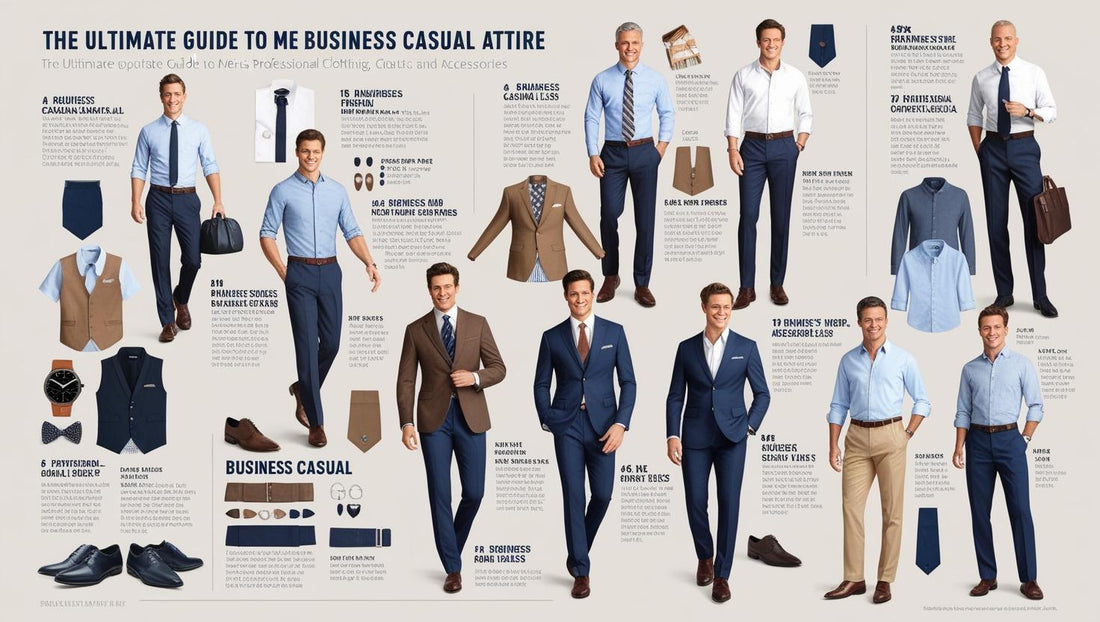
Credit: www.ozmod.in
Business Casual Around The World
Business casual is not the same everywhere. In the US, it’s usually more relaxed than in Europe or Asia. For example, in London, you may see more structured blazers and ties. In Tokyo, business casual can be nearly as formal as business professional.
If you travel or work internationally, always check local dress norms. Adapt your style as needed.
How To Shop For Business Casual
When shopping, don’t just buy what’s on sale. Think about fit, versatility, and durability.
- Try everything on before buying.
- Look for clothes that mix well with your current wardrobe.
- Read care instructions. Machine-washable items save time.
- Invest in quality shoes—they last longer and look better.
Many stores offer “business casual” sections. If you’re unsure, ask staff for help or look for brands with good reviews.
For more detailed examples, check resources like GQ Style.
Budgeting For Business Casual
You don’t need to spend a fortune. Start with a few essentials, then add more over time. Here’s a quick price comparison for common items:
| Item | Budget ($) | Mid-range ($) | Premium ($) |
|---|---|---|---|
| Dress Shirt | 20–40 | 50–100 | 150+ |
| Chinos | 25–50 | 60–120 | 200+ |
| Blazer | 60–120 | 130–250 | 300+ |
| Dress Shoes | 40–80 | 90–200 | 300+ |
You can build a basic business casual wardrobe for $250–500, depending on where you shop. Choose quality for shoes and blazers, as these last longer.
Business Casual For Remote Work
With more people working from home, business casual has changed. Here’s how to look professional on video calls:
- Wear a collared shirt or polo, even if you’re at home.
- Choose simple colors and avoid busy patterns.
- Make sure your clothes are clean and wrinkle-free.
- Use a blazer or sweater for important meetings.
One smart tip: Keep a blazer nearby. You can quickly put it on for video meetings, even over a t-shirt.
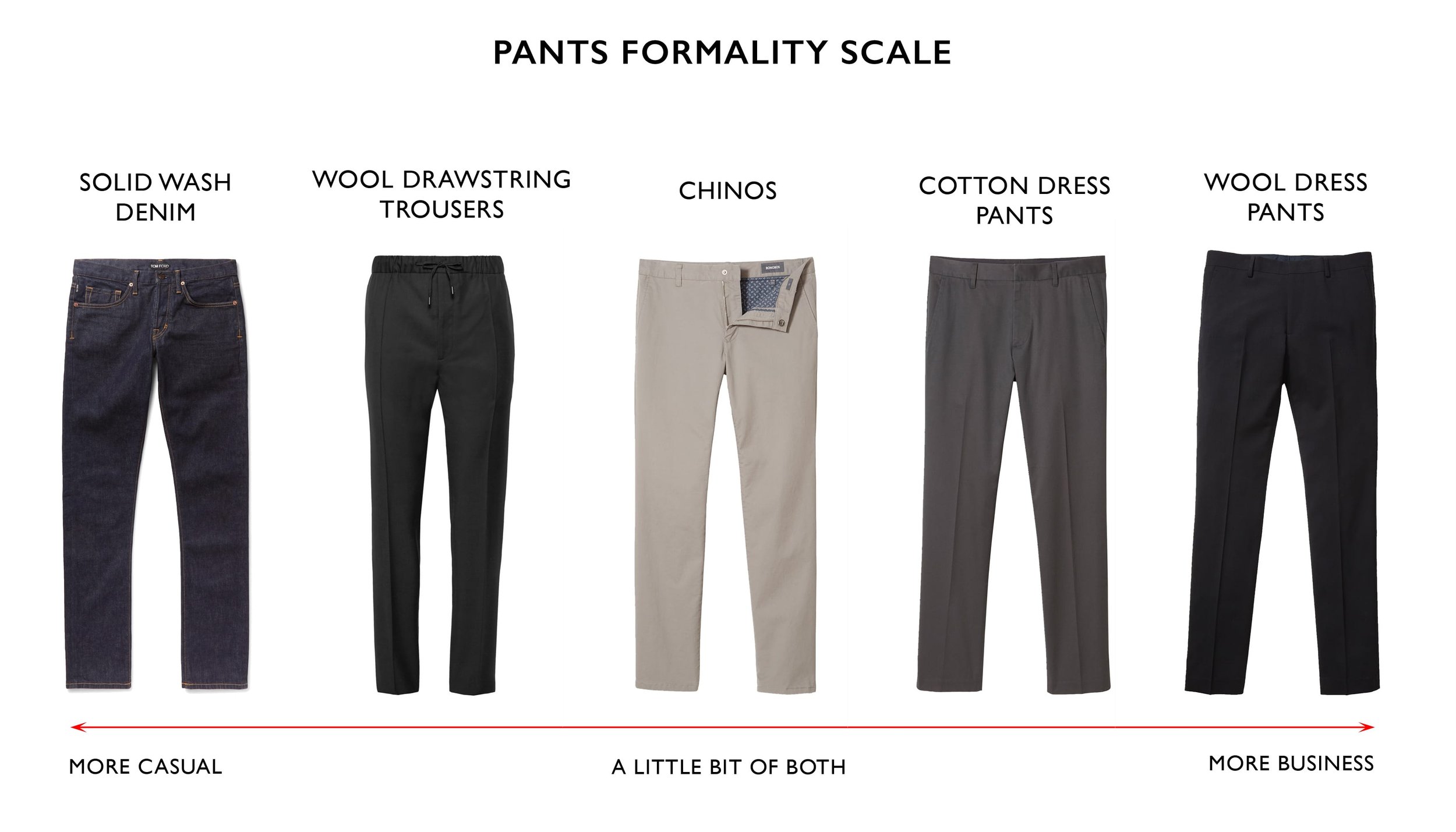
Credit: www.theessentialman.com
Business Casual For Special Events
Sometimes, you need to dress business casual for events like networking, company parties, or client lunches.
- For networking: Choose a crisp shirt, chinos, and loafers. Add a blazer if the event is formal.
- For company parties: You can relax a bit. Try a patterned shirt or stylish sweater.
- For client lunches: Dress slightly better than your client. If unsure, ask your manager.
Sustainable And Ethical Business Casual
Many men now look for sustainable and ethical options. Choose brands that use eco-friendly materials, fair labor, and good manufacturing practices.
- Look for organic cotton or recycled fabrics.
- Buy fewer, better items instead of fast fashion.
- Repair and care for your clothes to extend their life.
Some brands publish sustainability reports. Check their websites for details.
Frequently Asked Questions
What Is The Difference Between Business Casual And Smart Casual?
Business casual is more professional and usually includes collared shirts, chinos, and dress shoes. Smart casual is more relaxed, allowing dark jeans, stylish sneakers, and casual jackets.
Can I Wear Jeans For Business Casual?
In some offices, dark, well-fitted jeans are allowed. Avoid ripped or faded jeans. Always check your company’s dress code before wearing jeans.
Are Sneakers Acceptable For Business Casual?
Sneakers are not typical business casual. In creative or tech companies, minimalist, clean sneakers may be okay. Make sure they’re free of logos and dirt.
Do I Need To Wear A Tie With Business Casual?
Ties are optional for business casual. Wear one for important meetings or if your office is more formal. Most business casual looks don’t require a tie.
How Do I Make Business Casual Outfits More Stylish?
Add personality with accessories like a nice watch, subtle socks, or a patterned shirt. Use layers (blazers, sweaters) and choose clothes that fit well. Avoid mixing too many patterns or colors.
Business casual is about balance: looking ready for business, comfortable, and confident. With these tips, you can build a wardrobe that works for any office or event. Whether you’re new to the workplace or just want to upgrade your style, remember that the right fit, good materials, and attention to detail will always make you stand out.
