

Business Casual Can You Show Shoulders? Dress Code Explained
Business Casual: Can You Show Shoulders?
Business casual dress codes are everywhere today. From tech startups to law firms, more workplaces are relaxing their rules. But what does "business casual" really mean? And a question many people ask: Can you show shoulders in a business casual outfit? If you’re not sure, you’re not alone. Dress codes can feel confusing, especially when you want to look professional but also comfortable.
This article explores what business casual means, the role of shoulders in workplace fashion, and how companies view exposed shoulders. You’ll learn how to decide if showing your shoulders is okay, get practical tips for choosing tops, and see real examples.
We’ll also compare global standards and look at how culture, gender, and job type affect the answer. By the end, you’ll know how to dress confidently without making mistakes.
What Is Business Casual?
Many people think business casual is just "less formal business wear." But the truth is, business casual can look different from company to company. It usually means you don’t have to wear a suit and tie every day, but you still need to look professional.
Common items in business casual include:
- Dress pants or skirts
- Collared shirts and blouses
- Sweaters or cardigans
- Closed-toe shoes
- No jeans (in many workplaces)
- No sneakers or flip-flops
But the details matter. Some companies allow jeans, some don’t. Some expect jackets, others are fine with just a shirt. And when it comes to shoulders, rules are often unclear.
Why Shoulders Matter In Business Casual
Shoulders are a unique area in dress codes. Unlike legs or feet, shoulders can signal both formality and comfort. Some cultures view bare shoulders as too casual or even inappropriate, while others are more relaxed.
In business casual, shoulders matter for three reasons:
- Professional image: Covered shoulders are often seen as more polished.
- Cultural sensitivity: Some cultures expect modesty, including covered shoulders.
- Gender expectations: Women’s tops are often more varied, so the question comes up more for them.
Many dress codes don’t mention shoulders directly, leading to confusion and mistakes.
How Companies Decide: Shoulders In Business Casual
Different companies have different views on exposed shoulders. Let’s look at how some major industries handle the question.
| Industry | Shoulders Allowed? | Notes |
|---|---|---|
| Tech | Often Yes | Relaxed dress codes, creative culture |
| Finance | Rarely | Formal, conservative traditions |
| Education | Sometimes | Depends on school policies |
| Healthcare | No | Strict hygiene and professional standards |
| Retail | Often Yes | Fashion-focused, flexible rules |
| Law | No | Formal, high expectations |
Most companies don’t write clear rules about shoulders. Instead, they rely on managers’ judgment or employees’ common sense.
Types Of Tops: Which Show Shoulders?
To understand what counts as showing shoulders, let’s look at common top styles.
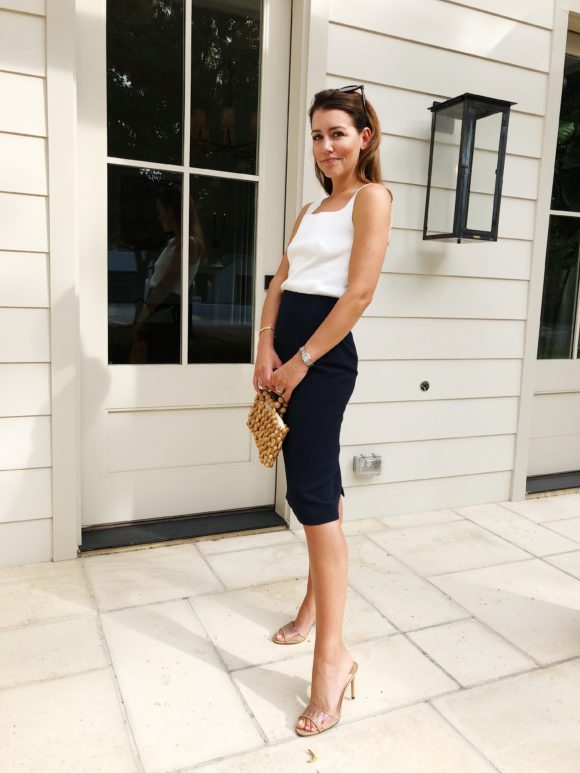
- Sleeveless blouse: Shoulders exposed, but usually neat and structured.
- Tank top: Shoulders and arms exposed, often seen as casual.
- Spaghetti strap top: Thin straps, more revealing, often not allowed.
- Cap sleeve: Covers the top of the shoulder, seen as more formal.
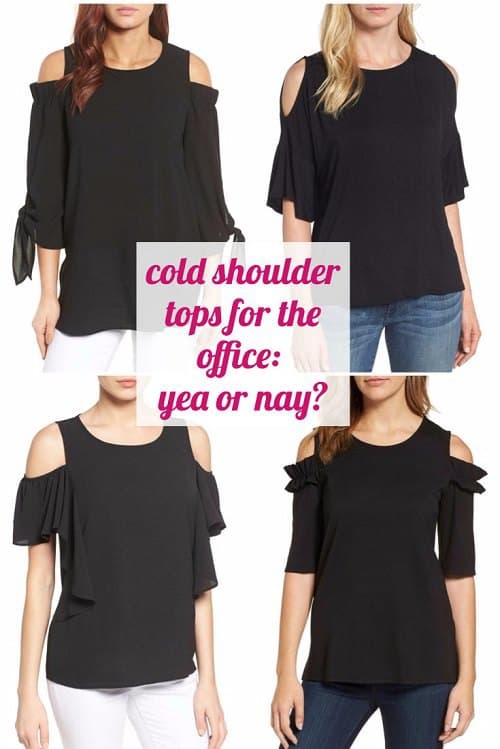
- Cold shoulder top: Has cut-outs, shoulder partially exposed.
- Off-shoulder top: Both shoulders exposed, seen as casual or trendy.
Not all tops that show shoulders are the same. A sleeveless blouse can look professional, while a tank top might not.
Credit: www.dallaswardrobe.com
Shoulders And Business Casual: Global Comparison
Workplaces in different countries have different views on exposed shoulders. Here’s a comparison of popular regions.
| Region | Shoulders in Business Casual | Notes |
|---|---|---|
| United States | Sometimes Allowed | Depends on company, region, climate |
| Europe | Usually Allowed | More relaxed in creative fields |
| Middle East | Not Allowed | Modesty required, shoulders covered |
| Asia | Rarely Allowed | Conservative, modest dress preferred |
| Australia | Often Allowed | Casual culture, hot climate |
Climate also affects what’s allowed. Warmer countries are sometimes more flexible, but not always.
Guidelines: When Is Showing Shoulders Appropriate?
If you’re unsure about showing shoulders at work, use these guidelines:
- Check the dress code: Always start with your company handbook or HR policy.
- Observe your coworkers: Look at what others wear, especially those in leadership.
- Consider your role: Customer-facing jobs usually expect more coverage.
- Think about meetings: For important meetings, cover shoulders to play it safe.
- Season and climate: Summer may allow more flexibility, but don’t assume.
- Bring a backup: Keep a cardigan or blazer at your desk for unexpected situations.
Many people make the mistake of thinking business casual means "anything goes. " But showing shoulders is often a gray area, so caution is wise.
Shoulders And Gender: Different Expectations
Women face more questions about shoulders in business casual. Men’s business casual is usually defined by shirts with sleeves. But for women, the options are broader.
Why Women’s Dress Codes Are More Complex
Women’s tops vary in style, fabric, and cut. Some are made to show shoulders, others aren’t. This leads to confusion, especially when there are no clear rules.
Common mistakes include:
- Wearing thin straps in formal workplaces
- Choosing tops that are too revealing
- Not checking company culture before wearing sleeveless tops
Men rarely face these issues, as sleeveless shirts are almost never seen as business casual.
How To Choose: Practical Tips For Women
If you want to wear a sleeveless top, ask yourself:
- Is the fabric structured and professional?
- Are the armholes modest, not too low?
- Would you feel comfortable meeting a client or manager?
- Can you add a blazer or cardigan if needed?
Many women use sleeveless blouses in business casual, but avoid spaghetti straps and off-shoulder styles.
Shoulders In Formal Vs. Business Casual
It helps to compare business casual to formal dress codes.
| Dress Code | Shoulders Allowed? | Examples |
|---|---|---|
| Formal | No | Suits, blazers, long sleeves |
| Business Casual | Sometimes | Sleeveless blouses, cap sleeves |
| Casual | Yes | T-shirts, tank tops, off-shoulder tops |
In formal settings, shoulders should always be covered. In business casual, the answer depends on company culture and top style.
Real Examples: What Is Accepted?
To make things clear, let’s look at real-life examples:
- Tech company in California: Employees wear sleeveless tops in summer, but avoid spaghetti straps.
- Bank in New York: Sleeveless tops are not allowed; shoulders must be covered.
- University in Europe: Professors wear sleeveless blouses, but keep jackets nearby for meetings.
- Retail store in Sydney: Staff wear sleeveless dresses and tops, as long as they are not too revealing.
Non-obvious insight: Some companies allow sleeveless tops only if you wear a cardigan or blazer. Others allow them only for internal days, not when clients visit.
Common Mistakes When Showing Shoulders
Many people make mistakes when trying to dress business casual. Here are some frequent errors:
- Choosing thin straps: Spaghetti straps look too casual or even unprofessional.
- Wearing off-shoulder tops: These are trendy, but not for business settings.
- Ignoring company culture: What’s allowed in one office may not be in another.
- Forgetting about meetings: Important meetings require more formal dress.
- Assuming summer means less dress code: Hot weather doesn’t always mean relaxed rules.
Non-obvious insight: Even if your boss wears sleeveless tops, it doesn’t always mean you should. Senior staff often have more freedom.
How To Cover Shoulders Without Losing Style
If you want to look stylish and still follow business casual rules, try these ideas:
- Layering: Add a cardigan or light blazer over sleeveless tops.
- Structured sleeveless: Pick tops made from thicker fabric with neat cuts.
- Cap sleeves: Slight coverage can make a big difference.
- Dressy scarves: Use a scarf to cover shoulders for meetings.
- Button-up shirts: Roll up sleeves for comfort, but keep shoulders covered.
These solutions help you stay comfortable and professional.
Shoulders And Interviews: What To Wear
For job interviews, always play it safe. Covering shoulders is the best choice. Interviewers may judge your outfit as part of your professional image.
Tips for interview dressing:
- Choose a blouse or shirt with sleeves.
- If you must wear sleeveless, add a blazer.
- Avoid thin straps, cut-outs, or off-shoulder styles.
- Pick neutral colors and simple patterns.
Research shows that first impressions form in the first seconds. Dressing too casually can hurt your chances.
Business Casual In Different Climates
Hot climates make business casual tricky. Many people want to wear sleeveless tops for comfort. But professional standards still apply.
Ways to stay cool and professional:
- Choose natural fabrics like cotton or linen.
- Wear light-colored tops to reflect heat.
- Use sleeveless blouses with a blazer for meetings.
- Keep a cardigan at your desk for emergencies.
Some companies allow more flexibility in summer, but always check the rules first.
Business Casual And Remote Work
Remote work is changing dress codes everywhere. Many people now work from home, where rules are relaxed. But when you return to the office or join video calls, professional standards still matter.
Tips for remote work:
- Wear a top that covers shoulders for video calls.
- Avoid tank tops or off-shoulder styles on camera.
- Keep a blazer nearby for important meetings.
Non-obvious insight: Even if you’re at home, your appearance on screen affects how people see you. Dress professionally for calls, even if you’re casual off-camera.
How Managers View Shoulders
Managers often decide what’s acceptable in business casual. Some are strict, others are relaxed. If you’re unsure, ask your manager or HR team.
Key points:
- Managers may allow sleeveless tops if they look neat and professional.
- Some managers expect shoulders to be covered for all meetings.
- Dress codes can change over time, so stay updated.
If you get feedback about your outfit, take it seriously and adjust.
Dress Code Policies: Writing Clear Rules
Many companies struggle to write clear dress code policies. Shoulders are rarely mentioned directly. Good policies explain:
- Which tops are allowed (sleeveless, cap sleeve, etc.)
- What is not allowed (thin straps, off-shoulder, etc.)
- When flexibility is allowed (summer, casual Fridays)
- What to wear for meetings and client visits
Clear rules help prevent mistakes and confusion.
Credit: corporette.com
Business Casual: What Employees Want
Employees often want more comfort and flexibility. Surveys show:
- 63% of workers prefer relaxed dress codes.
- 27% say unclear dress codes cause stress.
- 10% have been warned about their outfit at work.
Many workers want to show shoulders in hot weather, but fear making mistakes. Companies with clear rules have happier staff.
How To Ask About Shoulders At Work
If you’re not sure, here’s how to ask:
- Speak to HR or your manager. Ask, “Are sleeveless tops allowed?”
- Mention specific styles: “Is a structured sleeveless blouse okay?”
- Ask for examples of what is accepted.
- Watch how leaders dress.
Asking shows you care about professionalism.
Business Casual And Personal Style
Business casual allows more freedom than formal dress codes. You can show your personality with colors, patterns, and styles. But keep these rules in mind:
- Avoid anything too revealing.
- Choose tops that fit well and look neat.
- Use accessories to add style without breaking dress code.
Showing shoulders can be part of your style, but only if the company allows.
Shoulders And Body Language
Exposed shoulders can affect how people see you. Research shows:
- Covered shoulders are linked to authority and professionalism.
- Exposed shoulders can signal approachability or casualness.
- In some cultures, bare shoulders are seen as disrespectful.
Think about the message your outfit sends.
The Role Of Social Media
Social media influences business casual trends. Many people see influencers wearing sleeveless tops at work, but real rules can be different.
Tips:
- Don’t copy outfits from Instagram without checking your company’s policy.
- Remember that online trends don’t always match real workplaces.
- Use social media for inspiration, but stay professional.
Business Casual: A Quick Checklist
If you’re choosing a business casual outfit and wonder about shoulders, use this checklist:
- Does your company allow sleeveless tops?
- Is the top structured and professional?
- Are the armholes modest?
- Will you meet clients or managers today?
- Do you have a blazer or cardigan ready?
- Are you in a region or culture where shoulders must be covered?
If you answer yes to most, you can probably show shoulders. If not, cover them to be safe.
Non-obvious Insights And Practical Tips
Beginners often miss these points:
- Structured sleeveless tops are more accepted than casual ones. Look for thick fabric and neat cuts.
- Cap sleeves can offer a stylish compromise—just enough coverage to look professional.
- Layering is your friend. Keep a cardigan or blazer nearby for surprise meetings.
- Dress codes change: What’s allowed one day may not be allowed the next, especially as companies update their policies.
Always observe and ask. Don’t rely only on written rules.
Frequently Asked Questions
Is It Okay To Wear Sleeveless Tops For Business Casual?
It depends on your company. Many workplaces allow sleeveless blouses if they look professional. Avoid thin straps and off-shoulder styles. Always check your company policy or ask HR.
Can Men Show Shoulders In Business Casual?
Men’s business casual almost always requires sleeves. Sleeveless shirts are rarely seen as professional for men. Stick to shirts with sleeves for safety.
How Can I Cover My Shoulders But Stay Cool?
Use light fabrics like cotton or linen. Wear cap sleeves or sleeveless blouses with a light cardigan or blazer. Choose light colors and keep a cover-up handy for meetings.
Are Exposed Shoulders Allowed In Business Casual Everywhere?
No. Some regions, like the Middle East and parts of Asia, expect shoulders to be covered. Always check local customs and company rules before showing shoulders.
What’s The Safest Choice If I’m Unsure?
Wear a blouse or shirt with sleeves, or add a blazer over a sleeveless top. If in doubt, cover your shoulders. It’s better to be safe than make a mistake.

Credit: thedocketblog.com
Final Thoughts
Business casual is changing, but the question of showing shoulders is still tricky. Some companies allow it, others don’t. The safest approach is to check your company’s policy, observe what leaders wear, and ask if you’re unsure. Structured sleeveless tops are often accepted, but thin straps and off-shoulder styles rarely are.
Covering shoulders for meetings, interviews, or formal events is always wise.
Remember: business casual is about balance. You want to look professional and comfortable, but never too relaxed. With smart choices and a little observation, you can dress well, respect the code, and show your personal style. If you want more details, see this Business Casual Wikipedia article.
Stay confident, dress smart, and enjoy the freedom business casual offers—just keep your shoulders in mind.
