

Black And White T-Shirt Designer: Create Stunning Custom Tees
Black And White T-shirt Designer: The Complete 2026 Guide
If you think fashion is all about complicated colors and wild prints, think again. The simple black and white T-shirt is making a big comeback in 2026—and not just because you forgot to do your laundry. Whether you want to design your own shirt, start a business, or just want to look cool with minimal effort, learning about black and white T-shirt design can open a new world for you. And yes, you can look amazing without needing sunglasses to handle your shirt’s brightness.
In this guide, you’ll discover why black and white T-shirts are timeless, how to become a designer (no, you don’t need to move to Paris), which tools to use, how to pick the right fabrics, and even how to avoid rookie mistakes like using Comic Sans (please, just don’t).
Let’s jump right in—because your future favorite T-shirt is waiting.
Why Black And White T-shirts Are Always In Style
If you ever panic before a party, you know the power of a black T-shirt. It’s like the superhero costume of casual style—simple, cool, and it goes with everything. The white T-shirt is its trusty sidekick, saving you when you want to look fresh but not try too hard.
Why Do These Two Colors Always Work?
- Versatility: Wear them with jeans, skirts, shorts, or even pajamas. No one will judge.
- Timelessness: Black and white never goes out of style. Your 2026 T-shirt will still look good in 2036 (unless you spill spaghetti on it).
- Easy to Design: You don’t need a PhD in color theory. Black on white, white on black—it’s hard to mess up.
- Unisex Appeal: These shirts work for anyone—your grandpa, your dog, your neighbor’s pet iguana.
Fashion experts say that monochrome designs are trending in 2026, with over 54% of new T-shirt brands starting with a black and white collection. That’s not just a lucky guess—it’s style science.
The Creative Power Of Black And White T-shirt Design
Designing in black and white is not “playing it safe. ” In fact, it’s harder to hide mistakes. But when you get it right, the results are striking, bold, and memorable.
Less Can Be More
In a world where people wear shirts covered in tacos, unicorns, and random slogans in Spanish, a simple design stands out. Minimalism is your friend. Focus on:
- Strong contrasts
- Clean lines
- Clever shapes or typography
You don’t need a rainbow to make people look twice. Sometimes, a smart line or word is enough.
Focus On The Message
When color is gone, your message speaks louder. That’s why many protest T-shirts, band shirts, and famous logos are black and white. People remember the words, not the color of the shirt.
Easier Printing, Fewer Headaches
One key advantage: printing black and white designs is easier and cheaper. Less ink, fewer registration errors, less chance your design comes out looking like a pizza accident.
The Designer’s Journey: From Idea To Shirt
You don’t need to be the next Virgil Abloh to design cool black and white T-shirts. But you do need a process. Here’s how it works:
1. Inspiration—find Your Big Idea
Great designs start with a spark. Look for inspiration in:
- Streetwear trends (spoiler: Black and white is in)
- Famous artworks (think Picasso, but with less drama)
- Everyday objects (bananas, cats, traffic signs)
Don’t copy—transform what you see into something new.
2. Sketching—paper, Tablet, Or Napkin
Before you go digital, sketch your ideas. Sometimes the best design starts as a quick doodle. Try different versions, play with shapes, and don’t be afraid to erase. Even the Mona Lisa had a few drafts.
3. Digital Design Tools
When you’re happy with a sketch, use digital tools. Popular choices include:
- Adobe Illustrator (for vector magic)
- Procreate (for iPad fans)
- Canva (for easy drag-and-drop)
- Affinity Designer (for those who like to save money)
Simple designs are easier to digitize. Use clean, bold lines and high contrast.
4. Mockups—see Before You Print
Mockups let you see your design on a “fake” T-shirt. It’s like a test drive for your art. Many websites offer free mockup generators—just upload your design and check how it looks.
5. Printing—choose Your Method
Not all printing is created equal. Here are the main types:
- Screen Printing: Best for big batches. Durable and looks sharp.
- Direct to Garment (DTG): Great for small orders or one-offs. High detail.
- Heat Transfer: Cheap and fast, but may peel after many washes.
- Embroidery: Adds texture, but works best for simple designs.
Pick the right method for your design, budget, and patience level.
Choosing The Right Fabric: Not All T-shirts Are Equal
Even the best design can look terrible on the wrong fabric. Here’s what to know:
100% Cotton
The classic choice. Soft, breathable, and works well with all print types. About 67% of T-shirts sold in 2026 are still pure cotton.
Cotton-polyester Blend
More durable, less wrinkling, but sometimes feels less “natural. ” Good for athletic or work shirts.
Organic Cotton
Eco-friendly and usually softer. Costs more, but your shirt saves the planet—one black and white tee at a time.
Tri-blend
A mix of cotton, polyester, and rayon. Very soft and drapes well, but can look “vintage” (translation: slightly see-through).
Table: Common T-shirt Fabrics
| Fabric Type | Feel | Durability | Best For |
|---|---|---|---|
| 100% Cotton | Soft, breathable | High | Everyday wear |
| Cotton-Poly Blend | Smooth, less shrink | Very high | Sports, work |
| Organic Cotton | Extra soft | High | Eco-conscious buyers |
| Tri-blend | Super soft, drapes | Medium | Fashion tees |
Typography: Say It Loud (but Not Too Loud)
Words matter—especially in black and white design. The right font can make your T-shirt go viral. The wrong one can make people squint, laugh, or run away.
Serif Vs. Sans Serif
- Serif fonts (with the little “feet”): Classic, serious, and good for vintage designs.
- Sans serif fonts (no feet): Clean, modern, easy to read.
For T-shirts, sans serif is usually the safer choice.
Font Size Matters
Don’t make people use a magnifying glass. Test your design at actual size before printing.
Avoid The Usual Mistakes
- Don’t use too many fonts—two is enough.
- Center your text. Off-center can look artsy, or just plain wrong.
- Check spelling! “Coffe” is only funny if you meant it.
Pro Tip: Custom Lettering
Hand-drawn text adds personality. People love shirts that feel unique, not like they came from a template.
Top Design Tools For Black And White T-shirt Designers In 2026
You don’t need a supercomputer to design great shirts. Here are the best tools for every budget and skill level.
Adobe Illustrator
The industry standard. Great for vector designs. Subscriptions aren’t cheap, but if you’re serious, it’s worth it.
Canva
Free and easy. Lots of ready-made templates. Great for beginners or those who want to skip the “learning curve” headache.
Procreate
If you have an iPad and like to draw, Procreate is powerful (and fun). You can create hand-drawn art, then export for printing.
Affinity Designer
A one-time purchase alternative to Illustrator. Many pros are switching to save money.
Inkscape
Open-source and free. Not as “pretty,” but works well for simple black and white graphics.
Table: Tool Comparison
| Tool | Best For | Cost | Learning Curve |
|---|---|---|---|
| Adobe Illustrator | Pros, detailed art | Subscription | Medium-High |
| Canva | Beginners, fast work | Free/Paid | Low |
| Procreate | Illustrators | One-time | Medium |
| Affinity Designer | Budget pros | One-time | Medium |
| Inkscape | Open-source fans | Free | Medium |
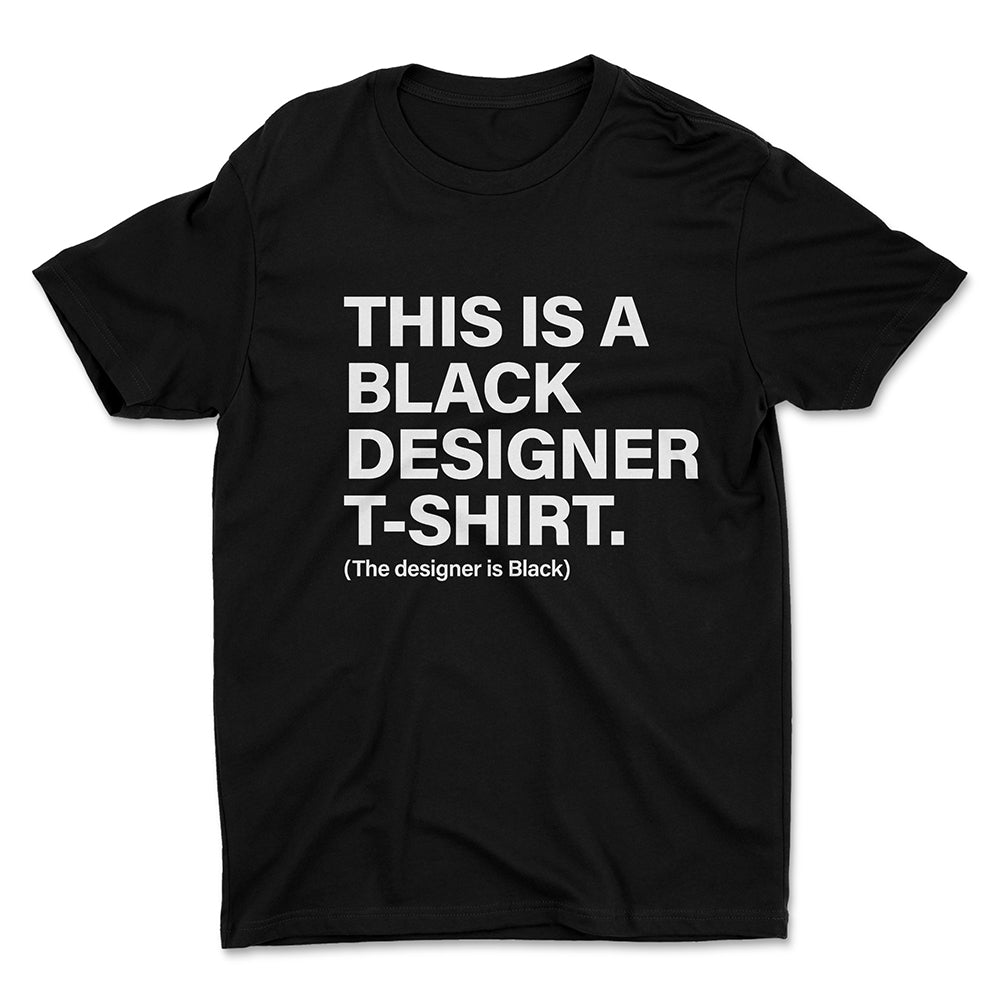
Credit: stoopandstank.com
Printing Your Design: What You Need To Know
You’ve made your design. Now, you want to wear it—or sell it to the whole world. Here’s how to choose the right printing method.
Screen Printing
Great for simple, bold designs. Black and white graphics come out crisp. The downside? Not great for small batches (setup fees can be scary).
Direct To Garment (dtg)
Prints directly onto the shirt, like an inkjet printer. Perfect for detailed art, one-offs, or if you want to print your face on 100 shirts for your band’s world tour.
Heat Transfer
Transfers a printed design onto your T-shirt using heat. It’s fast, but the design can crack or peel over time, especially if you love doing laundry.
Embroidery
Not just for grandma’s pillowcases. Adds texture and class. Works best for logos or small text—don’t try to embroider a whole poem.
Table: Printing Methods Compared
| Method | Best For | Durability | Cost (Per Shirt) | Batch Size |
|---|---|---|---|---|
| Screen Printing | Bold, simple art | High | Low (bulk) | Medium-Large |
| DTG | Detailed, small runs | Medium-High | Medium | Any |
| Heat Transfer | Quick, cheap runs | Medium-Low | Low | Small |
| Embroidery | Logos, text | Very high | High | Small-Medium |
Selling Your Designs: From Closet To Cash
So, you’ve made some amazing black and white T-shirts. Now what? You have options:
Online Marketplaces
Sell on platforms like Etsy, Amazon, or Redbubble. You upload your design, they handle the rest. Downside: lots of competition, and they take a cut.
Your Own Website
More control, more profit. Tools like Shopify or WooCommerce make it simple to set up your own shop. You’ll need to handle shipping, but you get to keep the glory (and the money).
Pop-up Shops And Local Events
Perfect for testing your designs. Plus, you get to see people’s reactions (“Wow, is that a zebra or an abstract concept? ”).
Social Media Marketing
Instagram, TikTok, and Facebook are your friends. Show behind-the-scenes design, funny videos, or photos of your dog wearing your shirts. People love stories, not just products.
Print On Demand
No need to buy 500 shirts upfront. Companies print and ship when someone orders. Lower risk, but profit margins are slimmer.
Pro Tip: Build A Brand
Don’t just sell shirts—create a story. Why do you design black and white? What makes your shirts special? People buy meaning, not just fabric.
Common Mistakes New Designers Make (and How To Avoid Them)
Designing your first T-shirt can feel like riding a bicycle with no seat—exciting, but sometimes painful. Here’s how to avoid the worst bumps.
1. Overcomplicating The Design
Keep it simple. Too many lines, shapes, or fonts can confuse people (and printers). Remember, black and white is about clarity.
2. Ignoring The Shirt Color
Your “white” design won’t show up on a white shirt. Test your designs on both colors.
3. Bad Placement
Center your design, check the size, and don’t put important details under the armpit (unless you want only gymnasts to see it).
4. Low-quality Files
Upload high-resolution files (300 DPI is the standard). Blurry designs make your shirt look like it survived the washing machine apocalypse.
5. Forgetting Your Audience
Who will wear your shirt? Design for them, not just yourself (unless you’re your own best customer).
6. Copying Instead Of Creating
It’s OK to get inspired, but make your design original. Copycats get caught—and sued.
Trends In Black And White T-shirt Design For 2026
Fashion moves fast, but some trends are standing out for 2026. Here’s what’s hot:
Bold Typography
Giant letters, clever slogans, and single words are everywhere. People love shirts that make a statement—literally.
Abstract Shapes
Think geometric patterns, crazy lines, and optical illusions. Black and white makes these look extra striking.
Vintage Graphics
Retro is in. Old-school logos, classic band art, and “faded” prints are popular, especially on tri-blend shirts.
Minimalism
Less is more. A small logo, a simple line drawing, or just a dot in the middle. It’s art, not a test of your eyesight.
Eco-friendly Focus
Shirts made with organic cotton, recycled polyester, or eco-friendly inks. In 2026, 35% of buyers say they prefer sustainable shirts.
Humor And Irony
Funny slogans, unexpected images, or self-aware jokes. If your shirt makes people laugh, it’s a winner.
Real-world Examples: Black And White Designs That Work
Let’s look at a few classic and modern hits:
- The iconic “I ♥ NY” T-shirt—simple black text, white shirt, known worldwide.
- Band shirts (like The Ramones)—black shirt, white logo, instant cool.
- Minimalist streetwear brands—think Supreme’s box logo (often black and white).
- Protest shirts—bold messages, easy to read, powerful impact.
Remember, the best designs are easy to recognize and hard to forget.
Two Insights Beginners Often Miss
1. The Power Of Negative Space
When designing in black and white, negative space (the empty parts) is just as important as the shapes and lines you draw. Clever use of space can make your design pop and help it stand out from crowded, over-designed shirts.
2. Test, Test, Test
Your design might look great on your screen, but it can change when printed. Always order a sample before doing a big run—black can look faded, white can be see-through, and sizing may shift. Save yourself the embarrassment of “Is that a cat or a blob?
” moments.

Credit: www.ebay.com
How To Start Your Own Black And White T-shirt Brand
Thinking of going pro? Here’s a simple path (with fewer steps than learning to moonwalk):
- Research your audience: Who are you making shirts for? Teens, artists, dog lovers?
- Create a brand story: Why black and white? What’s your message?
- Design 3-5 strong shirts: Quality over quantity.
- Pick the right printer: Test samples from different vendors.
- Launch online: Use social media, your own site, or marketplaces.
- Collect feedback: Listen to your fans (and your grandma).
- Scale up: Add new designs, maybe even…grey?
Remember: successful brands are built on passion, not just profit.
Sustainability In Black And White T-shirt Design
Eco-fashion is not just a trend—it’s an expectation in 2026. Here’s how you can design shirts that help the planet:
- Use organic cotton or recycled fabrics.
- Pick printers with eco-friendly inks.
- Offer recycling for old shirts (turn them into tote bags or cleaning rags).
- Tell customers about your green choices—people love a good story.
According to Fashion Revolution, sustainable fashion sales rose by 42% in 2026. Your black and white tee can be both stylish and responsible.
Frequently Asked Questions
What’s The Best Fabric For Black And White T-shirts?
100% cotton is the most popular choice because it’s soft, breathable, and prints well. For more durability, a cotton-poly blend works too. If you want a premium feel or eco-friendly option, try organic cotton or a tri-blend.
Can I Design A Shirt If I Can’t Draw?
Absolutely! Many designers use simple shapes, text, or free templates in tools like Canva. You don’t need to be Picasso—sometimes stick figures are all you need (or all you can do before your coffee kicks in).
How Do I Prevent My Black T-shirt From Fading?
Wash inside out, use cold water, and avoid high heat in the dryer. Choose quality shirts and printing methods—cheap ink fades faster than your new year’s resolutions.
What’s The Easiest Way To Start Selling My Own Designs?
Start with a print-on-demand service like Printful or Redbubble. You upload your art, and they handle printing, shipping, and customer service. Once you build an audience, consider making your own website for more control and profit.
Is It Legal To Use Famous Quotes Or Images In My Designs?
Be careful! Many quotes, logos, and images are copyrighted. Use original art or get permission. When in doubt, create something from scratch—your imagination is safer than a lawyer’s bill.
Final Thoughts
Designing black and white T-shirts in 2026 is more than a trend—it’s a creative, practical, and even humorous way to express yourself or start a business. Whether you want to keep it simple, go bold, or tell a story, these classic colors offer endless possibilities.
Remember: focus on clarity, use the right tools, test your designs, and don’t be afraid to stand out (even if your shirt is just black and white). And if you ever doubt yourself, just remember—some of the world’s most famous T-shirts started with a simple idea and a little courage.
Happy designing! May your shirts be ever cool and your ink never run.
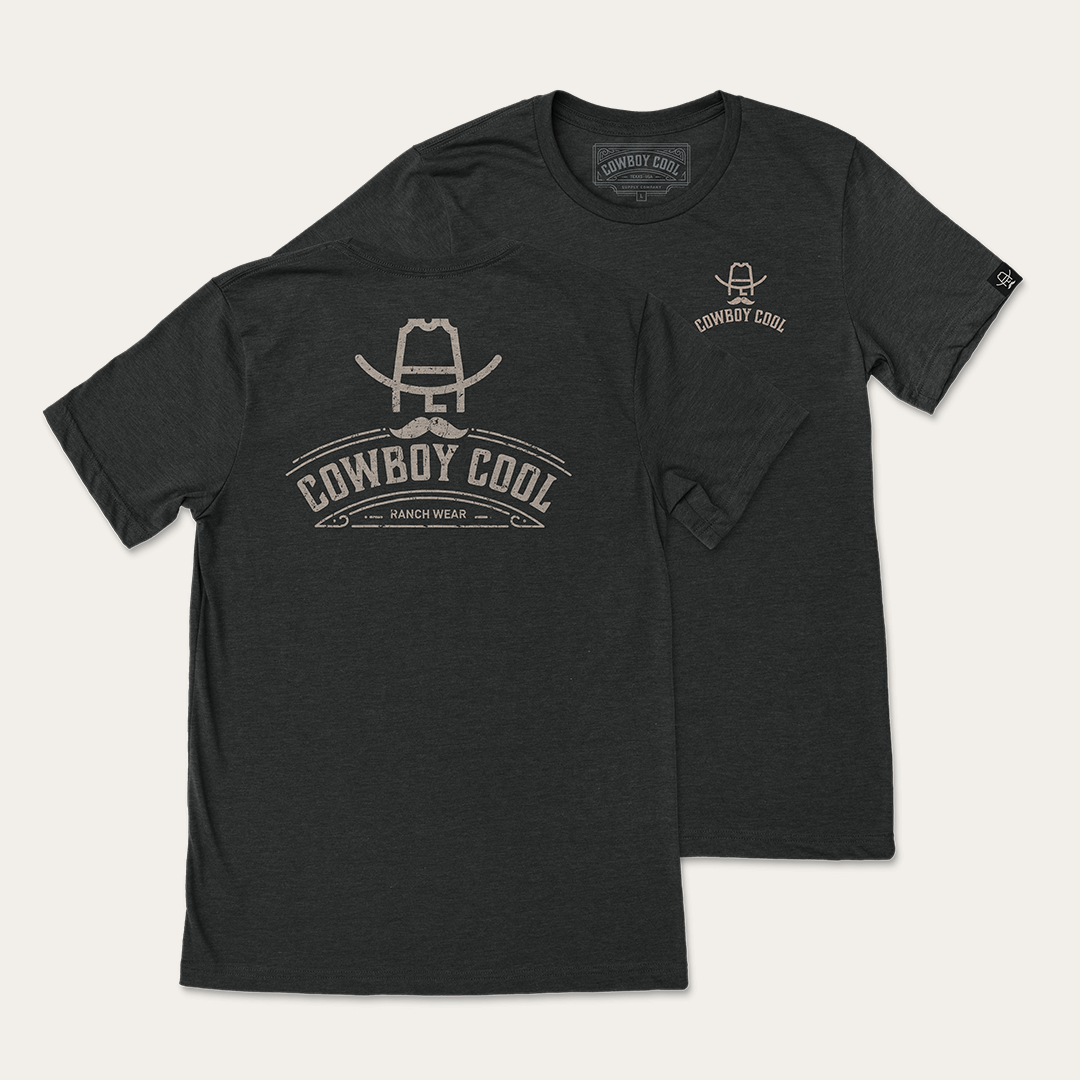
Credit: cowboycool.com
