

Best Way to Store Sweaty Gym Clothes: Keep Odors Away Fast
Sweaty gym clothes are a part of an active lifestyle, but storing them the wrong way can lead to bad smells, stains, or even ruined fabrics. Many people toss their damp workout gear into a bag or laundry basket and forget about it, only to find it smells worse later.
This problem is not just about comfort—moisture and warmth from sweat create the perfect environment for bacteria and mold. If you want your athletic wear to last longer, smell fresher, and keep your home clean, it’s important to learn the best way to store sweaty gym clothes.
Over the years, I’ve tested different methods—some work well, and some make the problem worse. In this guide, you’ll discover why sweat-soaked clothes need special attention, what options you have for storage, and how you can prevent those stubborn odors and damage.
You’ll get practical, step-by-step advice, plus a few tips even experienced gym-goers often miss.
Why Sweat-soaked Gym Clothes Need Special Care
Sweat is mostly water, but it also contains salt, urea, and oils from your skin. When these stay in fabric, they do more than just smell bad:
- Bacteria multiply: Warm, damp conditions help bacteria grow fast, which causes strong odors.
- Stains set in: Sweat and body oils can leave yellow marks, especially on light fabrics.
- Fabric breakdown: Salt and acids in sweat can weaken fibers, making clothes wear out faster.
- Mold risk: If left in a pile, wet clothes can grow mold or mildew, which is hard to remove.
Most gym clothes use synthetic materials like polyester or nylon. These are great for wicking away moisture, but they can also hold onto smells if not washed and stored properly.
The Worst Ways To Store Sweaty Gym Clothes
Before looking at the best methods, let’s clear up what you should avoid. Many people make the same mistakes:
- Sealing in a plastic bag: This traps moisture, which is perfect for bacteria and mold.
- Leaving in a gym bag: Sweat soaks the bag and other items, spreading odors and germs.
- Throwing in the laundry basket: Damp clothes in a pile raise humidity and smell up the room.
- Hanging in a closed locker: Little air flow means slow drying and more bacteria.
These common habits make odors worse and can ruin your favorite workout gear. Avoid them whenever possible.

Credit: www.amazon.com
Best Practices For Storing Sweaty Gym Clothes
Let’s walk through the steps and strategies that truly work. Each method below is practical, easy to do, and helps keep your clothes fresh until laundry day.
1. Air Dry Immediately
As soon as possible after your workout, hang your gym clothes in a well-ventilated area. Air flow is the enemy of bacteria and mildew. Use a sturdy hanger, towel rack, or even a shower rod. If you’re outdoors, sunlight adds extra disinfecting power.
Pro Tip: Turn clothes inside out. Sweat and oils are mostly on the inside, so this speeds up drying.
2. Use A Mesh Laundry Bag
A mesh bag is breathable and lets air circulate. You can hang it in your bathroom, laundry room, or even inside a closet (as long as the door is open). Mesh bags are better than plastic because they don’t trap moisture.
Extra Insight: Some bags have two layers—use the inner one for really wet items and the outer for damp ones.
3. Drying Racks And Hooks
Invest in a compact drying rack or wall hooks. Spread out each item so air can reach all sides. This works well for families or anyone who goes to the gym daily.
- Space-saving racks: Foldable and easy to store when not in use.
- Multi-hook panels: Hang several items at once without crowding.
4. Temporary Open Storage Bins
If you can’t wash your clothes right away, use an open bin made of plastic or fabric. Place it in a dry area. Never use a bin with a lid, as it traps humidity.
Non-obvious Tip: Line the bottom with a clean towel that you change regularly. It absorbs extra moisture.
5. Quick Rinse Method
Rinse your gym clothes in cool water right after exercise. This removes a lot of sweat and bacteria. Wring out the water, then hang to dry. This is especially useful for people who work out more than once a day.
6. Use Odor-absorbing Sachets
Place baking soda sachets or activated charcoal bags in the area where you hang your clothes. They absorb moisture and odors. Change or recharge them every few weeks.
7. Portable Gym Bags With Vents
If you must use a gym bag, choose one designed with ventilation panels. These bags let air flow, slowing down bacteria growth.
Key Difference: Not all “breathable” bags are equal. Look for wide mesh panels, not just small air holes.
8. Do Not Mix With Regular Laundry
Keep sweaty gym gear separate from other clothes until washed. This prevents smells from spreading and keeps delicate fabrics safe.
9. Use Antimicrobial Sprays
Spray your damp clothes with an antimicrobial fabric spray before storing. This slows bacteria and mold, especially in humid places.
- Choose a spray safe for synthetic fabrics.
- Don’t overdo it; too much can leave residue.
10. Hang In Sunlight When Possible
Sunlight is a natural disinfectant. If you can, hang your clothes outside for a few hours. UV rays kill many germs and help remove smells.
11. Don’t Delay Washing
Even with good storage, aim to wash your gym clothes as soon as you can. The longer sweat sits, the harder it is to remove stains and odors.
Data Point: Research shows that bacteria double on damp fabrics every 20 minutes in warm rooms.
12. Use A Dedicated Gym Hamper
Some people create a special hamper just for workout clothes. Choose one with open sides or mesh panels for airflow.
Example: Place a small mesh hamper in your bathroom or near your entryway.
13. Rotate Workout Clothes
Have enough gym outfits to allow each one to dry fully between uses. This helps fabrics last longer and makes storage easier.
14. Wash Your Storage Bins And Bags
Clean your gym bag, mesh hamper, or drying rack at least once a week. Bacteria and odors can build up in storage containers, too.
15. Use Scented Dryer Sheets (with Caution)
Some people tuck a dryer sheet in with drying clothes for a fresh scent. This only masks odors but can make storage areas smell better.
Warning: Don’t use dryer sheets on synthetic performance fabrics, as they can reduce wicking ability.
16. Keep Shoes Separate
Store shoes and sweaty clothes apart. Shoes carry dirt and extra bacteria, which can make clothes smell worse.
17. Avoid Overcrowding
Don’t pile clothes on top of each other when drying or storing. Space helps air move and clothes dry faster.
18. Try A Dehumidifier
If you live in a humid climate, use a small dehumidifier near your drying area. Lower humidity means less odor and faster drying.
19. Know When To Discard Old Clothes
Even with the best care, gym clothes eventually wear out. If odors, stains, or fabric damage won’t go away, it’s time to recycle or throw them out.
20. Teach Family Or Roommates Good Habits
If you share a home, make sure everyone knows not to toss sweaty gear in piles or closed bins. This keeps the whole house fresher.
Comparing Popular Storage Methods
To make your choice easier, here’s a comparison of the most common ways to store sweaty gym clothes:
| Method | Odor Control | Fabric Protection | Convenience |
|---|---|---|---|
| Mesh Laundry Bag | Good | Good | Easy |
| Plastic Bag | Poor | Poor | Easy |
| Drying Rack | Excellent | Excellent | Moderate |
| Open Storage Bin | Good | Good | Easy |
| Gym Bag with Vents | Moderate | Good | Very Easy |
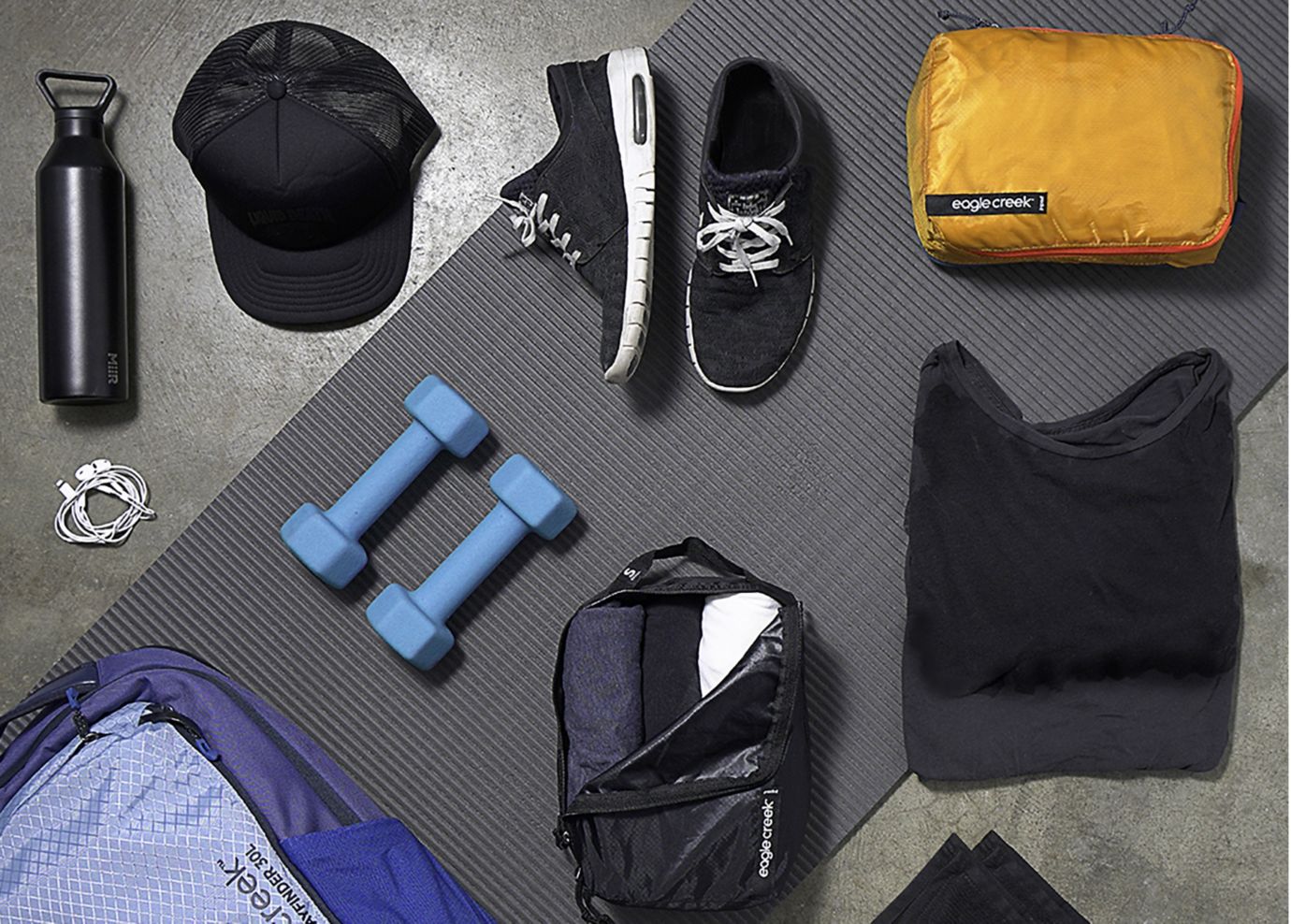
Credit: eaglecreek.com
The Science Behind Odor In Gym Clothes
Sweat itself doesn’t smell strong; it’s the bacteria that feed on sweat that produce unpleasant odors. Synthetic materials, often used in gym clothes, can make the problem worse. Polyester, for example, does not absorb water but holds body oils and bacteria close to the surface.
Over time, this can lead to persistent smells, even after washing.
A study from the American Society for Microbiology found that polyester clothes collected more odor-causing bacteria than cotton. This explains why your favorite workout shirt might still smell after a good wash if it’s not stored properly.
Step-by-step Guide: What To Do Right After Your Workout
Knowing what to do immediately after exercising can make a big difference. Here’s a practical sequence to follow:
- Remove clothes as soon as possible. The less time sweat stays on your body, the better for your skin and your clothes.
- Rinse or blot sweaty areas. If you can’t wash right away, rinse with water or blot with a towel to remove excess sweat.
- Hang up items to dry. Use a hanger, hook, or rack in a spot with good airflow.
- Let shoes air out, too. Remove insoles and let both shoes and insoles dry fully.
- Store in a mesh bag or open bin until laundry day.
The Role Of Washing Frequency
Washing your gym clothes often is important, but how often is enough? Here’s a simple guideline:
- After every wear: Underwear, sports bras, socks
- After every 1-2 wears: Shirts, leggings, shorts (if not soaked)
- Every 2-3 wears: Outer layers like jackets (only if not sweaty inside)
If you sweat heavily or have sensitive skin, wash everything after each use.
Washing Tips To Remove Odor And Bacteria
Storing sweaty clothes well helps, but proper washing removes what storage can’t. Here’s how to get the best results:
- Use cold water: Hot water can set protein stains like sweat.
- Add white vinegar: ½ cup in the rinse cycle breaks down odors.
- Use sports detergents: These are made for synthetic fabrics and bacteria.
- Don’t use too much detergent: Leftover soap traps bacteria and smells.
- Avoid fabric softeners: They can coat fibers and trap odor.
For persistent smells, soak gym clothes in a mix of water and white vinegar for 30 minutes before washing.
Common Mistakes When Storing Sweaty Gym Clothes
Many gym-goers—even experienced ones—make small mistakes that create big problems:
- Not drying shoes: Shoes can stay damp inside, creating odors.
- Leaving clothes in the car: Cars heat up fast, making bacteria grow even faster.
- Using scented sprays only: These mask but do not remove odors.
- Ignoring gym bags: Bags need to be emptied and cleaned frequently.
How To Store Gym Clothes On The Go
If you exercise at work, travel, or use public gyms, you need portable solutions:
- Carry a spare mesh bag: Put sweaty clothes in it, not your main bag.
- Keep a travel-size spray: Use antimicrobial spray before packing up.
- Bring a clean change of clothes: Change right after the workout and let gear air out ASAP.
How Long Can You Store Sweaty Clothes Before Washing?
Ideally, wash sweaty clothes within 24 hours. If you must wait, make sure they are completely dry before storing. Damp clothes left for more than 48 hours can develop permanent odors or mildew.
Here’s a quick reference:
| Time Left Unwashed | Risk of Odor | Mold/Mildew Risk | Fabric Damage |
|---|---|---|---|
| < 12 hours | Low | Very Low | None |
| 12–24 hours | Medium | Low | Minimal |
| 24–48 hours | High | Medium | Possible |
| > 48 hours | Very High | High | Likely |
Eco-friendly Storage And Washing Tips
If you care about the environment, you can still follow the best practices:
- Air dry instead of using a dryer: Saves energy and is gentle on fabrics.
- Use reusable mesh bags: Avoid single-use plastic bags.
- Choose eco-friendly detergents: Look for biodegradable, plant-based options.
- Recycle old gym clothes: Donate or use as cleaning rags.
Credit: www.theguardian.com
Storing Specialized Gym Gear
Some items need extra care:
- Yoga mats: Wipe with a cloth and hang to dry before rolling up.
- Gloves and wraps: Air them out completely; never store damp.
- Swimwear: Rinse in fresh water and lay flat to dry.
Preventing Odors In The First Place
The best storage habits work even better with a few preventive steps:
- Shower after exercise: Less sweat and bacteria get on your clothes.
- Choose moisture-wicking fabrics: They dry faster and reduce bacteria.
- Rotate shoes and gear: Give each set time to air out.
The Importance Of Routine
Make it a daily habit to hang, air out, and store your gym gear right after each use. Good routines mean less time fighting smells and more time enjoying your workouts.
When You Need Professional Help
If you notice mildew, black spots, or strong odors that won’t go away, it may be time to use a professional cleaning service or replace your gear. Some athletic fabrics can hold onto bacteria even after many washes.
For more on athletic gear care, check out this expert guide from Wirecutter.
Frequently Asked Questions
Why Do My Gym Clothes Still Smell After Washing?
Sweat can bind with bacteria and oils inside synthetic fabrics. If not washed soon after use, these smells can be hard to remove. Try using a sports detergent and wash clothes quickly after each workout.
Can I Store Sweaty Gym Clothes In My Gym Bag Until I Get Home?
Only if your bag has good ventilation and you empty it as soon as you get home. Otherwise, bacteria and odors build up fast. Mesh bags are safer for short-term storage.
What If I Can’t Wash My Clothes Right Away?
Hang them to air dry fully before putting them in a hamper or bin. This stops bacteria and mildew from growing.
Is It Okay To Use Fabric Softener On Gym Clothes?
It’s best to avoid it. Fabric softeners can coat synthetic fibers, trapping odors and reducing the fabric’s ability to wick away moisture.
How Do I Stop My Gym Bag From Smelling?
Clean it regularly with soap and water, and let it dry fully. Use odor-absorbing sachets or sprays, and never leave damp clothes inside for long.
Storing sweaty gym clothes does not need to be hard or time-consuming. With the right habits, you can keep your gear fresh, extend its life, and make your workouts much more enjoyable. Small changes in how you handle your clothes after the gym can save you time and money, and keep your home smelling clean.
Remember, the best results come from acting fast—air out, separate, and wash as soon as you can. With these tips, your athletic wear will always be ready for your next sweat session.
