

Best Way to Shorten Joggers: Quick and Easy DIY Methods
The popularity of joggers has soared in recent years. These pants offer comfort, style, and flexibility, making them a favorite for both workouts and casual wear. But what happens when your joggers are too long? Oversized joggers can drag on the ground, look messy, and even become a tripping hazard.
Luckily, you don’t have to give up your favorite pair. With a few smart techniques, you can shorten your joggers and achieve a clean, custom fit—no matter your skill level.
Many people think altering joggers is complicated or expensive. In reality, there are ways to do it yourself at home, with or without a sewing machine, and even without any sewing at all. This guide will show you the best methods to shorten joggers, with step-by-step advice, expert tips, and honest insights into each approach.
Whether you want a permanent fix or a quick, temporary solution, you’ll find the right method here.
Understanding Why Proper Jogger Length Matters
Fit plays a major role in how joggers look and feel. If joggers are too long, the extra fabric can bunch around your ankles or shoes. This does not just affect your style; it also impacts movement and safety. Too-long joggers can wear out faster, collect dirt, and even cause you to trip.
Properly shortened joggers:
- Sit neatly at your ankle
- Show off your footwear
- Feel comfortable without extra bulk
- Help you move freely
It’s not just about looks—well-fitted joggers last longer and are safer to wear.
Assessing Your Joggers Before Shortening
Before you grab scissors or a needle, take a few minutes to examine your joggers. Each pair is a little different. The fabric, cuff style, and stitching all matter in choosing the best method.
Ask yourself:
- Are your joggers made of cotton, polyester, or a stretchy blend?
- Do they have elastic cuffs, zippered hems, or open ankles?
- How much length do you want to remove?
- Do you want a permanent change, or something reversible?
Knowing these details will help you pick the right technique and avoid mistakes.
The Most Popular Ways To Shorten Joggers
There are several ways to shorten joggers, each with its pros and cons. Let’s look at the most effective methods, from simple to advanced.
1. The Fold And Sew Method
This classic technique works well for joggers with open or elastic cuffs. It’s reliable and gives a professional look. Here’s how to do it:
- Try on your joggers and decide how much you want to shorten.
- Turn the joggers inside out. Use a ruler or tape measure to mark the new length with chalk or a washable pen.
- Fold the extra fabric up inside the leg to your marked line.
- Pin the fold in place so it doesn’t move.
- Sew along the new hem, close to the edge of the fold. Use a straight stitch for woven fabrics or a zigzag/stretch stitch for knits.
- Trim away extra fabric inside the fold, if needed, but leave about 1cm (half an inch) for safety.
- Turn the joggers right side out and check the new length.
This method is durable and looks neat. It works for most joggers, especially those without thick cuffs.
Non-obvious Tip
If your joggers are made from stretch fabric, always use a stretch needle and thread designed for knits. Regular needles can cause skipped stitches or even holes.
2. Removing And Reattaching The Cuff
Many joggers come with elastic cuffs at the ankle. If you shorten from the bottom, the cuff can look too big for the new leg opening. Instead, try this method:
- Carefully unpick the stitches attaching the cuff to the leg using a seam ripper.
- Measure and cut away excess fabric from the jogger leg.
- Pin the cuff back onto the leg, matching the raw edges. Stretch the cuff as you pin so it fits evenly.
- Sew the cuff back onto the jogger leg with a stretch stitch or zigzag.
- Turn right side out and check for evenness.
This technique keeps the original cuff, so the finish looks like it came from the store.
Pro Insight
If your joggers have a narrow calf area, make sure the cuff will still fit after shortening. Sometimes, you may need to slightly adjust the width of the leg to match the cuff.
3. Using Fabric Glue Or Hem Tape (no-sew Method)
Not everyone owns a sewing machine—or wants to sew. For a quick, no-sew solution, fabric glue or iron-on hem tape can do the job.
- Mark the new hemline as described above.
- Fold the fabric up inside the leg to the new length.
- Apply fabric glue (or place hem tape) inside the fold.
- Press down firmly or use an iron (for hem tape) to secure.
- Let dry or cool completely before wearing.
This method is perfect for temporary changes or for those who aren’t confident with sewing. However, it may not be as durable after many washes.
Caution
Fabric glue and hem tape don’t work well on thick or heavily textured fabrics. Always test on a small area first.
4. Professional Tailoring
If you want the perfect fit and finish, professional tailors can shorten joggers for you. This is the most expensive option, but it’s ideal for expensive joggers or when you’re not comfortable doing it yourself.
- Tailors can shorten joggers from the hem or remove and reattach cuffs for a seamless look.
- They use specialized machines for strong, clean stitches.
- Many tailors can also adjust the width if your joggers are too baggy.
Extra Value
Most people don’t realize that some dry cleaners offer affordable hemming services. This can be a cheaper alternative to full tailoring.
5. Temporary Quick-fix Methods
Sometimes, you only need a short-term solution. Maybe your joggers are too long for one event, or you’re not ready to make a permanent change.
Options include:
- Double-sided fashion tape: Stick the excess fabric inside the leg for a few hours.
- Safety pins: Fold and pin inside, but use this only when no one will see the pins.
- Elastic bands: Tuck the extra length under and secure with an elastic around your ankle, then pull your sock up to hide it.
These tricks are not for everyday use, but they work in a pinch.
6. Cutting And Leaving A Raw Hem
For joggers made from knit fabrics (like sweatshirt material), you can sometimes just cut off the extra fabric and leave the edge raw. Many knits won’t fray much.
- Mark the new hemline and cut carefully.
- Stretch the edge gently to encourage natural curling, giving a casual look.
- Wash and dry to let the fabric settle.
This method is fast and suits a relaxed, streetwear style. But it’s not ideal for woven fabrics, which will unravel.
Important Detail
If you want the raw hem look but your fabric frays too much, run a narrow zigzag stitch close to the edge before cutting. This will help prevent unraveling.
7. Shrinking In The Wash
Some joggers, especially cotton ones, can shrink if washed in hot water and dried on high heat. This can shorten them slightly—sometimes enough to fit better.
- Wash in hot water.
- Dry on high heat.
- Check the length.
- Repeat if needed, but be careful; too much heat can damage the fabric or affect fit elsewhere.
This approach is unpredictable. Only try it if you’re willing to risk some change in fit.
Real-world Insight
Shrinking works best on 100% cotton joggers. Blends with polyester or spandex usually don’t shrink much.
8. Creating A New Tapered Hem
If your joggers are wide and long, you can taper and shorten them for a slimmer ankle look.
- Try on the joggers and mark where you want the new length and width.
- Pin along the new seam line from calf to ankle.
- Sew along the pinned line, then cut away the extra fabric.
- Finish the raw edge with a zigzag stitch or overlock, then hem as desired.
This method can completely transform the style of your joggers—great if you want a more fitted look.
9. Adding A New Elastic Cuff
If your joggers don’t have cuffs, or the old ones are worn out, you can add new elastic for a custom fit.
- Cut the joggers to your desired length.
- Cut a strip of ribbed knit fabric about twice as wide as you want the finished cuff.
- Sew the short ends of the ribbing together to form a loop.
- Fold the loop in half, trapping an elastic band inside if desired.
- Pin the cuff to the jogger leg, stretching to fit.
- Sew in place with a stretch stitch.
This adds both style and functionality, and keeps the joggers snug at the ankle.
10. Using A Drawstring Channel
Some joggers have a drawstring at the ankle. You can add one if you want an adjustable fit.
- Fold the hem up to create a channel wide enough for a thin cord.
- Sew around the hem, leaving a small opening.
- Thread a drawstring through using a safety pin.
- Tie the ends or add stoppers.
This lets you adjust the jogger length every time you wear them.
Comparing Jogger Shortening Methods
Different methods suit different needs. Here’s a quick comparison to help you decide.
| Method | Durability | Skill Needed | Suitable For |
|---|---|---|---|
| Fold and Sew | High | Basic sewing | Most joggers |
| Remove & Reattach Cuff | Very high | Intermediate | Cuffed joggers |
| No-Sew (Glue/Tape) | Medium | None | Temporary or quick fix |
| Professional Tailor | Very high | None | Expensive joggers |
| Raw Hem | Medium | Basic cutting | Knit fabrics |
Tools And Materials You’ll Need
The right tools make a big difference. Here’s a checklist for most shortening jobs:
- Sharp fabric scissors: For clean cuts
- Chalk or washable marker: For marking length
- Pins or clips: For holding fabric in place
- Sewing machine or needle and thread: For permanent methods
- Seam ripper: For removing cuffs
- Measuring tape: For accurate lengths
- Iron: For pressing hems or activating hem tape
- Fabric glue or hem tape: For no-sew methods
If adding cuffs or drawstrings, you’ll need ribbed knit fabric and elastic or cord.
Choosing The Right Length
It’s easy to cut joggers too short if you’re not careful. Here are some tips for getting the perfect length:
- Try on your joggers with shoes you usually wear. This gives a more accurate idea of where you want them to fall.
- Mark the new length with chalk, then fold up and pin before cutting.
- Leave a little extra fabric—you can always cut more, but you can’t add back!
- For cuffed joggers, the cuff should rest gently at your ankle bone.
- For open-hem joggers, aim for a slight break over your shoe, or just above.
Common Mistakes And How To Avoid Them
Shortening joggers isn’t hard, but there are pitfalls. Here’s how to avoid the most common errors:
- Cutting too much: Always measure twice, cut once. Start by removing less fabric than you think you need.
- Skipping stretch stitches: If your joggers are stretchy, regular stitches may break. Always use a zigzag or stretch stitch.
- Not pre-washing: Wash your joggers before altering. Some fabrics shrink in the first wash, which can ruin your new hem.
- Uneven hems: Pin or baste the hem all the way around before sewing. Check both legs are the same length.
- Damaging the cuff: When removing cuffs, be gentle. Stretchy fabric can tear easily if you rush.
By learning from these mistakes, you’ll get a more professional result.
Step-by-step Example: Shortening Joggers With Elastic Cuffs
Let’s walk through a real-world example using the remove and reattach cuff method.
- Try on the joggers and mark the new length with chalk.
- Remove the cuff by carefully unpicking the stitches.
- Cut off the extra fabric from the leg, leaving a seam allowance.
- Pin the cuff to the new edge, stretching as needed to match.
- Sew the cuff back on with a stretch stitch.
- Check the fit, making sure both legs are even.
- Press the seam with an iron for a flat finish.
This method keeps the original look but fixes the length. It’s especially good for joggers with thick or branded cuffs.
When To Choose Professional Help
Sometimes, it’s better to let an expert handle the job. Consider a tailor if:
- Your joggers were expensive or limited edition
- The fabric is tricky (like silk blends or technical materials)
- You want to taper the legs as well as shorten
- You’re not confident in your sewing skills
Tailors can make precise adjustments and finish the joggers with strong, neat stitches. For a small fee, you get peace of mind and a perfect fit.
Real-life Case Study: Transforming A $20 Pair Into A Custom Fit
Sarah bought a pair of joggers online for $20. They looked great in the photos but were three inches too long. She didn’t own a sewing machine and didn’t want to spend more on tailoring than the joggers cost.
Sarah tried the fabric glue method. She marked the new length, folded the extra fabric inside, and glued it down. The result? A clean hem that lasted through several washes—long enough for her to decide if she liked the style. Later, she had a tailor sew the hem permanently.
This shows you don’t need expensive tools to get started. Sometimes, a quick solution is enough until you’re ready for a permanent fix.
The Impact Of Fabric Type
Not all joggers are created equal. The method you choose should match the material:
- Cotton joggers: Easy to cut and sew. May shrink in the wash.
- Polyester joggers: Don’t shrink. May require special needles.
- Stretch blends: Need a stretch stitch and needle.
- Nylon or technical fabrics: Can be slippery. Use sharp scissors and pins.
If in doubt, check the care label or test your method on a hidden part of the joggers first.
How Much Does It Cost To Shorten Joggers?
The cost depends on the method:
- DIY sewing: Almost free if you already have supplies.
- No-sew tape or glue: $5–$10 for materials.
- Tailoring: $10–$30, depending on complexity and location.
Paying a little more for tailoring can be worth it for expensive joggers or if you want a perfect finish.
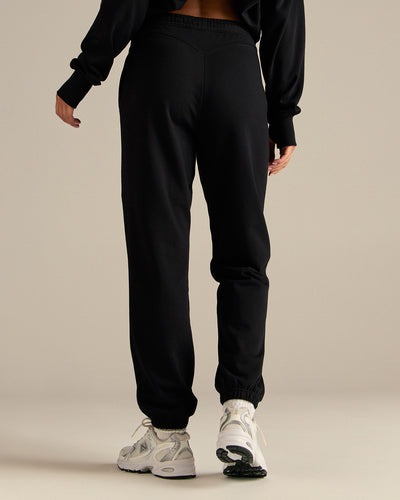
Credit: us.womensbest.com
Comparing Permanent Vs. Temporary Methods
Some methods last for years; others are best for short-term fixes. Here’s how they stack up:
| Method | Permanent | Can Undo | Best For |
|---|---|---|---|
| Fold and Sew | Yes | No | Long-term use |
| No-Sew Tape/Glue | No | Yes (mostly) | Temporary |
| Elastic Bands/Fashion Tape | No | Yes | Events/short-term |
| Professional Tailoring | Yes | No | Best quality |
Sustainability: Extending The Life Of Your Joggers
Shortening joggers instead of buying new ones is a sustainable choice. It reduces waste and makes the most of your wardrobe. If you outgrow your joggers or want to pass them on, reversible methods like folding, pinning, or using hem tape make it easy to restore the original length.
If you have leftover fabric after cutting, consider using it to patch other clothes, make headbands, or test sewing skills.

Credit: blog.megannielsen.com
How Long Does It Take To Shorten Joggers?
- Quick fixes (tape, pins): 5–10 minutes
- No-sew hemming: 15–30 minutes, including drying/cooling time
- Sewing by hand: 30–60 minutes
- Sewing machine: 15–30 minutes
- Professional tailoring: 2–7 days (including waiting time)
Plan ahead if you need your joggers for a special event.
Tips For A Professional Finish
- Press all seams and hems with an iron for a crisp look.
- Use matching thread for invisible stitches.
- Trim loose threads after sewing.
- Double-check evenness on both legs before finishing.
If you want to see how a professional does it, check out this step-by-step guide from WikiHow.

Credit: www.youtube.com
Frequently Asked Questions
How Can I Shorten Joggers Without Sewing?
You can use fabric glue or iron-on hem tape to secure a folded hem. These products are available at most craft stores. Simply fold the jogger to your desired length, apply glue or tape inside the fold, and press to secure. This method is quick and easy, but may not last as long as sewing.
Will Shortening Joggers Affect The Fit Or Style?
If done carefully, shortening joggers should not affect overall fit. For joggers with elastic cuffs, it’s best to remove and reattach the cuff for a natural look. For open-hem joggers, make sure to keep the hem even and use matching thread or glue.
If you taper the leg, it can actually improve the fit.
Can I Make Joggers Shorter Temporarily?
Yes. Use double-sided fashion tape, safety pins, or fold the hem inside and secure with elastic bands for a temporary fix. These methods are best for short-term use and should not damage the fabric.
How Do I Know How Much To Shorten Joggers?
Try the joggers on with shoes, then mark the new desired length with chalk or pins. Always leave a little extra fabric at first—you can remove more if needed. Fold and pin both legs to check for evenness before cutting or sewing.
What’s The Best Method For Expensive Or Brand-name Joggers?
For high-value joggers, consider professional tailoring. Tailors can shorten joggers while keeping the original style and finish. This protects your investment and ensures a perfect fit.
Shortening joggers is a practical way to get more wear from your favorite clothes. Whether you sew, use glue, or visit a tailor, the right method can make your joggers look and feel custom-made. Taking time to measure, choose the right technique, and finish carefully will give you the best results—helping you move in comfort and style every day.
