

Best Way to Dry Gym Clothes Fast Without Damaging Fabric
Sweaty gym clothes are a fact of life for anyone who exercises regularly. While hitting the gym is great for your health, dealing with damp, smelly clothes afterward is less fun. If you don’t dry your gym clothes the right way, you’ll quickly run into problems: stubborn odors, mildew, shrinking, and even ruined fabrics. Many people make simple mistakes that damage their expensive workout gear or leave it smelling bad. But with the right approach, you can keep your gym clothes fresh, long-lasting, and ready for your next workout. This guide covers the best ways to dry gym clothes, common mistakes to avoid, and practical tips for every situation—whether you’re at home, in an apartment, or on the go.
Why Drying Gym Clothes Properly Matters
Properly drying gym clothes is more important than most people think. Unlike regular clothes, gym wear is often made from synthetic fabrics like polyester, nylon, spandex, or technical blends. These materials are designed to wick away sweat and dry quickly, but they’re also sensitive to heat and rough treatment.
If you dry gym clothes the wrong way, you risk:
- Lingering odors: Sweat and bacteria can stay trapped in the fabric.
- Fabric damage: High heat can break down fibers, causing pilling, loss of elasticity, or shrinking.
- Shorter lifespan: The more you damage your clothes, the sooner you’ll need to replace them.
- Health risks: Damp clothing is a breeding ground for bacteria and fungi, which can cause skin irritation or infections.
Most beginners only think about washing gym clothes, not how they dry them. But drying is just as important for keeping your gear fresh and in good shape.
The Science Behind Gym Clothes Fabrics
Gym clothes are not like cotton T-shirts or jeans. They’re designed with special properties:
- Moisture-wicking: Pulls sweat away from your skin to the fabric’s surface.
- Breathability: Allows air to flow and speed up evaporation.
- Stretch: Allows freedom of movement.
But these benefits come with a trade-off. Synthetic fibers can be damaged by heat, and some gym clothes have coatings or treatments that lose their effectiveness if handled roughly. Understanding your fabric helps you choose the best drying method.
Common Types Of Gym Clothing Materials
- Polyester – Quick-drying, durable, but can hold odors.
- Nylon – Strong, flexible, and also dries fast.
- Spandex/Lycra – Adds stretch, but heat destroys elasticity.
- Merino wool – Natural, odor-resistant, but needs gentle care.
- Cotton blends – Softer, but slower to dry and holds more moisture.
Always check the care label before you dry. It tells you if heat is safe or if you need to be extra careful.
Best Methods To Dry Gym Clothes
There are several ways to dry gym clothes, and the best method depends on your situation, available space, and how quickly you need your clothes ready. Each method has pros and cons.
1. Air Drying Indoors
Air drying is usually the safest and most effective way to dry gym clothes. It protects the fabric, prevents shrinking, and helps keep odors away.
How to do it:
- Hang clothes on a drying rack or a clothesline in a well-ventilated room.
- Spread items out so air can flow around each piece.
- Open windows or use a fan to speed up drying.
- Turn clothes inside out to help moisture escape.
Advantages:
- No risk of heat damage.
- Saves energy and money.
- Helps maintain fabric quality.
Disadvantages:
- Takes longer, especially in humid or cold rooms.
- Clothes may feel a bit stiff (but this can be softened by shaking them out).
Pro tip: If you dry gym clothes in the bathroom, run the exhaust fan to reduce moisture in the air.
2. Air Drying Outdoors
If weather allows, outdoor drying is a great choice. Sunlight naturally kills bacteria and odors, and fresh air helps clothes dry quickly.
Steps:
- Use a clean clothesline, balcony rail, or outdoor rack.
- Hang clothes in direct sunlight if possible.
- Avoid leaving them out too long, as UV rays can fade bright colors.
Advantages:
- Sunlight helps disinfect and remove smells.
- Faster drying on warm, windy days.
- Clothes smell fresher.
Disadvantages:
- Rain or high humidity slows drying.
- Sun can fade colors over time.
- Outdoor air may carry pollen or dust.
Non-obvious insight: To protect colored gym clothes, dry them inside out. This reduces fading from sunlight.
3. Using A Tumble Dryer (with Caution)
Many gym clothes labels say “do not tumble dry,” but sometimes you need your gear ready fast. If you use a tumble dryer, take these steps:
- Choose the lowest heat setting (“delicate” or “air dry”).
- Dry clothes with similar fabrics together.
- Remove clothes while slightly damp to air-finish.
- Use dryer balls to help separate clothes and speed drying.
Advantages:
- Fast and convenient.
- Good for emergencies or thick items.
Disadvantages:
- High heat damages elastic and synthetic fibers.
- Clothes may shrink or lose shape.
- Can set in odors if not dried fully.
Pro tip: Never use dryer sheets with gym clothes. They coat the fabric and block moisture-wicking properties.
4. Flat Drying
Some gym clothes, especially those with spandex or delicate trims, last longer if you dry them flat.
How to do it:
- Lay clothes on a clean, dry towel or mesh drying rack.
- Shape items to their original form.
- Flip occasionally for even drying.
Advantages:
- Prevents stretching and misshaping.
- Best for delicate or compression garments.
Disadvantages:
- Takes up more space.
- Slower than hanging.
5. Quick Drying When In A Hurry
Sometimes you need to dry gym clothes fast—maybe for a second workout or if you forgot to wash them earlier. Here are safe “quick dry” tricks:
- Use a clean, dry towel: Lay the garment flat, roll it up inside the towel, and press or twist gently. The towel soaks up extra moisture.
- Hang clothes in front of a fan or open window for extra airflow.
- Use a hairdryer on cool setting for small spots (avoid heat).
- Place clothes near a radiator or heater (but not touching it directly).
Non-obvious insight: Don’t leave damp clothes balled up in your gym bag—they’ll start to smell within hours. Even a quick rinse and wringing, followed by hanging, is better than leaving them wet.
6. Drying Gym Shoes And Accessories
Sweaty shoes and accessories (like gloves or hats) need drying too. Here’s how:
- Remove insoles and laces.
- Stuff shoes with newspaper or paper towels to absorb moisture.
- Air dry in a well-ventilated area.
- For quick drying, aim a fan at the shoes.
Never put gym shoes in a hot dryer; the glue and fabric can come apart.
How Different Drying Methods Compare
To help you choose the right method, here’s a comparison of the main ways to dry gym clothes:
| Method | Drying Time | Fabric Safety | Odor Control | Effort Level |
|---|---|---|---|---|
| Air Dry Indoors | 4–12 hours | Very high | Good | Low |
| Air Dry Outdoors | 2–6 hours | High | Excellent | Medium |
| Tumble Dryer (Low Heat) | 30–60 min | Medium | Variable | Very low |
| Flat Dry | 6–18 hours | Very high | Good | Medium |
| Quick Towel Dry | 5–10 min (removes excess water) | High | Good | Medium |
Mistakes To Avoid When Drying Gym Clothes
A lot of people shorten the life of their gym clothes by making simple mistakes. Avoid these common errors:
- Using high heat – Heat destroys elastic and technical fibers.
- Drying with towels or heavy clothes – Rough fabrics can cause pilling and snagging.
- Leaving clothes wet in a pile – Bacteria and mildew start to grow fast.
- Overloading the drying rack or line – Crowded clothes take much longer to dry and can trap odors.
- Skipping the wash – Trying to “dry out” already smelly clothes just sets the odor deeper.
- Using dryer sheets – These block moisture-wicking and breathability.
Tip: Always read the care label—some gym clothes have special coatings that need gentle handling.
How To Speed Up Drying Time Without Damaging Clothes
Drying gym clothes can be slow, especially in small apartments or humid weather. Here are ways to speed up drying safely:
- Increase airflow: Use fans or open windows near your drying area.
- Dehumidify: A dehumidifier in the room can cut drying time in half.
- Spread out clothes: Give each piece space on the rack or line.
- Use multiple racks: If you have a lot of gear, use more than one drying rack to avoid crowding.
- Spin cycle: Use an extra spin in the washing machine to remove more water before drying.
Comparing Drying Speed By Method And Conditions
Let’s look at how long different methods take in typical conditions:
| Drying Method | Warm, Dry Room | Cool, Humid Room | Outdoor, Sunny | Tumble Dryer (Low) |
|---|---|---|---|---|
| Air Dry (Hanging) | 4–6 hours | 8–16 hours | 2–4 hours | 30–60 min |
| Flat Dry | 8–12 hours | 16–24 hours | 4–8 hours | N/A |
| Quick Towel Roll | Removes water in 5–10 min | Same | Same | N/A |
Note: Actual times may vary based on fabric thickness and air movement.

Credit: tripulse.co
Odor Control: Keeping Gym Clothes Smelling Fresh
Drying alone won’t remove odors if sweat or bacteria are trapped in the fibers. Here’s how to keep your gym clothes smelling good:
- Wash promptly: Don’t let sweaty clothes sit for hours.
- Use sports detergent: Special detergents remove sweat and bacteria better than regular soap.
- Add vinegar or baking soda: These natural ingredients can help fight odor.
- Fully dry before storing: Never put damp clothes in drawers or closets.
- Sun-dry when possible: UV rays help kill odor-causing bacteria.
If your clothes still smell after washing and drying, try soaking them in a vinegar-water mix before washing again.
Drying Gym Clothes In Small Spaces Or Apartments
If you live in a small space, drying gym clothes can be a challenge. But it’s possible with some creativity:
- Use foldable drying racks that fit in the shower or over the bathtub.
- Hang clothes on hooks or hangers behind doors.
- Use a fan to boost air circulation.
- Dry smaller items first, then larger ones as space frees up.
- If you have to use a dryer, stick to the low or air-fluff setting.
Non-obvious tip: A tension rod in your bathroom can double as a drying line without taking up floor space.
How To Dry Gym Clothes While Traveling
Traveling for work or vacation? You can still keep your gym clothes fresh:
- Pack a travel-size detergent for hand washing in the sink.
- Use a microfiber towel to speed up drying after washing.
- Hang clothes on hotel hangers, a towel rack, or even a shower rod.
- Open windows or use the hotel hairdryer on cool, if allowed.
Remember, never pack damp clothes in your suitcase—odor and mildew will develop quickly.
Caring For Special Types Of Gym Clothes
Some gym clothes need extra care when drying:
Compression Wear
- Always air dry flat to prevent stretching.
- Avoid direct sunlight and heat.
Sports Bras And Supportive Gear
- Remove pads if possible; dry them separately.
- Hang or lay flat to keep their shape.
Merino Wool Gym Clothes
- Air dry only, flat if possible.
- Avoid wringing or twisting.
Technical Outerwear (windbreakers, Rain Jackets)
- Hang to dry away from direct heat.
- Reapply DWR (durable water repellent) finish as needed.
How To Tell When Gym Clothes Are Fully Dry
It’s tempting to put gym clothes away as soon as they feel dry on the outside. But synthetic fabrics can hold moisture inside the fibers. Here’s how to check:
- Touch inside seams and thickest parts (like waistbands) for dampness.
- Smell the fabric—if it smells musty, it’s not fully dry.
- For shoes, check inside the toe and heel.
Only store gym clothes once they’re completely dry—even a little moisture encourages bacteria and mildew.
How To Prevent Damage And Extend Gym Clothes Life
The way you dry your gym clothes affects how long they last. Here’s how to protect your investment:
- Handle gently: Avoid rough wringing, stretching, or twisting.
- Separate by fabric: Don’t dry heavy cotton with light synthetics.
- Avoid hot surfaces: Don’t lay gym clothes on radiators or heaters.
- Rotate gear: If possible, have extra sets so you don’t have to dry the same clothes in a rush.
- Store dry and clean: Always put away gym clothes only when fully dry and fresh.
A little care saves money and keeps your favorite gear in good shape for longer workouts.

Credit: www.amazon.com
Eco-friendly Ways To Dry Gym Clothes
Drying gym clothes can be part of your environmentally-friendly routine too:
- Air drying uses no electricity and is the greenest method.
- Use solar power by drying outdoors when possible.
- Choose energy-efficient appliances if you use a dryer.
- Wash and dry only as needed—don’t over-launder.
- Reuse towels for pressing out water instead of disposable paper.
For more eco-friendly laundry tips, the EPA offers helpful advice.
Frequently Asked Questions
How Can I Dry Gym Clothes Quickly Without A Dryer?
You can speed up air drying by laying your gym clothes on a clean towel, rolling it up, and pressing out excess moisture. Then hang the clothes near a fan or open window. This removes much of the water and allows for faster drying without heat damage.
Is It Safe To Put Gym Clothes In The Dryer?
Most gym clothes can handle a dryer only on the lowest heat or air-fluff setting. High heat can damage synthetic fibers and elastic. Always check the care label and remove the clothes while still slightly damp to finish air drying.
Why Do My Gym Clothes Still Smell After Drying?
Lingering odors mean sweat and bacteria are trapped in the fabric. This happens if you leave clothes wet for too long or don’t wash them thoroughly. Use a sports detergent, add a vinegar rinse, and always dry clothes fully before storing.
Can I Hang Gym Clothes To Dry In The Bathroom?
Yes, but make sure the bathroom is well-ventilated. Use the exhaust fan and open windows if possible. Drying in a humid, closed bathroom can slow drying and cause mildew.
Do Dryer Sheets Ruin Gym Clothes?
Dryer sheets should not be used with gym clothes. They coat the fabric with residue, which blocks moisture-wicking and breathability. This can trap odors and reduce the performance of your gear.
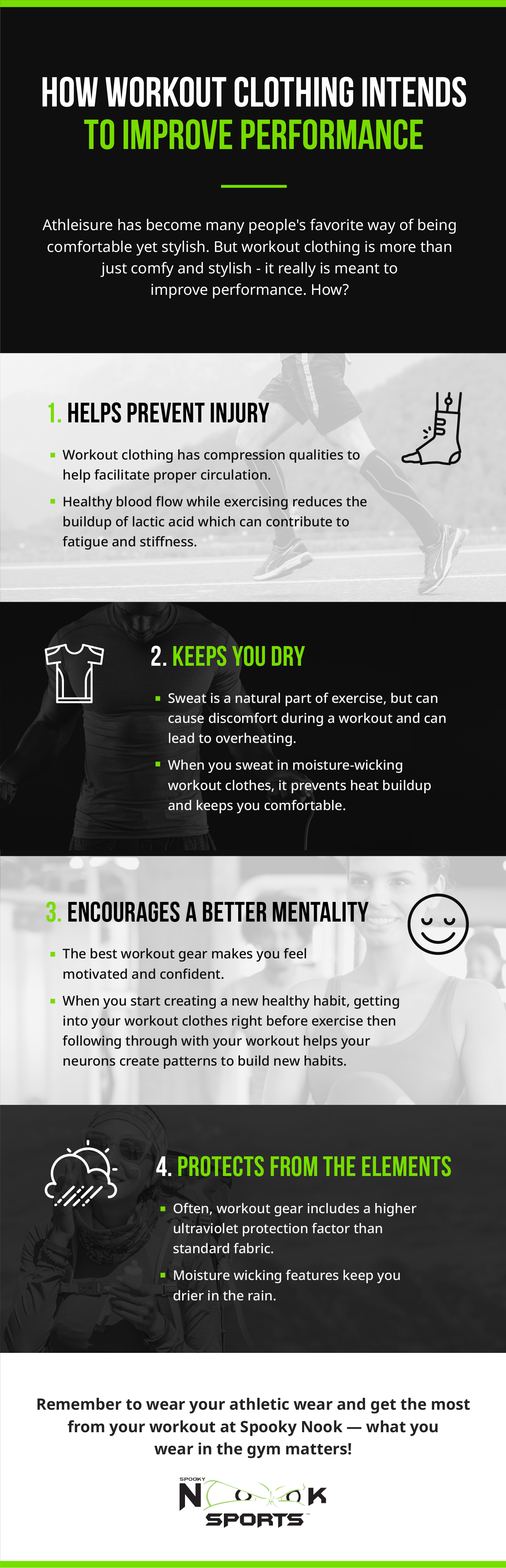
Credit: www.spookynooksports.com
Bringing It All Together
Drying gym clothes the right way doesn’t have to be complicated, but it does require attention to detail. Air drying—either indoors or outdoors—is safest for most workout gear and helps keep fabrics performing at their best. When you must use a dryer, stick to low heat and remove clothes promptly.
Avoid shortcuts like high heat or crowding your drying rack, and always let your clothes dry fully before storing. Small changes in your routine—like using fans, drying racks, or even a quick towel press—make a big difference in freshness and lifespan.
With these simple strategies, you’ll always have clean, odor-free gym clothes ready for your next session.
