

Best Way to Deodorize Gym Clothes: Proven Tips for Freshness
Sweaty gym clothes are a common problem for anyone who exercises regularly. The smell can be strong and hard to remove, even after washing. This odor is not just from sweat. It comes from bacteria, body oils, and sometimes even the fabric itself.
Many people throw their gym clothes in the laundry with regular detergent and wonder why the smell stays. Others use strong chemicals, but these can ruin the fabric. If you want your gym gear to smell fresh every time, you need the right methods.
This article explains the best way to deodorize gym clothes, based on real experience and science. You will learn why odors stick, what actually works, and how to keep your clothes fresh for good.
Why Gym Clothes Smell So Bad
Gym clothes are made from special fabrics like polyester and spandex. These materials are great for wicking sweat away from your skin, but they can also trap bacteria and oils. When you sweat, bacteria on your skin break down the sweat, creating strong-smelling acids. These odors get trapped inside the tiny fibers of your clothes.
Cotton, by comparison, is less likely to hold onto smells but dries slowly and feels heavy. Synthetic fabrics dry fast but often smell worse. This is because bacteria love warm, moist places. If you throw sweaty clothes into a gym bag and leave them for hours, the smell gets even stronger.
A mistake many people make is using more detergent or hot water. This can actually make things worse. Too much detergent leaves residue, and hot water can set the odor. Understanding the science behind the smell is the first step to solving the problem.
The Best Washing Routine For Deodorizing Gym Clothes
Step 1: Act Fast
The longer sweat sits on your gym clothes, the deeper the smell gets. If possible, rinse your clothes with cold water as soon as you finish your workout. Even a quick rinse can help remove some of the sweat and bacteria.
Step 2: Pre-soak For Deep Cleaning
A pre-soak is one of the most effective steps. Fill a sink or bucket with cold water and add one of the following:
- 1 cup of white vinegar
- 1/2 cup of baking soda
- 1/4 cup of borax
Let your clothes soak for 30 minutes. Both vinegar and baking soda help break down bacteria and neutralize odors. Borax boosts cleaning power if you have it. After soaking, gently wring out the clothes.
Non-obvious insight: Many people skip pre-soaking, thinking their regular wash is enough. But even high-quality detergents struggle to remove deep odors without this step.
Step 3: Turn Clothes Inside Out
Odors and oils often stick to the inside of your clothes, where sweat and bacteria collect. Turning your gym gear inside out exposes the smelliest parts to the water and detergent.
Step 4: Use The Right Detergent
Look for sport-specific detergents designed for synthetic fabrics. These detergents are formulated to break down oils and bacteria better than regular ones. If you use a regular detergent, choose one labeled “odor defense” or “activewear.”
Common mistake: Using too much detergent. This leaves residue that traps more bacteria. Use only the recommended amount.
Step 5: Wash With Cold Water
Hot water can set protein-based smells into the fabric. Wash your gym clothes with cold water to help lift away odors without damaging the fibers.
Step 6: Add A Booster
If your clothes still smell after washing, try one of these boosters:
- 1/2 cup of white vinegar in the rinse cycle (not with detergent)
- 1/2 cup of baking soda added to the drum
- 1 scoop of oxygen bleach (not chlorine bleach)
These help neutralize stubborn smells without damaging the fabric.
Step 7: Air Dry Whenever Possible
Heat from a dryer can “bake in” smells if they are not fully gone. Hang your gym clothes outside or in a well-ventilated room. Sunlight also helps kill bacteria naturally.
Credit: tripulse.co
Comparing Washing Additives
Here is a quick comparison of common washing additives for gym clothes:
| Additive | Deodorizing Power | Fabric Safety | Common Mistakes |
|---|---|---|---|
| White Vinegar | Excellent | Safe for most fabrics | Adding with detergent (they cancel out) |
| Baking Soda | Very Good | Safe for all fabrics | Using too much (can leave residue) |
| Borax | Good | Safe for synthetics/cotton | Not dissolving fully |
| Oxygen Bleach | Excellent | Safe for colors | Confusing with chlorine bleach |
Drying Methods And Their Effects
How you dry your gym clothes can make a big difference in odor control and fabric life. Let’s compare drying methods:
| Drying Method | Odor Removal | Fabric Care | Time Needed |
|---|---|---|---|
| Air Dry (Sunlight) | Excellent (kills bacteria) | Gentle | Several hours |
| Air Dry (Indoors) | Good | Gentle | Overnight |
| Tumble Dryer (Low Heat) | Fair | Can damage elastic | 1 hour |
| Tumble Dryer (High Heat) | Poor (can trap smells) | High risk of damage | 45 min - 1 hour |
Non-obvious insight: Sunlight is a natural deodorizer. Hanging clothes outside, even for just an hour, can make a big difference in how fresh they smell.
Home Remedies That Work (and Those That Don’t)
Many tips you see online promise to remove odors, but not all work. Here are some tried-and-true methods, plus a few to avoid.
What Works
- Vinegar Soak: Soaking in vinegar before washing is one of the most effective methods for odor removal.
- Baking Soda Paste: For extra-stubborn smells, make a paste with baking soda and water. Rub it into smelly spots before washing.
- Hydrogen Peroxide (3%): Mix with water (1:1 ratio) and spray on armpit areas. Wait 10 minutes, then wash. This helps break down odor-causing bacteria.
- Sport Detergent: These are formulated for synthetic fabrics and are worth the investment for regular gym-goers.
- Freeze and Kill: For shoes or small items, place in a plastic bag and freeze overnight. Cold kills some bacteria that cause smells.
What Doesn’t Work
- Fabric Softener: This coats fibers, trapping odors and blocking moisture-wicking.
- Perfume Sprays: These mask, not remove, the smell and can make the odor worse over time.
- High Heat: Using very hot water or drying on high heat can set odors permanently.
- Essential Oils Alone: They smell nice but do not remove bacteria or deep odors.
Preventing Odors Before They Start
Prevention is easier than removal. Here are simple habits that keep gym clothes from developing strong odors:
- Change Immediately: Don’t let sweaty clothes sit in your gym bag. Change and air them out as soon as possible.
- Hang, Don’t Heap: Hang clothes to dry instead of piling them in a hamper. This slows bacterial growth.
- Separate Gym Laundry: Wash gym clothes separately from towels or regular clothes to avoid cross-contamination.
- Use a Mesh Bag: Wash delicate or small items in a mesh bag to protect the fabric and allow better cleaning.
- Leave the Lid Open: After washing, leave the washing machine door open so it dries completely. This prevents mold and mildew.
Practical tip: If you must store sweaty clothes for a few hours, place them in a breathable bag—not a plastic one. This reduces the chance for bacteria to multiply.
Choosing The Right Products For Odor Removal
With so many products on the market, it’s easy to get confused. Here’s how to choose wisely:
- Sport Detergents: Look for products that mention “enzyme-based” or “removes body odors.” Some trusted brands are HEX, WIN, and Nathan.
- Oxygen Bleach: This is gentler than chlorine bleach and safe for colors and synthetics.
- Vinegar and Baking Soda: These cheap kitchen staples are safe, effective, and easy to use.
- No Fabric Softeners: Avoid any product labeled as a softener, as it blocks the wicking ability of athletic fabrics.
If you want to learn more about how detergents work, see this detailed explanation.
Commercial Products Vs. Home Remedies
Both commercial products and home remedies can work well, but they have different strengths.
Commercial Products
- Pros: Easy to use, designed for synthetic fabrics, often remove odors with one wash.
- Cons: More expensive, may contain chemicals or fragrances that irritate sensitive skin.
Home Remedies
- Pros: Cheap, easy to find, safe for most fabrics, few chemicals.
- Cons: May require extra steps (soaking, mixing), not always as strong for very stubborn odors.
Non-obvious insight: Sometimes, the best routine is a combination. Use vinegar or baking soda for soaking, then follow with a sport detergent wash.
Mistakes That Make Odors Worse
Even if you follow a good routine, certain mistakes can make odors stick around:
- Using too much detergent: Extra soap leaves residue, which traps smells.
- Leaving clothes in the washer: Wet clothes left for hours can develop mildew and new odors.
- Skipping pre-soak: This allows bacteria to survive regular washing.
- Using dryer sheets: These can coat fibers and make odors harder to remove.
- Washing with towels or jeans: Heavy fabrics can block water flow and trap odors in gym clothes.
How Often Should You Wash Gym Clothes?
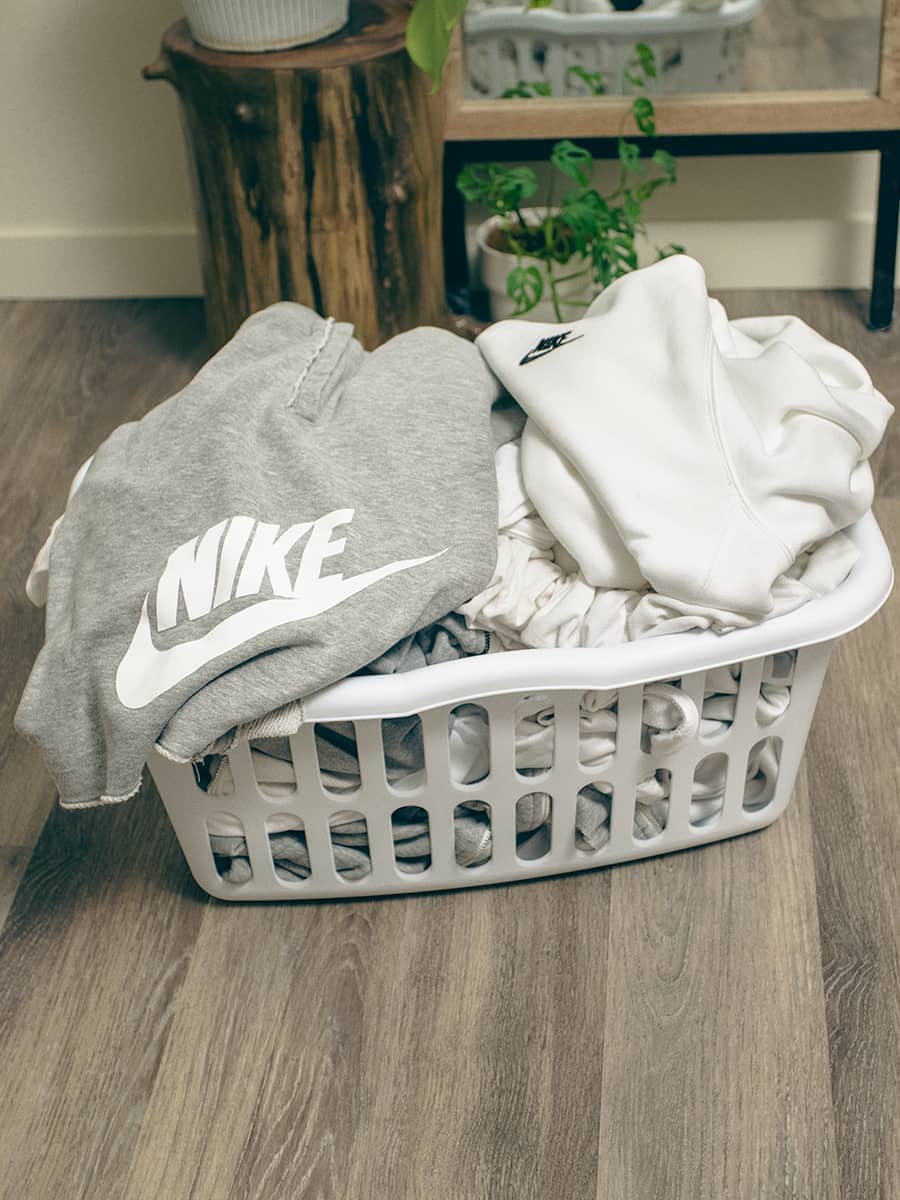
Wash your gym clothes after every use. Bacteria multiply quickly, and each use makes it harder to remove the smell. If washing after every use is not possible, at least rinse and air them out until you can.
Credit: www.nike.com
Handling Special Cases
Very Stubborn Odors
If your gym clothes smell even after washing, try this process:
- Soak in a mix of vinegar and water (1: 4 ratio) for 1 hour.
- Wash with a sport detergent and baking soda added to the drum.
- Air dry in sunlight.
- If the smell remains, repeat with oxygen bleach.
Moldy Or Mildewy Smells
Gym clothes left wet for too long can develop a musty odor. To fix:
- Soak in hot water (not boiling) with 1/2 cup of oxygen bleach for 1 hour.
- Wash as usual with a sport detergent.
- Dry in sunlight or a well-ventilated area.
Delicate Or Expensive Fabrics
Some activewear is delicate or very expensive. Always check the care label. Use cold water, mild sport detergent, and air dry. Avoid any bleach or harsh chemicals.
Quick Reference: Odor-busting Routine
Here’s a simple routine you can follow every time:
- Rinse sweaty clothes in cold water right after use.
- Pre-soak in vinegar or baking soda for 30 minutes.
- Turn inside out before washing.
- Use sport detergent, cold water, and a booster if needed.
- Air dry in sunlight.
Real-life Examples
Scenario 1: The Marathon Runner
A long-distance runner used to toss sweaty gear into a bag after practice and wash everything at the end of the week. The smell was strong and embarrassing. After switching to a routine of rinsing clothes right away, pre-soaking in vinegar, and washing inside out with sport detergent, the smell disappeared.
The runner also started hanging clothes outside, and now gear stays fresh for the next session.
Scenario 2: The Fitness Class Enthusiast
A gym class regular noticed that leggings and tops stayed smelly, even after washing with extra detergent. Switching to less detergent, a vinegar pre-soak, and avoiding fabric softeners fixed the problem. The clothes now wick moisture better and last longer.
Scenario 3: The Busy Parent
A parent with two active kids struggled with sports uniforms that smelled bad. They started using baking soda in every wash and separated gym clothes from regular laundry. The result: fewer complaints about smell and fewer replacements needed.
Why Odors Keep Coming Back
If you follow all the best practices but still notice smells, consider these less obvious causes:
- Washing machine needs cleaning: Bacteria and residue can build up inside. Run a hot wash with vinegar or a machine cleaner monthly.
- Water hardness: Hard water makes detergent less effective. Use a water softener if needed.
- Old clothes: Sometimes, fabric is too worn or damaged to save. Odors can get “baked in” over time.
Gym Bags And Shoes: Don’t Forget These
Odor isn’t just a clothing problem. Gym bags and shoes can also trap smells. Wash cloth bags in the machine or wipe down with vinegar. For shoes, sprinkle baking soda inside and air them out.
Pro tip: Place a dryer sheet or a small bag of activated charcoal in your gym bag to absorb smells between uses.
Table: Key Do’s And Don’ts For Deodorizing Gym Clothes
| Do | Don't |
|---|---|
| Rinse clothes after use | Let sweaty clothes sit in a bag |
| Pre-soak in vinegar or baking soda | Use fabric softener |
| Wash inside out with sport detergent | Use too much detergent |
| Air dry in sunlight | Dry on high heat |

Credit: polygiene.com
Frequently Asked Questions
What Is The Best Home Remedy For Smelly Gym Clothes?
The most effective home remedy is a vinegar soak. Mix 1 cup of white vinegar with water and soak your gym clothes for 30 minutes before washing. This helps break down bacteria and neutralize odors.
Can I Use Regular Detergent For Gym Clothes?
Regular detergent can work, but sport-specific detergents are better for synthetic fabrics. They break down body oils and bacteria more effectively, which is important for removing deep odors.
Is It Safe To Use Bleach On Gym Clothes?
Oxygen bleach (not chlorine bleach) is safe for most gym clothes and can help with stubborn smells. Always check the care label and avoid using strong bleach on delicate or colorful fabrics.
Why Shouldn’t I Use Fabric Softener With Gym Clothes?
Fabric softener coats the fibers of your clothes, trapping odors and blocking the moisture-wicking effect. This can make smells worse and reduce the performance of your activewear.
How Often Should I Deodorize My Gym Clothes?
Deodorize your gym clothes after every use. Bacteria and sweat build up quickly, and washing regularly prevents odors from setting in. If you can’t wash right away, rinse and air dry until you can.
Keeping gym clothes fresh is easier with the right habits. By acting quickly, using the right products, and avoiding common mistakes, you can enjoy clean and odor-free activewear every time. If you want to keep your workout routine strong, don’t let bad smells get in your way.
