

Best Smart Casual Clothes for Men: Top Styles for Every Occasion
Smart casual style is one of the most versatile dress codes for men. It’s a way to look sharp without feeling stiff, mixing relaxed and formal pieces for daily life, work, or events. But many guys struggle to get this balance right.
They either look too casual or too formal, missing the mark. If you want to master smart casual, you need to know which clothes work best, how to combine them, and what details matter. This guide will show you the best smart casual clothes for men, with practical examples, tips, and comparisons.
You’ll learn how to build outfits that feel confident and comfortable, and you’ll avoid common mistakes that make smart casual tricky. Whether you’re new to this style or want to upgrade your wardrobe, you’ll find everything you need here.
What Is Smart Casual For Men?
Smart casual is a dress code that sits between casual and formal wear. It’s not about wearing a suit, but it’s more polished than jeans and a T-shirt. You mix tailored pieces with relaxed garments to create a look that feels modern and appropriate for many settings.
Key features of smart casual:
- Structured clothing: Jackets, chinos, shirts.
- Relaxed touches: Knitwear, sneakers, T-shirts.
- Neutral colors: Navy, gray, beige, black.
- Minimal accessories: Watches, belts, simple jewelry.
Smart casual is popular for office environments, dinners, dates, and social events. It’s flexible, so you can adjust your outfit depending on the occasion. The real art is knowing which items elevate your look without making it too formal.
Essential Smart Casual Clothes For Men
If you want a smart casual wardrobe, start with the basics. These are the essential pieces that fit this style. Each item is versatile, easy to combine, and helps you look polished but relaxed.
Blazers
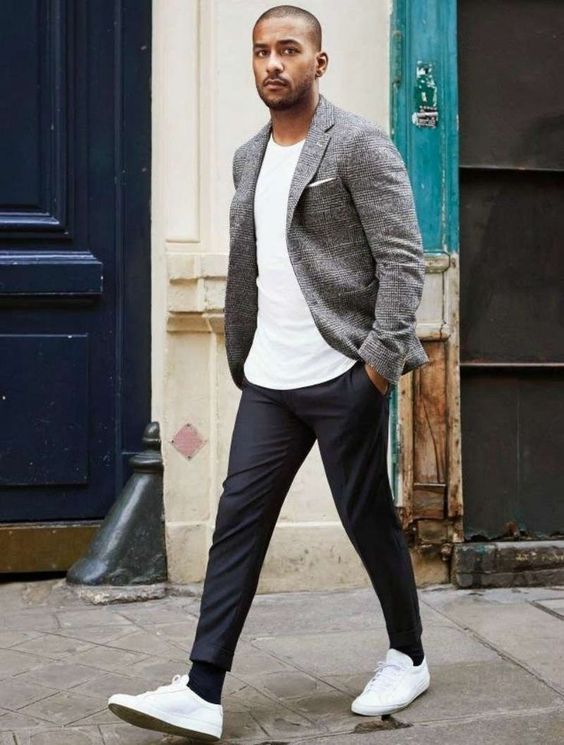
A blazer is the cornerstone of smart casual. It’s more relaxed than a suit jacket but still structured. Choose unlined or unstructured blazers in cotton, linen, or wool blends. Navy and gray are the safest colors, but lighter shades work in warmer months.
Why it works:
- Instantly upgrades a basic outfit.
- Can be worn over shirts, sweaters, or even T-shirts.
- Fits with jeans, chinos, or tailored trousers.
Common mistake: Wearing a formal suit jacket instead of a blazer. Suit jackets often look too stiff and out of place.
Chinos
Chinos are perfect for smart casual because they are more refined than jeans but not as formal as dress pants. Choose slim or straight fit chinos in colors like beige, navy, olive, or charcoal.
Why it works:
- Comfortable and breathable.
- Easy to dress up with a blazer or down with knitwear.
- Works for every season.
Tip: Avoid baggy or overly tight chinos, as they look sloppy or uncomfortable.
Button-down Shirts
A button-down shirt is a must. Plain colors, subtle patterns (stripes, small checks), and soft fabrics like cotton or linen are best. White, light blue, and gray are classic.
Why it works:
- Looks sharp with or without a blazer.
- Can be tucked in or left untucked for more relaxed occasions.
- Pairs with chinos, trousers, and jeans.
Non-obvious insight: Oxford shirts are especially good because their thicker fabric sits well under jackets and doesn’t wrinkle easily.
Knitwear
Smart casual lets you use knitwear to add texture. Crew neck sweaters, lightweight cardigans, or fine-gauge pullovers in wool or cotton all work.
Why it works:
- Adds warmth and depth to your outfit.
- Can be layered over shirts or under jackets.
- Works well in cooler months.
Tip: Avoid chunky knits—they’re too casual for smart casual.
Jeans
You can wear jeans in smart casual, but only if they are dark, slim-fit, and not distressed. Avoid rips, heavy fading, or baggy fits.
Why it works:
- Comfortable and familiar.
- Easy to combine with blazers, shirts, and clean sneakers.
- Good for informal smart casual events.
Common mistake: Wearing light-wash or distressed jeans. They look too casual and break the smart casual balance.
Polo Shirts
A polo shirt bridges casual and formal. Choose fitted polos in solid colors or subtle stripes. Cotton and performance fabrics are best.
Why it works:
- More polished than a T-shirt.
- Great for summer or outdoor events.
- Pairs well with chinos or tailored shorts.
Non-obvious insight: Polos with a soft collar hold their shape better under a blazer.
T-shirts
You can wear T-shirts for smart casual, but stick to plain, high-quality cotton tees in neutral colors. Avoid logos, prints, or oversized fits.
Why it works:
- Adds comfort and simplicity.
- Looks good under jackets or knitwear.
- Easy to mix and match.
Tip: Wear T-shirts only if the setting is relaxed and you pair them with smart layers.
Dress Shoes
Smart casual needs dress shoes that are less formal than Oxfords but more refined than sneakers. Loafers, brogues, and derbies are perfect.
Why it works:
- Adds polish without being too formal.
- Can be worn with jeans, chinos, and trousers.
- Durable and versatile.
Tip: Choose brown or tan shoes for a softer look; black is more formal.
Smart Sneakers
Clean, smart sneakers (leather or canvas, solid colors) are acceptable in many smart casual settings. Avoid bulky running shoes or flashy designs.
Why it works:
- Comfortable for daily wear.
- Looks modern with jeans or chinos.
- Makes your outfit feel approachable.
Common mistake: Wearing bright or athletic sneakers. Stick to white, gray, navy, or black.
Accessories
Smart casual uses simple accessories. Leather belts, metal watches, and minimal jewelry are best. Scarves or pocket squares can add personality but keep them understated.
Why it works:
- Completes your outfit.
- Adds subtle character.
- Doesn’t distract from the overall look.
Tip: Avoid loud or oversized accessories—they can make your outfit look messy.
How To Build Smart Casual Outfits
Knowing the pieces is only part of the puzzle. You need to understand how to put them together for different occasions. Here are practical ways to create smart casual outfits that work.
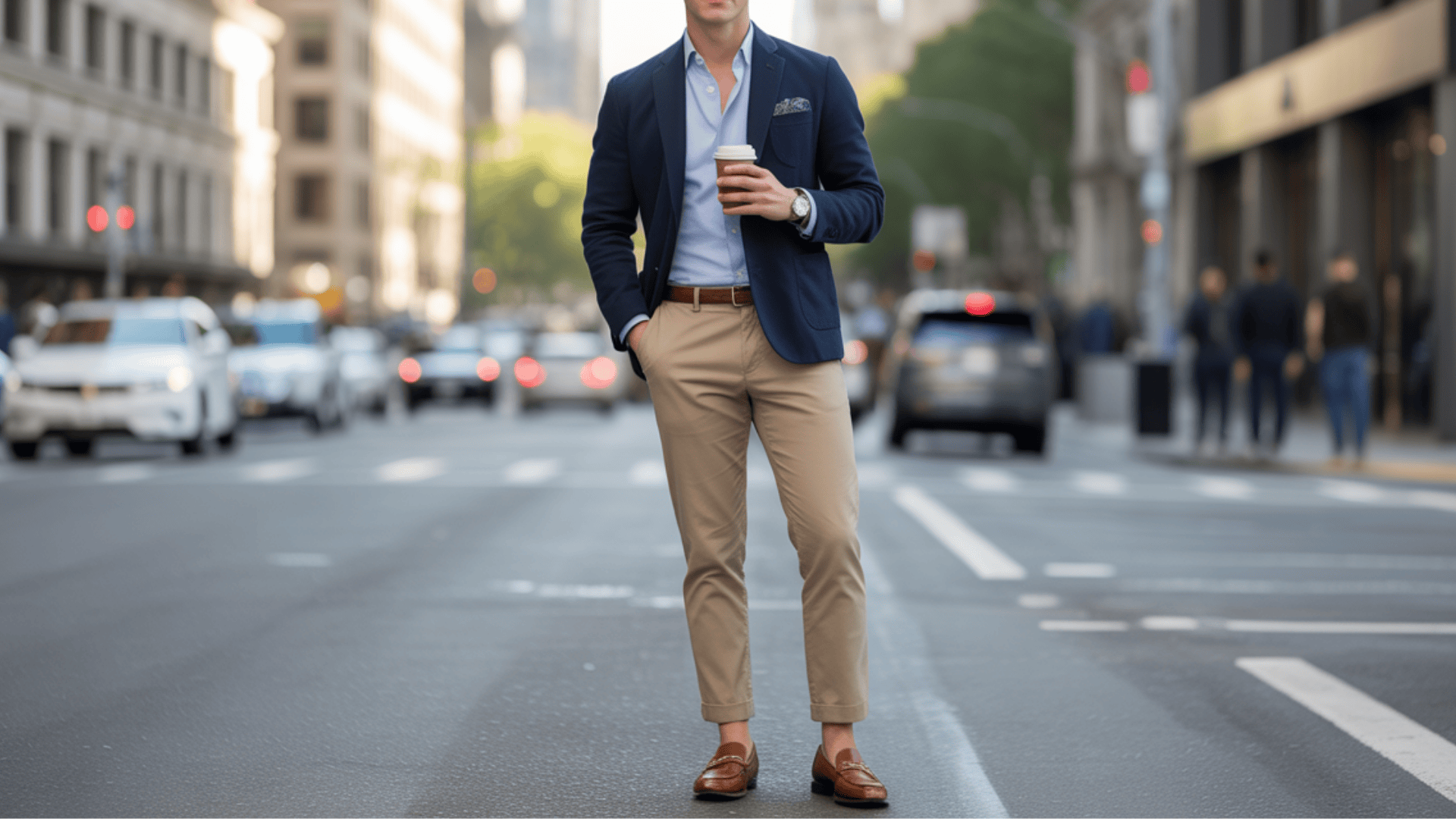
Office Smart Casual
For workplaces with a relaxed dress code, aim for a balance between comfort and professionalism.
- Navy blazer
- Light blue button-down shirt
- Charcoal chinos
- Brown loafers
- Leather belt
Add a slim watch and keep accessories simple. If your office is more relaxed, you can swap the shirt for a polo or knit sweater.
Weekend Smart Casual
For weekends, you want to look stylish without feeling overdressed.
- Dark jeans
- White cotton T-shirt
- Gray lightweight cardigan
- Clean white sneakers
This outfit is easy, comfortable, and still looks sharp. If you’re meeting friends for brunch, add a navy blazer.
Date Night Smart Casual
For dates, you want to look confident but approachable.
- Olive chinos
- Navy polo shirt
- Brown brogues
- Lightweight linen blazer
This mix feels relaxed and polished. Finish with a subtle fragrance and a metal watch.
Event Smart Casual
For dinners, parties, or social events, elevate your look.
- Slim-fit gray trousers
- Patterned button-down shirt (small checks)
- Navy unstructured blazer
- Tan loafers
A pocket square can add a touch of style if the event is more upscale.
Comparing Smart Casual Fabrics And Fits
Choosing the right fabric and fit makes a big difference in smart casual style. Here’s a quick comparison to help you select the best options.
| Fabric | Best For | Pros | Cons |
|---|---|---|---|
| Cotton | Shirts, chinos, polos | Breathable, easy to care for | Can wrinkle, fades over time |
| Linen | Summer blazers, shirts | Lightweight, cool | Wrinkles easily |
| Wool | Winter sweaters, blazers | Warm, holds shape | Can be itchy, expensive |
| Denim | Jeans | Durable, classic | Heavy, not always breathable |
Fit is just as important. Smart casual works best with clothes that are slim but not tight. Baggy clothes look sloppy, and tight clothes are uncomfortable.
| Fit Type | Appearance | Best For |
|---|---|---|
| Slim fit | Sharp, modern | Blazers, chinos, shirts |
| Regular fit | Classic, relaxed | Jeans, knitwear |
| Tailored fit | Polished, refined | Event wear |
Non-obvious insight: Many men forget to check how their shirt sleeves and pant legs fit. Tailoring these can make even basic clothes look much more expensive and stylish.
Smart Casual Outfit Ideas For Every Season
Smart casual changes with the weather. Here are outfit ideas for each season, with tips for adapting your look.
Spring
Spring calls for lighter fabrics and colors. Try:
- Beige chinos
- White Oxford shirt
- Navy cotton blazer
- Brown loafers
Add a patterned scarf if it’s chilly in the morning.
Summer
In summer, keep cool with linen and cotton. Choose:
- Light gray linen blazer
- White polo shirt
- Navy tailored shorts
- Clean canvas sneakers
Tip: Avoid heavy layers. Sunglasses are a good accessory.
Fall
Layering is key in fall. Combine:
- Dark jeans
- Olive crew neck sweater
- Checked button-down shirt
- Tan brogues
A wool scarf can add warmth and style.
Winter
For winter, use warm fabrics and darker colors:
- Charcoal wool trousers
- Black turtleneck sweater
- Navy wool blazer
- Black leather boots
Tip: Add a slim-fit overcoat for extra warmth.
Key Colors For Smart Casual
Color matters in smart casual outfits. Neutral colors are safe and easy to match, but adding some accent colors can bring life to your wardrobe.
- Navy: Most versatile for blazers, chinos, and shirts.
- Gray: Works for trousers, sweaters, and jackets.
- Beige: Perfect for chinos and summer blazers.
- White: Fresh for shirts and T-shirts.
- Olive: Adds subtle color for pants and knitwear.
- Black: Use sparingly—too much black can look too formal.
Accent colors like burgundy, rust, or pale blue can make your outfit stand out, but keep them in small doses.
Smart Casual Vs Business Casual Vs Casual
It’s easy to confuse smart casual with other dress codes. Here’s how they compare:
| Dress Code | Main Features | Typical Pieces | Where to Wear |
|---|---|---|---|
| Smart Casual | Mix of relaxed and tailored | Blazers, chinos, knitwear, clean sneakers | Offices, events, dates |
| Business Casual | More formal, less relaxed | Dress pants, button-downs, dress shoes | Corporate offices, meetings |
| Casual | Comfort first, no structure | Jeans, T-shirts, hoodies, sneakers | Weekends, home, informal outings |
Non-obvious insight: Many offices today use “business casual” but actually expect smart casual. Always ask if you’re unsure.
Common Smart Casual Mistakes Men Make
Even with the right clothes, many men make mistakes that ruin the smart casual effect. Here are the most frequent errors and how to avoid them.
- Too many casual pieces: Combining jeans, T-shirts, and sneakers without any tailored item looks sloppy.
- Ignoring fit: Wearing clothes that are too loose or tight makes you look careless or uncomfortable.
- Over-accessorizing: Too many accessories distract from the outfit. Keep it simple.
- Wrong shoes: Athletic sneakers, flip-flops, or worn-out shoes undermine smart casual.
- Mixing patterns or colors badly: Clashing prints or bold colors confuse the look. Stick to one pattern and neutral colors.
- Neglecting grooming: Smart casual is about the whole appearance. Messy hair or unkept beard can spoil a good outfit.
- Wearing formal suit pieces: Using suit trousers or jackets that don’t match the relaxed vibe feels out of place.
Tip: Take a photo of your outfit and check if one item looks much more formal or casual than the others. If so, swap it for something better balanced.
Credit: www.copenhagenfashionsummit.com
Where To Shop For Smart Casual Clothes
Finding smart casual clothes is easier than ever, thanks to many brands focusing on this style. Here are some popular places to shop:
- Uniqlo: Affordable basics, good fit, wide color range.
- J.Crew: Great for chinos, shirts, and blazers.
- Banana Republic: Quality trousers, knitwear, and accessories.
- Nordstrom: Wide selection of shoes and jackets.
- Everlane: Sustainable, modern basics.
- Zara: Trend-driven, stylish jackets and trousers.
Tip: Look for stores with good return policies. Trying clothes at home helps you find the perfect fit.
If you want more in-depth comparisons of smart casual brands, check out this guide from GQ.
Smart Casual Clothes For Different Body Types
Smart casual works for all body types, but you need to adapt the fit and style to flatter your shape.
Athletic Build
If you have broad shoulders and a trim waist, aim for slim-fit shirts and tapered trousers. Avoid boxy jackets.
- Fitted blazers
- Slim chinos
- Crew neck sweaters
Tip: Use vertical stripes or subtle patterns to highlight your shape.
Slim Build
For slim men, avoid overly tight clothes that make you look skinny. Choose regular fit shirts and layer with knitwear.
- Regular fit button-downs
- Layered cardigans
- Straight-leg jeans
Tip: Use light colors and texture to add volume.
Larger Build
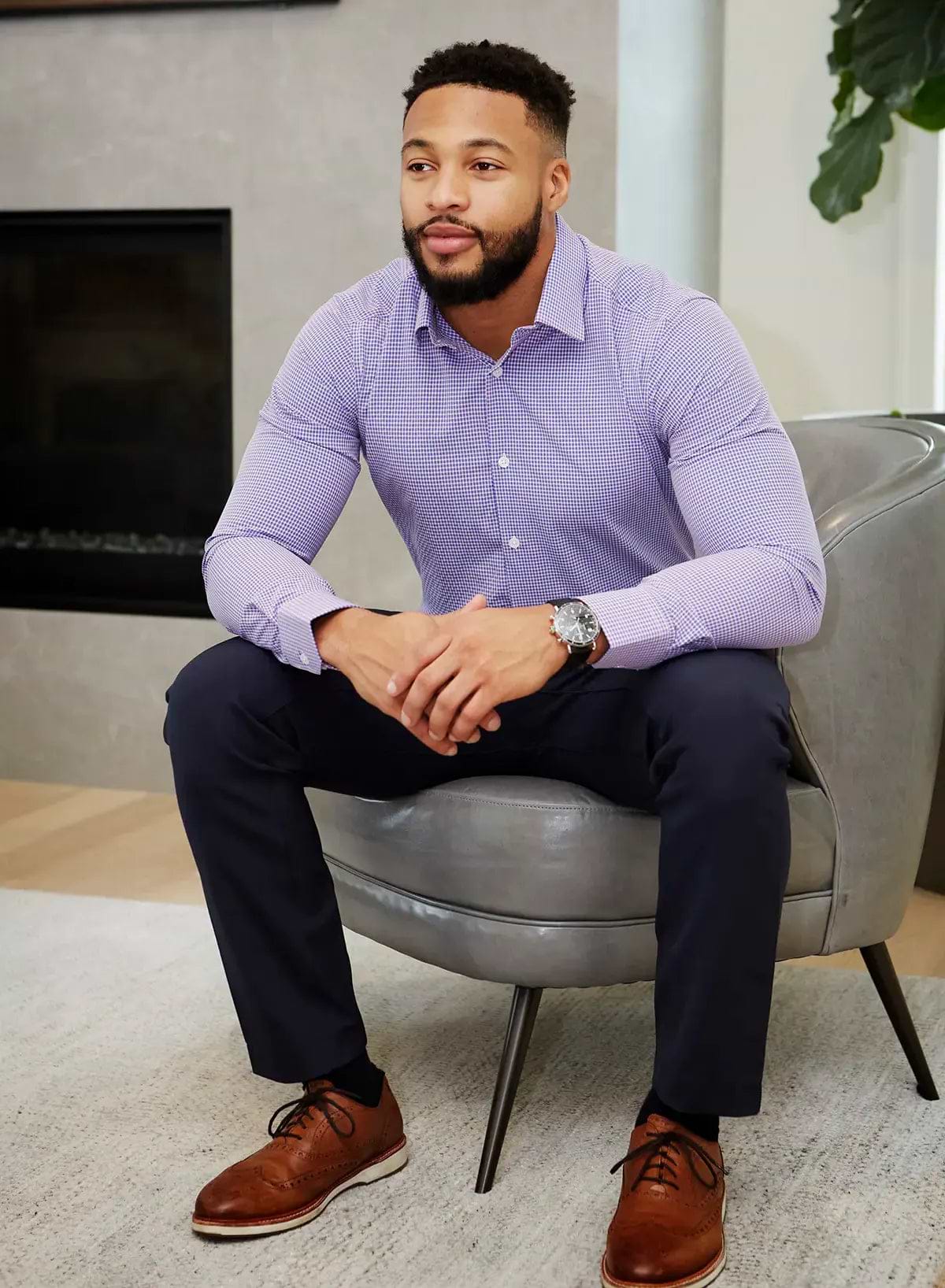
For bigger men, focus on structured jackets and dark colors. Avoid baggy clothes that add bulk.
- Unstructured blazers
- Dark chinos
- Fine-gauge sweaters
Tip: Tailoring is your best friend. Even minor alterations can improve your silhouette.
Credit: nilds.gov.ng
Smart Casual Travel Tips
Traveling calls for practical, stylish clothes. Smart casual is ideal because it adapts easily. Here’s how to pack smart:
- Choose versatile items (e.g., a navy blazer, gray chinos).
- Pick wrinkle-resistant fabrics (cotton blends, wool).
- Use layers: T-shirts, shirts, knitwear.
- Bring two pairs of shoes (loafers and sneakers).
- Keep accessories minimal.
Tip: Roll clothes instead of folding to save space and prevent wrinkles.
Non-obvious insight: Packing a lightweight, unstructured blazer can instantly upgrade any travel outfit, even if you’re wearing jeans and sneakers.
How To Care For Smart Casual Clothes
Good care keeps your smart casual clothes looking fresh. Here are some simple tips:
- Wash shirts and chinos in cold water to prevent fading.
- Use garment bags for blazers and knitwear.
- Steam clothes instead of ironing for a natural finish.
- Polish shoes regularly, even sneakers.
- Store knitwear folded, not hung, to avoid stretching.
Tip: Avoid dry cleaning too often—chemicals can damage delicate fabrics.
Credit: stateandliberty.com
Frequently Asked Questions
What Is The Best Shoe Type For Smart Casual?
Loafers, brogues, and clean sneakers are the top choices. Avoid formal Oxfords or athletic shoes. Loafers are especially versatile because they work with jeans, chinos, and trousers.
Can I Wear Shorts For Smart Casual?
Yes, but only tailored shorts in neutral colors like navy or beige. Pair them with a polo shirt or linen button-down and clean sneakers. Avoid cargo shorts or athletic shorts.
How Do I Choose The Right Blazer For Smart Casual?
Pick an unstructured blazer in cotton, linen, or lightweight wool. Avoid formal suit jackets. Navy, gray, and beige are safe colors, and a slim fit looks modern.
Are Jeans Smart Casual?
Dark, slim-fit jeans without rips or fading are smart casual. Pair them with a button-down shirt and blazer for balance. Light-wash or distressed jeans are too casual.
Should I Tuck In My Shirt For Smart Casual?
It depends on the occasion. Tuck in your shirt for offices or events, and leave it untucked for relaxed settings. Make sure the shirt fits well and is not too long.
Smart casual style is about finding the right mix for your personality, body type, and lifestyle. With the right pieces and a little practice, you’ll be able to build outfits that work for almost any situation. Remember, confidence and comfort are just as important as the clothes themselves.
If you focus on fit, quality, and balance, smart casual will never feel confusing again.
